Biosecurity
Why in News?
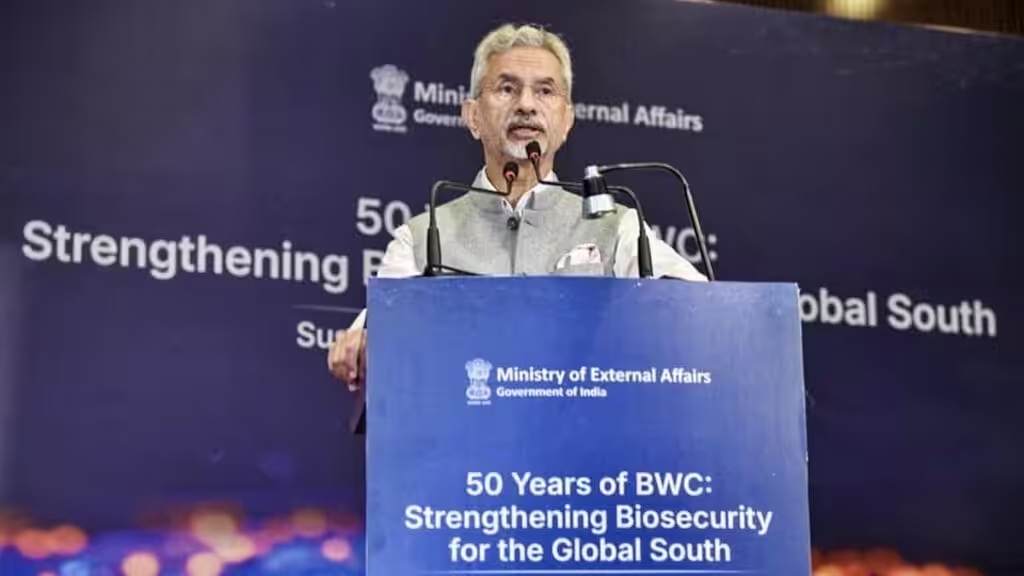
Given the rising complexity of biosecurity threats and the rapid spread of biotech innovations, there is a need for upgraded biosecurity measures in India.
UPSC relevance:
GS2: National Security, GS3: Environmental Issues and Ecology, Disaster Management
What is Biosecurity?
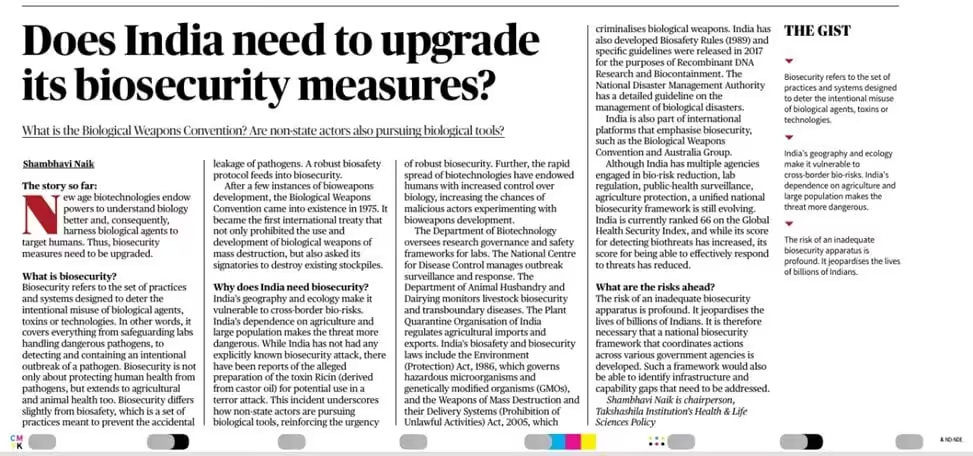
- Biosecurity refers to the safety measures taken to prevent the misuse of biological agents (like viruses, bacteria, toxins, and biotech tools) that could harm humans, animals, or plants. It is different from biosafety, which focuses on preventing accidental leaks of harmful pathogens.
- Key Areas of Biosecurity:
- Protecting labs that handle dangerous pathogens.
- Detecting and responding to deliberate outbreaks or attacks (like bioweapons).
- Ensuring the safety of agriculture and animal health.
- Biosecurity vs. Biosafety:
- Biosafety: Prevents accidental releases of harmful pathogens from labs.
- Biosecurity: Prevents intentional misuse, like bioterrorism or bioweapons.
Why is Biosecurity Important for India?
- Vulnerability to Cross-Border Risks: India shares borders with several countries and has a diverse geography, making it susceptible to biological threats crossing borders (like diseases or bioweapons).
- Dependence on Agriculture: India relies heavily on agriculture, which makes it vulnerable to biological threats like crop diseases or pests. A threat to agriculture can affect food security and the economy.
- Large Population: With over 1.4 billion people, the potential impact of a biological attack or outbreak is huge. Biosecurity is critical to protect public health.
- Potential Terrorism: Although India hasn’t had a confirmed biosecurity attack, there have been reports of terrorist groups attempting to create toxins (like Ricin from castor oil) for possible attacks. This emphasizes the need for strong biosecurity measures.
- Advances in Biotechnology: New technologies allow humans to better understand and manipulate biology. But these advances can also be misused by malicious actors to develop bioweapons. This increases the need for stronger biosecurity.
Current Biosecurity Measures in India:
India has several systems and laws in place to ensure biosecurity:
- Government Bodies Involved:
- Department of Biotechnology: Oversees research governance and safety in laboratories.
- National Centre for Disease Control (NCDC): Manages disease outbreaks and surveillance.
- Department of Animal Husbandry and Dairying: Monitors the health of livestock and transboundary diseases (diseases that spread across borders).
- Plant Quarantine Organisation of India: Regulates the import and export of agricultural products to prevent the spread of plant diseases.
- Laws and Regulations:
- Environment (Protection) Act, 1986: Governs the use of hazardous microorganisms and genetically modified organisms (GMOs).
- Weapons of Mass Destruction and their Delivery Systems (Prohibition of Unlawful Activities) Act, 2005: Criminalizes the use of biological weapons in India.
- Biosafety Rules, 1989: Provides guidelines for the safe use of genetically modified organisms (GMOs) and biological materials.
- National Disaster Management Authority (NDMA): Has guidelines for managing biological disasters.
- International Cooperation:
- India is a signatory to the Biological Weapons Convention, an international treaty that bans the development and use of bioweapons.
- India is also a member of the Australia Group, an informal group of countries that aims to prevent the spread of chemical and biological weapons.
India’s Challenges in Biosecurity:
- Despite having several agencies and laws in place, India still lacks a unified national biosecurity framework that coordinates efforts across all government agencies. This is necessary to address the growing biological risks more effectively.
- Global Health Security Index: India is ranked 66th in the Global Health Security Index. This ranking indicates that while India has improved its ability to detect bio-threats, it has some weaknesses in responding to these threats.
Potential Risks and Threats to India:
- Bioterrorism: The deliberate release of harmful biological agents, like viruses or toxins, by non-state actors (terrorists).
- Biological Warfare: The use of harmful biological agents in conflict to harm or kill large populations, animals, or plants.
- Outbreaks of Infectious Diseases: Disease outbreaks (natural or man-made) can spread rapidly, especially given India’s large population and dense urban areas. A biosecurity breach could result in widespread public health disasters.
- Agricultural Risks: Agricultural products are at risk from pests, diseases, or bioterrorism that could lead to crop destruction or food scarcity.
What India Needs to Do?
- Develop a Unified Biosecurity Framework: India needs a coordinated national biosecurity strategy that integrates all efforts across government agencies. This will help identify gaps in infrastructure and capabilities that need to be addressed.
- Increase Response Capabilities: India’s ability to respond effectively to bio-threats needs to improve. This includes strengthening emergency preparedness and ensuring better collaboration among national and state-level authorities.
- Strengthen International Cooperation: India must continue engaging with international platforms and treaties to stay updated on global biosecurity norms and best practices.
- Public Awareness and Education: Educating people about the importance of biosecurity and ensuring that all sectors (public health, agriculture, environment) are aware of their roles is essential to reduce risks.
- Public-Private Partnerships: Just like the U.S. and Canada, India can leverage private sector innovation and technology in biosurveillance, early detection systems, and rapid response mechanisms to tackle biological threats.
- Adopting New-Age Technologies for Biosecurity: New-age technologies like microbial forensics, AI-driven pathogen detection, and social media surveillance are transforming biosecurity practices worldwide. By leveraging these technologies, India can enhance its ability to detect, respond to, and prevent biological threats.
- Technology and Data Sharing: Countries like the U.S. and EU have advanced systems for monitoring biological risks and threats in real time. India could build similar systems that integrate data from laboratories, health departments, and international sources.
Conclusion
- While the country has established laws and agencies, gaps remain in terms of coordination and response. A unified approach is essential for better management of biological risks in the future.
- Biosecurity is an evolving challenge. India must strengthen its biosecurity framework to protect its people, agriculture, and economy from biological threats.