Diabetes


Why in news:
A new study published in the Lancet Global Health Journal reveals that 1 in 5 Indian adults aged 45 and above had diabetes in 2019. Alarmingly, 40% of those with diabetes were unaware of their condition. This raises concerns about undiagnosed and untreated diabetes among India’s ageing population and calls for urgent public health intervention.
UPSC CSE Relevance:
UPSC has focused on different disease under science and tech. which in news and asked question in prelims.
UPSC PYQ 2017:
Consider the following statements:
- In tropical regions, Zika virus disease is transmitted by the same mosquito that transmits dengue.
- Sexual transmission of Zika virus disease is possible.
Which of the statements given above is/are correct?
A 1 only
B 2 only
C Both 1 and 2
D Neither 1 nor 2
Key Findings from the Study:
Diabetes Statistics:
- Among those treated, only 36% achieved adequate control.
- 20 million older adults in India were living with diabetes in 2019.
- Prevalence rate among older adults (45+): ~20%
- Undiagnosed diabetes among elderly (60+): ~8%
- Untreated diabetes among 45+ adults: 5%
Gender and Urban-Rural Divide:
- 40% of diagnosed individuals were unaware of their condition, showing a gap in testing and diagnosis.
- Diabetes rates were similar among men (19.6%) and women (20.1%).
- Urban prevalence (30%) was double that of rural (15%).
State-wise Patterns:
Highest age-adjusted diabetes rates (45+ age group):
- Chandigarh (36.9%)
- Puducherry (36%)
- Kerala (36%)
Highest number of diabetic individuals:
- Tamil Nadu – 6.1 million
- Maharashtra – 5.8 million
- Uttar Pradesh – 4.7 million
About Diabetes:
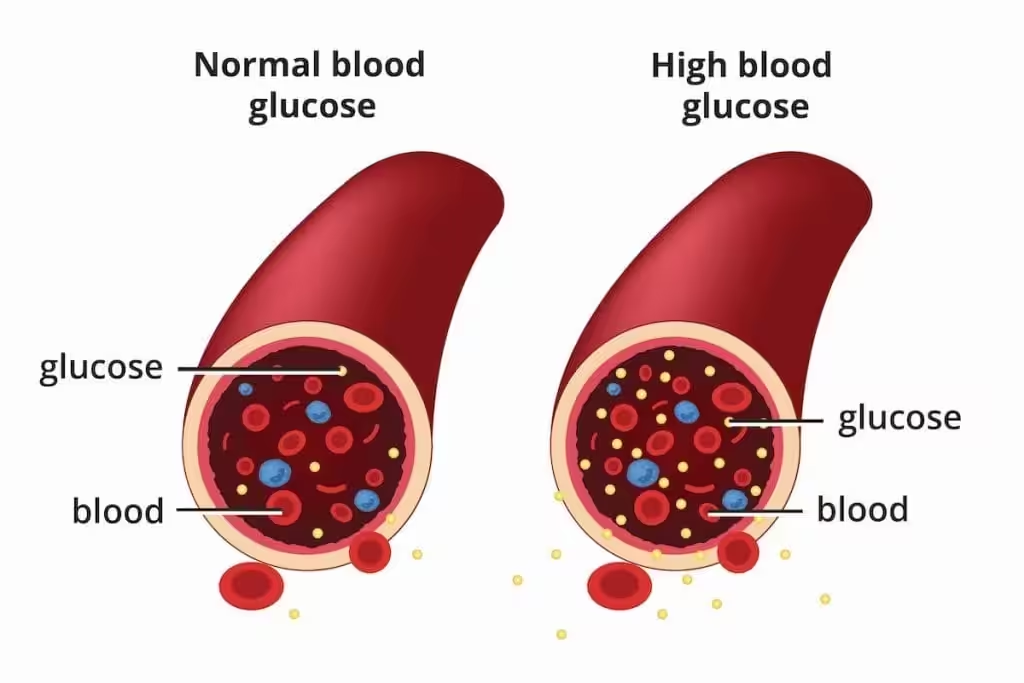
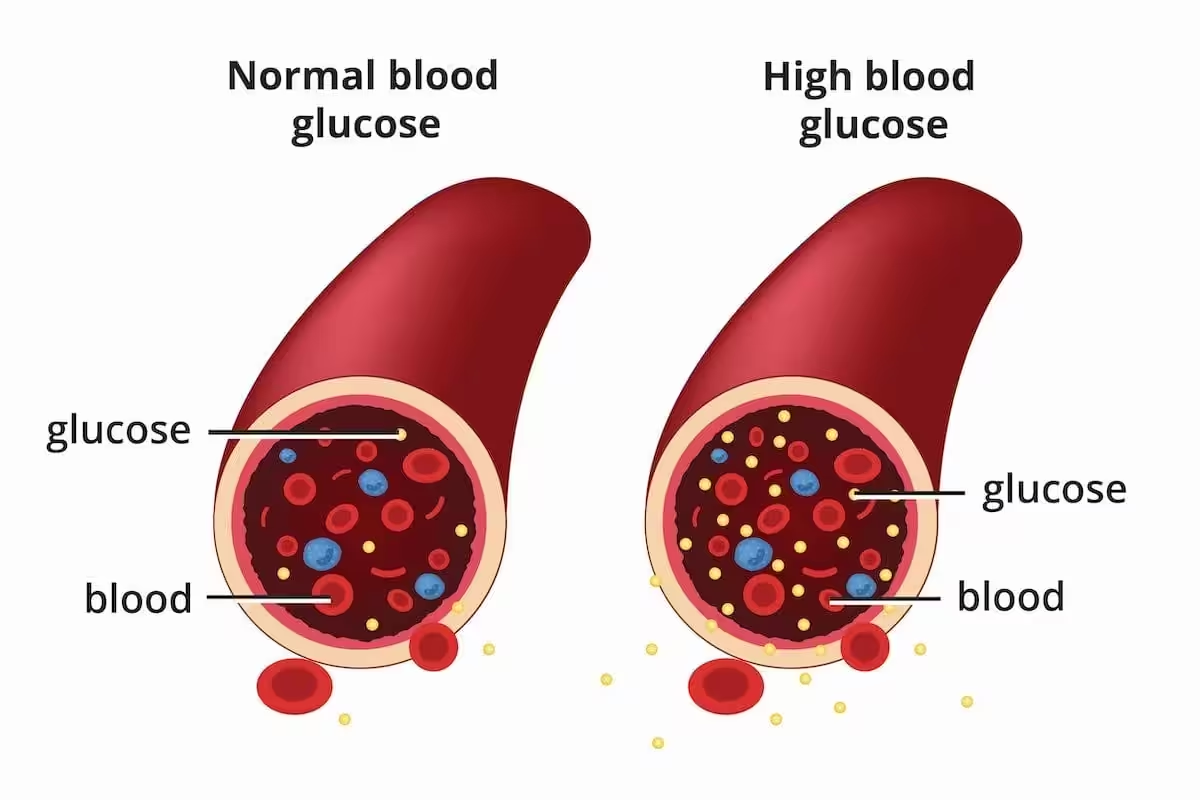
Diabetes is a disease that occurs when your blood glucose, also called blood sugar, is too high. Glucose is your body’s main source of energy. Your body can make glucose, but glucose also comes from the food you eat.
Insulin is a hormone made by the pancreas that helps glucose get into your cells to be used for energy. If you have diabetes, your body doesn’t make enough—or any—insulin, or doesn’t use insulin properly. Glucose then stays in your blood and doesn’t reach your cells.
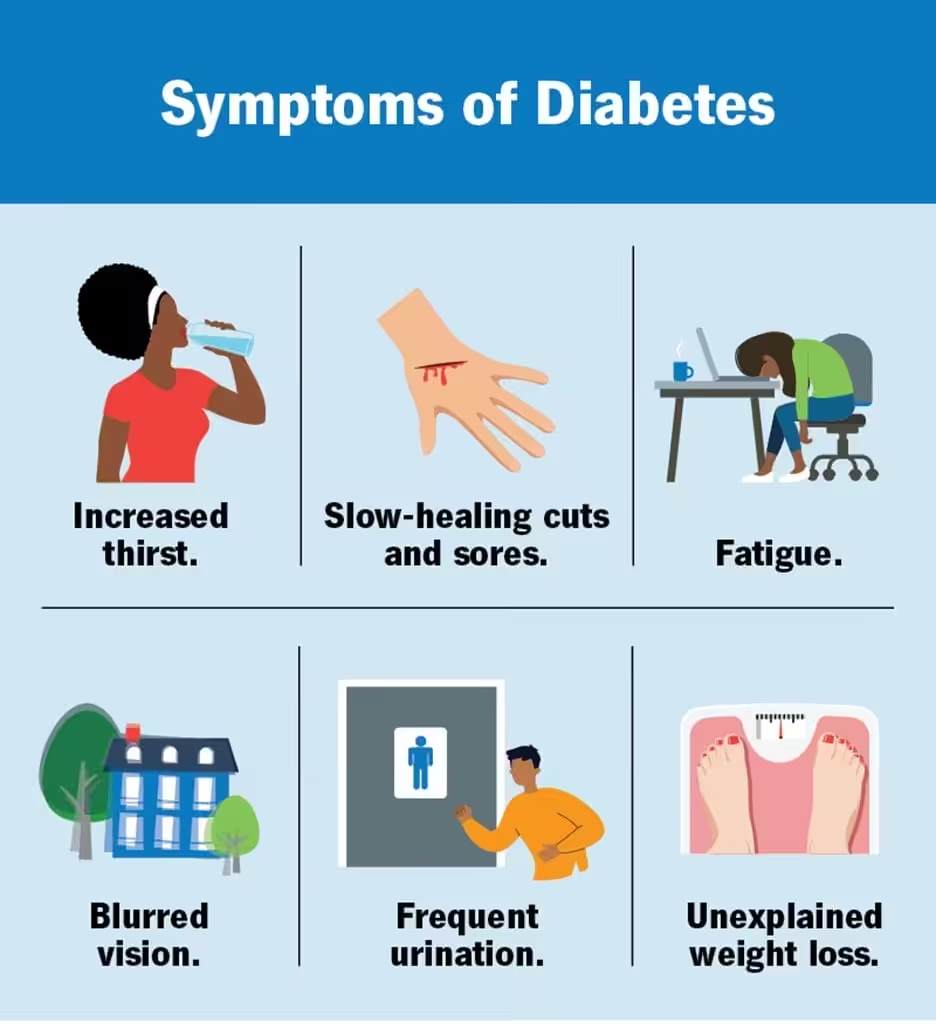
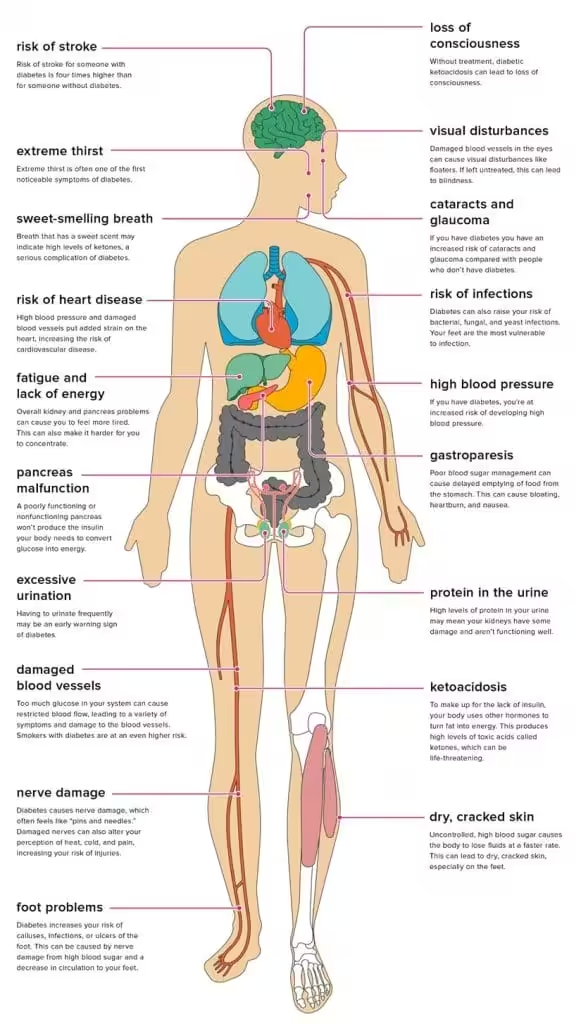
Impact: Diabetes raises the risk for damage to the eyes, kidneys, nerves, and heart. Diabetes is also linked to some types of cancer. Taking steps to prevent or manage diabetes may lower your risk of developing diabetes health problems.
Types of Diabetes:
Type 1 diabetes:
If you have type 1 diabetes, your body makes little or no insulin. Your immune system attacks and destroys the cells in your pancreas that make insulin. Type 1 diabetes is usually diagnosed in children and young adults, although it can appear at any age. People with type 1 diabetes need to take insulin every day to stay alive.
Type 2 diabetes:
If you have type 2 diabetes, the cells in your body don’t use insulin properly. The pancreas may be making insulin but is not making enough insulin to keep your blood glucose level in the normal range. Type 2 diabetes is the most common type of diabetes. You are more likely to develop type 2 diabetes if you have risk factors, such as overweight or obesity, and a family history of the disease. You can develop type 2 diabetes at any age, even during childhood.
Gestational diabetes:
- Gestational diabetes is hyperglycaemia with blood glucose values above normal but below those diagnostic of diabetes. Gestational diabetes occurs during pregnancy.
- Women with gestational diabetes are at an increased risk of complications during pregnancy and at delivery. These women and possibly their children are also at increased risk of type 2 diabetes in the future.
- Gestational diabetes is diagnosed through prenatal screening, rather than through reported symptoms.
Type 5 Diabletes:
Type 5 diabetes, which affects lean and undernourished young adults in low- and middle-income countries, has been officially recognised as a distinct form of the disease by the International Diabetes Federation (IDF).
Issues:
GOI Steps:
National Programme for Prevention and Control of Cancer, Diabetes, Cardiovascular Diseases and Stroke (NPCDCS):
- Launched in 2010, this Government of India initiative aims to prevent and control major non-communicable diseases (NCDs) such as cancer, diabetes, cardiovascular diseases, and stroke.
The programme focuses on:
- Strengthening healthcare infrastructure
- Capacity building of human resources
- Health promotion and awareness
- Early diagnosis, treatment, and referral services
World Diabetes Day:
Observed annually on 14th November, World Diabetes Day raises awareness about diabetes. The theme for 2022 focused on “Access to Diabetes Education”, highlighting the need for knowledge and support to manage the disease effectively.
Global Diabetes Compact (by WHO):
The World Health Organization (WHO) launched the Global Diabetes Compact to intensify global efforts to tackle diabetes.
This initiative was announced to commemorate the 100th anniversary of the discovery of insulin, aiming to:
- Enhance global collaboration
- Ensure affordable access to treatment and care
- Promote the integration of diabetes management into primary health systems