GLP-1 Drugs: Medical Breakthrough and Regulatory Concerns

| UPSC Relevance: (GS-3 Science and Technology: Biology and Biotechnology) Prelims & Mains: GLP-1 Drugs (Benefits & concerns associated); Insulin vs Glucagon (basic idea) |
What is GLP-1?
- Glucagon-like peptide-1 (GLP-1) is a naturally occurring hormone in the human body. It is released from intestinal L-cells after eating/meals. It is also produced in the brainstem (hindbrain).
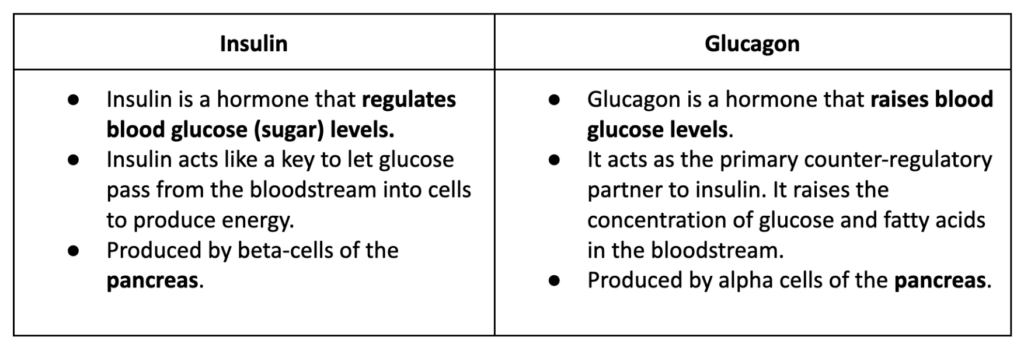
- It travels to the pancreas, where it helps to regulate blood sugar by increasing insulin and decreasing glucagon.
- Natural GLP-1 survives only 1-2 minutes in blood (It is quickly broken down by an enzyme).
- In many people with Type 2 diabetes or obesity, the natural GLP-1 system does not work adequately. Thus, external drugs (GLP-1 drugs) enhance or mimic this natural pathway.
What are GLP-1 Drugs & How do they work?
- GLP-1 Drugs mimic the action of GLP-1. They regulate appetite and digestion, helping users feel full faster and consume fewer calories. Examples: Semaglutide (Ozempic, Wegovy); Liraglutide, Dulaglutide.
- Working: GLP-1 drugs-
- stimulates (aids) insulin secretion: This allows more glucose in the bloodstream to enter cells, where it can be used for energy.
- Inhibit glucagon secretion: This reduces the release of glucose from the liver into the bloodstream.
- slows the movement of food through the gut and reduces appetite by signalling to the brain that one is satiated.
- Many GLP-1 drugs can be self-administered via subcutaneous injection. Some formulations require once-weekly dosing (E.g., semaglutide, dulaglutide), while others require daily administration (E.g., liraglutide). Semaglutide is also available as an oral tablet.
Insulin vs Glucagon
What are the benefits of GLP-1 Drugs?
- Weight loss: can help people lose on average 15% to 20% of their body weight.
- Treat type 2 diabetes.
- Associated with a lower risk of Alzheimer’s and Dementia.
- Found to be effective for conditions including (studies ongoing)- cardiovascular diseases, kidney disease, non-alcoholic fatty liver disease, and obstructive sleep apnea.
Semaglutide has been included in the WHO’s list of essential drugs in 2025 for the treatment of obesity and diabetes.
What are the concerns associated with GLP-1 Drugs?
- Common side effects include gastrointestinal side effects (nausea, bloated stomach, pancreatitis), mental health disturbances (anxiety, depression), visual disturbances (optic neuropathy), bone thinning with risk of fractures, and loss of skeletal muscle (sarcopenia). Possible side effects to sexual health.
- Risk of reversal: Discontinuation of drugs has been widely reported to result in rebound weight gain and loss of cardio-metabolic health benefits.
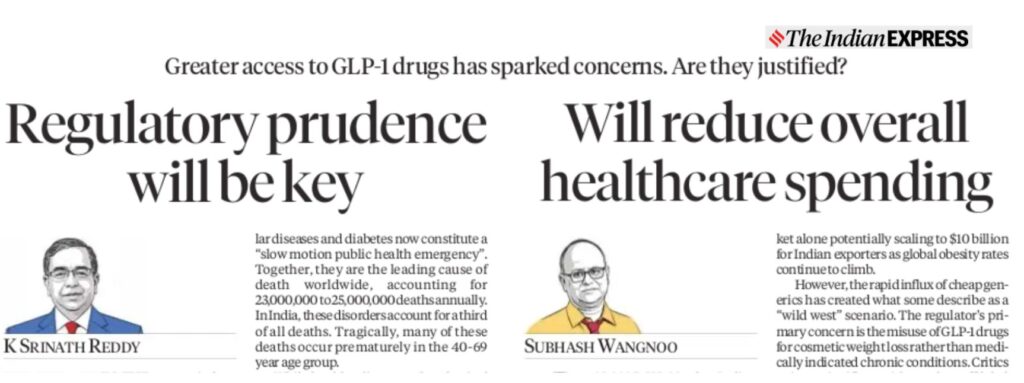
- Regulatory concerns: The patent for semaglutide (the active molecule behind Wegovy and Ozempic) has officially expired in India. This can result in the rapid influx of cheap generics. In the absence of robust regulation, the risks include-
- misuse of GLP-1 drugs for cosmetic weight loss rather than medically indicated chronic conditions
- off-label prescriptions by gym trainers, etc.
The use of these drugs should be guided by a robust regulatory mechanism & strengthened clinical framework. This includes stricter enforcement of prescription requirements, specialised training for physicians, and robust patient education programmes.
To ensure ethical pharmaceutical practices in the supply chain of GLP-1 drugs, the Drugs Controller of India (DGCI) has intensified its regulatory surveillance against the drug’s unauthorised sale and promotion.
UPSC Mains PYQs :
- What do you understand by fixed-dose drug combinations (FDCs)? Discuss their merits and demerits. (UPSC 2013)
- Can overuse and the availability of antibiotics without doctor’s prescription be contributors to the emergence of drug-resistant diseases in India? What are the available mechanisms for monitoring and control? Critically discuss the various issues involved. (UPSC 2014)
- What is the basic principle behind vaccine development? How do vaccines work? What approaches were adopted by the Indian vaccine manufacturers to produce COVID-19 vaccines? (UPSC 2022)