HIV(Human Immunodeficiency Virus)

Context:
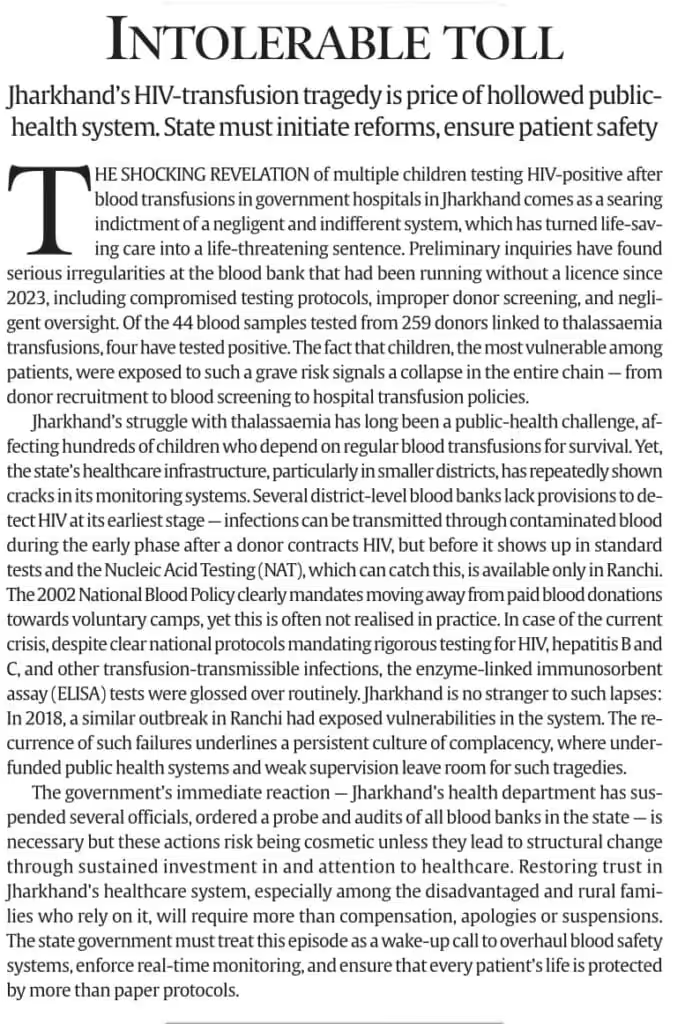
Several children in Jharkhand, particularly thalassaemia patients, tested HIV-positive after blood transfusions in government hospitals. This exposes serious lapses in blood safety protocols and governance failures in the public health system.
UPSC Relevance:
Disease
UPSC PYQ:
Q. Which of the following diseases can be transmitted from one person to another through tattooing? (2013)
- Chikungunya
- Hepatitis B
- HIV-AIDS
Select the correct answer using the codes given below:
(a) 1 only
(b) 2 and 3 only
(c) 1 and 3 only
(d) 1, 2 and 3
About HIV:
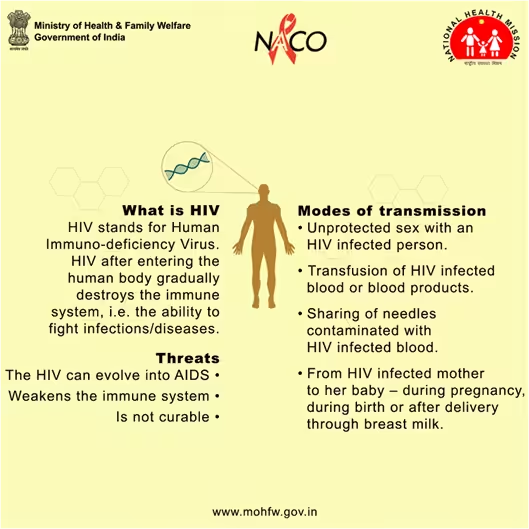
- HIV (human immunodeficiency virus) is a virus that attacks cells that help the body fight infection, making a person more vulnerable to other infections and diseases.
- It is spread by contact with certain bodily fluids of a person with HIV, most commonly during unprotected sex (sex without a condom or HIV medicine to prevent or treat HIV), or through sharing injection drug equipment.
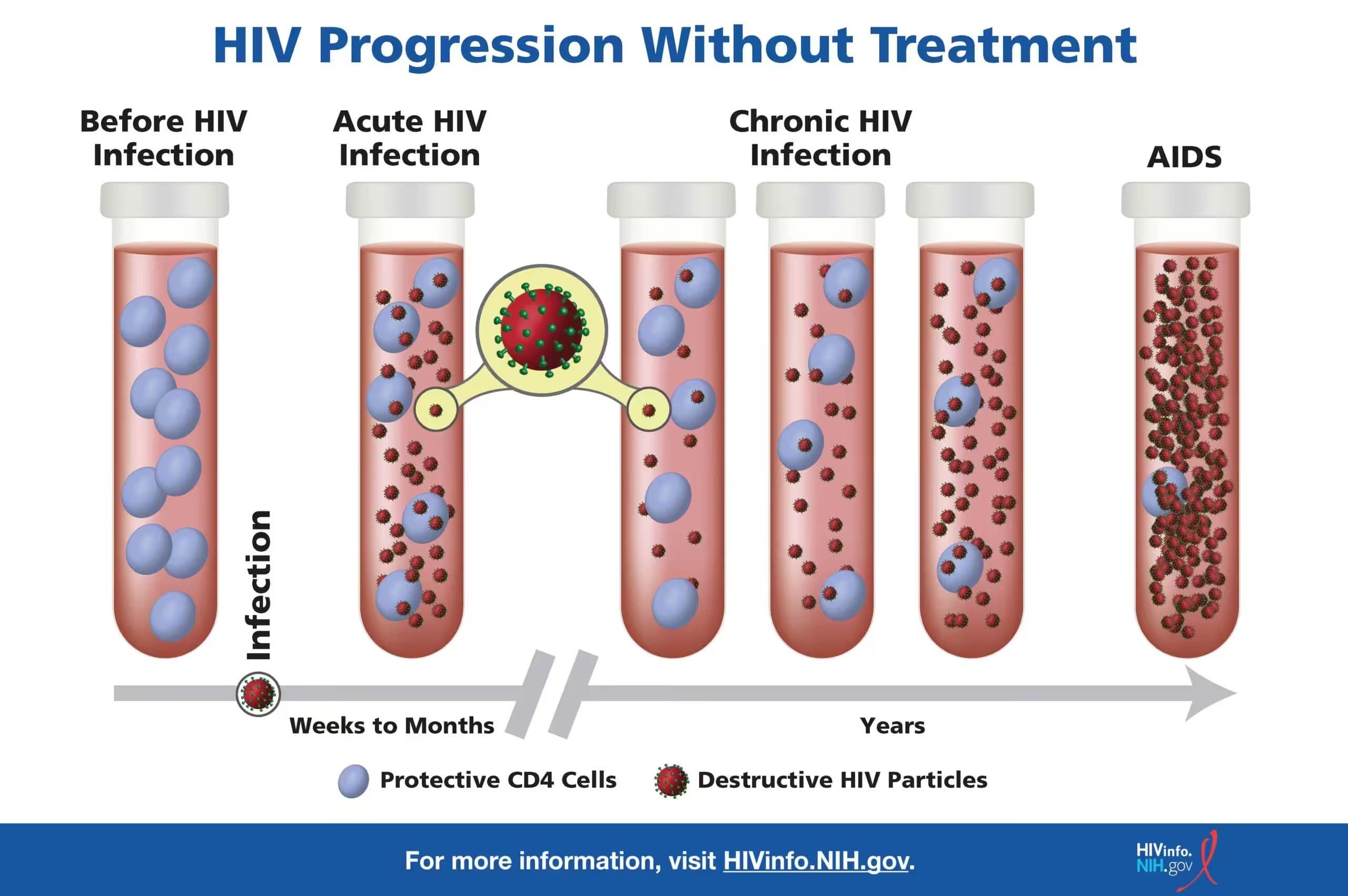
- If left untreated, HIV can lead to the disease AIDS (acquired immunodeficiency syndrome).
AIDS stands for acquired immunodeficiency syndrome. AIDS is the most advanced stage of HIV infection.
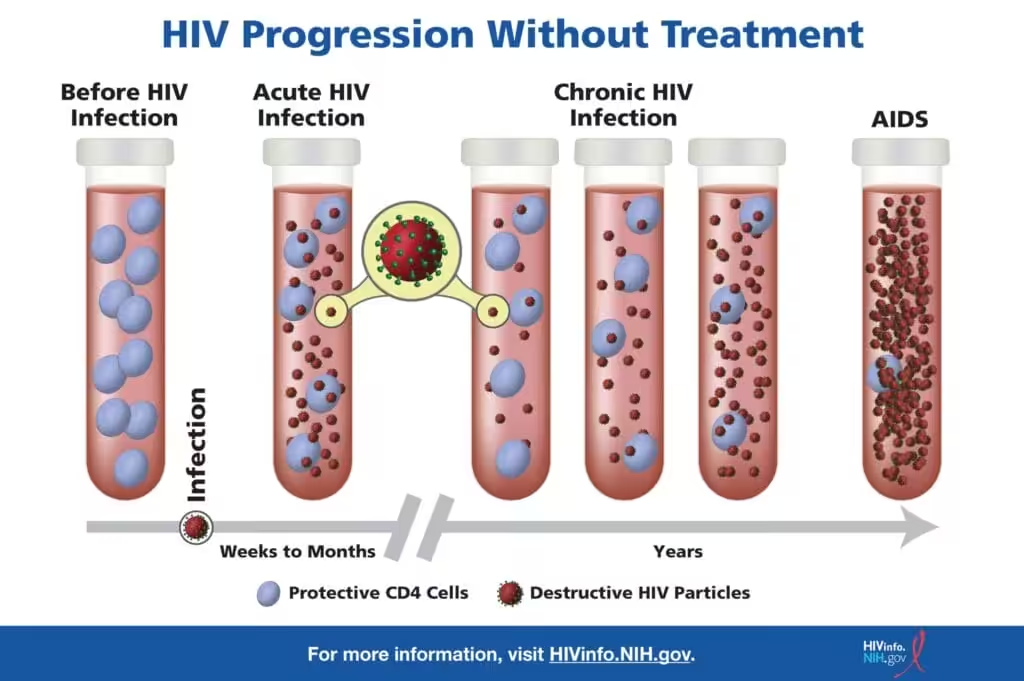
- The human body can’t get rid of HIV and no effective HIV cure exists. So, once you have HIV, you have it for life. Luckily, however, effective treatment with HIV medicine (called antiretroviral therapy or ART) is available.
HIV attacks and destroys the infection-fighting CD4 cells (CD4 T lymphocytes) of the immune system. The loss of CD4 cells makes it difficult for the body to fight off infections, illnesses, and certain cancers.
How is HIV transmitted?
HIV can be transmitted through bodily fluids, including blood, semen (“cum”), pre-seminal fluid (“precum”), vaginal fluids, rectal fluids, and breastmilk etc.
HIV scenario in India:
Steps taken by the Government for HIV/AIDS awareness:
- National Aids Control Organization (NACO), a division of the Ministry of Health and Family Welfare, undertakes the responsibility to strengthen the awareness campaign against HIV/AIDs, through comprehensive multimedia campaigns, including mass media initiatives, and promote available services and facilities across the country.
- World AIDS Day, observed annually on December 1 since 1988, serves as a global platform to unite people in raising awareness about HIV.
- India has adopted a 90-90-90 target for combating AIDS. This target was later increased to 95-95-95, out of which 81% people with AIDS have been identified, 88% are being given ART and viral load of 97% identified people has been suppressed.
- National AIDS Control Programme (NACP) Phase-V: Aims to reduce annual new HIV infections and AIDS-related mortalities by 80% by 2025-26 from the baseline value of 2010.
Q2. Which one of the following statements is not correct? (2019)
(a) Hepatitis B virus is transmitted much like HIV.
(b) Hepatitis B unlike Hepatitis C, does not have a vaccine.
(c) Globally, the number of people infected with Hepatitis B and C viruses are several times more than those infected with HIV.
(d) Some of those infected with Hepatitis B and C viruses do not show the symptoms for many years.