Allied Health Standards: Separating Training, Assessment and Registration
Why in News?
On 7 October 2026, the Health Ministry announced NCAHP regulations for autonomous boards and a Central Assessment Committee, alongside allied-health curriculum and registration measures notified earlier.
- Autonomous boards receive separate education, assessment, ethics and registration responsibilities; the announcement does not establish that every board is already operational.
- The Central Assessment Committee provides an assessment mechanism where a functional State Council does not exist.
- Registration regulations were gazetted on 15 September; the medical radiology diploma curriculum was notified on 30 September.
- The diploma curriculum is optional in 2026–27 and mandatory from 2027–28; the announcement is not an immediate compulsory change for every current student.
- Patient safety depends on training facilities, supervised practice and professional accountability working together; a qualification document cannot substitute for all three.
- Uneven state capacity makes the central fallback significant, while local inspection and functioning State Councils remain necessary for durable regulation.
UPSC Relevance
Prelims Relevance
- National Commission for Allied and Healthcare Professions (NCAHP).
- Autonomous boards under State Allied and Healthcare Councils.
- Assessment and Rating Board versus Ethics and Registration Board.
- Central Assessment Committee where State Councils are not functional.
- Competency-based curriculum and professional registration.
Mains Relevance
GS Paper 2
- Regulating healthcare education through distinct but connected institutional responsibilities.
- Cooperative federalism and central support where state regulatory capacity is incomplete.
Essay
- Trust in public services requires verifiable standards and accountable institutions.
Background and Context
What the Different Boards Regulate
The framework separates oversight of educational institutions from scrutiny of individual professionals, while connecting both through State Councils.
- The NCAHP framework, under the allied and healthcare professions law, concerns education and professional standards. Its practical challenge is connecting what institutions teach with what qualified personnel can safely do in healthcare settings.
- Undergraduate and Postgraduate Boards support recognised-course standards, competency frameworks, faculty development, training and research. They submit recommendations to the State Council, linking classroom expectations with the continuing task of improving educational delivery.
- The Assessment and Rating Board evaluates recognition and permission applications, inspects institutions and reviews annual disclosures. Its focus is the institution offering training, rather than merely checking whether one graduate possesses a certificate.
- The Ethics and Registration Board verifies professional documents, recommends registration and considers complaints or violations. This creates a separate route for professional conduct questions that an inspection of college facilities alone cannot resolve.
- The framework provides for public assessment and rating information through State Council websites. For students choosing courses, usable disclosures can reveal institutional quality; publication must be accompanied by current evidence and understandable explanations.
How the Central Fallback and Training Standards Work
A common curriculum describes expected learning; assessment examines delivery, and the central fallback addresses gaps in state regulatory machinery.
- The Central Assessment Committee operates under NCAHP supervision where a functional State Council does not exist. It performs autonomous-board functions through prescribed verification, inspection and rating procedures, addressing an institutional gap rather than declaring standards unnecessary.
- This central fallback should be distinguished from proof of nationwide implementation. A regulatory provision creates a mechanism; effective operation still requires appointed personnel, inspections, reliable records and decisions that institutions can understand and act upon.
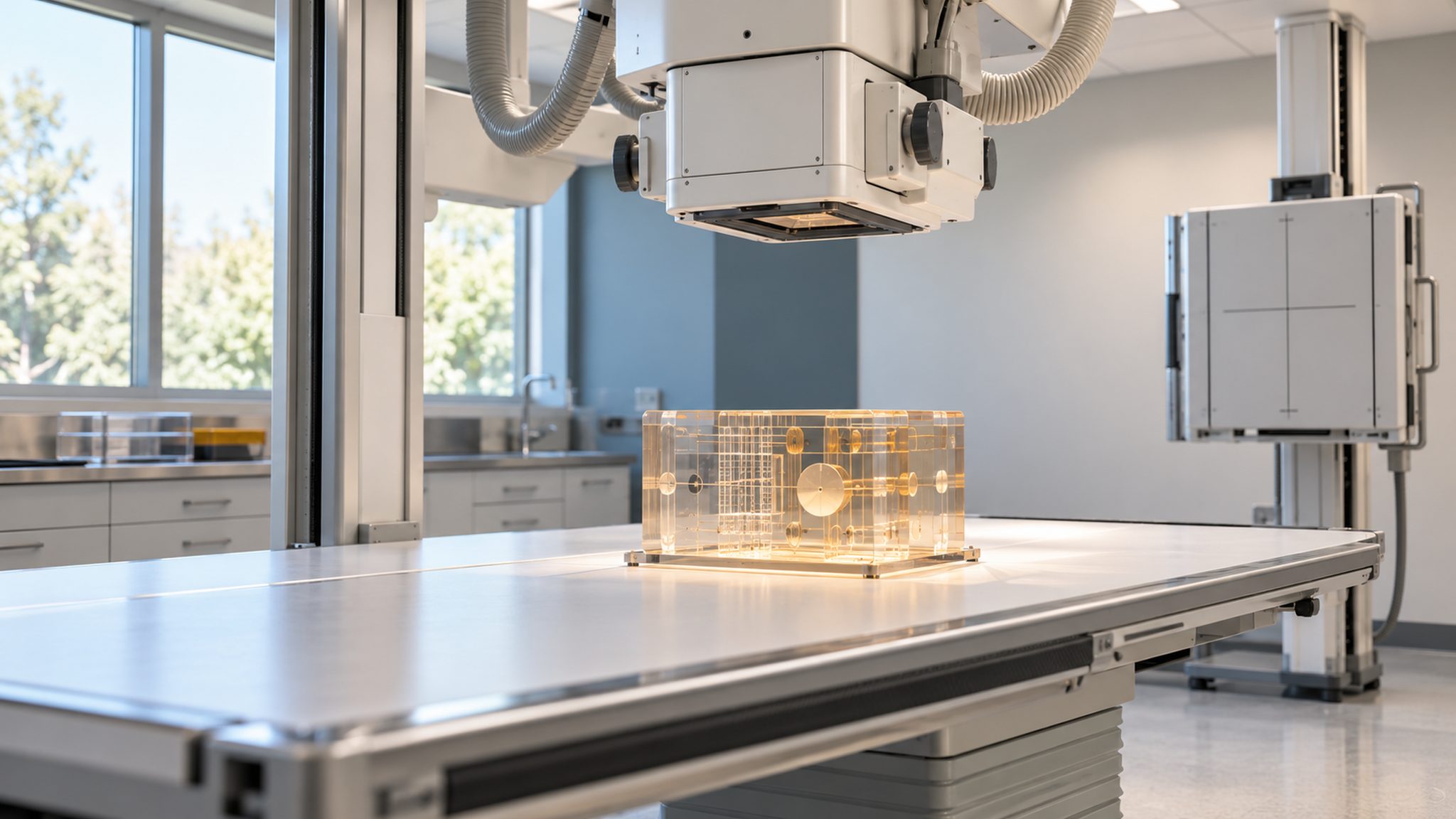
- The medical radiology and imaging diploma illustrates competency-based education: knowledge must be joined with practical skills, values and professional attitudes. The aim is safe performance in healthcare settings, beyond recall in a written examination.
- Supervised clinical exposure connects imaging theory with equipment use, patient care and radiation safety. A training institution needs meaningful practical opportunities; adopting a curriculum document without suitable clinical learning conditions cannot deliver the intended competence.
- The distinction is between standards on paper and evidence of delivery. Curriculum requirements specify learning expectations, while institutional assessment examines the provider; neither should be casually treated as a guarantee of every individual clinical outcome.
What Registration Can and Cannot Establish
Registration makes professional status checkable, but its purpose differs from assessing a college or observing practical competence.
- The registration framework requires a recognised primary qualification and provides State and Central Registers. Professionals where no functional State Council exists may register directly with the Central Register, avoiding dependence on a missing state mechanism.
- Public registers and identification-linked certificates support verification of registration status. They help users distinguish a verifiable professional record from an unsupported claim, but authentication of a record does not itself measure the quality of treatment delivered.
- Continuing professional development is connected with renewal under the framework. The governance logic is continuing accountability: skills and professional responsibilities do not end when initial education finishes or the first registration certificate is issued.
- Interim registration for students undertaking required practical training is distinct from proposed arrangements for existing practitioners lacking prescribed qualifications. The ministry says efforts toward provisional registration and a bridge course are underway, not already implemented.
- The useful comparison is institution versus curriculum versus individual: assessment examines the training provider, curriculum defines expected learning, and registration records professional eligibility. Separation prevents a certificate from being mistaken for complete quality assurance.
Way Forward
Make the Framework Operational and Verifiable
- Publish board responsibilities and inspection findings in clear language, with procedures for correcting inaccurate institutional information.
- Check clinical training capacity before curriculum adoption, including supervision and access to appropriate equipment rather than only classroom compliance.
- Keep proposed transition arrangements clearly separate from notified eligibility routes so students and existing practitioners do not act on assumed exemptions.
Conclusion
- Allied-health regulation works through complementary checks: suitable training institutions, competency-based education and accountable professional registration. The strength of the reform will depend on these checks operating together, rather than the mere existence of new boards.
- For a governance answer, distinguish legal design from implementation and explain why a central fallback matters. Judge progress through functional institutions, useful public information and supervised learning, while preserving the difference between eligibility and demonstrated competence.
UPSC Practice Questions
Prelims MCQ 1
With reference to the announced NCAHP framework, consider the following statements:
- The Assessment and Rating Board evaluates institutions.
- The Central Assessment Committee provides a mechanism where a functional State Council does not exist.
- The announcement establishes that all autonomous boards are already operational.
How many of the above statements are correct?
(a) Only one (b) Only two (c) All three (d) None
Answer: (b) Only two
Explanation:
The first two statements describe the announced functions. Notification of a framework does not demonstrate that every board is already operational.
Prelims MCQ 2
Which distinction best describes institutional assessment and professional registration?
(a) Both exclusively assess the same individual professional. (b) Institutional assessment replaces the need for a curriculum. (c) Assessment examines the training provider; registration records individual professional eligibility. (d) Registration certifies every future clinical outcome.
Answer: (c) Assessment examines the training provider; registration records individual professional eligibility.
Explanation:
The two mechanisms address different objects of regulation. Neither registration nor institutional assessment guarantees every clinical outcome.
UPSC Mains Questions
- Explain how separating curriculum standards, institutional assessment and professional registration can improve allied-health education.
- Discuss the benefits and limitations of a central regulatory fallback where functional State Councils have not been established.
Source: PIB, Ministry of Health and Family Welfare.
Frequently Asked Questions
What is NCAHP seeking to regulate through the new boards?
The framework separates education standards, institutional assessment, and professional ethics and registration. These functions connect through State Councils, allowing scrutiny of training providers and individual professionals without treating them as the same regulatory task.
When does the Central Assessment Committee apply?
The announced framework provides for a Central Assessment Committee where a functional State Council does not exist. Under NCAHP supervision, it performs autonomous-board functions using prescribed verification, inspection and rating procedures.
When must institutions adopt the medical radiology diploma curriculum?
The curriculum notified on 30 September 2026 becomes mandatory from academic year 2027–28. Institutions may adopt it during 2026–27, so optional early adoption should not be confused with immediate universal implementation.
Does professional registration prove every aspect of competence?
Registration establishes professional eligibility under the applicable framework and makes status verifiable. It does not replace institutional assessment, supervised learning or evidence of safe performance in the particular services a professional delivers.
Is the proposed bridge-course route already implemented?
The ministry says it is undertaking efforts toward provisional registration and a bridge-course option for existing practitioners without prescribed primary qualifications. This should be described as work in progress, not an already available exemption.