Population of Andaman and Nicobar
Context:
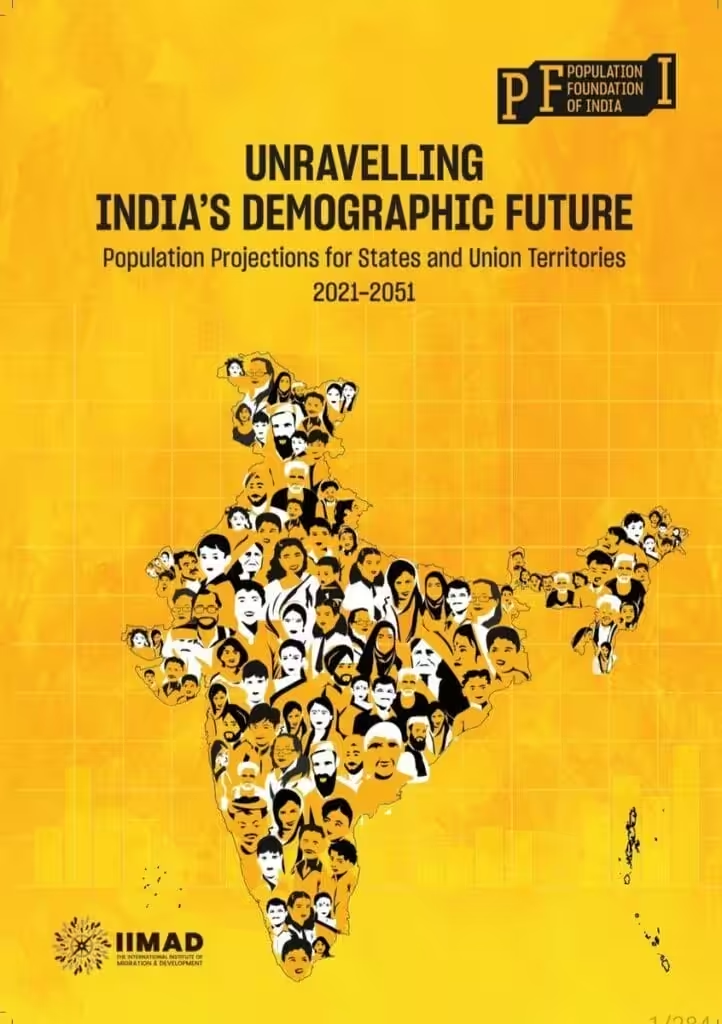
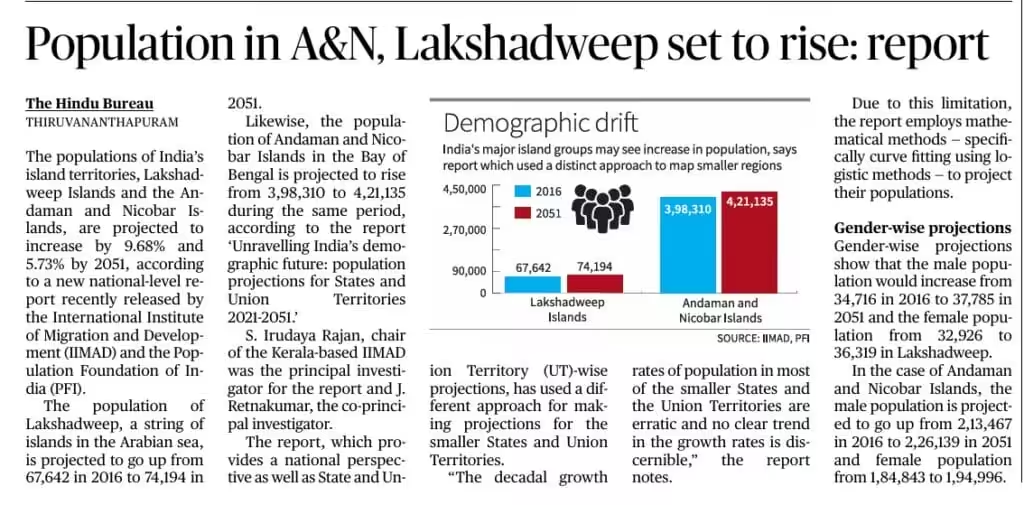
A national-level report by IIMAD (International Institute of Migration and Development) and Population Foundation of India (PFI) gives medium-variant population projections through 2051. These are projections, not a new Census count; the source report and its Appendix Table 8.1 provide the underlying totals:
Lakshadweep
- Population projected to rise from 67,642 (2016) → 74,194 (2051)
- Growth: ~9.68%
Andaman & Nicobar Islands
- Population projected to rise from 3,98,310 (2016) → 4,21,135 (2051)
- Growth: ~5.73%
Overall: Moderate growth, but significant because these are ecosystem-sensitive, small island territories.
Gender-wise Projections
Lakshadweep
- Male population: 34,716 → 37,785
- Female population: 32,926 → 36,319
Andaman & Nicobar
- Females: 1,84,843 → 1,94,996
- Males: 2,13,467 → 2,26,139
Why Population Growth in Islands Matters?
- Ecological Fragility
- Lakshadweep = coral atolls → very low carrying capacity
- A&N = biodiversity hotspot + tribal reserves (Jarawa, Sentinelese, Nicobarese)
- Even small population increases can cause:
- Increased waste generation
- Coastal erosion
- Pressure on coral reefs
- Loss of mangroves
- Disaster Vulnerability
- Islands are exposed to:
- Sea-level rise
- Storm surges
- Tsunamis
- Cyclones
- Infrastructure Demand
- Water scarcity
- Waste management
- Transport and energy systems
- Tribal Protection Concerns (A&N)
- Growth in non-tribal population may:
- Threaten tribal cultures
- Increase disease risk
- Intensify resource competition
- Growth in non-tribal population may: