Renewable energy world leading power source
Context:
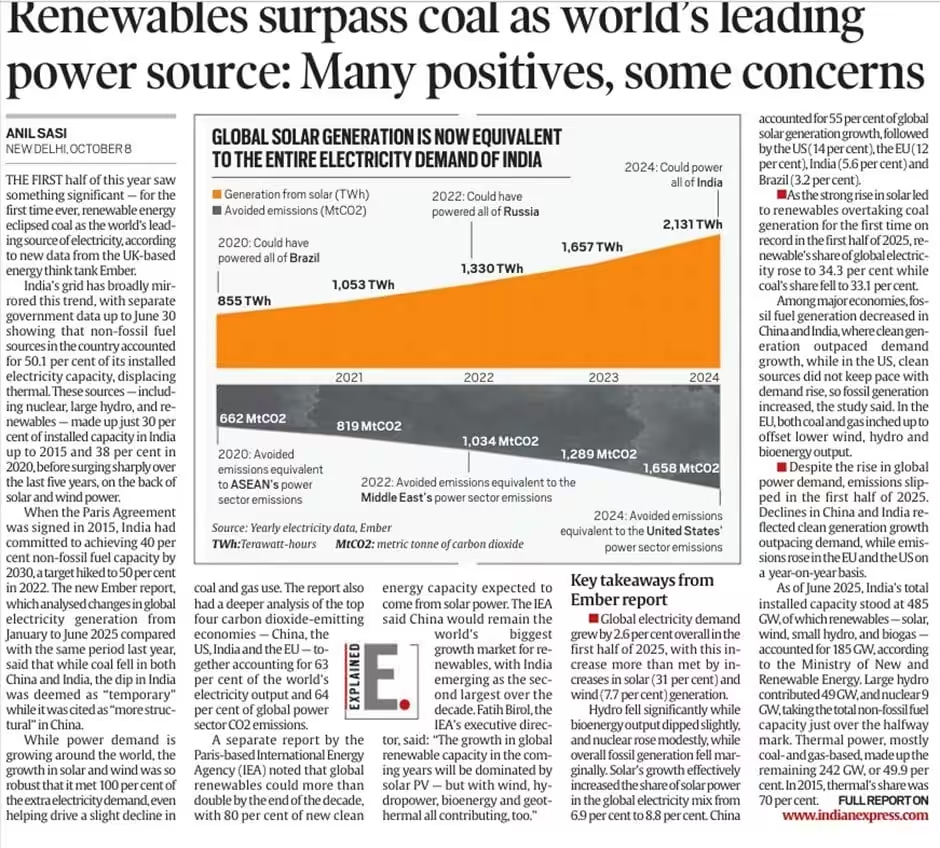
A study has highlighted that for the first time ever, renewable energy has eclipsed coal as the world’s leading source of electricity.
UPSC Relevance:
Energy sources including renewable energy.
PYQ:
Q. With reference to the Indian Renewable Energy Development Agency Limited (IREDA), which of the following statements is/are correct? (2015)
1.It is a Public Limited Government Company.
2.It is a Non-Banking Financial Company.
Select the correct answer using the code given below:
(a) 1 only
(b) 2 only
(c) Both 1 and 2
(d) Neither 1 nor 2
Renewable energy status:
- For the first time ever, renewable energy (34.3%) eclipsed coal (33.1%) as the world’s leading source of electricity.
- In India, Non-fossil sources accounted for 50.1% of its installed electric capacity.
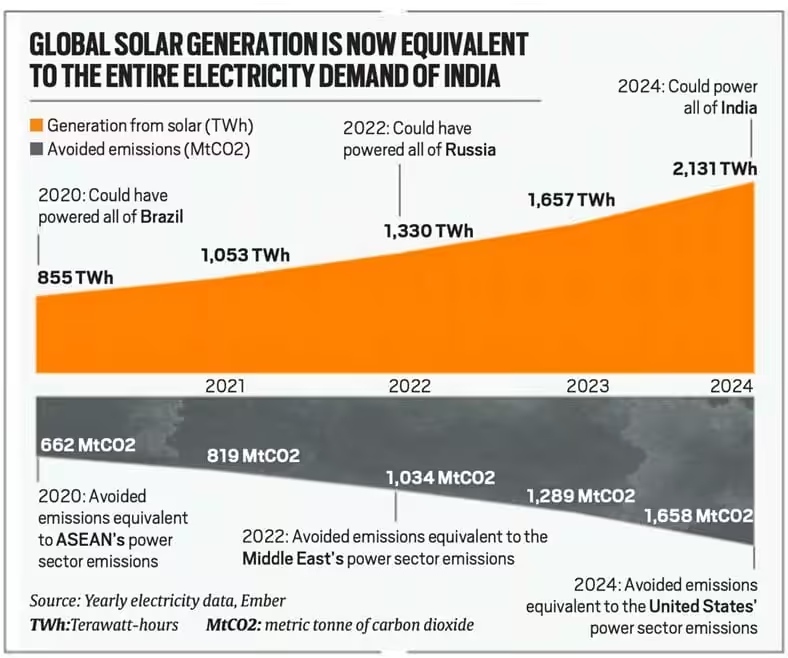
- Global renewables could more than double by the end of the decade, with 80 percent of new clean energy capacity expected to come from solar power.
- China would remain the world’s biggest growth market for renewables, with India emerging as the second largest over the decade.
India Renewable Energy Target:
- 2030 Goal: Achieve 500 GW of non-fossil fuel-based energy capacity.
- Short-Term Milestones: Reach 50% of energy capacity from renewable sources by 2030.
- Current Progress: As of January 2025, India has achieved 217.62 GW of non-fossil fuel-based energy capacity.
- Net-Zero Commitment: Attain net-zero carbon emissions by 2070.
Government schemes driving renewable energy success:
- PM Surya Ghar: Muft Bijli Yojana: Facilitated rooftop solar installations, especially in urban areas.
- Green Energy Corridor (GEC): Strengthened transmission systems for renewable energy-rich states.
- Faster Adoption and Manufacturing of Electric Vehicles (FAME): Promoted electric mobility, indirectly supporting renewable energy adoption.
- International Solar Alliance (ISA): Aimed to foster global cooperation in solar energy deployment.
- National Smart Grid Mission (NSGM): Enhanced grid integration to accommodate variable renewable energy sources.
- Hydrogen Energy Mission: Pushed for green hydrogen production as an alternative fuel.
Challenges to renewable energy in India:
- Land Acquisition Issues: Large-scale projects like solar parks face resistance from local communities over land use.
- Grid Stability: Intermittency of Renewable Energy sources like solar and wind strains grid reliability, especially during peak production.
- Storage Limitations: Lack of large-scale energy storage solutions hinders efficient utilization of renewable power.
- E-Waste Management: Rising deployment of solar panels and batteries creates challenges in end-of-life recycling.
- Resource Dependency: Dependence on imported critical minerals like lithium and cobalt affects the supply chain.
- Policy and Regulatory Hurdles: Delayed approvals and inconsistencies in state-level policies slow down project execution.
Way ahead:
- Floating Solar Projects: Utilize reservoirs and water bodies for solar installations, preserving land and enhancing efficiency.
- Decentralized Energy Systems: Promote blockchain-enabled peer-to-peer energy trading to support small-scale renewable generation.
- Green Hydrogen Push: Establish hydrogen highways and integrate surplus renewable energy for hydrogen production.
- Circular Economy for E-waste: Develop comprehensive policies for recycling solar panels and batteries to reduce environmental risks.
- Urban Renewable Energy Integration: Create incentives for rooftop solar and wind turbines in densely populated urban areas.
- Regional Energy Hubs: Establish Renewable Energy Special Economic Zones (RE-SEZs) for localized manufacturing and innovation.