The Soil of a Nation
To improve both crop and human nutrition, India needs a paradigm shift – from indiscriminate use of fertilisers to tailored and science-based soil nutrition management.
How far India has come since Independence
- In 2024-25 (FY25), India exported 20.2 million tonnes (MT) of rice in a global market of 61 MT.
- The country also runs the world’s largest food distribution programme, the PM-Garib Kalyan Yojana (PMGKY), which provides 5 kg of free rice or wheat per person per month to more than 800 million people.
- Yet, the Food Corporation of India holds about 57 MT of rice -the highest stock in 20 years and nearly four times the buffer norm of 13.54 million tonnes as of July 1.2025.
- The extreme poverty head count (those earning less than $3/day at 2021 PPP) dropped from 27.1 per cent in 2011 to just 5.3 per cent in 2022.

Persisting issues
- Malnutrition amongst children remains a challenge.
- The National Family Health Survey (NFHS5)(2019-21) reports that 35.5 per cent of children under five years of age are stunted. 32.1 per cent are underweight, and 19.3 per cent are wasted.
- Food security in India has evolved beyond merely ensuring caloric sufficiency; it must now encompass nutritional security as well.
Health of soils.
Soil micronutrient deficiencies not only impair agricultural productivity but also degrade the nutritional quality of crops.
Take zinc: Its deficiency in soils translates into low zinc content in cereals like wheat and rice, which in turn is linked to childhood stunting-long-term cognitive health, as well as the professional life of a person.
Status of Indian soils
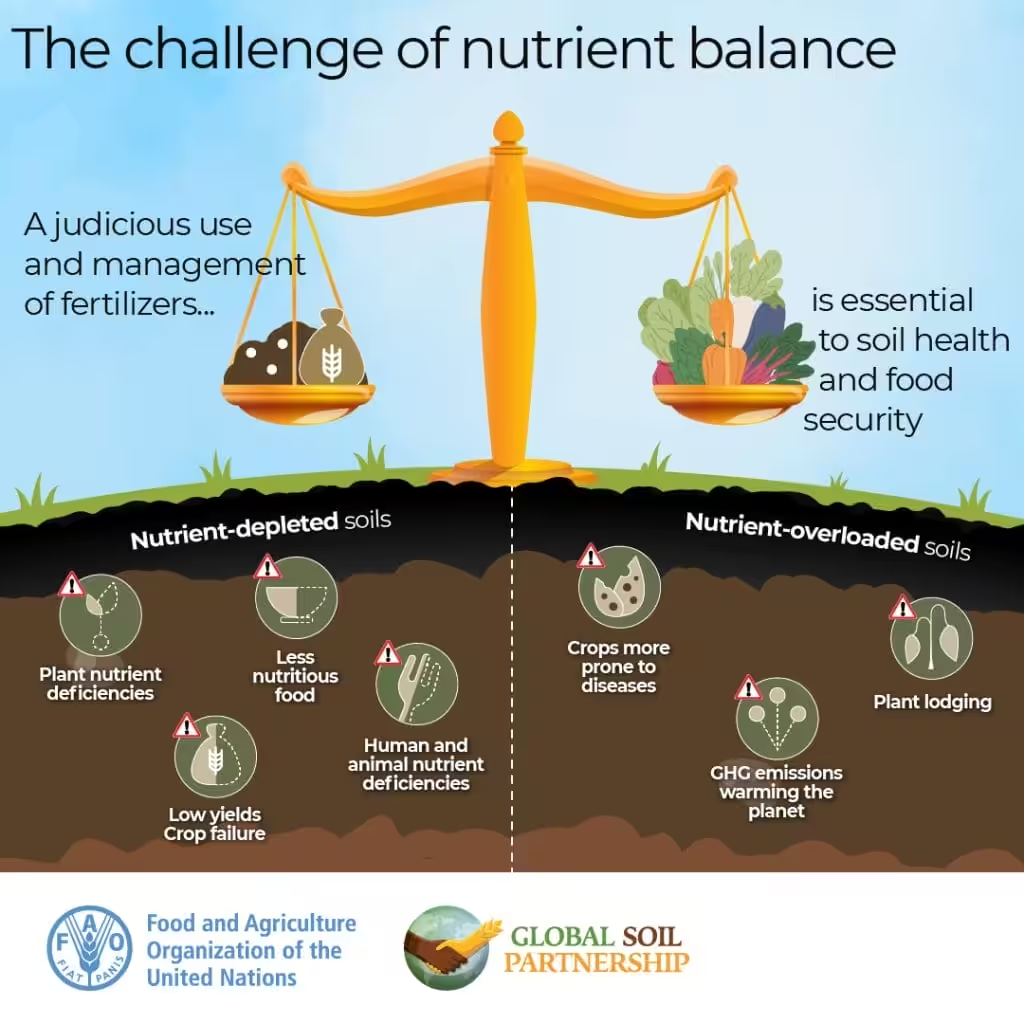
Less than 5% have high or sufficient nitrogen (N), only 40% have sufficient phosphate (P), 32% have sufficient potash (K) and just 20% are sufficient in soil organic carbon (SOC). SOC is a critical parameter defining the physical, chemical, and biological properties of soil-these govern its holding capacity and nutrient use efficiency. Our soils also suffer from a deficiency of sulphur, as well as micronutrients like iron, zinc and boron. These deficiencies range from moderate to severe. In some parts of the country, nitrogen (N) is overused while phosphorus (P) and potassium (K) are under used.
For example, in Punjab,
- Nitrogen use exceeds recommendations by 61 percent,
- Potassium use is short by 89 per cent,
- phosphorus use is short by 8 per cent.
- The highly imbalanced use of N, P and Kand the neglect of micronutrients leads to sub optimal agricultural productivity.
- Nationwide, the fertiliser-to-grain response ratio has declined significantly from 1:10 in the 1970s to a mere 1:2.7 in 2015.
A significant portion of urea is diverted to non-agricultural uses and also finds its way to neighbouring countries. The application of granular urea results in substantial nitrogen losses, with only 35-40 per cent of the nitrogen being absorbed by the crops. The remaining nitrogen is either released into the atmosphere as nitrous oxide a greenhouse gas that is 273 times more potent than carbon dioxide or leaches into groundwater, contaminating it with nitrates and making it unsafe for consumption.
To restore soil health and improve both crop and human nutrition
- The collaboration aims to develop, implement, and scale region-specific, data-driven soil nutrition solutions that enhance crop productivity while improving their nutritional profile.
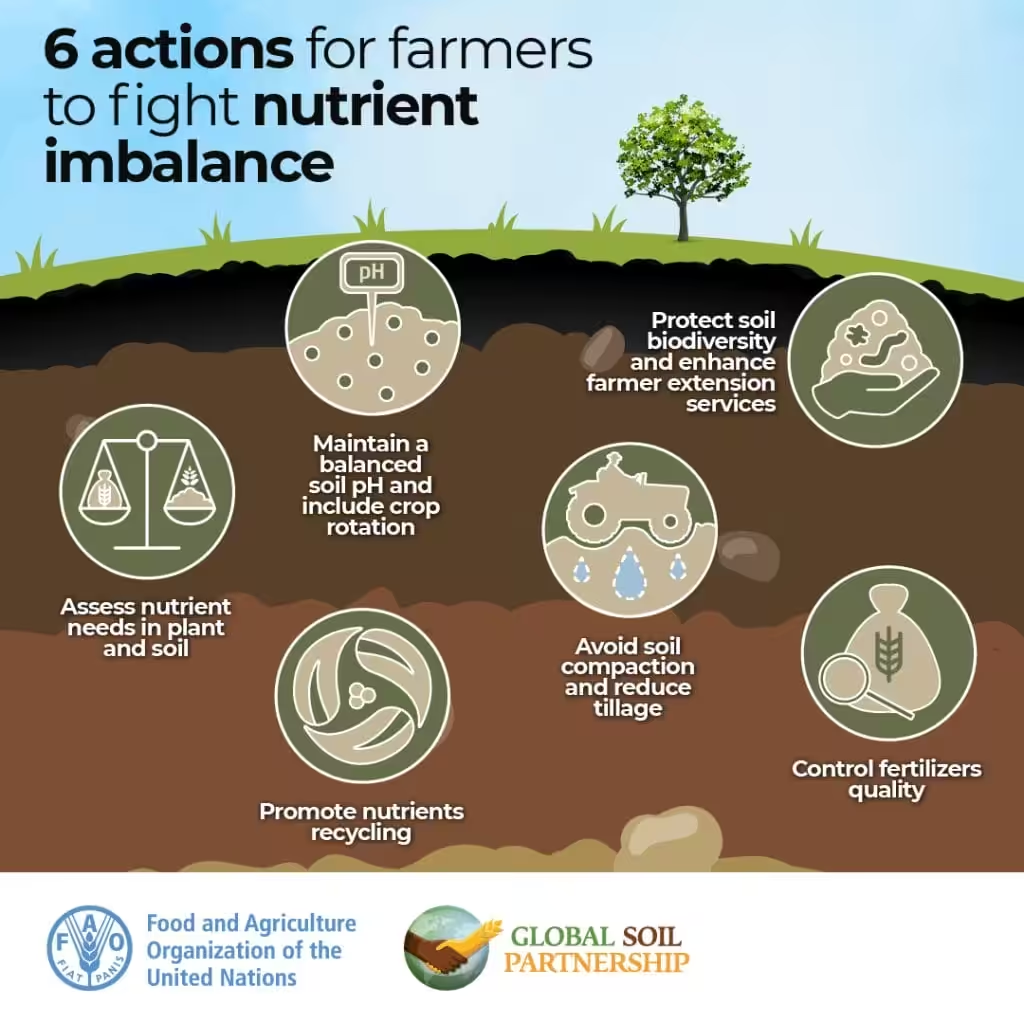
- India needs a paradigm shift-from indiscriminate use of fertilisers to tailored and science-based soil nutrition management.
- precise and customised fertilisation strategies, which are informed by rigorous soil testing and aligned with the nutritional needs of different soils and crops.
- Indian Council for Research on International Economic Relations (ICRIER) and OCP Nutricrops have committed to collaborating to improve soil health in India and beyond.