What is Extracellular RNA?
Why in News?
- Scientists reported that extracellular RNA (exRNA) from bacteria can persist in disinfected drinking water. This makes exRNA a valuable source to figure out which survival strategies worked for the bacteria. This information can be used to make better disinfectants and design more efficient antimicrobial agents.

| UPSC Relevance: (GS-3 Science and Technology: Biology & Biotechnology) Prelims: Role of extracellular RNA (exRNA); RNA & Types of RNA. |
What is RNA?
- Ribonucleic acid or RNA is a single-stranded nucleic acid. It is composed of ribose sugar, phosphate groups, and nitrogenous bases (adenine, uracil, guanine, cytosine).
- Role: RNA’s main role is to convert genetic information stored in DNA into proteins (protein synthesis). RNA helps in gene expression and can also act as an enzyme to speed up chemical reactions.
- Location: RNA is found in both the nucleus and cytoplasm of a cell, depending on its type and function. Inside the nucleus, RNA is synthesised from DNA through transcription.
- Key types of RNA include mRNA (messenger), tRNA (transfer), and rRNA (ribosomal).
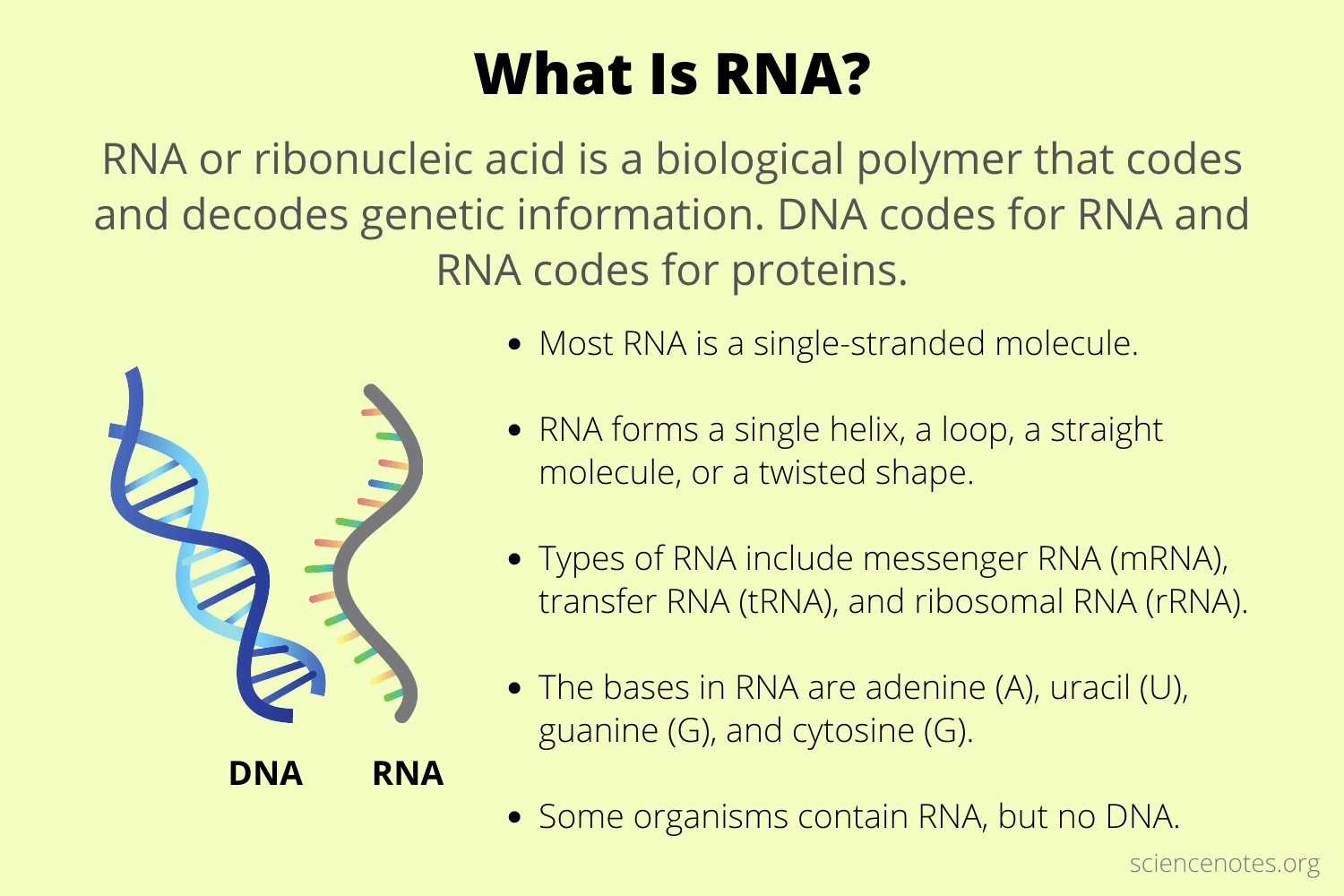
For decades, scientists believed that RNA functioned only inside the cell and that any RNA released outside would be rapidly degraded by enzymes present in body fluids.
What is extracellular RNA?
- exRNA (extracellular RNA) is RNA that exists outside cells in body fluids such as blood, saliva, urine, and cerebrospinal fluid. exRNA may be released into the extracellular environment:
- either passively during programmed cell death or unplanned cell death due to injury or disease.
- actively secreted by living cells as part of a regulated biological process.
- To survive outside the cell, exRNA travels in its own molecular containers (lipoproteins, protein complexes, etc.) that prevent enzymes from breaking it down before it reaches its destination.
- Many exRNA molecules remain biologically active and can carry specific information from their cells of origin, influencing gene expression and cellular behaviour in recipient cells. This makes exRNA a valuable source for various medical applications, as exRNA patterns in blood or saliva can indicate certain diseases.
Role of extracellular RNA:
- Medical diagnostics: As exRNA circulates in easily accessible body fluids, it can serve as a non-invasive biomarker for diseases. Doctors can detect disease-associated exRNA patterns through blood tests, saliva samples and urine tests. exRNA-based diagnostics are being explored for cancer detection, cardiovascular disease, neurological disorders, etc.
- Monitoring treatment response & public health applications: Recently, scientists reported that extracellular RNA (exRNA) from bacteria can persist in disinfected drinking water. By studying the exRNA, they could figure out which survival strategies worked for the bacteria. This can be used to make better disinfectants and design more efficient antimicrobial agents.
Practice MCQ
Q. Consider the following statements:
1. RNA is primarily found in the nucleus and cytoplasm in humans.
2. Extracellular DNA can be found either inside or outside the nucleus of a cell.
3. It is always a degraded and non-functional cellular waste.
Which of the statements given above is/are correct?
(a) 1 only
(b) 2 only
(c) 1 and 2 only
(d) 2 and 3 only
Answer: (a)
UPSC PYQ 2019
Q. ‘RNA interference (RNAi)’ technology has gained popularity in the last few years. Why?
(1) It is used in developing gene silencing therapies.
(2) It can be used in developing therapies for the treatment of cancer.
(3) It can be used to develop hormone replacement therapies.
(4) It can be used to produce crop plants that are resistant to viral pathogens.
Select the correct answer using the code given below.
(a) 1, 2 and 4
(b) 2 and 3
(c) 1 and 3
(d) 1 and 4 only
Answer: (a)
UPSC PYQ 2016
Q. In the context of the developments in Bioinformatics, the term ‘transcriptome’, sometimes seen in the news, refers to:
(a) a range of enzymes used in genome editing
(b) the full range of mRNA molecules expressed by an organism
(c) the description of the mechanism of gene expression
(d) a mechanism of genetic mutations taking place in cells
Answer: (b)