Anaemia Mukt Bharat: The 6×6×6 Strategy Explained for UPSC
Anaemia Mukt Bharat is India's national strategy to reduce anaemia among children, adolescents and women using the 6×6×6 framework — six interventions, six target groups, six institutional mechanisms. Full UPSC explainer with NFHS-5 data, IFA strategy, Test-Treat-Talk and state performance dashboard.
Anaemia Mukt Bharat is India’s national strategy to reduce anaemia across the life cycle, launched in 2018 by the Ministry of Health and Family Welfare. Built on a 6×6×6 framework — six interventions, six target beneficiary groups and six institutional mechanisms — Anaemia Mukt Bharat targets pregnant women, lactating mothers, adolescents and children with iron–folic acid (IFA) supplementation, deworming, behaviour change and treatment of severe anaemia. The mission was triggered by the embarrassing data from successive National Family Health Survey (NFHS) rounds — by NFHS-5 (2019–21), 57 percent of women aged 15–49, 59.1 percent of adolescent girls and a staggering 67.1 percent of children aged 6–59 months were anaemic. Anaemia Mukt Bharat is the operational arm of the broader POSHAN Abhiyaan nutrition mission and is one of the most heavily watched indicators on the central health dashboard.
For UPSC, Anaemia Mukt Bharat sits across GS-II welfare schemes for women and children, GS-III food security and public health, and the Social Justice optional. The fact that anaemia prevalence rose between NFHS-4 and NFHS-5 makes it a frequent essay and interview talking point on why mass supplementation programmes underperform.
Background: India’s Anaemia Burden
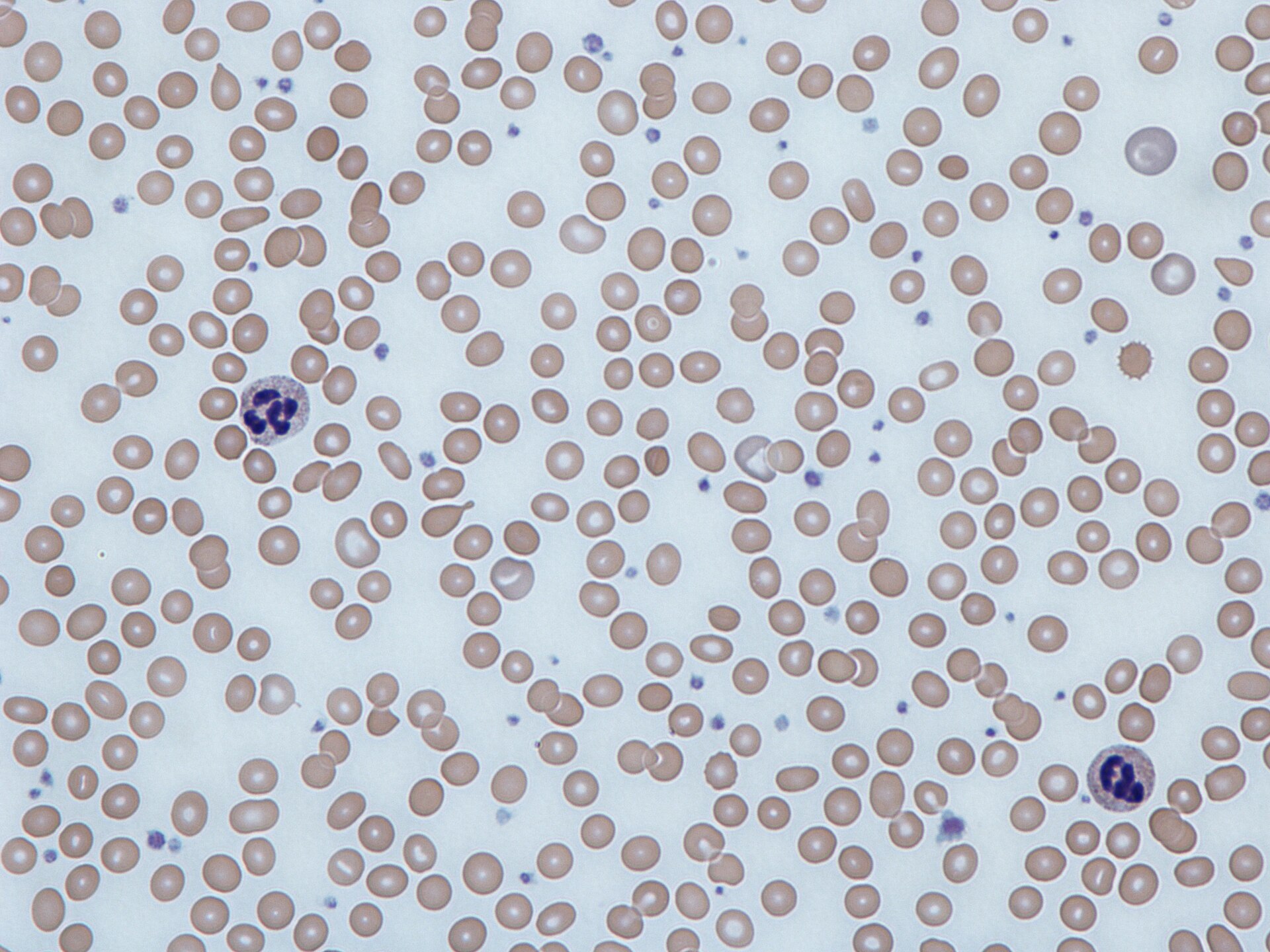
Anaemia is a condition where the haemoglobin level in blood falls below the age and sex-specific cut-offs set by the World Health Organisation — under 11 g/dl for children under five and pregnant women, under 12 g/dl for non-pregnant women. The most common cause in India is iron deficiency, but folate, vitamin B12 deficiency, haemoglobinopathies (thalassaemia, sickle cell) and chronic disease all contribute. Anaemia in pregnancy increases maternal mortality, low birth weight and infant mortality; in children it impairs cognitive development; in adolescents it reduces productivity and school performance.
The history of India’s anaemia programme goes back to the National Nutritional Anaemia Prophylaxis Programme of 1970, the Adolescent Anaemia Control Programme and the National Iron Plus Initiative (NIPI) of 2013. These earlier programmes covered fewer beneficiary groups, used weaker supply chains and had no measurement system. Anaemia Mukt Bharat consolidates them under a single framework with a public dashboard.
Why Anaemia Mukt Bharat Was Needed
NFHS-4 (2015–16) data showed anaemia prevalence had stagnated or worsened across every life-cycle group. Existing programmes were not reaching beneficiaries — IFA tablets were stocked out, deworming was not synchronised, and adolescent coverage was patchy. Anaemia Mukt Bharat was designed to fix the delivery problem, not redesign the science.
The 6×6×6 Strategy
The defining feature of Anaemia Mukt Bharat is its 6×6×6 framework. UPSC questions on AMB almost always test this.
Six Beneficiary Groups
- children aged 6–59 months
- children aged 5–9 years
- adolescent girls and boys aged 10–19 years
- women in the reproductive age group (20–49 years)
- pregnant women
- lactating mothers
Six Interventions
- prophylactic iron and folic acid supplementation
- deworming with albendazole
- intensified year-round behaviour change communication, including the Test–Treat–Talk approach
- testing of anaemia using digital invasive haemoglobinometers and treatment of non-severe and severe anaemia
- mandatory provision of iron-folic acid fortified foods in public health programmes
- intensifying awareness, screening and treatment of non-nutritional causes of anaemia in endemic pockets — malaria, haemoglobinopathies and fluorosis
Six Institutional Mechanisms
- intra-ministerial coordination
- convergence with other ministries
- strengthening supply chain and logistics
- strengthening reporting through the Anaemia Mukt Bharat dashboard
- inter-sectoral convergence with WCD, education and Panchayati Raj
- robust monitoring and evaluation by NITI Aayog and external agencies
Iron and Folic Acid Supplementation
The backbone of Anaemia Mukt Bharat is age-appropriate iron and folic acid supplementation. Children 6–59 months receive 1 ml of IFA syrup biweekly through Anganwadi centres. School-going children 5–9 receive a pink IFA tablet weekly. Adolescents 10–19 receive a blue IFA tablet weekly under the Weekly Iron and Folic Acid Supplementation (WIFS) programme run through schools and Anganwadis. Pregnant and lactating women receive red IFA tablets daily from the fourth month of pregnancy for 180 days and another 180 days post-partum.
Coverage is tracked through the Health Management Information System (HMIS) and the AMB dashboard at anemiamuktbharat.info.
Test, Treat and Talk
Test–Treat–Talk is the clinical pillar. Every pregnant woman is tested for haemoglobin at her first antenatal visit using a digital haemoglobinometer at the sub-centre. Anaemia is classified as mild (10–10.9 g/dl), moderate (7–9.9 g/dl) or severe (under 7 g/dl). Mild and moderate cases get oral IFA and counselling; severe cases get intravenous iron sucrose at the Community Health Centre or referral to a District Hospital. Adolescent girls are screened at schools. Children under five are screened at Anganwadi centres and Village Health, Sanitation and Nutrition Days.
The Talk component is structured counselling at every contact point — antenatal clinic, school, Anganwadi — on dietary diversity, IFA compliance, side effects (constipation, black stools) and the importance of completing the course.
AMB Dashboard
The Anaemia Mukt Bharat dashboard publishes a real-time scorecard for states and districts, ranking them on an index built from coverage of IFA across the six beneficiary groups, deworming coverage and behaviour change activities. The dashboard creates competitive federalism — Madhya Pradesh, Haryana, Odisha and Andhra Pradesh have alternated at the top, while Jharkhand, Assam and Tripura have struggled. The index publishes quarterly and is closely watched in NITI Aayog’s Aspirational Districts Programme.
NFHS-5: What the Numbers Say
NFHS-5 (2019–21) was the first national survey after AMB was launched. The verdict was sobering — anaemia worsened in every life-cycle group.
- Children 6–59 months: anaemia rose from 58.6 percent (NFHS-4) to 67.1 percent
- Women 15–49: rose from 53.1 to 57 percent
- Pregnant women 15–49: rose from 50.4 to 52.2 percent
- Men 15–49: rose from 23.2 to 25 percent
Severe anaemia in children also rose. Field studies suggest the worsening reflects pandemic-era disruption of Anganwadi services, switching of measurement methodology from invasive venous to capillary blood, and dietary changes — but they are warning signals, not vindication.
Convergence With Other Schemes
Anaemia Mukt Bharat overlaps tightly with other public health and nutrition missions. Iron-fortified rice under PDS, ICDS and Mid-Day Meal is part of the food fortification in India push. Anganwadi-based IFA syrup distribution rides on POSHAN Abhiyaan infrastructure. Linkage with the Ayushman Bharat Digital Mission Health Account is the next planned step to track adolescent IFA compliance across migration.
Challenges Before Anaemia Mukt Bharat
- IFA tablet stockouts at sub-centres in difficult-terrain districts
- Compliance: 30–40 percent of pregnant women report consuming the full 180-day course
- Side effects (nausea, constipation) cause discontinuation
- Adolescents in private and unaided schools fall outside WIFS
- Non-nutritional causes — malaria, hookworm, haemoglobinopathies — are unevenly addressed
- Measurement variability between digital and venous haemoglobinometers
- Data fatigue at sub-centre level — multiple registers, weak validation
Way Forward
- Universal screening at all entry points (school, Anganwadi, antenatal clinic) using calibrated devices
- Switching to point-of-care intravenous iron sucrose at PHCs for moderate anaemia
- Expanding rice fortification under PDS in all aspirational districts
- Behaviour change tied to local dietary habits and millet promotion
- Integration with sickle cell screening in tribal blocks under the National Sickle Cell Anaemia Elimination Mission
- ABDM Health Account linkage to follow individual adolescent compliance
- Strengthening AMB monitoring under POSHAN 2.0
Conclusion
Anaemia Mukt Bharat is the most ambitious anaemia-control programme any large country has launched. The 6×6×6 design is technically sound and the dashboard creates accountability, yet NFHS-5 shows the system has not yet cracked the compliance and supply-chain problem. For UPSC, Anaemia Mukt Bharat is the canonical example of a well-designed public health mission whose implementation gap is the binding constraint, and a reminder that nutritional outcomes need behaviour change as much as supply.
Frequently Asked Questions
What is Anaemia Mukt Bharat?
Anaemia Mukt Bharat is the Government of India’s national strategy launched in 2018 to reduce anaemia across the life cycle using a 6×6×6 framework of six interventions, six beneficiary groups and six institutional mechanisms.
What is the 6×6×6 strategy of Anaemia Mukt Bharat?
It refers to six target beneficiary groups (children 6–59 months, children 5–9, adolescents, women, pregnant women, lactating mothers), six interventions (IFA, deworming, BCC, Test–Treat–Talk, fortified foods, non-nutritional causes) and six institutional mechanisms (coordination, supply chain, dashboard, convergence, monitoring, communication).
What does NFHS-5 say about anaemia in India?
NFHS-5 reports 67.1 percent prevalence in children 6–59 months, 57 percent in women 15–49 and 52.2 percent in pregnant women — higher than NFHS-4 across the board.
What is Test, Treat and Talk under Anaemia Mukt Bharat?
It is the clinical pillar requiring haemoglobin testing at every contact, treatment with oral or intravenous iron based on severity, and structured counselling on diet and compliance.
What is the WIFS programme?
The Weekly Iron and Folic Acid Supplementation programme provides one IFA tablet weekly to adolescents aged 10–19 through schools and Anganwadi centres.
Which ministry runs Anaemia Mukt Bharat?
The Ministry of Health and Family Welfare runs Anaemia Mukt Bharat in convergence with the Ministry of Women and Child Development for ICDS and Anganwadi-based interventions.
Why has anaemia worsened despite Anaemia Mukt Bharat?
Pandemic disruption of Anganwadis, IFA stockouts, compliance fatigue, measurement methodology change and non-nutritional causes (malaria, hookworm, haemoglobinopathies) are all contributing factors.
What is the AMB dashboard?
The Anaemia Mukt Bharat dashboard at anemiamuktbharat.info publishes a quarterly index ranking states and districts on coverage of IFA, deworming and behaviour change activities, creating competitive federalism.