Daily Digest
UPSC · Civil Services Examination
Current Affairs · Wednesday, 15 October 2025
Current affairs curated and edited by Anantam IAS faculty — pulled from The Hindu, PIB, IDSA, Foreign Affairs and the ministries. Read, annotate, revise.
Old Rajinder Nagar · Delhi 110005 · anantamias.com
Elephant Population

Context:
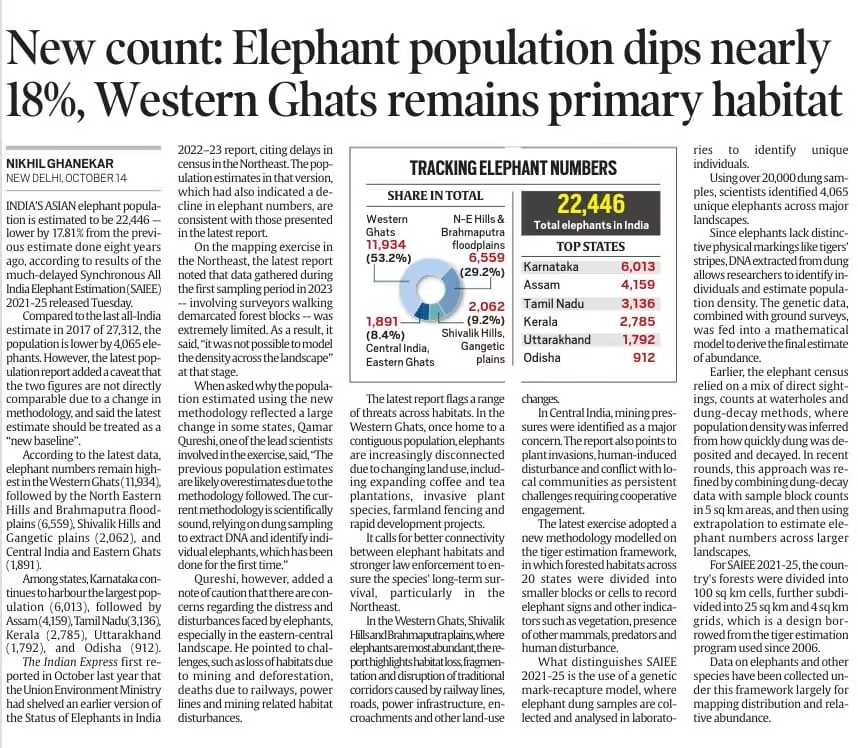
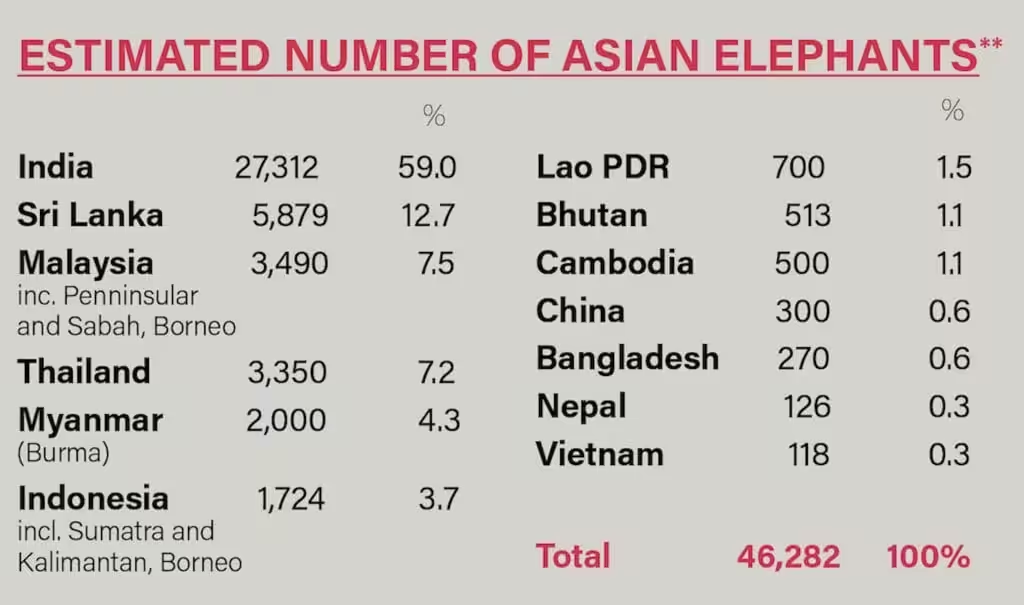
The All India Elephant Estimation (SAIEE) 2021–25 report, released by the Ministry of Environment, Forest and Climate Change, has revealed that India’s elephant population has declined by nearly 18%, dropping from 27,312 in 2017 to 22,446 in 2025.
UPSC Relevance:
Species in news and report related to species
UPSC PYQ:
Q. With reference to Indian elephants, consider the following statements: (2020)
- The leader of an elephant group is a female.
- The maximum gestation period can be 22 months.
- An elephant can normally go on calving till the age of 40 years only.
- Among the States in India, the highest elephant population is in Kerala.
Which of the statements given above is/are correct?
(a) 1 and 2 only
(b) 2 and 4 only
(c) 3 only
(d) 1, 3 and 4 only
About Asiatic Elephant:

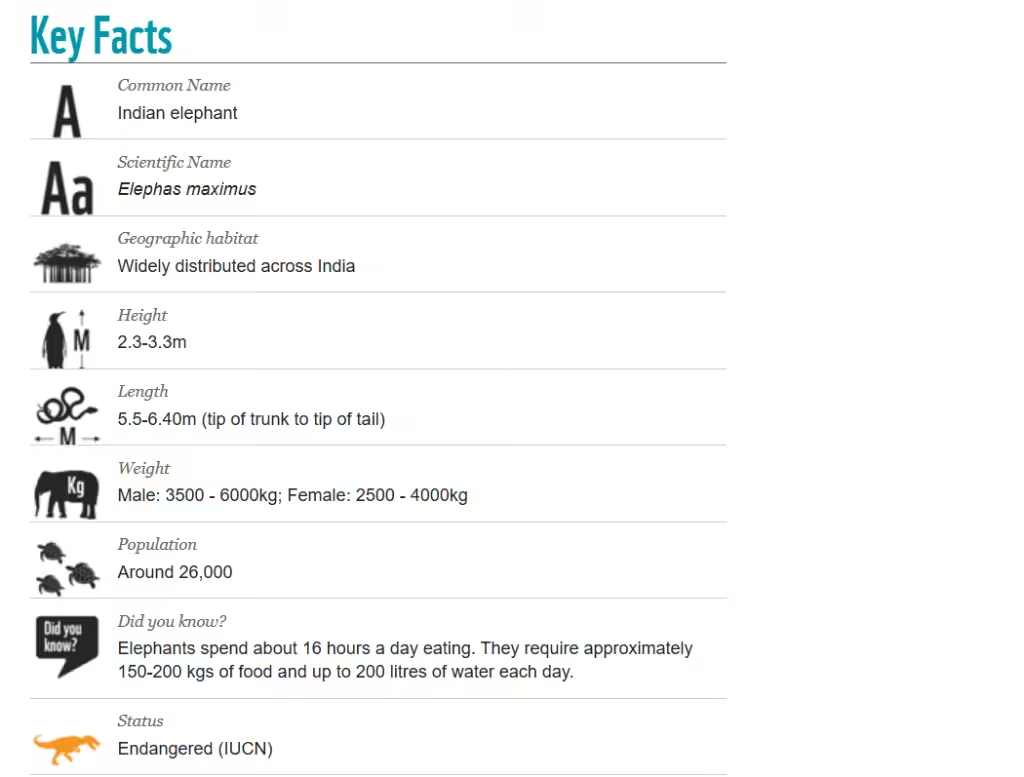
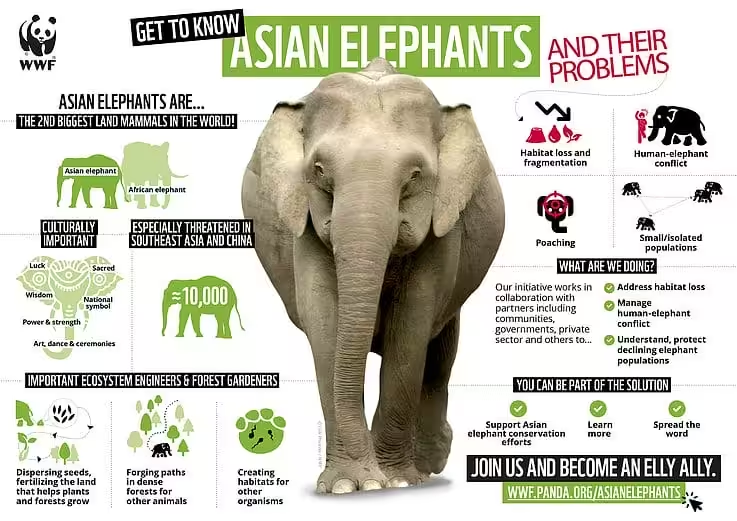
- The Asian elephant is the largest land mammal on the Asian continent.
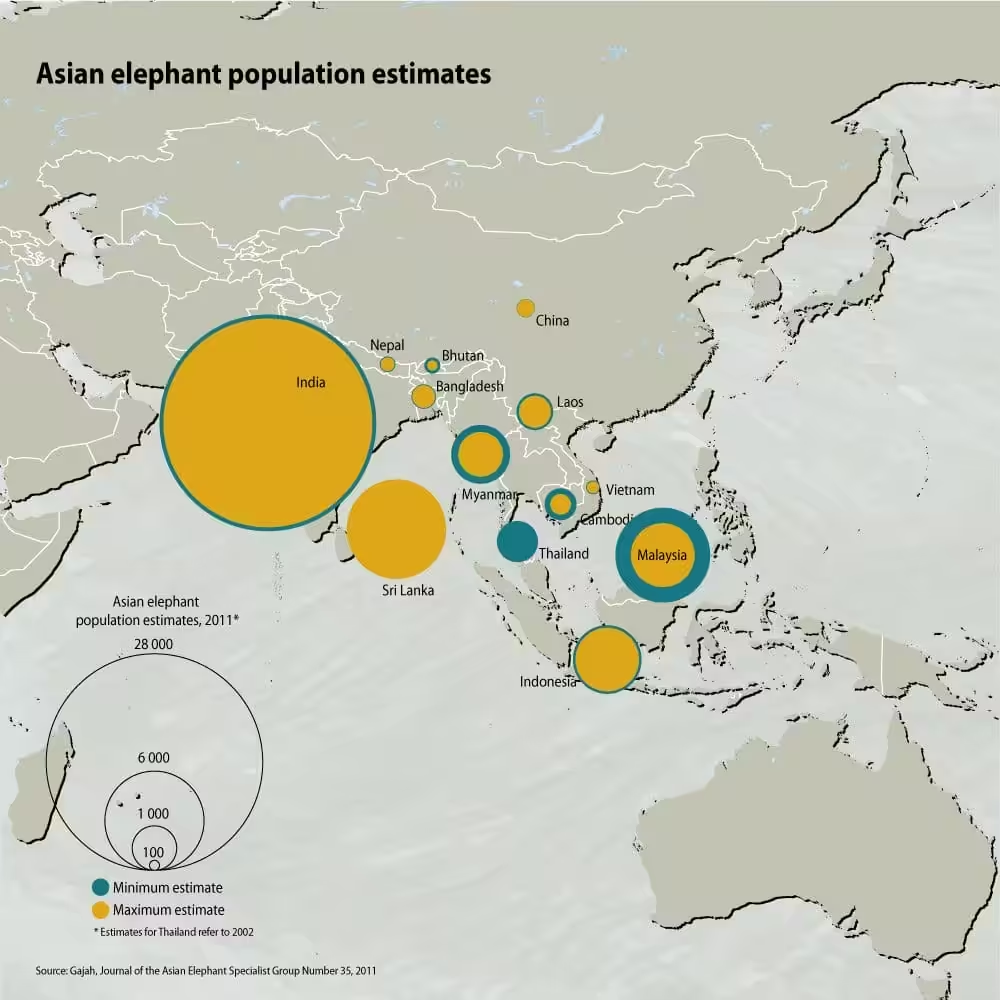
- They inhabit dry to wet forest and grassland habitats in 13 range countries spanning South and Southeast Asia.
- Asian elephants are extremely sociable, forming groups of six to seven related females that are led by the oldest female, the matriarch.
- In Asia, elephant herd sizes are significantly smaller than those of savannah elephants in Africa.
- Females become sexually mature at 15, depending on their nutrition intake. Males between the ages of 9 and 13 disperse from the matriarchal group and establish their independent home range.
- Males and females can live up to 60-70 years in the wild.
- Gestation is between 21.5 and 22 months, the longest gestation period for any animal.
- India has the largest population of Asian elephants, with Karnataka being the state with the highest number, followed by Assam and Tamil Nadu.
Source: https://anantamias.com/current-affairs/elephant-population/
GRAP and AQI

Context:
For the first time in four months, Delhi’s air quality has deteriorated to the ‘Poor’ category.
According to the Central Pollution Control Board (CPCB), the city’s Air Quality Index (AQI) reached 221, prompting authorities to activate Stage-1 of the Graded Response Action Plan (GRAP).
UPSC Relevance:
Environmental Pollution and Govt. Steps to control pollution, AQI, GRAP etc.
UPSC PYQ:
In the cities of our country, which among the following atmospheric gases are normally considered in calculating the value of the Air Quality Index? (2016)
- Carbon dioxide
- Carbon monoxide
- Nitrogen dioxide
- Sulphur dioxide
- Methane
Select the correct answer using the code given below:
(a) 1, 2 and 3 only
(b) 2, 3 and 4 only
(c) 1, 4 and 5 only
(d) 1, 2, 3, 4 and 5
About Graded Response Action Plan(GRAP):
- Commission for Air Quality Management in NCR and Adjoining Areas (CAQM) revises the GRAP schedule to further strengthen the measures to particularly combat the generally adverse air quality scenario in winter months in Delhi-NCR.
- It collaborates with the Ministry of Environment, Forest and Climate Change (MoEFCC)
GRAP is an emergency response mechanism for entire NCR, based on Average AQI levels in Delhi that brings together multiple stakeholders, implementing agencies and authorities to respond to situations of deteriorating air quality in Delhi-NCR. GRAP for NCR has been formulated after careful consideration of scientific data, stakeholder inputs, expert recommendations along with field experience and learnings in the past years.
Different stages of GRAP: GRAP consists of four stages, each with targeted actions to be taken by the necessary authorities and agencies.
These are the following:
Stage I: “Poor” air quality (Delhi AQI: 201-300)
Stage II: “Very Poor” air quality (Delhi AQI: 301-400)
Stage III: “Severe” air quality (Delhi AQI: 401-450)
Stage IV: “Severe+” air quality (Delhi AQI > 450)
Air Quality Index (AQI):
What is AQI:
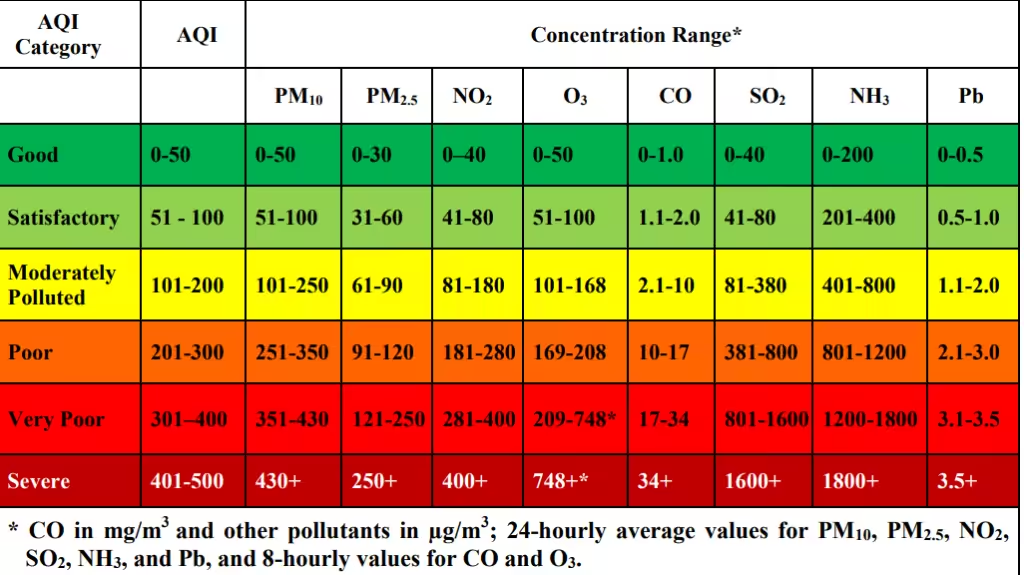
- Air Quality Index is a tool for effective communication of air quality status to people in terms, which are easy to understand. It transforms complex air quality data of various pollutants into a single number (index value), nomenclature and colour.
AQI categories:
- Good
- Satisfactory
- Moderately polluted
- Poor
- Very Poor
- Severe
Eight pollutants:
- PM10
- PM2.5
- NO2
- SO2
- CO
- O3
- NH3
- Pb
How is AQI calculated?
- The Sub-indices for individual pollutants at a monitoring location are calculated using its 24-hourly average concentration value (8-hourly in case of CO and O3) and health breakpoint concentration range.
Source: https://anantamias.com/current-affairs/grap-and-aqi/