Elephant Population

Context:
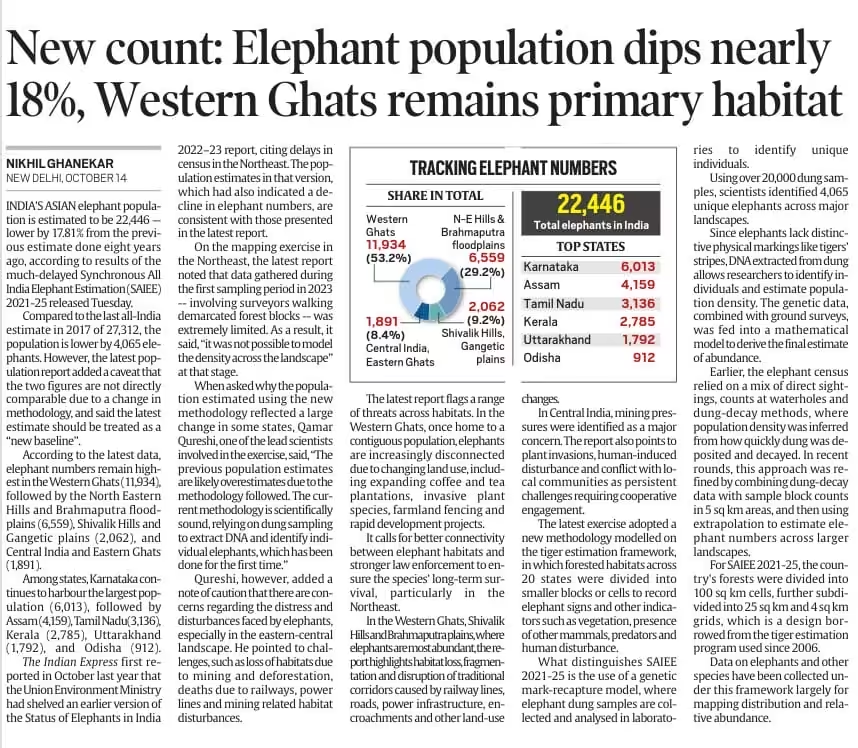
The All India Elephant Estimation (SAIEE) 2021–25 report, released by the Ministry of Environment, Forest and Climate Change, has revealed that India’s elephant population has declined by nearly 18%, dropping from 27,312 in 2017 to 22,446 in 2025.
UPSC Relevance:
Species in news and report related to species
UPSC PYQ:
Q. With reference to Indian elephants, consider the following statements: (2020)
- The leader of an elephant group is a female.
- The maximum gestation period can be 22 months.
- An elephant can normally go on calving till the age of 40 years only.
- Among the States in India, the highest elephant population is in Kerala.
Which of the statements given above is/are correct?
(a) 1 and 2 only
(b) 2 and 4 only
(c) 3 only
(d) 1, 3 and 4 only
About Asiatic Elephant:
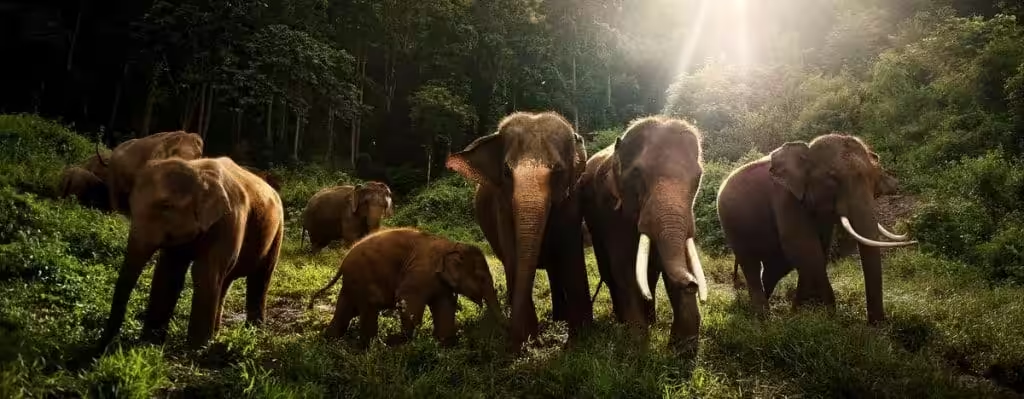
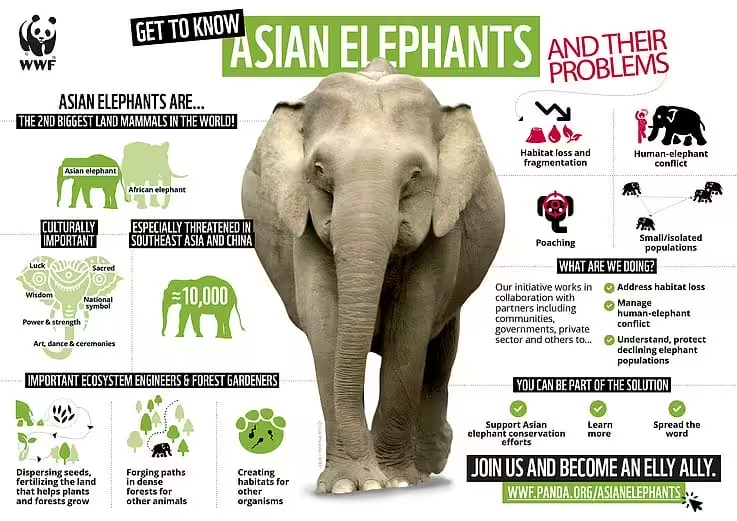
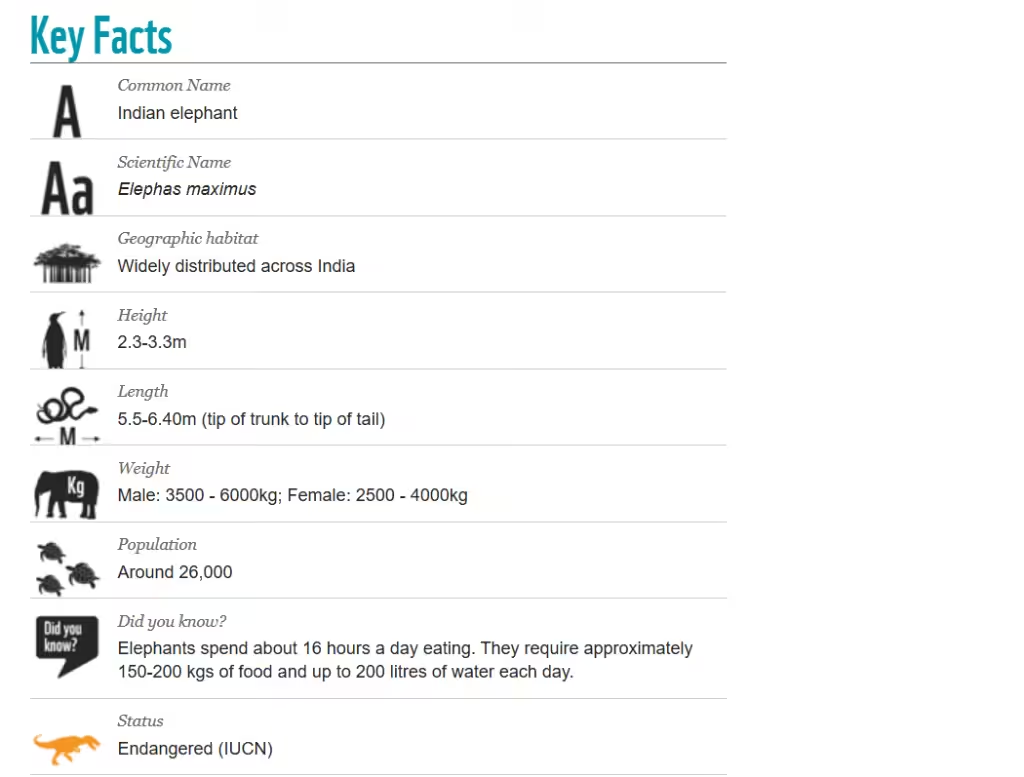
- The Asian elephant is the largest land mammal on the Asian continent.
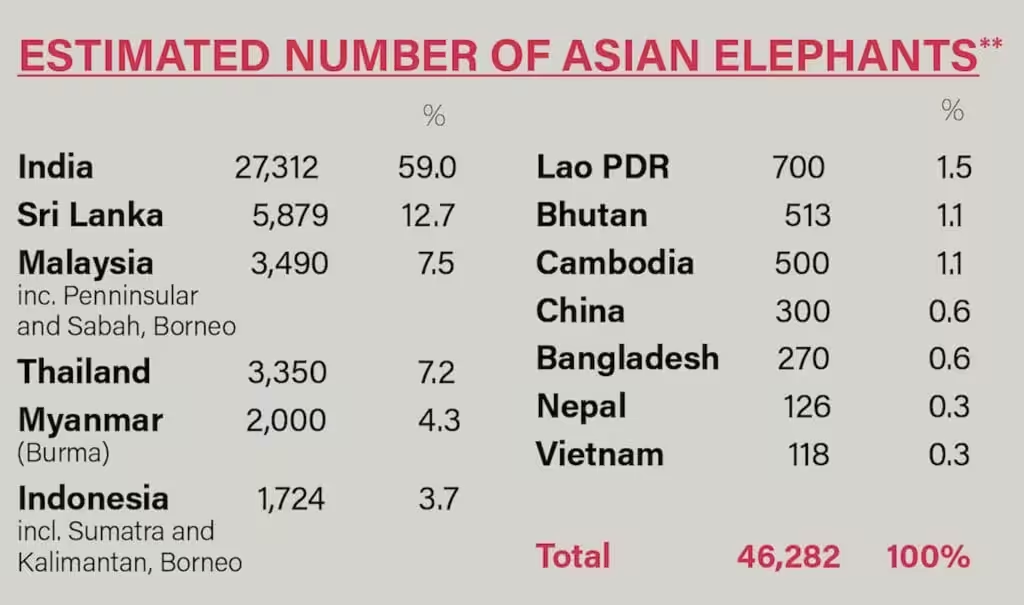
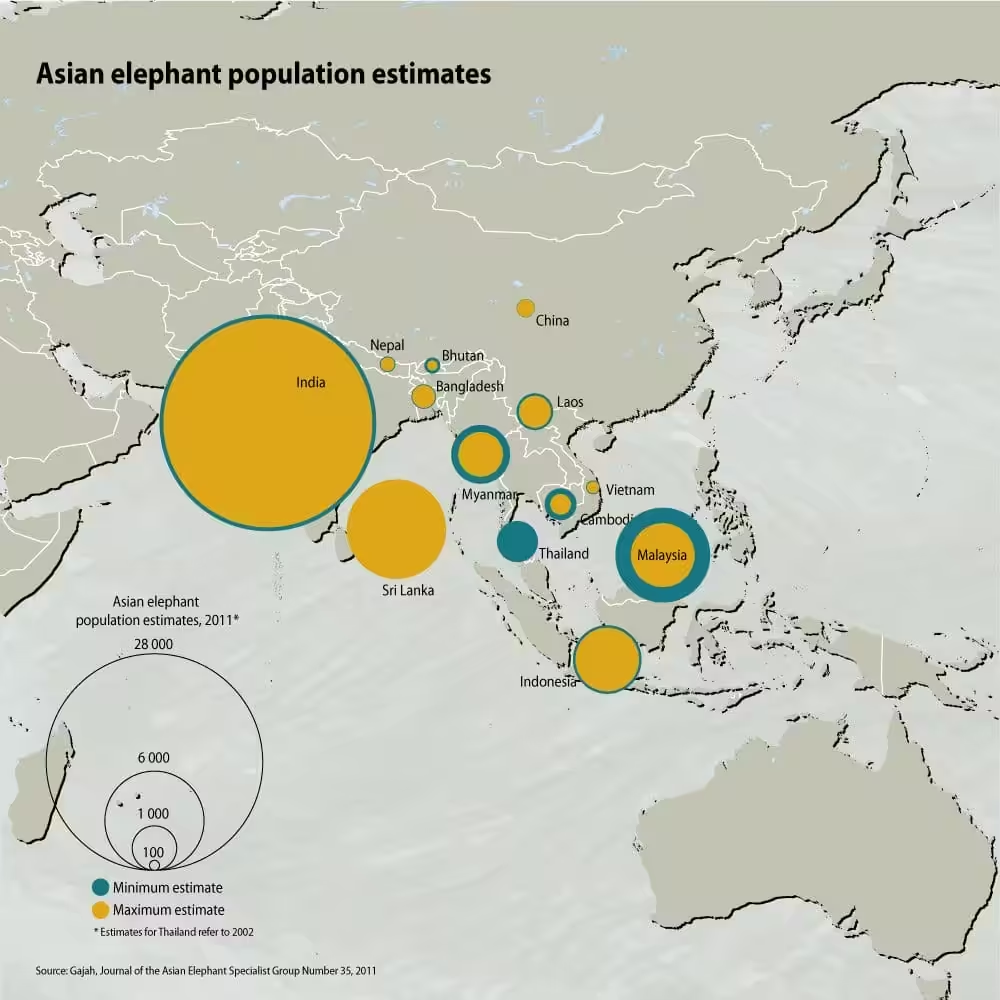
- They inhabit dry to wet forest and grassland habitats in 13 range countries spanning South and Southeast Asia.
- Asian elephants are extremely sociable, forming groups of six to seven related females that are led by the oldest female, the matriarch.
- In Asia, elephant herd sizes are significantly smaller than those of savannah elephants in Africa.
- Females become sexually mature at 15, depending on their nutrition intake. Males between the ages of 9 and 13 disperse from the matriarchal group and establish their independent home range.
- Males and females can live up to 60-70 years in the wild.
- Gestation is between 21.5 and 22 months, the longest gestation period for any animal.
- India has the largest population of Asian elephants, with Karnataka being the state with the highest number, followed by Assam and Tamil Nadu.