Great Nicobar Mega-Project and Forest Rights Act
Why in News?
The ₹81,000-crore Great Nicobar Island (GNI) Mega Project has come under judicial scrutiny before the Port Blair Circuit Bench of the Calcutta High Court, over alleged violations of the Forest Rights Act (FRA), 2006, while obtaining tribal consent for diversion of forest land.
Public Interest Litigations (PILs) allege that the Andaman and Nicobar administration bypassed mandatory procedures under the FRA through flawed Gram Sabha resolutions, inadequate tribal representation, and failure to meet the legally required quorum.
| UPSC Relevance: GS-3 Economy: Infrastructure; GS-3 Environment and Biodiversity: Conservation, Forest Rights Prelims: Forest Rights Act (FRA), 2006, Shompen Tribe Mains: Great Nicobar Project: Location, concerns & significance. |
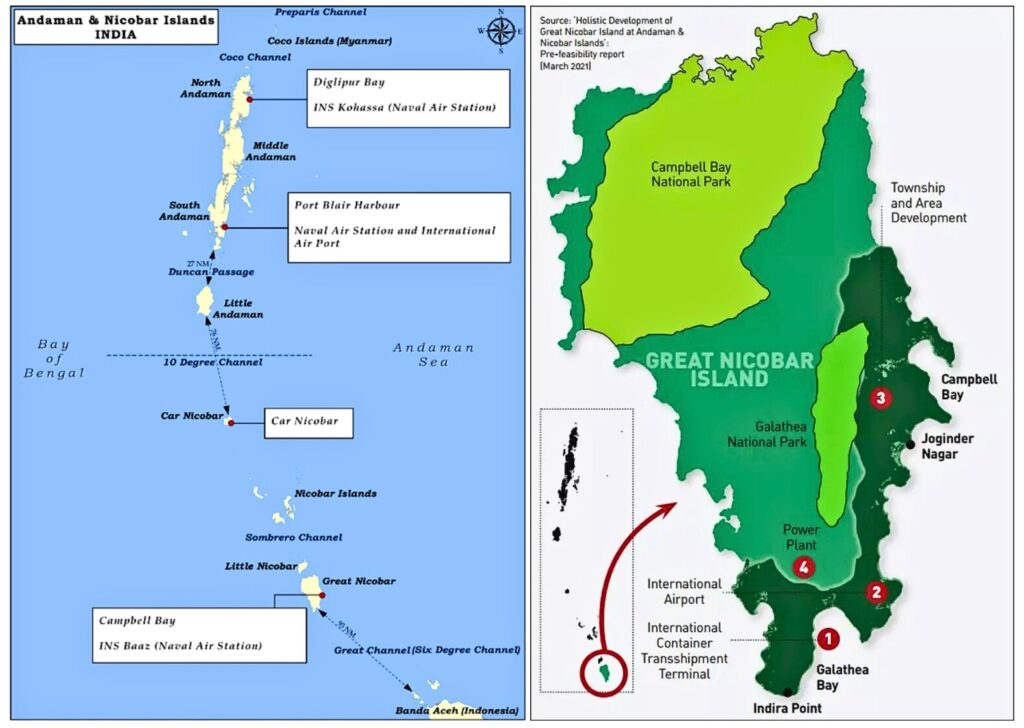
The Great Nicobar Project is a large-scale infrastructure initiative proposed by the Union Government to transform Great Nicobar Island into a strategic and economic hub in the Indo-Pacific region.
Read more: https://anantamias.com/current-affairs/the-great-nicobar-project/
Forest Rights Act (FRA), 2006:
- The Forest Rights Act (FRA), 2006, recognises the rights of the forest-dwelling tribal communities and other traditional forest dwellers, who have lived in forests for at least three generations, to forest resources and other socio-cultural needs.
- The rights recognised under the FRA:
- Individual forest rights
- Community forest rights
- Rights over minor forest produce
- Grazing and fishing rights
- Rights to protect and conserve forests
- Habitat rights for PVTGs
- Before forest land can be diverted for projects, the Forest rights claims must be identified and settled. Gram Sabha consent is mandatory. The consent must be free, prior, and informed.
Key Issues before the Calcutta High Court:
- Alleged Violation of Gram Sabha Procedures: The petition alleges that gram sabhas lacked legal validity. Meetings failed to achieve the mandatory 50% quorum. Attendance reportedly ranged between only 1% and 12%.
- Questionable Tribal Representation:
- Shompen Tribe Consent: The petition argues that the consent for the Shompen tribe was allegedly provided by an officer of the Andaman Adim Janjati Vikas Samiti (AAJVS), not by tribe members themselves.
- Nicobarese Tribal Council Issue: Consent allegedly obtained through the Tribal Council Chairperson is contested. Petitioners argue that the chairperson cannot legally represent the entire community without collective approval.
- Non-Settlement of Forest Rights: The plea argues that no proper settlement of forest rights claims took place before granting forest clearance. The Recognition of Forest Rights (RoFR) certificates were issued without due process.
- Legality of the Sub-Divisional Level Committee (SDLC): The FRA Rules require adequate Scheduled Tribe representation in SDLCs. The petition alleges the committee lacked the mandated tribal representation. The required inclusion of women and tribal members was inadequate.
Who are the Shompen Tribe?
- The Shompen are a Particularly Vulnerable Tribal Group (PVTG) and are largely isolated from mainstream administration. Numbering only about 237-300 individuals, they are semi-nomadic hunter-gatherers who inhabit the interior forests of Great Nicobar. Their language has not been fully deciphered. They have no immunity to diseases common in the outside world.
- Existential Risk: The project is projected to increase the island’s population from ~9,000 to over 3,50,000 by 2050. Three Shompen settlements lie within the proposed development area, including their foraging and hunting territories. The 1972 settlement of ex-servicemen on the island’s east coast already forced the Shompen deeper into the forests, a precedent that raises serious concerns about further displacement.
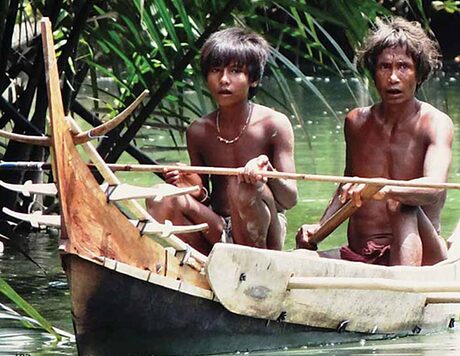
The government states that no displacement of tribal communities is proposed. The project claims to be aligned with the Shompen Policy of 2015 and the Jarawa Policy of 2004, with consultations conducted through the Ministry of Tribal Affairs, AAJVS, and the Anthropological Survey of India.