Methane Emission

Context:
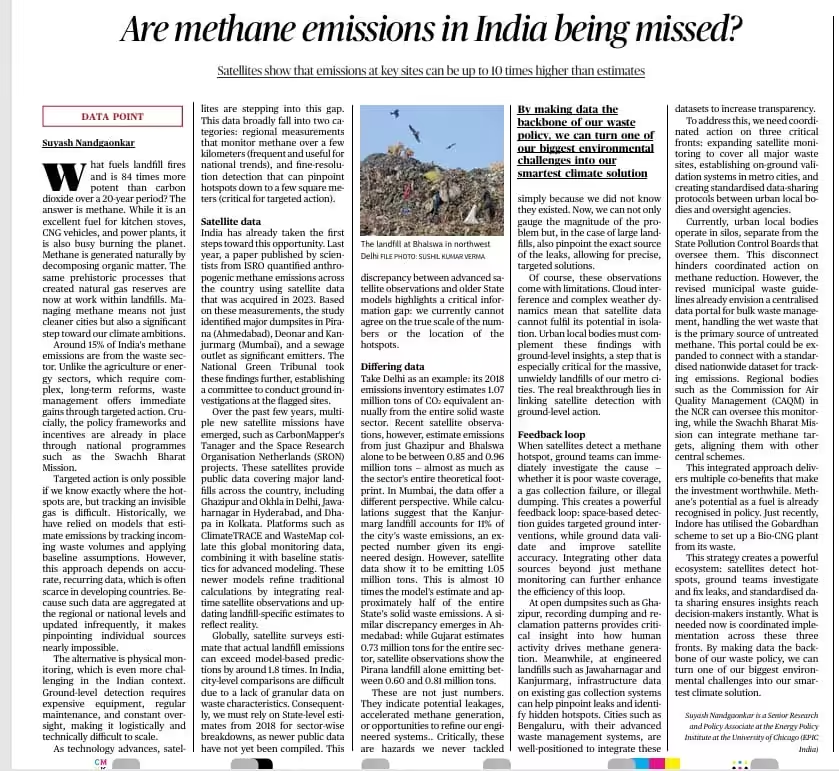
India’s methane emissions are significantly under-estimated in official inventories. Satellite observations reveal that methane leaks at key sites may be up to 10 times higher than current estimates based on ground data and models.
UPSC Relevance:
Environment
UPSC PYQ:
Q. With reference to the Agreement at the UNFCCC Meeting in Paris in 2015, which of the following statements is/are correct? (2016)
- The Agreement was signed by all the member countries of the UN and it will go into effect in 2017.
- The Agreement aims to limit the greenhouse gas emissions so that the rise in average global temperature by the end of this century does not exceed 2ºC or even 1.5ºC above pre-industrial levels.
- Developed countries acknowledged their historical responsibility in global warming and committed to donate $ 1000 billion a year from 2020 to help developing countries to cope with climate change.
Select the correct answer using the code given below:
(a) 1 and 3 only
(b) 2 only
(c) 2 and 3 only
(d) 1, 2 and 3
About Methane Emission:
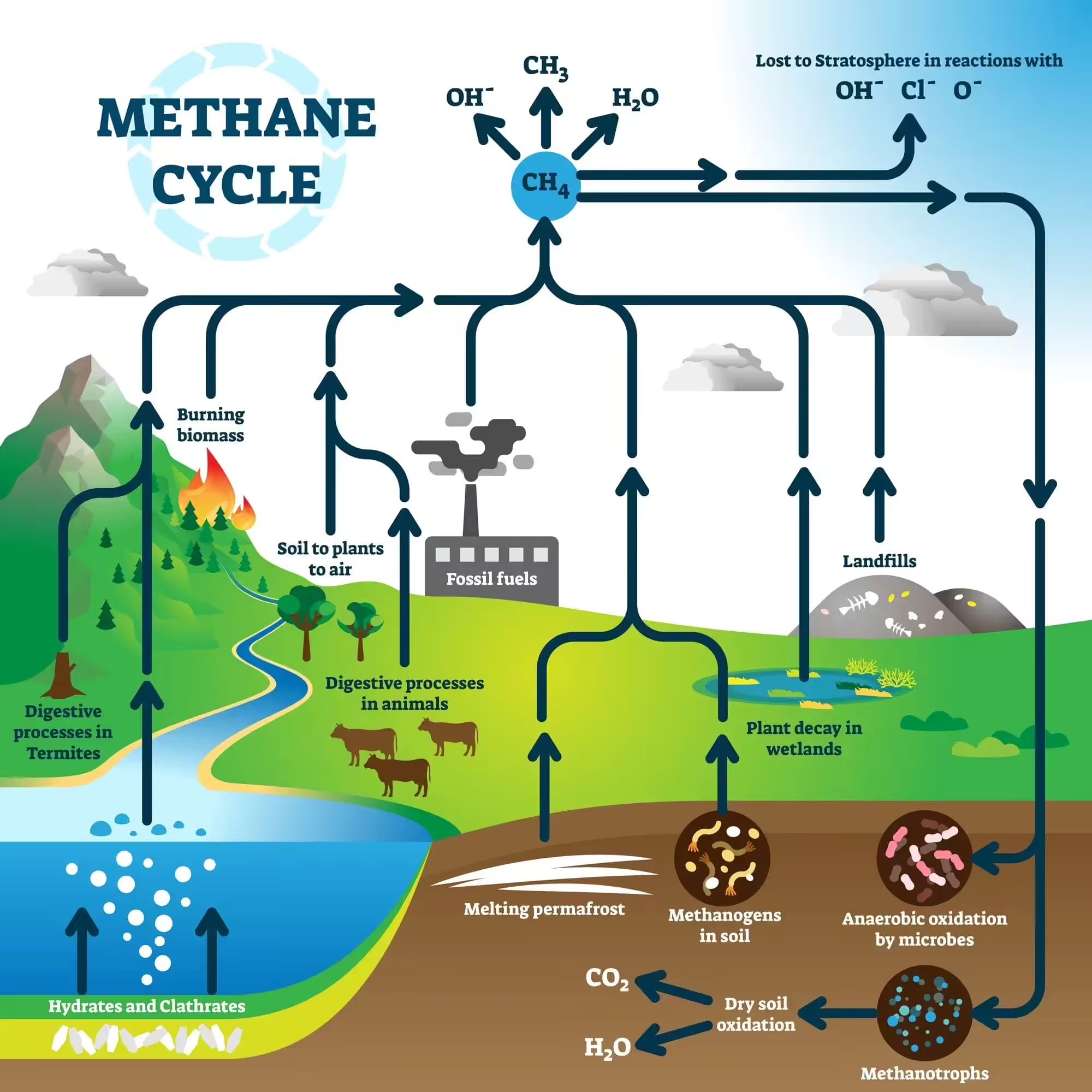
- Methane is a powerful greenhouse gas and short-lived climate pollutant (SLCP) primarily emitted by human activities. It has an atmospheric lifetime of around 12 years.
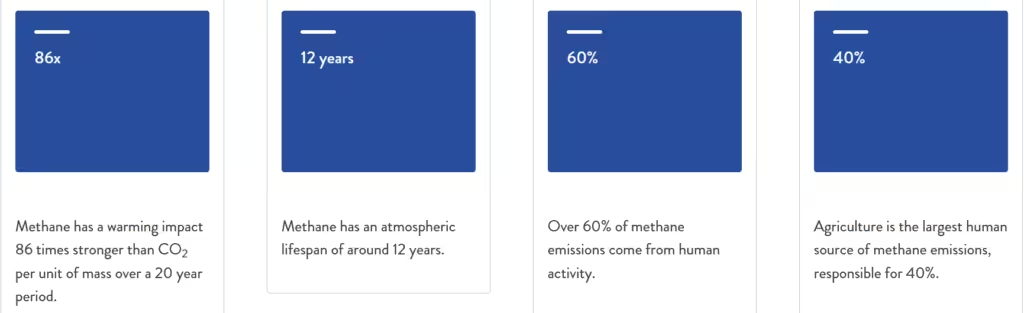
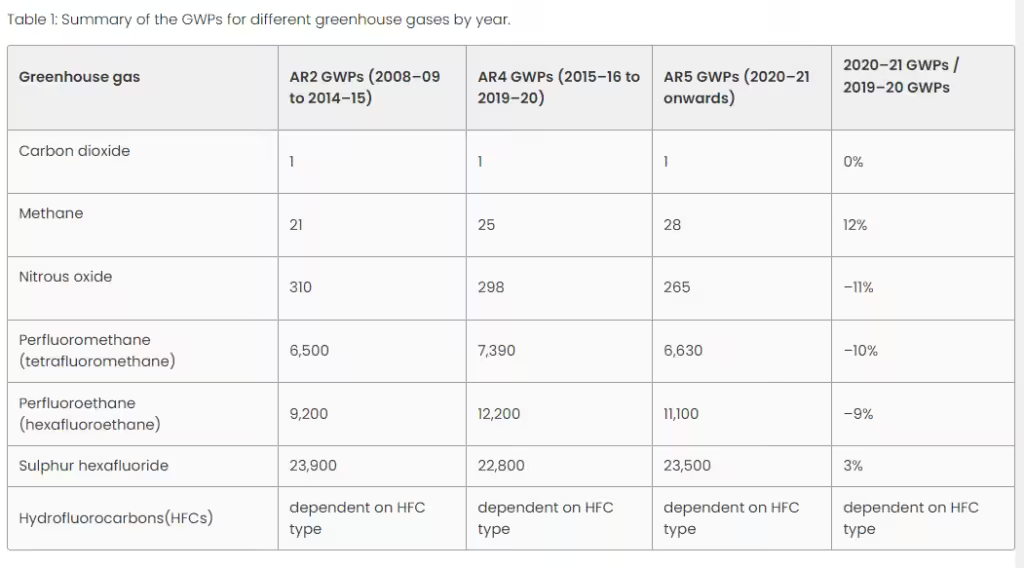
- Methane is much more efficient at trapping radiation. Per unit of mass, methane has a warming effect 86 times stronger than CO2 over 20 years. Over a 100-year period methane is 28 times stronger.
Emissions:
The main methane emitting sectors are:
- Waste (20%), from food and other organic materials left in landfills, open dumps, and wastewater.
- Agriculture (40%), including from livestock rearing, animal manure, and rice production.
- Fossil fuels (35%), including through leakage from natural gas and oil production and distribution systems, and coal mines.
Mehtane GWP:
Methane emissions trends:
- 2021 saw the largest annual increase in methane emissions since global monitoring began four decades ago. The amount of methane in the atmosphere is increasing at record rates and is projected to increase by up to 13% by 2030.
- To get on path to holding warming to 1.5°C, the world must reduce baseline methane emissions by 35-40% in 2030.
Impacts:
- Methane’s potent climate warming effect means even small amounts have an outsized impact on climate, environmental, and human health. Not only does methane have a warming effect, it also acts as a precursor for the toxic air pollutant tropospheric ozone.
- Quick action would help limit dangerous climate feedback loops, while simultaneously delivering important health, environmental, and economic benefits from reducing tropospheric ozone.
- Methane is second only to CO2 in driving climate change. As carbon dioxide has a long atmospheric lifetime, the results of action on carbon dioxide will take longer to realise. This means reducing methane is a priority to dampen the rate of warming and limit dangerous climate feedback loops such as the melting of the polar ice caps and sea level rise.
- Methane is a key precursor gas of the harmful air pollutant, tropospheric ozone. While methane does not cause direct harm to human health or crop production, ozone is responsible for about 1 million premature respiratory deaths globally. Globally, increased methane emissions are responsible for half of the observed rise in tropospheric ozone levels.
- Through its contribution to producing tropospheric ozone, as well as increasing atmospheric temperatures, methane contributes to staple crop losses of up to 15% per year.
- Methane’s impacts on climate change and public health contributes to a yearly loss of roughly 400 million hours of work globally due to extreme heat. However, the majority of identified methane abatement controls cost less than the societal benefits – estimated as a benefit of $4,300 per tonne of methane.
Initiatives to Tackle Methane Emissions:
- Harit Dhara:
- Indian Council of Agricultural Research (ICAR) has developed an anti-methanogenic feed supplement ‘Harit Dhara’ (HD), which can cut down cattle methane emissions by 17-20% and can also result in higher milk production.
- BS VI Emission Norms
- National Action Plan on Climate Change (NAPCC):- There are 8 national missions forming the core of the NAPCC which represent multi-pronged, long term and integrated strategies for achieving key goals in climate change.
- Global Methane Pledge:
- At the Glasgow climate conference (UNFCCC COP 26) in 2021, nearly 100 countries had come together in a voluntary pledge, referred to as the Global Methane Pledge, to cut methane emissions by at least 30% by 2030 from the 2020 levels
- MARS (Methane Alert and Response System ) will integrate data from a large number of existing and future satellites that have the ability to detect methane emission events anywhere in the world, send out notifications to the relevant stakeholders to act on it.
- Global Methane Initiative (GMI):
- It is an international public-private partnership focused on reducing barriers to the recovery and use of methane as a clean energy source.