Renewable Energy

Why in news:
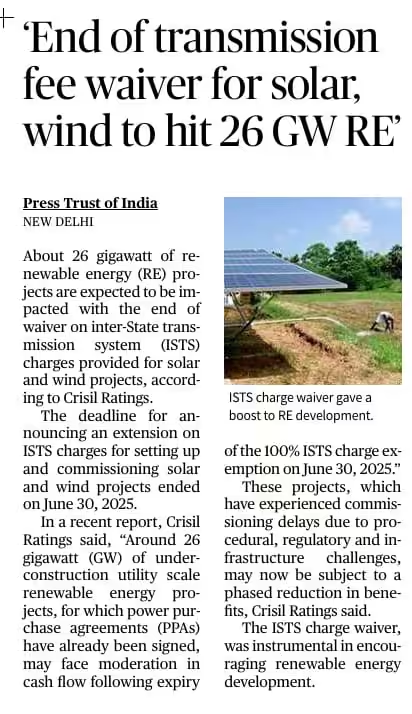
The 100% waiver on Inter-State Transmission System (ISTS) charges for solar and wind energy projects will end on June 30, 2025. This policy change is expected to impact 26 gigawatts (GW) of under-construction renewable energy (RE) capacity, potentially reducing investor returns and slowing project implementation.
UPSC CSE UPSC CSE Relevance:
Renewable energy, schemes related to renewable energy, India’s targets, Climate Change Mitigation Measures etc.
UPSC Mains PYQ 2018:
Q: “Access to affordable, reliable, sustainable and modern energy is the sine qua non to achieve Sustainable Development Goals (SDGs)”.Comment on the progress made in India in this regard.
UPSC Pre PYQ 2016:
Consider the following statements:
- The International Solar Alliance was launched at the United Nations Climate Change Conference in 2015.
- The Alliance includes all the member countries of the United Nations.
Which of the statements given above is/are correct?
A 1 only
B 2 only
C Both 1 and 2
D Neither 1 nor 2
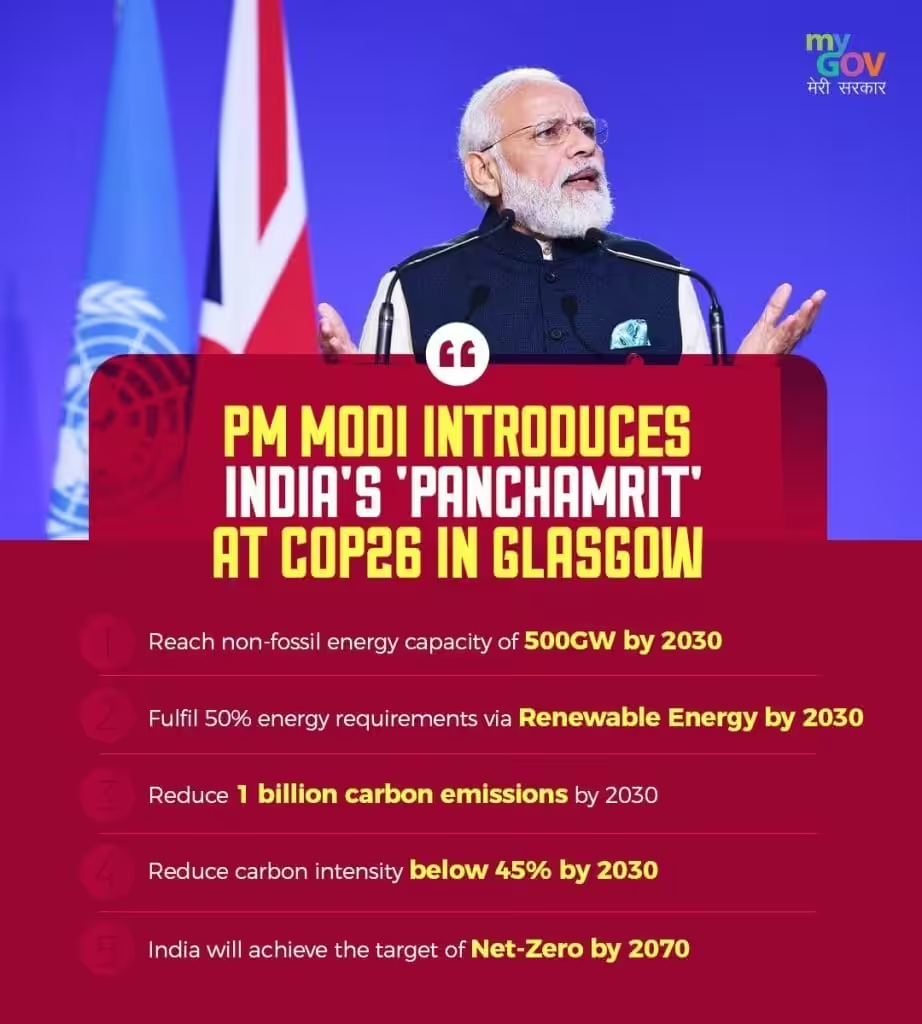
At COP 26(Glasgow):
About Renewable Energy:
Renewable energy is energy derived from natural sources that are replenished at a higher rate than they are consumed. Sunlight and wind, for example, are such sources that are constantly being replenished.
Sources according to GOI:
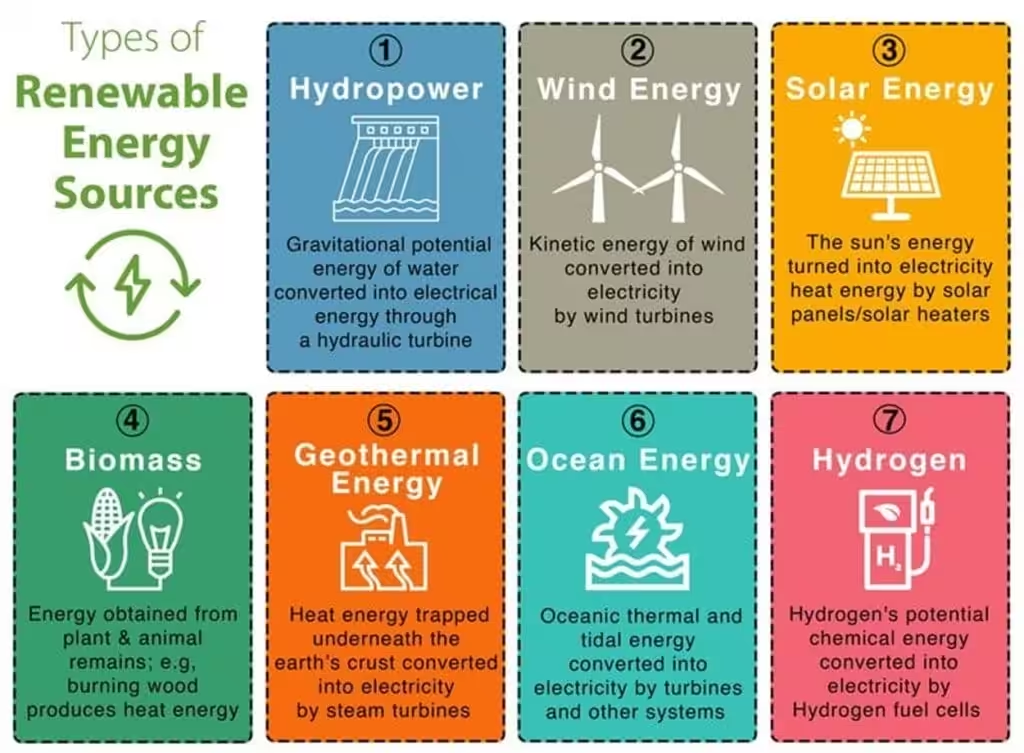
Note: Hydropower projects, including those below 25MW, are categorized as renewable energy. The Indian government officially declared large hydro projects (above 25MW) as renewable energy in 2019.
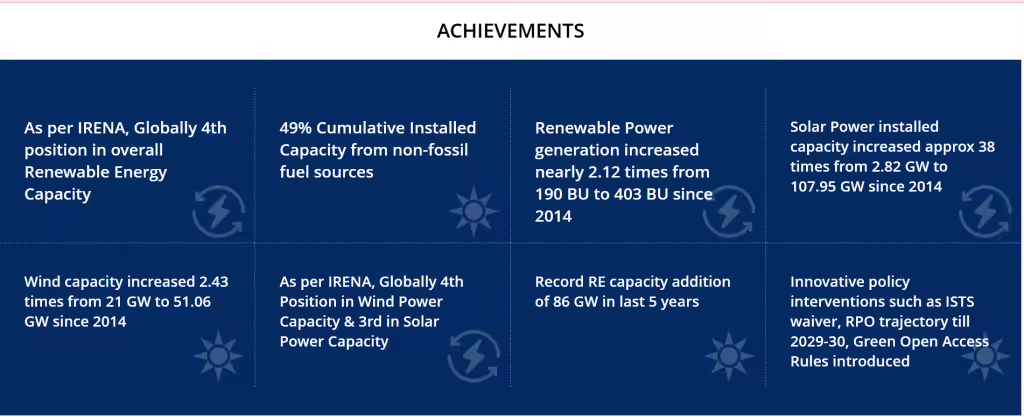
- Solar energy contributed the most to the year’s capacity expansion, with 23.83 GW added in FY 2024–25, a significant increase over the 15.03 GW added in the previous year. The total installed solar capacity now stands at 105.65 GW. This includes 81.01 GW from ground-mounted installations, 17.02 GW from rooftop solar, 2.87 GW from solar components of hybrid projects, and 4.74 GW from off-grid systems.
- Wind energy also witnessed sustained progress during the year, with 4.15 GW of new capacity added, compared to 3.25 GW in FY 2023–24. The total cumulative installed wind capacity now stands at 50.04 GW, reinforcing wind energy’s role in India’s renewable energy mix.
- Bioenergy installations reached a total capacity of 11.58 GW.
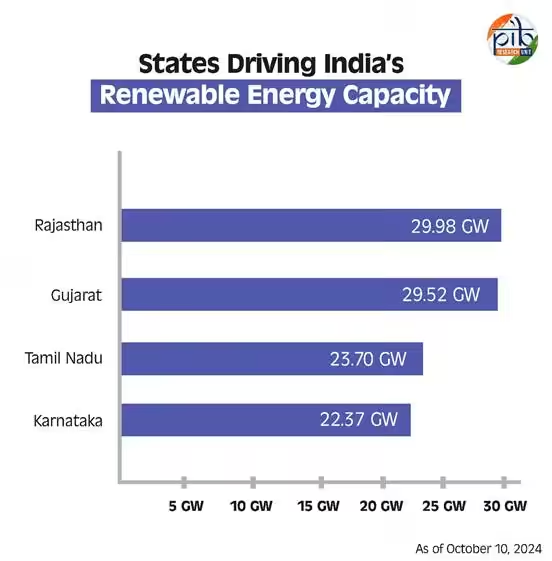
- Rajasthan ranks 1st in solar with an installed capacity of 22860.73 MW, with over 325 clear sunny days in a year.
- Gujarat is the largest producer of wind energy in India.
- Uttarakhand is the state with the largest hydroelectric power generation capacity in India.
- The largest solar park in India is the Bhadla Solar Park, located in Rajasthan.
- Omkareshwar Floating Solar Park: India’s largest floating solar power plant is in Ramagundam, Telangana.
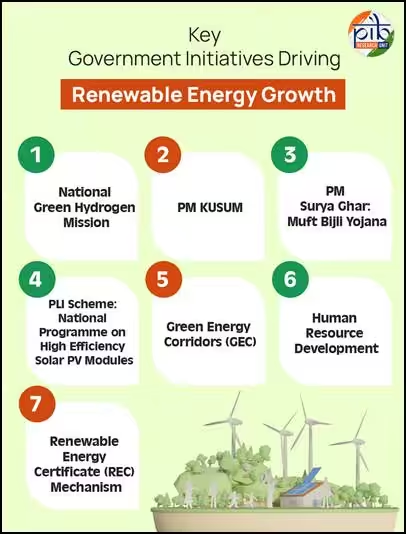
GOI schemes for promoting renewable energy: