Water Hyacinth – An invasive species

Why in news:
Experts have expressed concern over the invasive nature of water hyacinth having a pervasive impact on ecology and economy and call for united action to deal with the same.
UPSC Relevance:
UPSC has been asking questions on vegetation and plant species and their peculiar features. GS 3, Conservation, Environmental Pollution and Degradation, Environmental Impact Assessment. The water Hyacinth case study can be used as a fodder point in various Biodiversity and Conservation issues.
PYQ:
2021:
Q: Which one of the following is used in preparing a natural mosquito repellent?
(a) Congress grass
(b) Elephant grass
(c) Lemongrass
(d) Nut grass
2024
Q: Which one of the following shows a unique relationship with an insect that has coevolved with it and that is the only insect that can pollinate this tree?
(a) Fig
(b) Mahua
(c) Sandalwood
(d) Silk cotton
What Is Water Hyacinth?
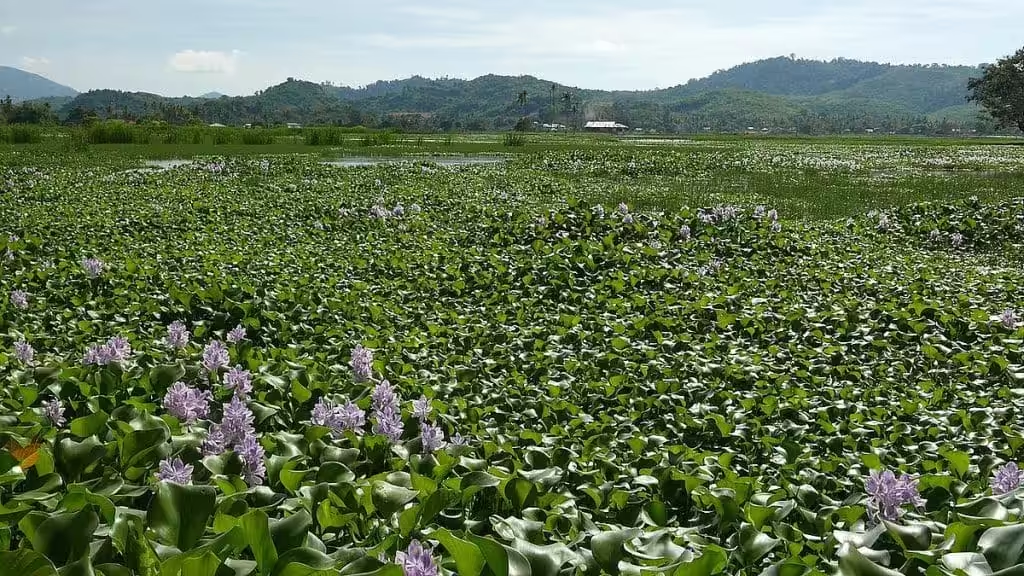
- The water hyacinth (Eichhornia crassipes) is an invasive aquatic plant, originally introduced to India as an ornamental species.
- It is a free-floating (roots float in water), perennial aquatic plant.
- It is native to tropical and subtropical South America.
- It has a tristylous flower morphology with three flower types based on pistil length in its native range, but this variation is reduced in introduced populations. It produces clusters of lavender-blue flowers.
- It is one of the fastest-growing plants known. Water hyacinth can double its population size in as little as 2 weeks.
- It can reproduce both sexually (seeds – which remain viable for 28 years) and asexually(vegetative means). This explains its rapid expansion and invasive nature.
- It is highly invasive and considered a major weed in over 50 countries, including parts of Asia, Africa, Australia, and North America.
- It has become a major menace, covering over 200,000 hectares of India’s inland waterways.
Impact on Kerala – highlighted by author – applies to other regions also:
- Agriculture – In Kerala’s Kuttanad region, the plant clogs irrigation channels, suffocates fields, and increases farming costs.
- Fishing – Fishermen are also severely affected, as the dense mats destroy fish nurseries and block access to waterways.
- Biodiversity and Ecotourism – Water hyacinth mats prevent sunlight and oxygen from reaching the water below, causing aquatic life to suffocate and unraveling entire food webs. This threatens biodiversity and is a direct risk to ecotourism in places like Vembanad Lake, a wetland of international importance.
- Climate Change – As the plant decays, it releases methane, a greenhouse gas that is over 25 times more potent than carbon dioxide at trapping heat.
Solutions
- Converting water hyacinth plants into a resource by some communities and innovators.
- Women’s self-help groups in Odisha create handicrafts
- In Assam and West Bengal it is used for paper and biogas production.
- In the Deepor Beel, Assam’s only Ramsar site, where sprawling mats of water hyacinth threaten the ecosystem two passionate youths from Guwahati, Rupankar Bhattacharjee and Aniket Dhar, developed Kumbhi Kagaz, a venture dedicated to crafting 100% biodegradable, blot-free, and chemical-free handmade paper from the invasive ‘pani meteka’ plant, which is the local name for water hyacinth.
- The author calls for coordinated removal drives, financial incentives for innovators, and public-private partnerships to scale up value-added products and uses like biofuels, compost, water purification and textiles.
- Need for National Policy and Coordination – These experiments are currently isolated and lack a coordinated policy thrust. The responsibility for managing the plant is spread across multiple government departments, leading to fragmented efforts. Need for a single-point accountability mechanism and a national policy with region-specific strategies.
- By combining academic research, policy engagement, and community knowledge, the goal is to move from small-scale experiments to systematic and sustainable solutions.
Related Terms:
- Alien Species – An alien species is a species, subspecies or lower taxon introduced outside its natural past or present distribution, which includes any part, gametes, seeds, eggs or propagules of such species that might survive and subsequently reproduce (Convention on Biological Diversity, 2002).
- Invasive Alien Species – An invasive alien species refers to an alien species whose introduction and/or spread threatens the biological diversity of the region/habitat (CBD, 2002).
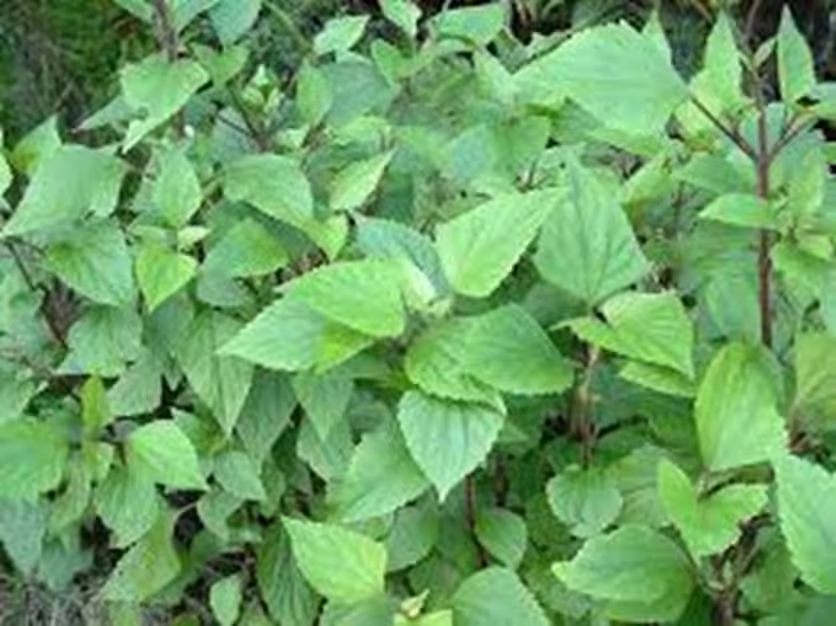
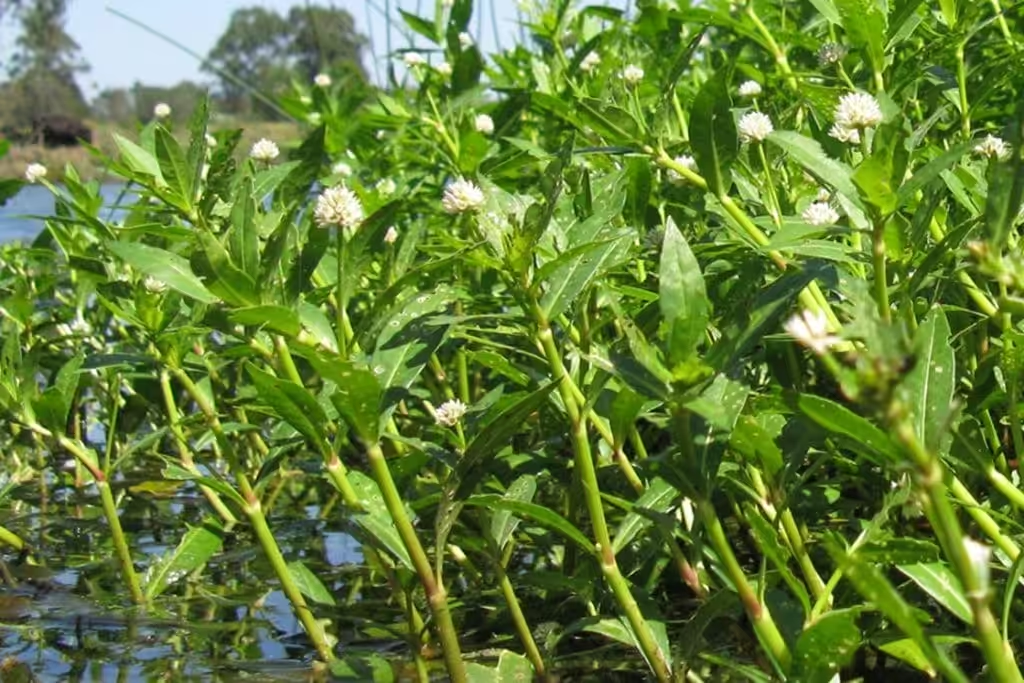
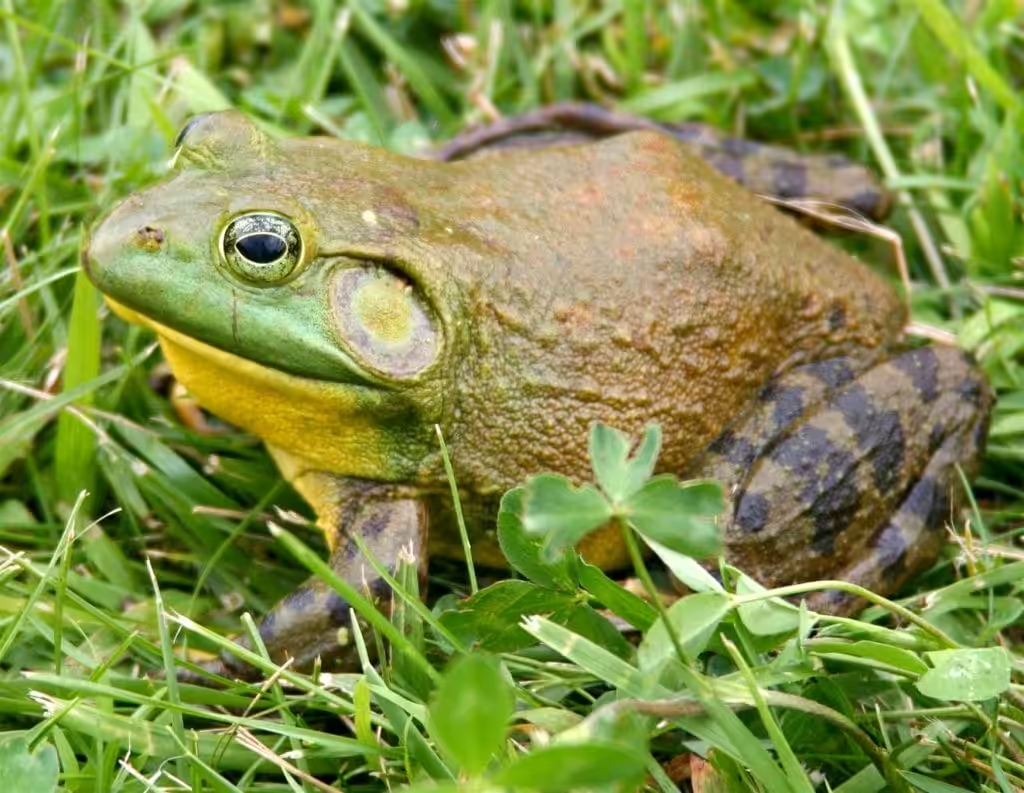
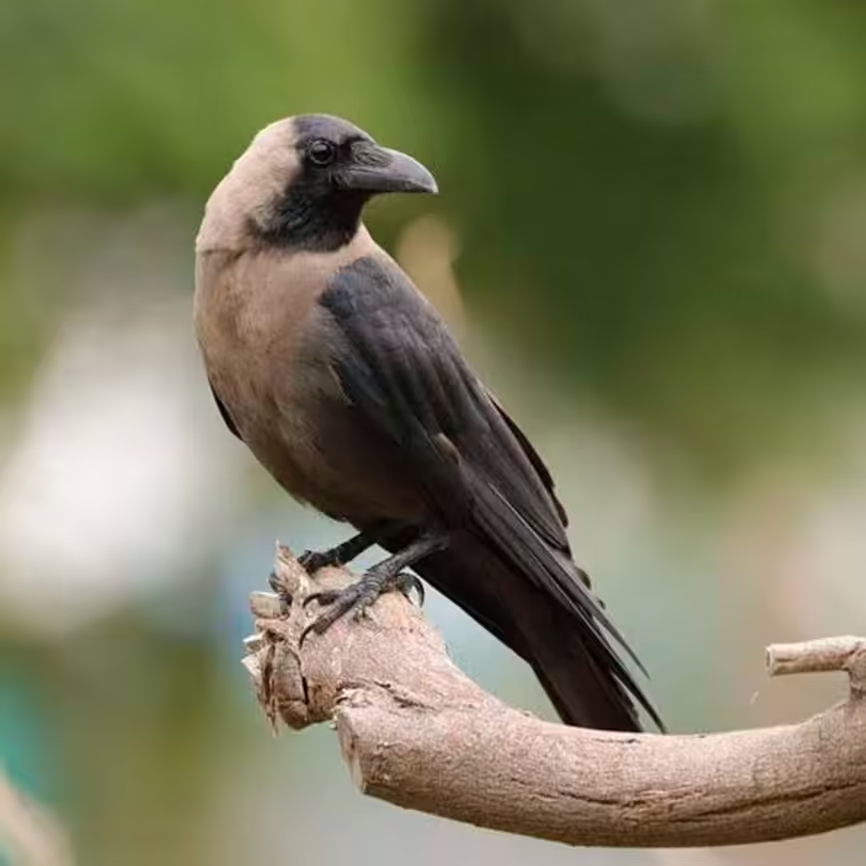
- Examples of invasive species in India.
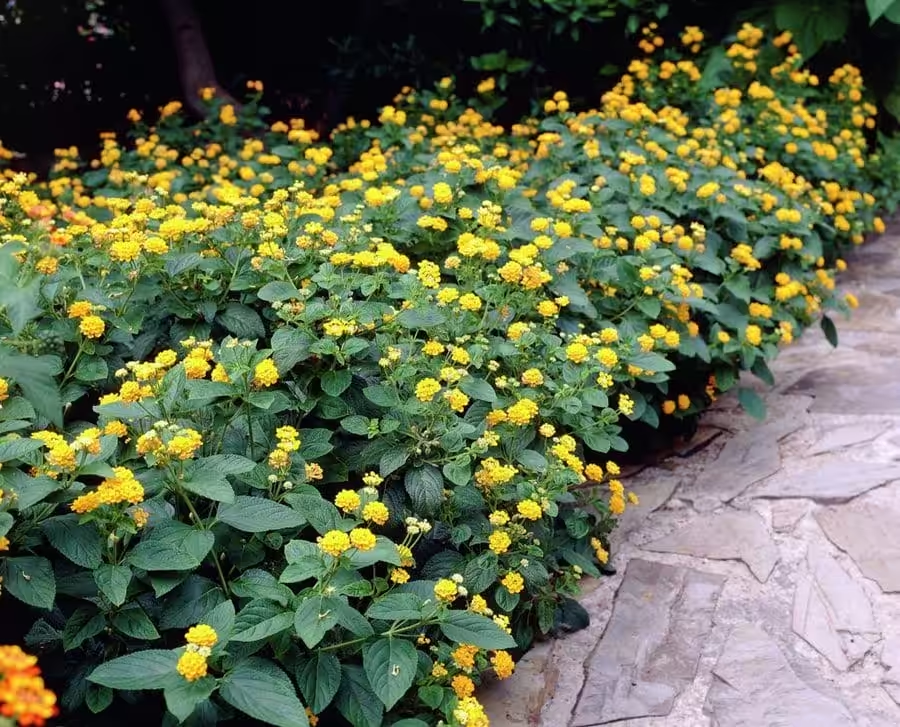
- Lantana camara:
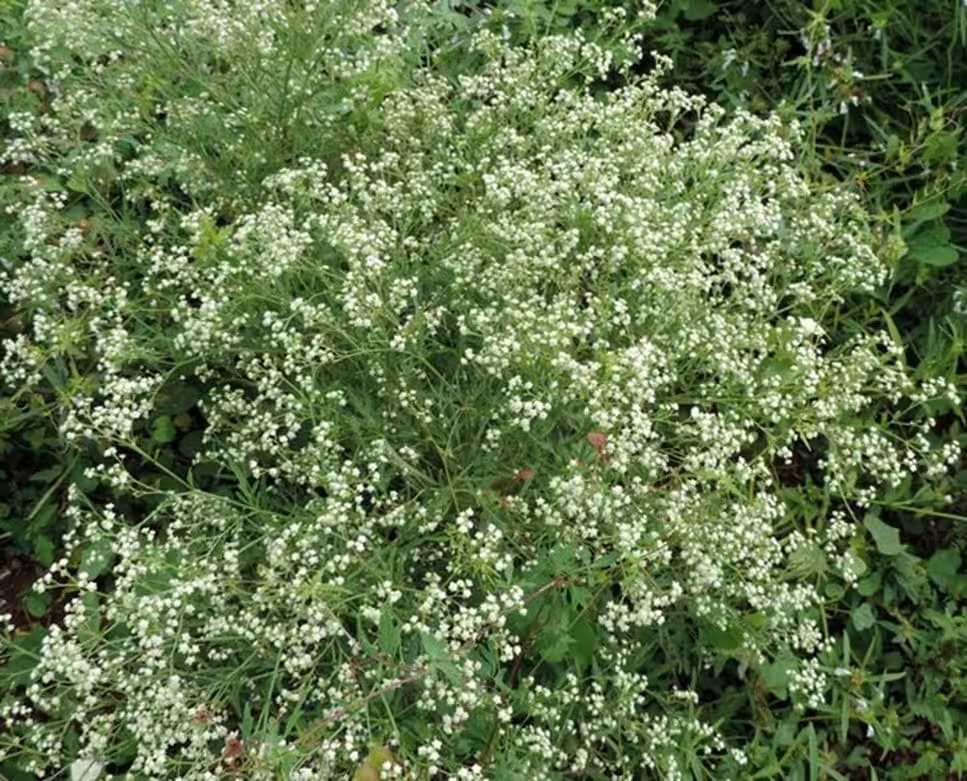
- Parthenium hysterophorus (Congress grass):
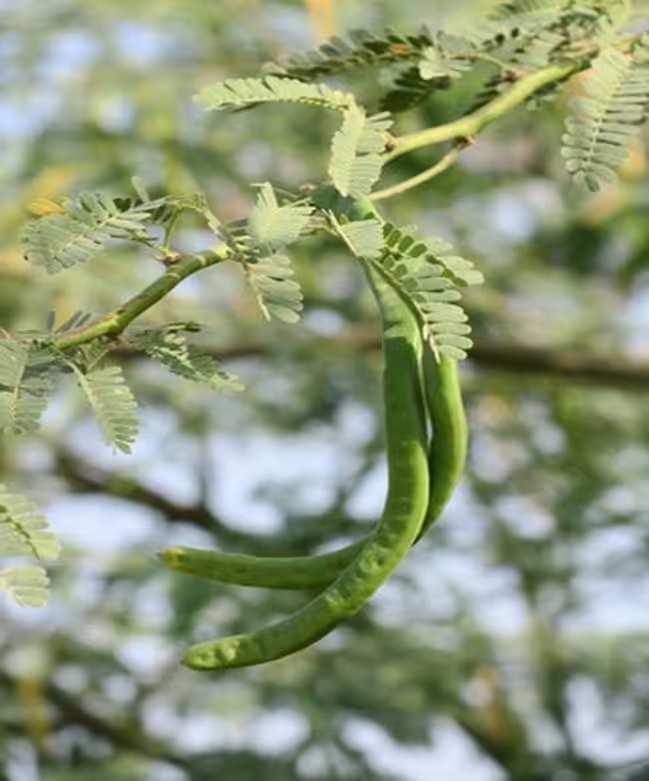
- Prosopis juliflora (mesquite)
- Mexican Devil:
- Allegator Weed:
- American Bullfrog:
- Crow is invasive outside the Indian subcontinent in countries like Kenya.
- Naturalized Species – Naturalized species are alien species that sustain self-replacing populations for several life cycles or a given period (10 years is advocated for plants) without direct intervention by people or despite human intervention.