Daily Digest
UPSC · Civil Services Examination
Current Affairs · Thursday, 7 August 2025
Current affairs curated and edited by Anantam IAS faculty — pulled from The Hindu, PIB, IDSA, Foreign Affairs and the ministries. Read, annotate, revise.
Old Rajinder Nagar · Delhi 110005 · anantamias.com
Rise of the Herbicides

Why in news:
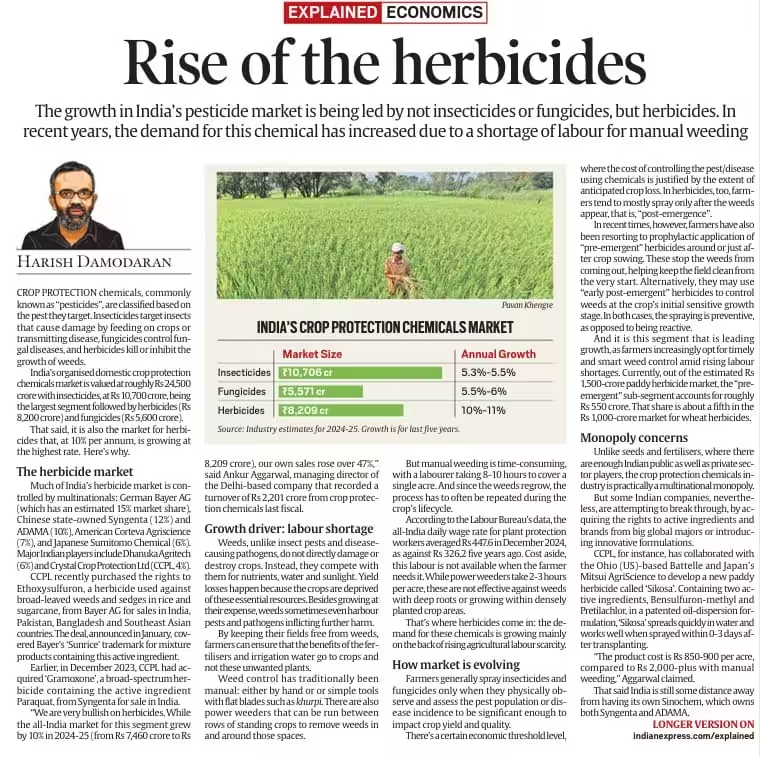
India’s pesticide market is witnessing a shift, with herbicides emerging as the fastest-growing segment due to:
- Expansion of mechanized and timely farming
- Labour shortages for manual weeding
- A growing preference for pre-emergent herbicide use
UPSC CSE UPSC CSE Relevance:
UPSC CSE in mains examination has focused on herbicides, Pesticides, types of pesticides ,impacts of herbicide overuse and regulatory aspects.
UPSC Mains PYQ 2017:
Q: What are the major reasons for declining rice and wheat yield in the cropping system? How crop diversification is helpful to stabilize the yield of the crop in the system?
UPSC Pre PYQ 2019:
Q. In India, the use of carbofuran, methyl parathion, phorate and triazophos is viewed with apprehension. These chemicals are used as
(a) pesticides in agriculture
(b) preservatives in processed foods
(c) fruit-ripening agents
(d) moisturising agents in cosmetics
What is Herbicides:
Herbicides are potent chemicals designed to manage or eradicate unwanted plant growth, commonly known as weeds. Herbicide chemical methods are used to kill plants or weeds. They are crucial in agricultural settings, landscapes, and gardens, allowing for the controlled growth of desirable plants and efficient production of crops.
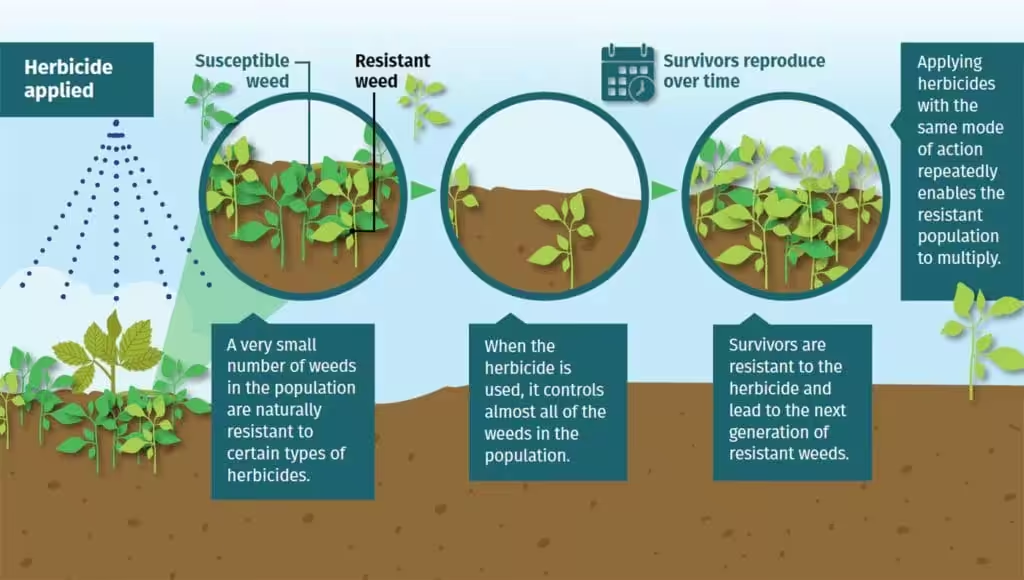
How it work:
Types of Herbicides:
Types of Herbicides Based on Specificity:
- Selective Herbicides- Selective herbicides can prevent the growth of some specific species of plants without having an impact on crops. These are the types of herbicides that are most commonly used in agriculture as they can be used without affecting crops.
- Non-Selective Herbicides- These herbicides are broad-spectrum and will affect any plant it is applied to. Non-selective herbicides are mostly used in pre and post-sowing burn down, chemical follows, plantations and also for industrial applications that require clearing a wide area of land of all plants.
Herbicides Market:
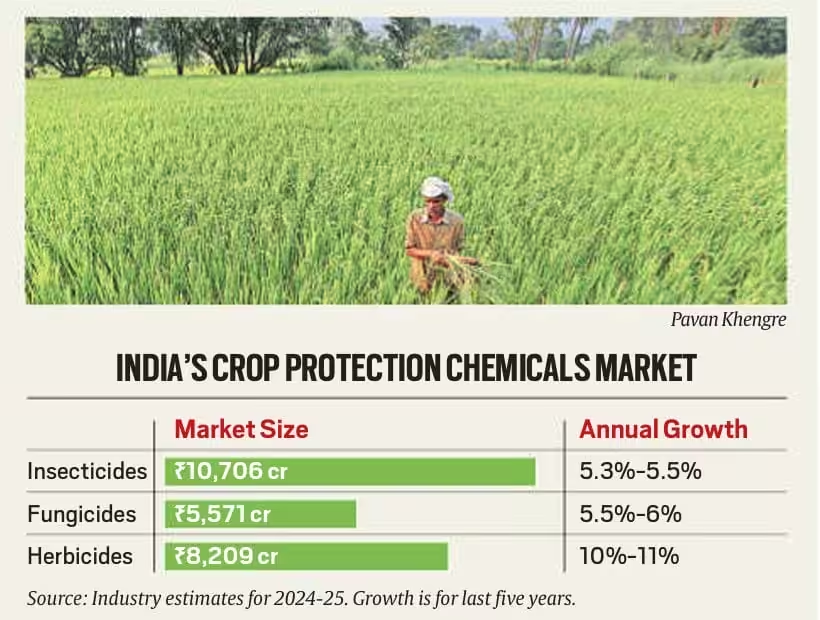
Herbicides now account for ~33% of India’s ₹24,500 crore crop protection market, growing at twice the rate of insecticides/fungicides.
Reasons for Herbicide Growth
a. Labour shortage:
- Manual weeding takes 8–10 hours/acre and is labour-intensive.
- Labour is often unavailable during peak crop cycles.
- Herbicides offer a cost-effective, faster, and repeatable solution.
b. Pre-emergent weed control:
- Farmers now use pre-emergent herbicides (before weeds appear), not just post-emergent (after weeds show).
- Paddy cultivation alone has a sub-segment worth ₹550 crore for pre-emergent herbicides.
c. Crop economics:
- More farmers weigh cost of labour vs chemical costs.
- Mechanized and input-intensive farming makes herbicides more viable.
Concern related to herbicides market:
- Dependence on imports: Most active ingredients are not developed in India(foreign MNCs: Bayer (46%), Syngenta, Sumitomo, Corteva, Crystal Crop, UPL.)
- Labour displacement: Mechanization of weed removal may affect rural employment.
- New molecules are developed globally (Battelle, Nissan, Sikosa), but Indian companies lack indigenous R&D in this area.
Impact of Herbicides use:
- Hazardous pesticides are a global problem because of its tendency to bioaccumulate in human cell membranes and disrupt the body’s functioning system.
- These include cancer, reproductive and developmental toxicity, damage to the nervous system (neurotoxicity), and harm to the immune system (immunotoxicity). Common symptoms of exposure may involve skin irritation, swelling, burning sensations, discomfort in the mouth and nose, an unpleasant taste, and blurred vision.(Glyphosate herbicide)
- Causes groundwater pollution and harms non-target plants and animals.
- Lack of training, protective gear, and awareness worsens the risks. Common in low-literacy rural areas
GOI Steps:
- Good Agricultural Practices (GAP): Good Agricultural Practices (GAP) focus on sustainability across environmental, economic, and social aspects of farming, ensuring safe and quality agricultural products. GAP covers four key pillars: economic viability, environmental sustainability, social acceptability, and food safety and quality.
- Promoting Usage of Bio-pesticides: To effectively reduce pesticide use, it is essential not only to strengthen laws but also to promote sustainable farming practices. The government recognizes the importance of chemical-free farming and has introduced several initiatives to encourage using biopesticides and organic farming.
- On 17th December, Union Minister Dr. Jitendra Singh unveiled Kisan Kavach, Bharat’s first anti-pesticide bodysuit, designed to protect farmers from the harmful effects of pesticide exposure.
- Ministry of Agriculture and Farmers Welfare has restricted the use of glyphosate, a widely used herbicide, citing health hazards for humans and animals.
Source: https://anantamias.com/current-affairs/rise-of-the-herbicides/
Renewable Energy

Why in news:
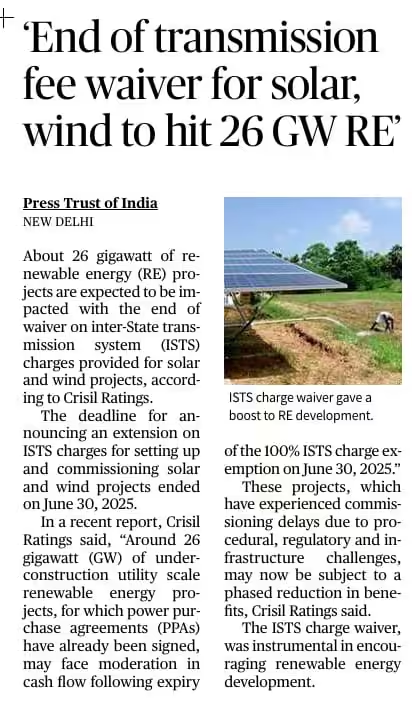
The 100% waiver on Inter-State Transmission System (ISTS) charges for solar and wind energy projects will end on June 30, 2025. This policy change is expected to impact 26 gigawatts (GW) of under-construction renewable energy (RE) capacity, potentially reducing investor returns and slowing project implementation.
UPSC CSE UPSC CSE Relevance:
Renewable energy, schemes related to renewable energy, India’s targets, Climate Change Mitigation Measures etc.
UPSC Mains PYQ 2018:
Q: “Access to affordable, reliable, sustainable and modern energy is the sine qua non to achieve Sustainable Development Goals (SDGs)”.Comment on the progress made in India in this regard.
UPSC Pre PYQ 2016:
Consider the following statements:
- The International Solar Alliance was launched at the United Nations Climate Change Conference in 2015.
- The Alliance includes all the member countries of the United Nations.
Which of the statements given above is/are correct?
A 1 only
B 2 only
C Both 1 and 2
D Neither 1 nor 2
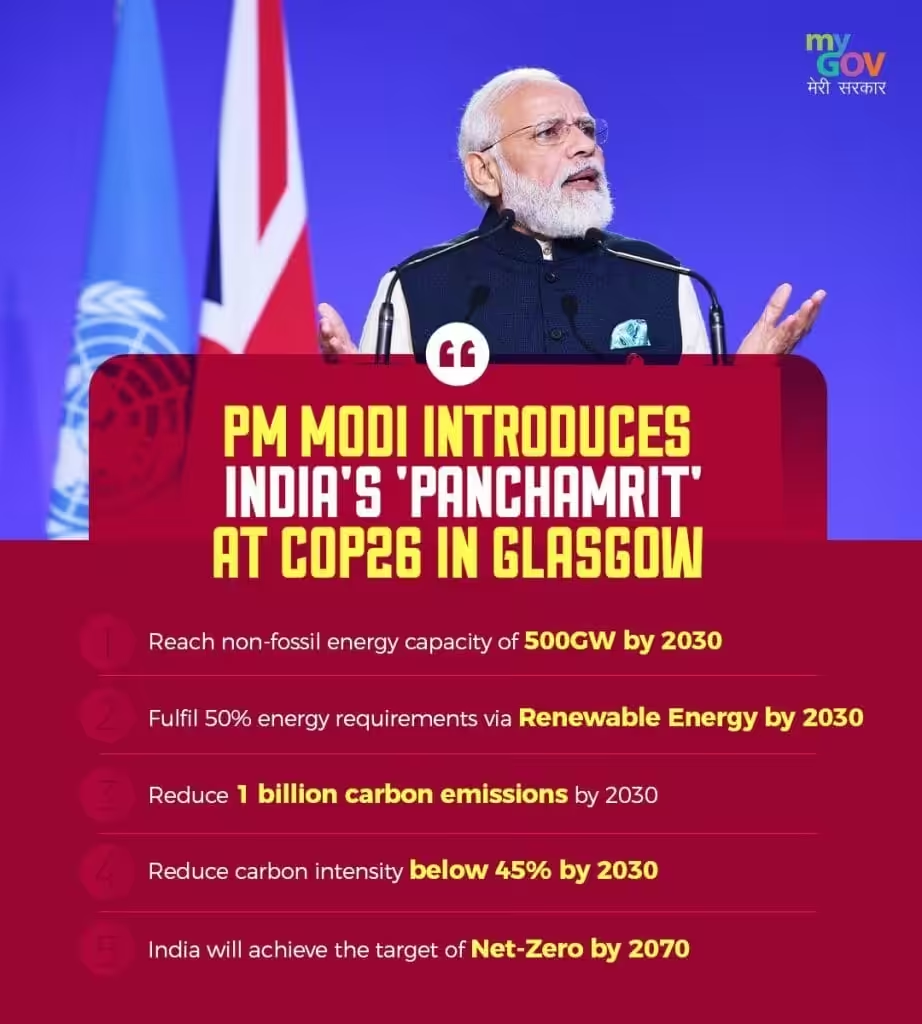
At COP 26(Glasgow):
About Renewable Energy:
Renewable energy is energy derived from natural sources that are replenished at a higher rate than they are consumed. Sunlight and wind, for example, are such sources that are constantly being replenished.
Sources according to GOI:
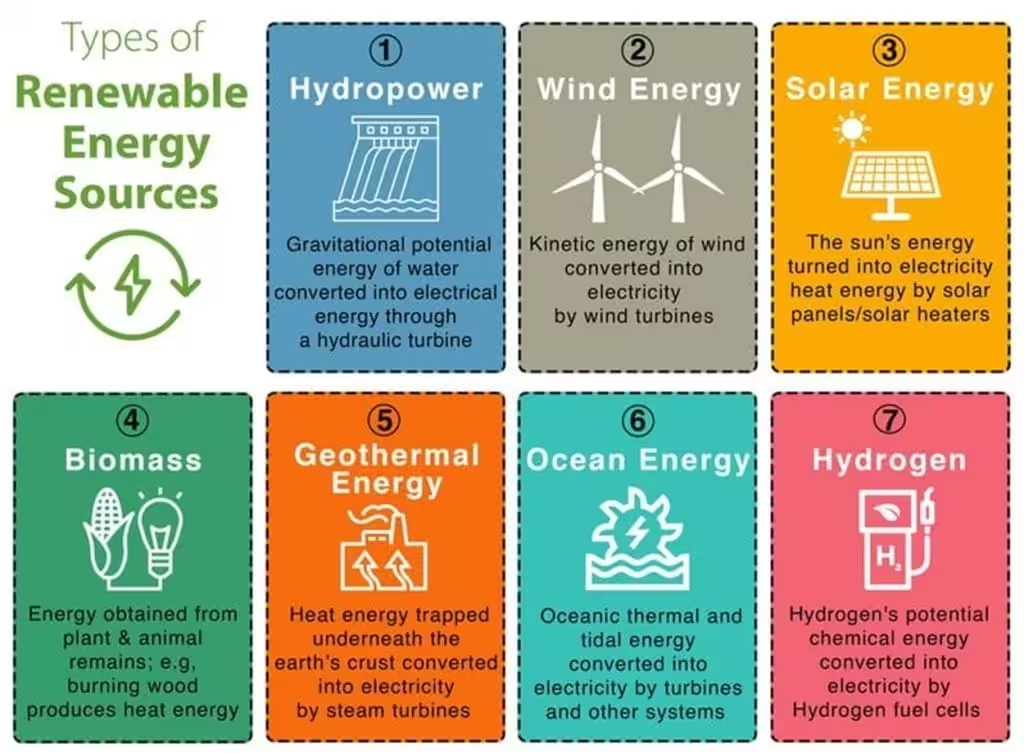
Note: Hydropower projects, including those below 25MW, are categorized as renewable energy. The Indian government officially declared large hydro projects (above 25MW) as renewable energy in 2019.
- Solar energy contributed the most to the year’s capacity expansion, with 23.83 GW added in FY 2024–25, a significant increase over the 15.03 GW added in the previous year. The total installed solar capacity now stands at 105.65 GW. This includes 81.01 GW from ground-mounted installations, 17.02 GW from rooftop solar, 2.87 GW from solar components of hybrid projects, and 4.74 GW from off-grid systems.
- Wind energy also witnessed sustained progress during the year, with 4.15 GW of new capacity added, compared to 3.25 GW in FY 2023–24. The total cumulative installed wind capacity now stands at 50.04 GW, reinforcing wind energy’s role in India’s renewable energy mix.
- Bioenergy installations reached a total capacity of 11.58 GW.
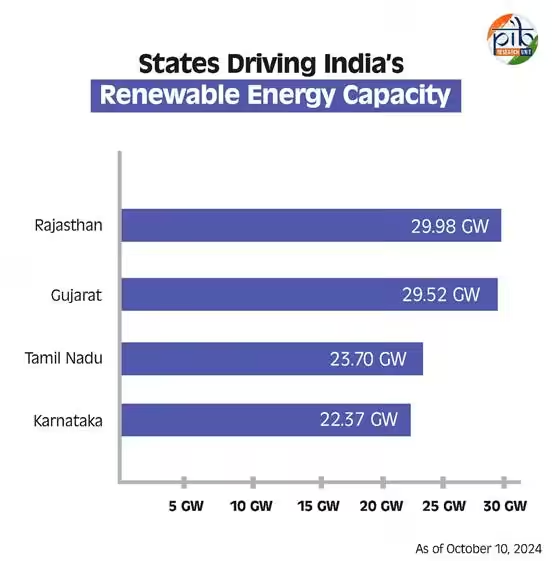
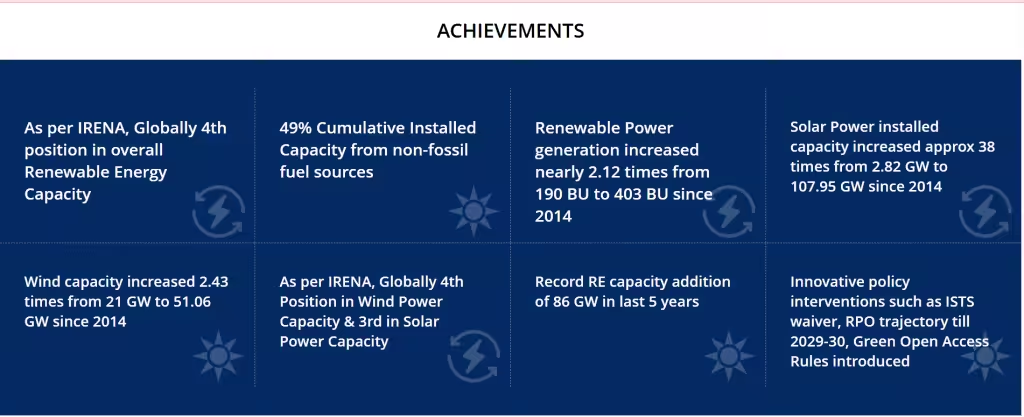
- Rajasthan ranks 1st in solar with an installed capacity of 22860.73 MW, with over 325 clear sunny days in a year.
- Gujarat is the largest producer of wind energy in India.
- Uttarakhand is the state with the largest hydroelectric power generation capacity in India.
- The largest solar park in India is the Bhadla Solar Park, located in Rajasthan.
- Omkareshwar Floating Solar Park: India’s largest floating solar power plant is in Ramagundam, Telangana.
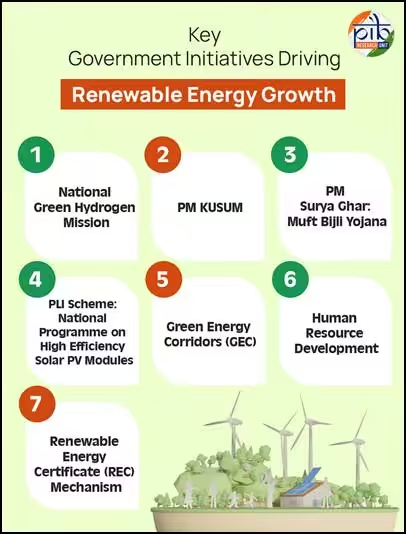
GOI schemes for promoting renewable energy:
Source: https://anantamias.com/current-affairs/renewable-energy/
Microplastics – a menace


Why in news:
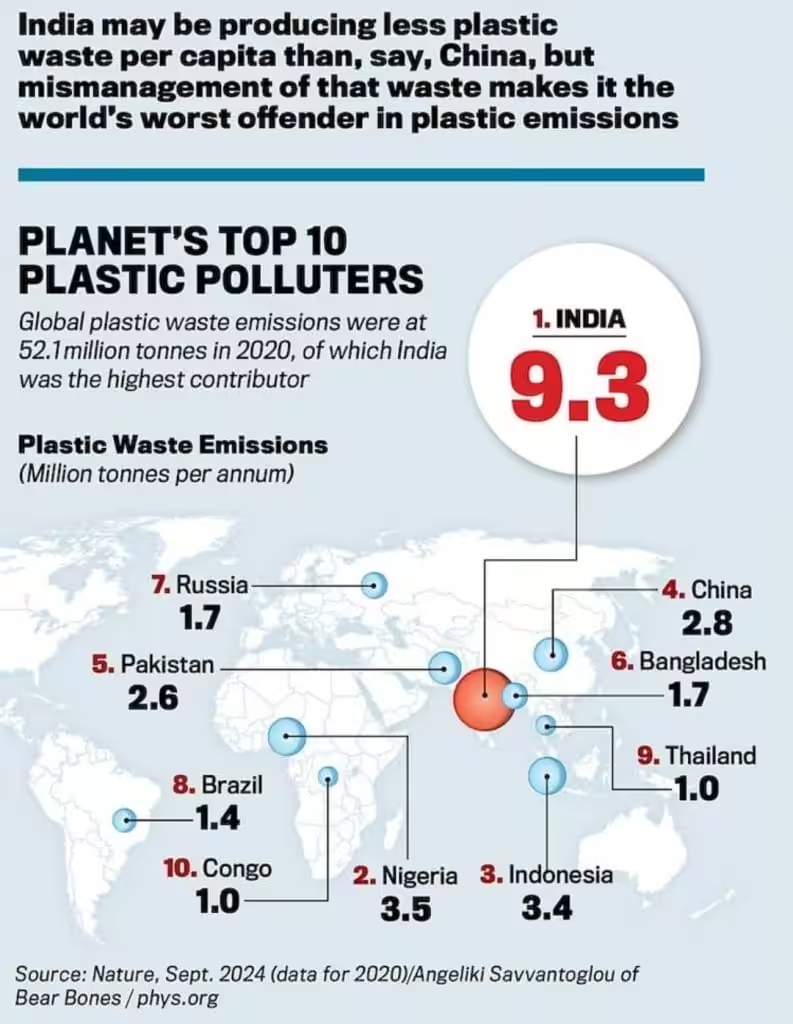
The major sources of ‘microplastic’ pollution along India’s coasts are “riverine inputs” and abandoned, lost, and discarded fishing gear, Union Minister of State for Science and Technology Jitendra Singh said in a written response to a question in the Lok Sabha.
UPSC CSE UPSC CSE Relevance:
UPSC has shown key interest in issues related to environmental pollution in GS 3. Plastics as a theme has been appearing in Prelims also lately.
UPSC Mains PYQ :
Question: What are the impediments in disposing of the huge quantities of discarded solid wastes which are continuously being generated? How do we remove safely the toxic wastes that have been accumulating in our habitable environment? (2018) GS3, 10 marks
UPSC Prelims 2024
Q: Consider the following statements:
Statement I: Many chewing gums found in the market are a source of environmental pollution.
Statement II: Many chewing gums contain plastic as gum base.
Which one of the following is correct in respect of the above statements?
A) Both Statement-I and Statement-II are correct and Statement-II explains Statement-I
B) Both Statement-I and Statement-II are correct, but Statement-II does not explain Statement-I
C) Statement I is correct, but Statement II is incorrect
D) Statement I is incorrect, but Statement II is correct
Findings of Recent Study:
- The Ministry of Earth Sciences (MOES), through the National Centre for Coastal Research (NCCR), conducted field surveys along India’s coastline between 2022 and 2025 to assess microplastic and marine debris levels.
- The findings indicated that the predominant sources of microplastic pollution are riverine in-puts and abandoned, lost, and discarded fishing gear (ALDFG).
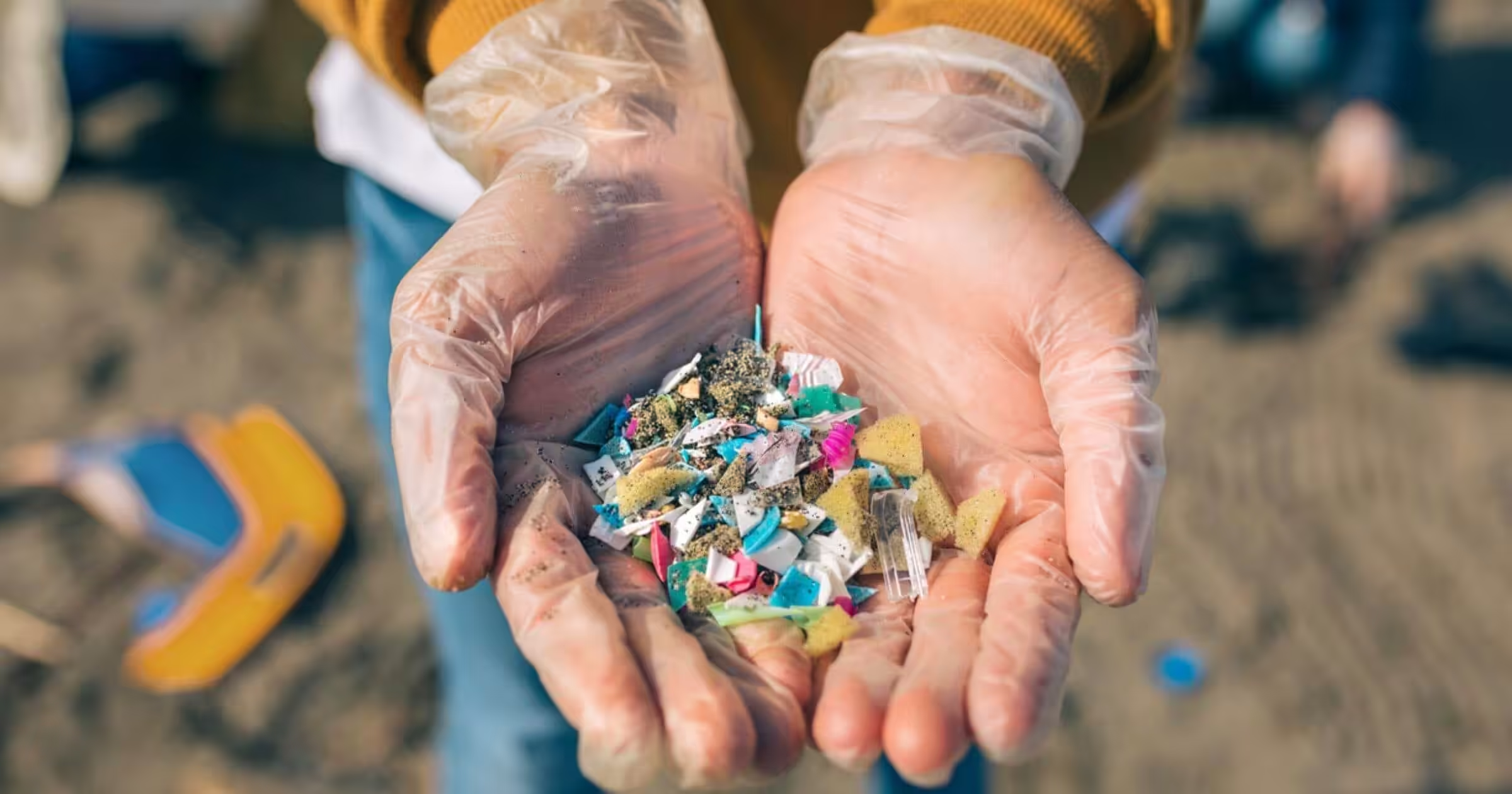
What are Microplastics?
- Tiny plastic particles less than 5mm in size.
- Scientists call the present era ‘Plasticene’ due to the presence of plastic everywhere from blood to Antarctica.
| Type | Definition | Examples |
| Primary | Manufactured intentionally at small sizes | Microbeads, plastic pellets (nurdles), glitter, seed coatings, synthetic textile fibers |
| Secondary | Result from breakdown of larger plastics | Fragments from bottles/bags, fibers from clothing, tire dust, fishing net particles |
Impacts of Microplastics on Environment
- Marine ecosystem : proves fatal once ingested by marine fauna as it may cause suffocation, inflammation and choke critical glands & pores.
- Terrestrial Ecosystem: contaminates soil structure, fertility, affecting yields in long run and contaminates freshwater resources.
- Food Chain Contamination : can move through the food web, starting from small organisms like zoo-plankton to humans Bioaccumulation in higher predators.
- Human health: exposure via food, water, skin contact can have carcinogenic effects.
- Chemical Pollution – Microplastics can absorb & transport harmful chemicals including Persistent Organic Pollutants (POPs), which can further exacerbate their toxic effects on life on earth.
- Disruption of ecosystem processes: Microplastics can alter microbial communities, disrupt nutrient cycling such as nitrogen processing, and potentially destabilize vital systems like ocean carbon storage by interfering with the biological carbon pump.
Plastic Waste Management Rules for 2025:
1. Enhanced Traceability through Labeling and Technology
- Barcode and QR Codes: A significant change effective from July 1, 2025, is that Producers, Importers, and Brand Owners (PIBOs) will have the option to provide required product information on plastic packaging through barcodes or Quick Response (QR) codes.
- Unique Number: Alternatively, they can print a unique number issued under relevant laws on the plastic packaging.
- Mandatory Information: This information, whether provided via a code or a number, must include details such as the PIBO’s name, their registration certificate number from the Central Pollution Control Board (CPCB) portal, and the thickness of the plastic packaging in certain cases.
- CPCB Publication: The CPCB will maintain and publish a list of PIBOs who have provided this product information, updating it quarterly on its website.
- A National Plastic Waste Reporting Portal was launched on June 5, 2025, to facilitate mandatory online submission of annual reports, a move away from physical reporting.
2. Strengthened Extended Producer Responsibility (EPR)
- Accountability: The amendments aim to make plastic products more traceable throughout their lifecycle, holding industry players accountable for their environmental impact.
- Recycled Content Targets: There are specific targets for the use of recycled plastic content. For example, a mandate for 30% recycled content in rigid Category-1 PET packaging for beverages was to be effective from April 1, 2025. However, there has been some recent discussion and proposed amendments that could allow brand owners to carry forward shortfalls in meeting this target over the next three years, causing some uncertainty and concern within the recycling industry.
3. Penalties for Non-Compliance:
- New Rule 19: A new Rule 19 has been inserted into the Plastic Waste Management Rules, introducing penalties for contravention.
- Legal Framework: Any person who fails to comply with the provisions of these rules will be liable to a penalty in accordance with Section 15 of the Environment Protection Act. This provision strengthens the enforcement of the rules and provides a clear legal framework for penalizing non-compliant entities.
Strategies to deal with microplastic challenge:
- Strict reinforcement of nationwide ban on single use plastics which constitutes 43% of all plastics and is most likely to be disposed of in the open leading to creation of microplastics.
- Strict implementation of Plastic Waste Management Rules 2025.
- Creating awareness : A “National Plastic Pollution Reduction Campaign (NPPRC)” was launched for the period from June 5 to October 31, 2025, with a focus on reducing plastic pollution in various areas.
- Effective solid waste management with segregation at source to prevent dumping of plastics at landfills.
- Sustainable products and alternatives to plastics must be incentivised. Plastic Waste Management Rules 2021 gave 10 years to industries to look for alternatives to hard to recycle multilayered plastics in food packaging etc.
- Chemical recycling and upcycling of polymers.
- Promoting use of waste plastics as a structural material in blocks, pavements, roads etc. For Example- Plastone is a plastic based synthetic Granite. Use of Polyblend in laying roads.
- Promote biodegradable plastics and bioplastics that do not leave any microplastic behind on degradation.
About international plastic pollution treaty:
5th meeting of the United Nations(UN) Intergovernmental Negotiating Committee (INC-5) in Busan, South Korea.
- Countries negotiating a legally binding agreement to tackle plastic pollution have completed their fifth round of discussions, but the treaty is yet to be finalized.
- The treaty under negotiation stems from a resolution adopted by the UN Environment Assembly in 2022.It aims to cover the entire life cycle of plastics — from production and design to final disposal.
- Countries such as the European Union, along with several Latin American and African nations, pushed for setting limits on plastic production. However, this proposal faced resistance from nations including India and China.
- The draft lacks clear provisions for phasing out specific plastic chemicals and products.
- While it provides definitions for plastic and plastic products, it does not adequately define key terms like microplastics, nanoplastics, primary plastic polymers, and recycling.
Source: https://anantamias.com/current-affairs/microplastics-a-menace/
Biochar

Why in news:
Context: With the Indian carbon market set to be launched in 2026, CO2 removal technologies such as biochar are expected to play a crucial role according to experts.
UPSC Relevance :
Fuel and Energy has been a recurrent theme in Prelims.
Prelims 2020
What is the use of biochar in farming?
1. Biochar can be used as a part of the growing medium in vertical farming.
2. When biochar is a part of the growing medium, it promotes the growth of nitrogen-fixing microorganisms.
3. When biochar is a part of the growing medium, it enables the growing medium to retain water for a longer time.
Which of the statements given above is/are correct?
(a) 1 and 2 only
(b) 2 only
(c) 1 and 3 only
(d) 1, 2 and 3
Prelims 2023
With reference to green hydrogen, consider the following statements:
1.It can be used directly as a fuel for internal combustion.
2.It can be blended with natural gas and used as fuel for heat or power generation.
3.It can be used in the hydrogen fuel cell to run vehicles.
How many of the above statements are correct?
a) Only one
b) Only two
c) All three
d) None
About Biochar:
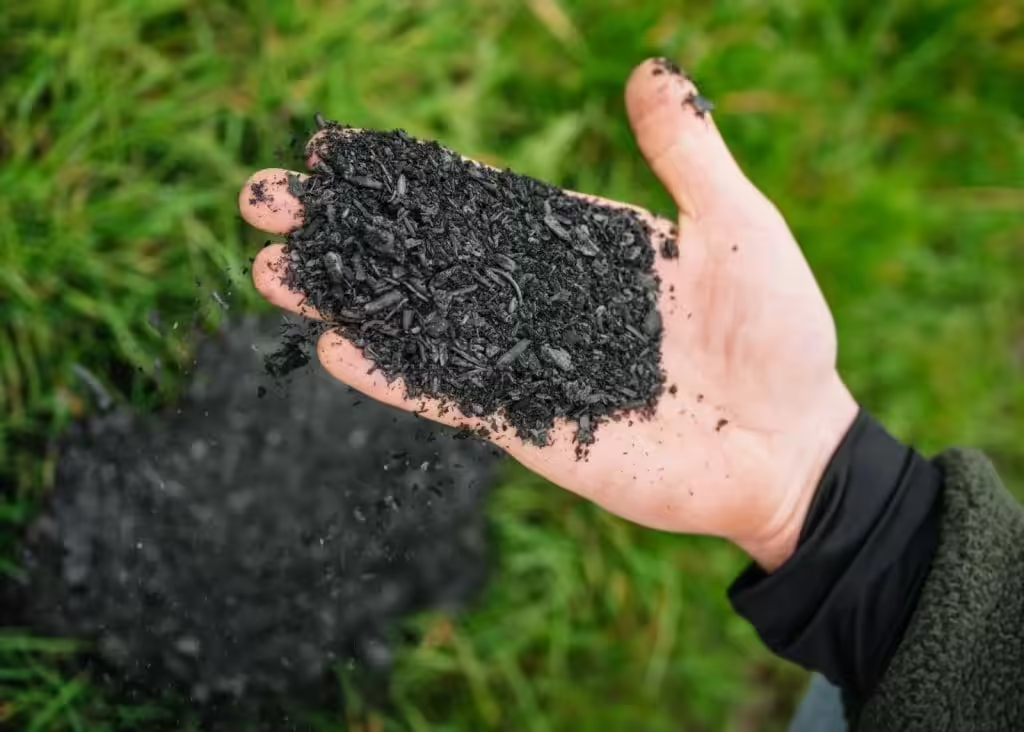
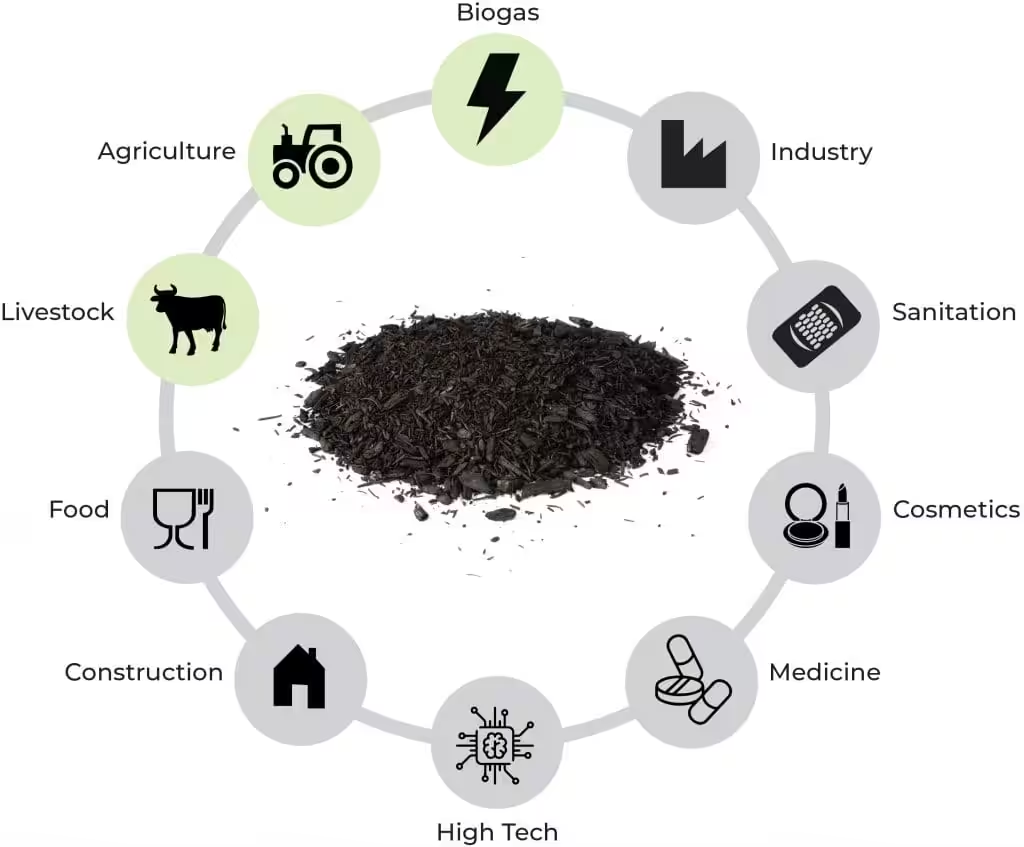
- Biochar is a charcoal-like substance produced by heating organic material (biomass) in a low-oxygen environment, a process known as pyrolysis. It is produced from agricultural residue and organic municipal solid waste.
- Its by-products like syngas and bio oil can also be used as fuel.
- It offers a sustainable alternative to manage waste and capture carbon.
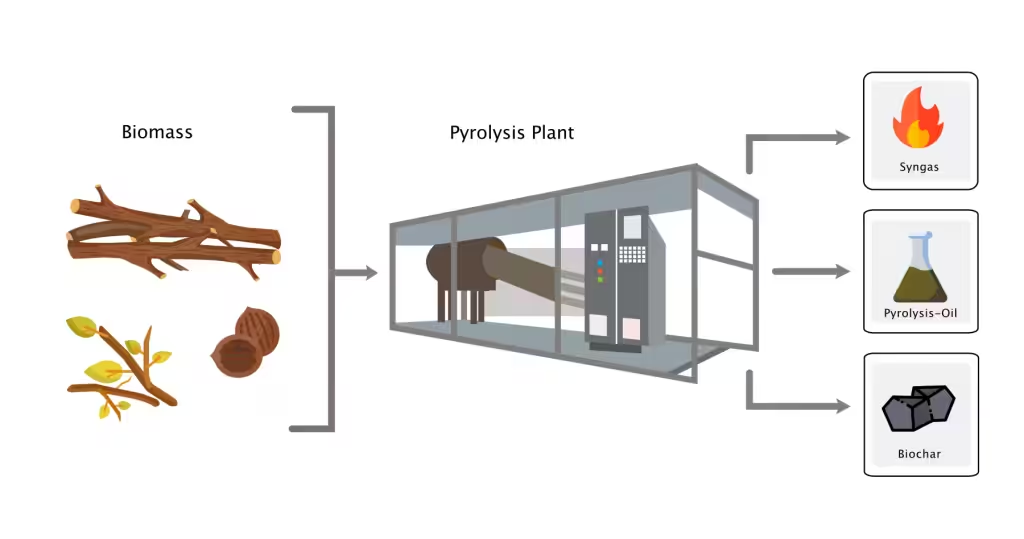
Properties of Biochar:-
- High Carbon Content and Stability: Biochar is composed of a large amount of stable carbon, which doesn’t easily decompose allowing it to remain in the soil for centuries, making it an effective tool for carbon sequestration.
- Porous Structure: Its highly porous, sponge-like structure gives it a large surface area enabling it to absorb and hold water and nutrients, improving the soil’s water retention and nutrient-holding capacity.
- Alkaline pH: Biochar generally has an alkaline pH, which can help to neutralize acidic soils.
- High Cation Exchange Capacity (CEC): Biochar’s high CEC helps it retain positively charged nutrients like calcium, magnesium, and potassium, preventing them from leaching out of the soil and making them more available for plants.
- Microbial Habitat: The porous structure provides a safe haven for beneficial soil microorganisms, enhancing microbial activity and overall soil fertility.
What are Biochar’s potential applications and benefits?
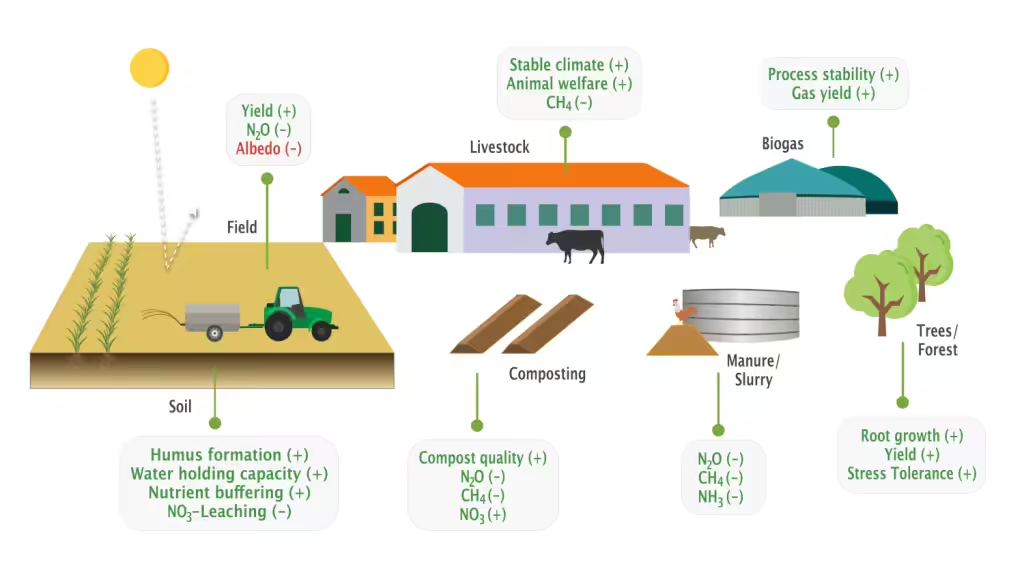
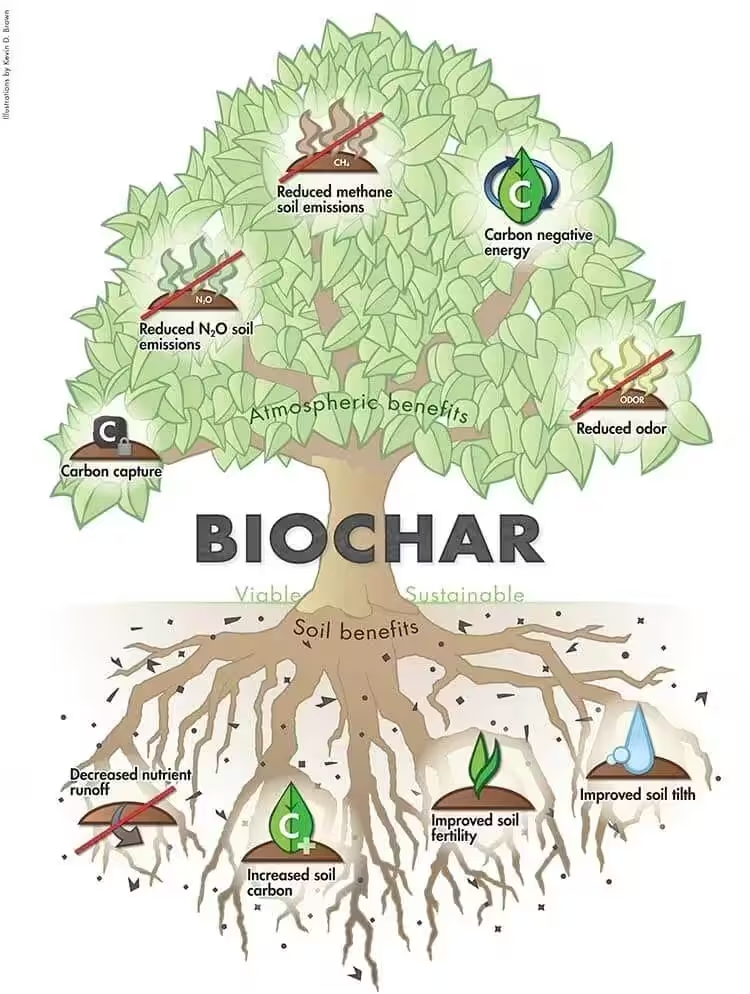
- Huge generation of waste in India: India generates over 600 million metric tonnes of agricultural residue and over 60 million tonnes of municipal solid waste every year. A significant portion of both is burnt openly or dumped in landfills, leading to air pollution from particulate matter and greenhouse gases such as methane, nitrous oxide, and CO2.
- Reduce fossil fuel import and lower emissions enabling ‘just transition’ : By using 30% to 50% of this surplus waste, India can produce 15-26 million tonnes of biochar and remove 0.1 gigatonnes of CO2-equivalent annually.
- Utilising syngas could generate around 8-13 TWh of power, equivalent to 0.5-0.7% of India’s annual electricity generation, replacing 0.4-0.7 million tonnes of coal per year.
- Bio-oil can likewise potentially offset 8% of diesel or kerosene production annually, leading to lower crude oil imports and reducing more than 2% of India’s total fossil-fuel-based emissions.
- An effective long-term carbon sink : Biochar can hold carbon in the soil for 100-1,000 years due to its strong and stable characteristics.
- In agriculture :
- applying biochar can improve water retention, particularly in semi-dry and nutrient-depleted soils.
- This, in turn, can abate nitrous oxide emissions by 30-50%.
- Biochar can also enhance soil organic carbon, helping restore degraded soils.
- lower fertilizer requirement (by 10-20%), and higher crop yield (by 10-25%)
- In carbon capture applications, modified biochar can adsorb CO₂ from industrial exhaust gases. However, its carbon removal efficiency is currently lower than that of conventional methods.
- In the construction sector, biochar can be explored as a low-carbon alternative to building materials. Adding 2-5% of biochar to concrete can improve mechanical strength, increase heat resistance by 20%, and capture 115 kg of CO₂ per cubic metre, making building materials a stable carbon sink.
- In wastewater treatment, biochar offers a low-cost and effective option to reduce pollution. A kilogram of biochar, along with other substances, can treat 200-500 litres of wastewater, implying a biochar demand potential of 2.5-6.3 million tonnes.
- India generates more than 70 billion litres of wastewater every day, of which 72% waste water is left untreated.
Challenges in Biochar Application:
- A lack of coordination across areas such as agriculture, energy, and climate policy.
- Absence of standardised feedstock markets and lack of consistent carbon accounting methods, a problem common across carbon market initiatives.
- Limited resources, evolving technologies, market uncertainties, and insufficient policy support.
- Viable business models are yet to emerge for large-scale adoption.
- Limited awareness among stakeholders about the potential usages of Biochar.
- Weak ‘monitoring, reporting, verification frameworks of biochar efficiency and benefits in terms of carbon captured etc.’ to claim incentives and credits.
Way Ahead:
- Sustained support for R&D is essential to create region-specific feedstock standards and to optimise biomass utilisation rates based on agro-climatic zones and crop types.
- Biochar should be systematically integrated into existing and upcoming frameworks, including crop residue management schemes, bioenergy initiatives in both urban and rural contexts, and state-level climate strategies under the State Action Plans on Climate Change.
- Recognising biochar as a verifiable carbon removal pathway within the Indian carbon market will generate additional income for investors and farmers through carbon credits.
- Deploying biochar production equipment at the village level has the potential to create approximately 5.2 lakh rural jobs, linking climate action with inclusive economic development.
In sum, although biochar is not a silver bullet, it offers a science-backed multisectoral pathway for India to achieve its climate and development goals and enable a ‘just transition’ towards cleaner fuel while going Net Zero by 2070.
E 20 Fuel


Why in news:
The Union Minister Nitin Gadkari blamed “political conspiracy” by petrol lobby for social media outrage over shift to E20 and an expected surge in maintenance costs, while petrol prices remain unchanged.
UPSC Relevance :
Fuel and Energy has been a recurrent theme in Prelims.
UPSC PYQ Prelims 2020:
Q: According to India’s National Policy on Biofuels, which of the following can be used as raw materials for the production of biofuels?
1. Cassava
2. Damaged wheat grains
3. Groundnut seeds
4. Horse grams
5. Rotten potatoes
6. Sugar beet
Select the correct answer using the code given below:
(a) 1, 2, 5 and 6 only
(b) 1, 3, 4 and 6 only
(c) 2, 3, 4 and 5 only
(d) 1, 2, 3, 4, 5 and 6
Prelims 2025:
Q. Consider the following statements:
Statement I: Of the two major ethanol producers in the world, i.e., Brazil and the United States of America, the former produces more ethanol than the latter.
Statement II: Unlike in the United States of America where corn is the principal feedstock for ethanol production, sugarcane is the principal feedstock for ethanol production in Brazil.
Which one of the following is correct in respect of the above statements?
[A] Both Statement I and Statement II are correct and Statement II explains Statement I
[B] Both Statement I and Statement II are correct but Statement II does not explain Statement I
[C] Statement I is correct but Statement II is not correct
[D] Statement I is not correct but Statement II is correct
About E 20 fuel:
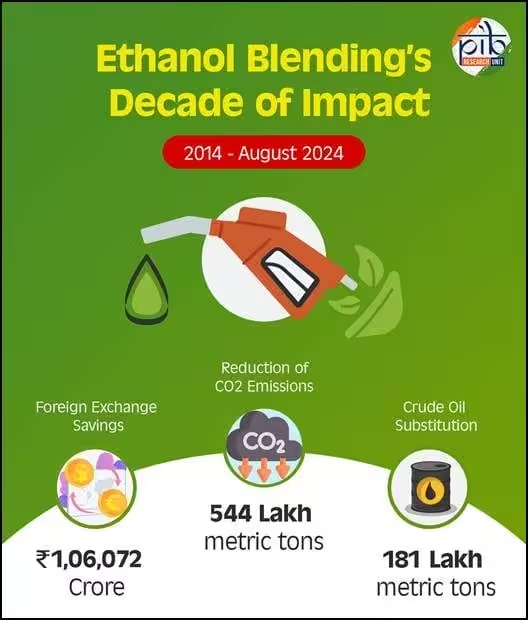
- E20 refers to a motor fuel blend consisting of 20% ethanol and 80% gasoline. It’s part of the government’s Ethanol Blending Programme (EBP).
- While the blending may lead to minor impact on vehicle mileage but it has various other benefits for the country.
- reduce the country’s dependence on crude oil imports
- cut down on greenhouse gas emissions
- boost the rural economy by boosting farmer incomes.
Ethanol
Ethanol, also known as ethyl alcohol, is a clear, colorless liquid and a key component in alcoholic beverages. However, its importance extends far beyond that, particularly as a biofuel.
- Renewable Fuel: Ethanol is considered a renewable fuel because it is produced from biomass, primarily plant-based materials.
- Fuel Blending: In the context of fuel, ethanol is a common additive to gasoline. Blends like E10 (10% ethanol, 90% gasoline) and E20 (20% ethanol, 80% gasoline) are widely used to reduce air pollution and decrease the reliance on fossil fuels.
- High Octane: Ethanol has a high octane rating, which can improve engine performance and reduce engine knocking when blended with lower-octane gasoline.
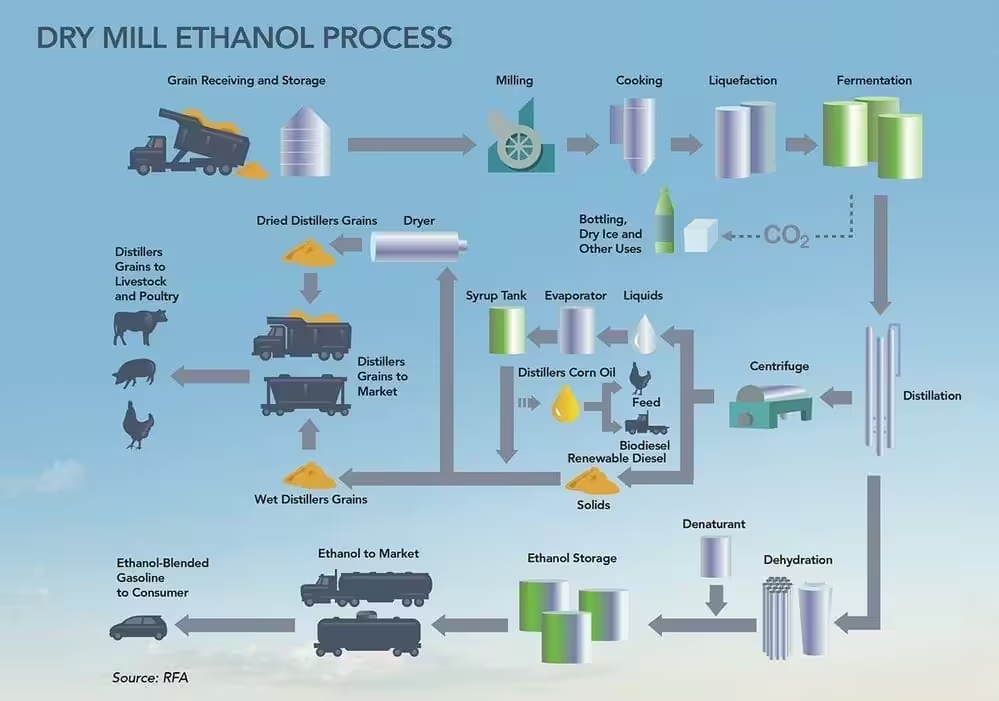
- Production Process: The production of ethanol involves the fermentation of sugars or starches from various crops.
- Other Uses: Beyond fuel, ethanol is a crucial industrial chemical. It is used as a solvent in a wide range of products, including cosmetics, medicines, paints, and cleaning products.
Largest Producers of Ethanol in World:
The United States and Brazil are by far the two largest producers of ethanol in the world, together accounting for a significant majority of the global supply.
Top producers:
- United States: The United States is the world’s largest producer of ethanol. Its production is predominantly from corn.
- Brazil: Brazil is the second-largest producer. It has a long-standing and well-established ethanol program, with sugarcane as its primary feedstock.
- India: India has rapidly increased its ethanol production and has emerged as the third-largest producer in the world.
- In India Uttar Pradesh and Maharashtra are top ethanol producing states.
National Policy on Biofuels:
Blending Targets and Goals:
- The policy initially set an indicative target of 20% ethanol blending in petrol and 5% biodiesel blending in diesel by 2030.
- However, the government has advanced the target for 20% ethanol blending to 2025-26.
- For biojet fuel, there are indicative blending targets of 1% by 2027 and 2% by 2028 for international flights originating from India.
Expansion of Feedstock:
- The policy expands the range of raw materials that can be used for biofuel production.
- For ethanol, it includes sugarcane juice, sugar-containing materials (like sugar beet and sweet sorghum), starch-containing materials (like corn and cassava), and damaged food grains (such as wheat and broken rice) that are unfit for human consumption.
- For biodiesel, it encourages the use of non-edible oilseeds, used cooking oil, and short-gestation crops.
- The policy also allows for the use of surplus food grains for ethanol production with the approval of the National Biofuel Coordination Committee.
Categorization of Biofuels:
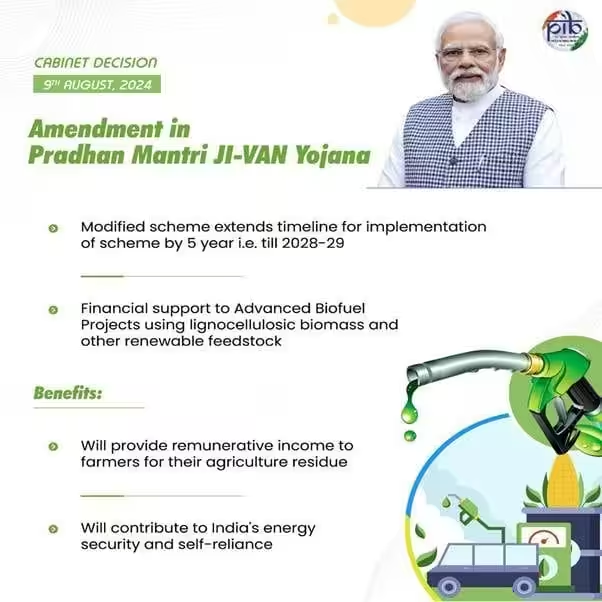
- The policy categorizes biofuels into “Basic Biofuels” (First Generation, or 1G) like bioethanol and biodiesel, and “Advanced Biofuels” (Second Generation, or 2G) such as ethanol from agricultural residue, Municipal Solid Waste (MSW) to drop-in fuels, and Third Generation (3G) biofuels.
| Biofuel Generation | Description | Examples |
| First-Generation | Produced directly from edible food crops. This generation is often criticized for competing with food supplies. | Ethanol from corn, sugarcane, or wheat; biodiesel from soybean, palm, or rapeseed oil. |
| Second-Generation | Derived from non-food sources, such as agricultural waste, lignocellulosic biomass, and dedicated energy crops. These don’t compete with food resources. | Cellulosic ethanol from switchgrass or corn stover; biodiesel from jatropha oil or waste cooking oil. |
| Third-Generation | Produced from algae or other microorganisms. These have a high growth rate and don’t require arable land. | Biodiesel from algae; biobutanol from microalgae. |
| Fourth-Generation | Still in the research and development phase, this generation aims to genetically engineer organisms to produce biofuels more efficiently or to capture carbon during production. | “Designer” algae or bacteria engineered to produce specific hydrocarbons; fuels produced from a combination of biomass and carbon capture and storage (BECCS). |
Financial and Strategic Support:
- The policy provides a viability gap funding scheme for advanced biofuel (2G) biorefineries.
- It offers tax incentives and a higher purchase price for advanced biofuels compared to 1G biofuels.
- It encourages the development of supply chain mechanisms for biofuel production.
- The policy also aims to support research, development, and innovation in biofuel technology.
Other Schemes:
Positive Impact: