Daily Digest
UPSC · Civil Services Examination
Current Affairs · Tuesday, 24 February 2026
Current affairs curated and edited by Anantam IAS faculty — pulled from The Hindu, PIB, IDSA, Foreign Affairs and the ministries. Read, annotate, revise.
Old Rajinder Nagar · Delhi 110005 · anantamias.com
Cabinet Approval for Srinagar Airport Expansion Signals a Strategic Connectivity Push
Why in News?
On 24 February 2026, Cabinet Approval for Srinagar Airport Expansion Signals a Strategic Connectivity Push emerged as an important current-affairs theme through an official communication linked to Ministry of Civil Aviation. For UPSC aspirants, the topic is valuable not only because it marks a specific event, but because it opens a wider window into how policy, institutions, and development processes are evolving in India.
The official anchor for the topic is Minister for Civil Aviation Shri Kinjarapu Ram Mohan Naidu Welcomes Cabinet Approval for Expansion of Srinagar International Airport. That matters because serious preparation requires moving beyond headlines and asking three connected questions: what happened, why now, and what deeper historical, economic, political, or governance trend this event reflects.
UPSC Relevance
- Prelims: projects, corridors, airports, metro systems, regulators, and regional connectivity facts
- Mains: GS III on infrastructure, logistics, urban development, and regional integration
- Minister for Civil Aviation, Shri Kinjarapu Ram Mohan Naidu, has welcomed the approval
- The project, to be implemented by the Airports Authority of India (AAI), marks a
- Under the visionary leadership of Prime Minister Shri Narendra Modi, the Government
What Happened?
Minister for Civil Aviation, Shri Kinjarapu Ram Mohan Naidu, has welcomed the approval of the Cabinet Committee on Economic Affairs for the ₹1,677 crore expansion of the Civil Enclave at Srinagar International Airport. The project, to be implemented by the Airports Authority of India (AAI), marks a historic milestone in strengthening aviation infrastructure and accelerating inclusive development in Jammu & Kashmir.
Under the visionary leadership of Prime Minister Shri Narendra Modi, the Government remains committed to transforming regional connectivity and unlocking the immense economic potential of the Union Territory. Srinagar International Airport currently handles approximately 44.7 lakh passengers annually (FY 2024–25), nearly 28,500 aircraft movements, and around 10,000 metric tonnes of cargo.
Read together, the event can be understood through three immediate takeaways: Minister for Civil Aviation, Shri Kinjarapu Ram Mohan Naidu, has welcomed the approval of the Cabinet Committee on Economic Affairs for the ₹1,677 crore expansion of the Civil Enclave at Srinagar International Airport., The project, to be implemented by the Airports Authority of India (AAI), marks a historic milestone in strengthening aviation infrastructure and accelerating inclusive development in Jammu & Kashmir., and Under the visionary leadership of Prime Minister Shri Narendra Modi, the Government remains committed to transforming regional connectivity and unlocking the immense economic potential of the Union Territory.. These are the factual anchors, but the real UPSC value lies in connecting those facts with the broader story behind them.
Why it Matters
For UPSC, the significance of this topic lies in the fact that it sits at the intersection of current developments and structural change. Whether one looks at it from the lens of governance, economy, diplomacy, social policy, or strategic planning, the topic shows how day-to-day announcements often reveal larger shifts in India's state capacity and developmental priorities.
In answer writing, this makes the topic especially useful. It can serve as a factual illustration in Prelims preparation and as a layered example in Mains where the examiner expects candidates to connect institutions, outcomes, and wider policy direction.
What You Must Learn
Bottom Line
Cabinet Approval for Srinagar Airport Expansion Signals a Strategic Connectivity Push is important because it allows aspirants to move from a narrow event-based reading of current affairs to a broader understanding of how history, institutions, economy, politics, and governance intersect in contemporary India.
Use the topic to explain how physical connectivity influences regional growth and state capacity.
Related Current Affairs
- Noida Metro Extension Shows How Urban Mobility is Becoming a Governance Priority
- Passenger Facilitation Measures Gain Attention in Civil Aviation
- Development Projects at Rairangpur Reflect the Importance of Regional Infrastructure
Exam Oriented Questions
Why is this topic in the news?
It is in the news because an official development related to **Cabinet Approval for Srinagar Airport Expansion Signals a Strategic Connectivity Push** was recorded on 24 February 2026.
Which official institution or source is associated with this topic?
The topic is anchored in an official source associated with **Ministry of Civil Aviation**, and aspirants should remember the source title **Minister for Civil Aviation Shri Kinjarapu Ram Mohan Naidu Welcomes Cabinet Approval for Expansion of Srinagar International Airport**.
What is the core issue involved here?
The core issue revolves around minister for civil aviation, shri kinjarapu ram mohan naidu, has welcomed the approval of the cabinet committee on economic affairs for the ₹1,677 crore expansion of the civil enclave at srinagar international airport, along with its wider institutional and policy implications.
How is this topic relevant for UPSC Prelims?
It is relevant for Prelims because it covers projects, corridors, airports, metro systems, regulators, and regional connectivity facts.
How is this topic relevant for UPSC Mains?
It is relevant for Mains because it can be used in GS III on infrastructure, logistics, urban development, and regional integration.
What wider context should aspirants connect with this topic?
Aspirants should connect this event with the wider context of historically, infrastructure has been one of the clearest ways in which the indian state translates developmental intent into visible public outcomes.
Does this topic have an economic, political, or social angle?
Yes. Economically, better connectivity changes logistics costs, market access, labour mobility, and the geography of growth. Politically, infrastructure projects also reflect state capacity, regional prioritisation, and the promise of balanced development.
How can this topic be used in answer writing?
It can be used as a recent example to strengthen analytical arguments, especially where the question asks how policy intent translates into institutional or developmental outcomes.
What factual points should be revised first?
Revise the event date, the official source, and these quick points: Minister for Civil Aviation, Shri Kinjarapu Ram Mohan Naidu, has welcomed the approval of the Cabinet Committee on Economic Affairs for the ₹1,677 crore expansion of the Civil Enclave at Srinagar International Airport., The project, to be implemented by the Airports Authority of India (AAI), marks a historic milestone in strengthening aviation infrastructure and accelerating inclusive development in Jammu & Kashmir., Under the visionary leadership of Prime Minister Shri Narendra Modi, the Government remains committed to transforming regional connectivity and unlocking the immense economic potential of the Union Territory..
What is the one-line exam takeaway?
Cabinet Approval for Srinagar Airport Expansion Signals a Strategic Connectivity Push is important because it combines current relevance with a larger story about institutions, development, and public policy.
Election Coordination Conference Reflects the Federal Nature of India’s Electoral Machinery
Why in News?
On 24 February 2026, Election Coordination Conference Reflects the Federal Nature of India's Electoral Machinery emerged as an important current-affairs theme through an official communication linked to Press Information Bureau. For UPSC aspirants, the topic is valuable not only because it marks a specific event, but because it opens a wider window into how policy, institutions, and development processes are evolving in India.
The official anchor for the topic is National Round Table Conference of ECI and State Election Commissioners, 2026 concludes in New Delhi. That matters because serious preparation requires moving beyond headlines and asking three connected questions: what happened, why now, and what deeper historical, economic, political, or governance trend this event reflects.
UPSC Relevance
- Prelims: institutions, administrative mechanisms, schemes, regulations, and delivery platforms
- Mains: GS II on governance, reforms, public administration, and institutional capacity
- thematic sessions and bilateral meetings, and the formal adoption of the Delhi
- National Round Table Conference of the Election Commission of India & State Election
- The development is relevant for UPSC because it connects to larger issues reflected in
What Happened?
thematic sessions and bilateral meetings, and the formal adoption of the Delhi Declaration 2026. National Round Table Conference of the Election Commission of India & State Election Commissioners
National Round Table Conference of the Election Commission of India & State Election Commissioners
Read together, the event can be understood through three immediate takeaways: thematic sessions and bilateral meetings, and the formal adoption of the Delhi Declaration 2026., National Round Table Conference of the Election Commission of India & State Election Commissioners, and The development is relevant for UPSC because it connects to larger issues reflected in election coordination conference reflects the federal nature of india's electoral machinery.. These are the factual anchors, but the real UPSC value lies in connecting those facts with the broader story behind them.
Why it Matters
For UPSC, the significance of this topic lies in the fact that it sits at the intersection of current developments and structural change. Whether one looks at it from the lens of governance, economy, diplomacy, social policy, or strategic planning, the topic shows how day-to-day announcements often reveal larger shifts in India's state capacity and developmental priorities.
In answer writing, this makes the topic especially useful. It can serve as a factual illustration in Prelims preparation and as a layered example in Mains where the examiner expects candidates to connect institutions, outcomes, and wider policy direction.
What You Must Learn
Bottom Line
Election Coordination Conference Reflects the Federal Nature of India's Electoral Machinery is important because it allows aspirants to move from a narrow event-based reading of current affairs to a broader understanding of how history, institutions, economy, politics, and governance intersect in contemporary India.
Use the topic to highlight the importance of institutions, procedural reform, and administrative accountability.
Related Current Affairs
- EVM-VVPAT Awareness Campaign Reflects the Institutional Side of Electoral Trust
- ECI and State Election Commissions Resolve to Strengthen Electoral Coordination
- Toy Quality Enforcement Shows Why Consumer Regulation Matters
Exam Oriented Questions
Why is this topic in the news?
It is in the news because an official development related to **Election Coordination Conference Reflects the Federal Nature of India's Electoral Machinery** was recorded on 24 February 2026.
Which official institution or source is associated with this topic?
The topic is anchored in an official source associated with **Press Information Bureau**, and aspirants should remember the source title **National Round Table Conference of ECI and State Election Commissioners, 2026 concludes in New Delhi**.
What is the core issue involved here?
The core issue revolves around thematic sessions and bilateral meetings, and the formal adoption of the delhi declaration 2026, along with its wider institutional and policy implications.
How is this topic relevant for UPSC Prelims?
It is relevant for Prelims because it covers institutions, administrative mechanisms, schemes, regulations, and delivery platforms.
How is this topic relevant for UPSC Mains?
It is relevant for Mains because it can be used in GS II on governance, reforms, public administration, and institutional capacity.
What wider context should aspirants connect with this topic?
Aspirants should connect this event with the wider context of historically, many of india's reform efforts have succeeded or failed depending on the quality of institutional design and administrative follow-through.
Does this topic have an economic, political, or social angle?
Yes. Economically and socially, governance reforms matter because they determine how effectively public resources translate into outcomes on the ground. Politically, such developments illustrate the constant negotiation between central direction, state-level implementation, and citizen expectations.
How can this topic be used in answer writing?
It can be used as a recent example to strengthen analytical arguments, especially where the question asks how policy intent translates into institutional or developmental outcomes.
What factual points should be revised first?
Revise the event date, the official source, and these quick points: thematic sessions and bilateral meetings, and the formal adoption of the Delhi Declaration 2026., National Round Table Conference of the Election Commission of India & State Election Commissioners, The development is relevant for UPSC because it connects to larger issues reflected in election coordination conference reflects the federal nature of india's electoral machinery..
What is the one-line exam takeaway?
Election Coordination Conference Reflects the Federal Nature of India's Electoral Machinery is important because it combines current relevance with a larger story about institutions, development, and public policy.
GIFT City to Shahpur Metro Extension Shows How Finance Hubs Need Mobility Infrastructure
Why in News?
On 24 February 2026, GIFT City to Shahpur Metro Extension Shows How Finance Hubs Need Mobility Infrastructure emerged as an important current-affairs theme through an official communication linked to Press Information Bureau. For UPSC aspirants, the topic is valuable not only because it marks a specific event, but because it opens a wider window into how policy, institutions, and development processes are evolving in India.
The official anchor for the topic is Cabinet approves extension of existing North-South corridor from GIFT City to Shahpur of Gujarat Metro Rail Corporation Limited (GMRC). That matters because serious preparation requires moving beyond headlines and asking three connected questions: what happened, why now, and what deeper historical, economic, political, or governance trend this event reflects.
UPSC Relevance
- Prelims: projects, corridors, airports, metro systems, regulators, and regional connectivity facts
- Mains: GS III on infrastructure, logistics, urban development, and regional integration
- The Union Cabinet chaired by the Prime Minister, Shri Narendra Modi, today approved the
- The project is scheduled to be completed in approximately four years.
- The estimated cost of the project is Rs.1,067.35 crore.
What Happened?
The Union Cabinet chaired by the Prime Minister, Shri Narendra Modi, today approved the extension, from GIFT City to Shahpur, will be 3.33 kilometers long and include three elevated stations. The project is scheduled to be completed in approximately four years.
The estimated cost of the project is Rs.1,067.35 crore. This extended corridor is expected to benefit approximately 23,702 passengers in 2029 and approximately 58,059 passengers in 2041.
Read together, the event can be understood through three immediate takeaways: The Union Cabinet chaired by the Prime Minister, Shri Narendra Modi, today approved the extension, from GIFT City to Shahpur, will be 3.33 kilometers long and include three elevated stations., The project is scheduled to be completed in approximately four years., and The estimated cost of the project is Rs.1,067.35 crore.. These are the factual anchors, but the real UPSC value lies in connecting those facts with the broader story behind them.
Why it Matters
For UPSC, the significance of this topic lies in the fact that it sits at the intersection of current developments and structural change. Whether one looks at it from the lens of governance, economy, diplomacy, social policy, or strategic planning, the topic shows how day-to-day announcements often reveal larger shifts in India's state capacity and developmental priorities.
In answer writing, this makes the topic especially useful. It can serve as a factual illustration in Prelims preparation and as a layered example in Mains where the examiner expects candidates to connect institutions, outcomes, and wider policy direction.
What You Must Learn
Bottom Line
GIFT City to Shahpur Metro Extension Shows How Finance Hubs Need Mobility Infrastructure is important because it allows aspirants to move from a narrow event-based reading of current affairs to a broader understanding of how history, institutions, economy, politics, and governance intersect in contemporary India.
Use the topic to explain how physical connectivity influences regional growth and state capacity.
Related Current Affairs
- Noida Metro Extension Shows How Urban Mobility is Becoming a Governance Priority
- Passenger Facilitation Measures Gain Attention in Civil Aviation
- Development Projects at Rairangpur Reflect the Importance of Regional Infrastructure
Exam Oriented Questions
Why is this topic in the news?
It is in the news because an official development related to **GIFT City to Shahpur Metro Extension Shows How Finance Hubs Need Mobility Infrastructure** was recorded on 24 February 2026.
Which official institution or source is associated with this topic?
The topic is anchored in an official source associated with **Press Information Bureau**, and aspirants should remember the source title **Cabinet approves extension of existing North-South corridor from GIFT City to Shahpur of Gujarat Metro Rail Corporation Limited (GMRC)**.
What is the core issue involved here?
The core issue revolves around the union cabinet chaired by the prime minister, shri narendra modi, today approved the extension, from gift city to shahpur, will be 3.33 kilometers long and include three elevated stations, along with its wider institutional and policy implications.
How is this topic relevant for UPSC Prelims?
It is relevant for Prelims because it covers projects, corridors, airports, metro systems, regulators, and regional connectivity facts.
How is this topic relevant for UPSC Mains?
It is relevant for Mains because it can be used in GS III on infrastructure, logistics, urban development, and regional integration.
What wider context should aspirants connect with this topic?
Aspirants should connect this event with the wider context of historically, infrastructure has been one of the clearest ways in which the indian state translates developmental intent into visible public outcomes.
Does this topic have an economic, political, or social angle?
Yes. Economically, better connectivity changes logistics costs, market access, labour mobility, and the geography of growth. Politically, infrastructure projects also reflect state capacity, regional prioritisation, and the promise of balanced development.
How can this topic be used in answer writing?
It can be used as a recent example to strengthen analytical arguments, especially where the question asks how policy intent translates into institutional or developmental outcomes.
What factual points should be revised first?
Revise the event date, the official source, and these quick points: The Union Cabinet chaired by the Prime Minister, Shri Narendra Modi, today approved the extension, from GIFT City to Shahpur, will be 3.33 kilometers long and include three elevated stations., The project is scheduled to be completed in approximately four years., The estimated cost of the project is Rs.1,067.35 crore..
What is the one-line exam takeaway?
GIFT City to Shahpur Metro Extension Shows How Finance Hubs Need Mobility Infrastructure is important because it combines current relevance with a larger story about institutions, development, and public policy.
Can India’s power system keep up with the explosion in data centres?
Why in News:
- At the India AI Impact Summit (2026), senior officials from Grid India warned that AI data centres may alter grid planning due to their large, dynamic power demand.
- Discussions have intensified around renewable integration, storage, and the possible role of nuclear energy in powering hyperscale AI infrastructure.
UPSC Relevance:
GS III – Infrastructure, Energy, Environment, Science & Technology
Introduction
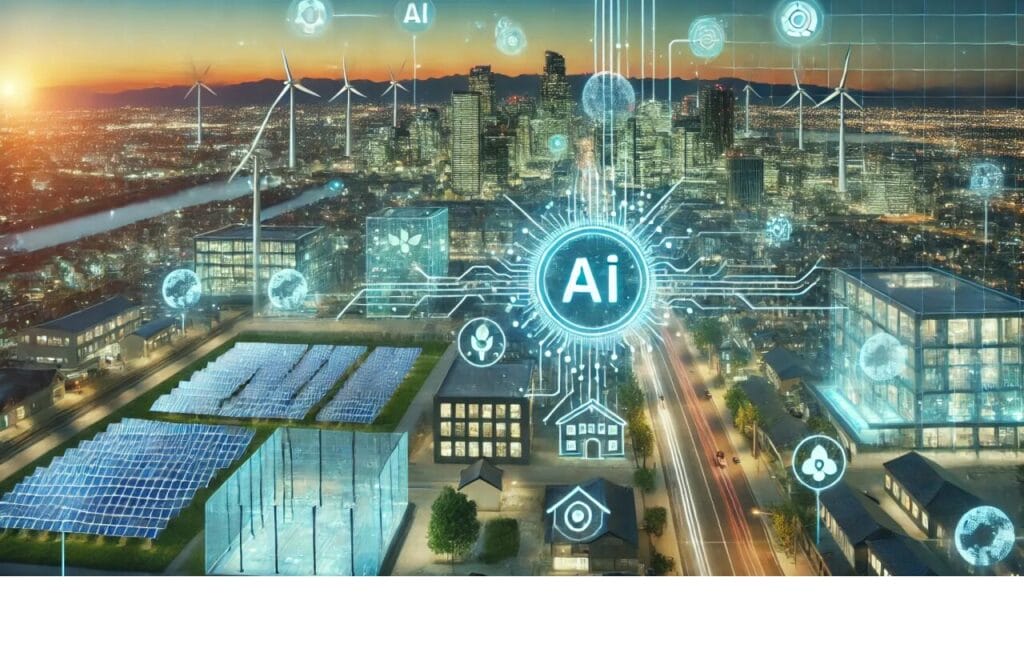
Artificial Intelligence (AI) is emerging as a foundational technology for economic growth, governance, healthcare, logistics, and defence. However, AI systems depend on energy-intensive data centres that operate 24/7 and require continuous electricity and cooling.
India, while aspiring to become a global AI hub, has also committed to achieving Net Zero emissions by 2070. This raises a critical policy question:
- Can India expand AI infrastructure without undermining its climate commitments and grid stability?
Why is AI Increasing Energy Demand in India?
AI workloads, especially those using advanced GPUs, are significantly more energy-intensive than conventional cloud computing.
Growth Indicators:
- Installed data centre capacity:
- ~520 MW (2020)
- ~1.2–1.5 GW (2025)
- 6–10 GW projected by 2030
- Electricity demand from data centres could increase from ~0.5 GW today to ~7 GW by 2030.
- Water consumption estimated at ~150 billion litres in 2024.
Why Energy Demand is High:
- 24/7 operations
- High-performance computing
- Cooling requirements in tropical climate
- Backup and redundancy systems
Thus, AI is not merely a digital phenomenon; it is an infrastructure and energy challenge.
How Do Data Centres Affect Grid Stability?
According to Grid India, AI data centres are:
- Large transmission-level loads
- Highly concentrated geographically
- Variable and “spiky” in demand
- Capable of sudden grid isolation (“silent exit”)
Grid Risks:
- Disturbance due to sudden load withdrawal.
- Increased reserve and balancing requirements.
- Stress on transmission infrastructure.
- Need for higher-quality, uninterrupted power.
Traditional grid planning, designed for gradual industrial demand growth, must now adapt to hyperscale AI loads.
What are the Environmental Concerns?
(A) Carbon Emissions Risk
India’s renewable energy capacity has expanded significantly, yet renewables are intermittent.
AI data centres require:
- Firm, baseload electricity.
- High reliability.
If powered by fossil fuels, they could:
- Lock India into carbon-intensive pathways.
- Increase emissions trajectory.
- Complicate Net Zero 2070 target.
(B) Water Stress
Cooling infrastructure consumes enormous quantities of water.
Concerns:
- Major data centre hubs (Mumbai, Chennai, Hyderabad, Bengaluru) are water-stressed.
- Trade-off between air cooling (energy-intensive) and water cooling (water-intensive).
Thus, AI growth intersects with urban water governance.
What are the Policy Gaps in India?
Despite rapid expansion, regulatory preparedness remains limited.
Key Gaps:
- No mandatory environmental disclosure
- No compulsory reporting of:
- Power Use Efficiency (PUE)
- Water Use Efficiency (WUE)
- Carbon intensity
- No compulsory reporting of:
- Fragmented policy framework
- 15 states have data centre policies.
- Only a few incorporate sustainability norms.
- No binding national AI-energy framework.
- Lack of strategic siting policy
- No national plan for data centre zoning aligned with:
- Renewable energy corridors
- Water availability
- Grid readiness
- No national plan for data centre zoning aligned with:
- Grid code limitations
- Standards not yet fully evolved for inverter-based hyperscale loads.
Institutions like the Central Electricity Authority and the Bureau of Energy Efficiency will need to play a stronger regulatory role.
Is the AI vs Climate Debate a False Binary?
The debate is often framed as:
Either pursue AI growth
Or protect climate commitments
However, this framing is flawed.
Why It Is a False Binary:
- AI can improve renewable forecasting.
- AI enhances grid optimisation.
- AI supports energy efficiency.
- AI aids predictive maintenance.
Thus, AI can be both:
- An energy consumer.
- A climate solution enabler.
The challenge is governance design, not technological inevitability.
What Lessons Can India Learn from Global Experiences?
Several countries have faced AI-induced grid stress:
| Country | Response |
| Ireland | Data centres ~20% of electricity; stricter grid rules |
| USA | Co-location with gas plants |
| Singapore | Temporary pause on new data centre approvals |
| Netherlands | Restrictions on hyperscale centres |
Lessons:
- Unplanned expansion leads to fossil lock-in.
- Grid congestion increases consumer tariffs.
- Regulatory delays create policy uncertainty.
India must plan before capacity multiplies.
What Policy Measures Can Align AI Growth with Climate Goals?
(1) Mandatory Efficiency Standards
- Introduce star rating systems for data centres.
- Set benchmarks for energy and water efficiency.
- Mandatory sustainability disclosure.
(2) Renewable + Storage Integration
- Co-location with solar/wind.
- Long-duration storage (battery + pumped hydro).
- Round-the-clock green power contracts.
- Strengthening open access mechanisms.
(3) Grid Modernisation
- Upgrading transmission infrastructure.
- Updating grid codes for dynamic loads.
- Mandating on-site backup and storage.
- Resource adequacy planning.
(4) Strategic Location Planning
- Pre-identified national data centre zones.
- Avoidance of water-stressed areas.
- Alignment with renewable-rich regions.
(5) Role of Nuclear Energy
To achieve Net Zero, modelling suggests India may require large-scale nuclear expansion.
Advantages:
- Low-carbon baseload power.
- Suitable for hyperscale operations.
Challenges:
- High capital cost.
- Long gestation period.
- Social licence and safety concerns.
Therefore, nuclear should complement — not replace — renewables and storage.
How Can Demand-Side Efficiency Reduce Energy Burden?
Energy efficiency must also come from:
- Optimised AI model design.
- Use of heterogeneous computing (not all tasks need high-power GPUs).
- Advanced semiconductor innovations.
- Reduced data movement architectures.
The objective should shift from:
Maximising compute power
to
Maximising social impact per unit of energy consumed.
Conclusion
AI-driven data centres represent a structural transformation in India’s power system.
If poorly planned:
- They risk increasing emissions.
- They may strain grids and water systems.
- They could undermine Net Zero goals.
If strategically integrated:
- They can accelerate renewable adoption.
- Improve grid efficiency.
- Strengthen India’s digital competitiveness sustainably.
Thus, the real policy challenge is not choosing between AI and climate action, but designing an integrated AI–energy governance framework. India’s success will depend on foresight, regulatory clarity, infrastructure planning, and technological optimisation.
Practice Questions
- “Artificial Intelligence is as much an energy challenge as it is a technological revolution.” Discuss in the Indian context.
- Examine the implications of rapid data centre expansion on India’s power sector and climate commitments.
INDIA’S FIRST NATIONAL ANTI-TERROR POLICY: PRAHAAR (2026)
Why in News
In February 2026, the Union Ministry of Home Affairs released India’s first comprehensive counter-terror doctrine titled PRAHAAR. It lays down a National Counter Terrorism Policy and Strategy framework to address evolving security threats.
UPSC Relevance:
GS III – Internal Security, Counter Terrorism
CONTEXT
India has faced multiple forms of terrorism over the decades:
- Cross-border sponsored terrorism.
- Radicalisation and sleeper cell networks.
- Left Wing Extremism.
- Technology-enabled and cyber-driven attacks.
After the weakening of traditional terror networks, the threat has shifted towards hybrid, decentralised and technology-intensive models. The policy recognises this transformation.
GUIDING PRINCIPLES OF PRAHAAR
1. Terrorism Not Linked to Religion or Ethnicity
The policy clearly states that terrorism is not associated with any particular religion, nationality or civilisation. This ensures alignment with constitutional values of secularism and equality.
2. Zero Tolerance Approach
All terrorist acts, financing channels, support systems and safe havens are to be criminalised and dismantled.
3. Whole-of-Government and Whole-of-Society Approach
Counter-terror efforts involve central agencies, state police, intelligence bodies, financial regulators, community leaders and civil society organisations.
NATURE OF THREATS IDENTIFIED
1. Cross-Border Sponsored Terrorism
The policy acknowledges sustained attempts by handlers operating from across India’s borders to recruit, finance and guide attacks through local modules.
Modern tools such as drones and encrypted communications are increasingly being used to smuggle arms and coordinate attacks.
2. Global Terror Networks
India remains a target of international terror organisations such as:
- Al-Qaeda
- Islamic State (ISIS)
These organisations attempt to radicalise individuals through online propaganda, sleeper cells and transnational ideological networks.
3. Cyber Terrorism and Digital Threats
Terrorist actors and hostile nation-states are increasingly targeting India’s digital infrastructure.
Cyber-attacks aim to disrupt essential services such as power grids, railways, aviation, banking and defence systems.
Digital anonymity through encryption, dark web platforms and cryptocurrency wallets makes detection and attribution difficult.
4. Critical Infrastructure Threats
India faces threats across:
- Land: Infiltration, insurgency and sleeper cells.
- Water: Attacks on ports, shipping routes and maritime infrastructure.
- Air: Aviation sabotage and drone-based weapon delivery.
The policy emphasises protection of strategic sectors including defence, space and atomic energy installations.
5. CBRNED Risks
CBRNED refers to threats involving:
- Chemical agents
- Biological agents
- Radiological materials
- Nuclear substances
- Explosives
- Digital sabotage
The misuse of these materials by state or non-state actors could cause mass casualties and long-term disruption.
TECHNOLOGY AND HYBRID WARFARE
The policy recognises that terrorism is no longer confined to physical violence. It now includes:
- Use of drones for arms supply and reconnaissance.
- Social media platforms for recruitment and propaganda.
- Instant messaging apps with strong encryption for operational planning.
- Organised criminal networks for logistics and funding.
This indicates convergence between terrorism, organised crime and cyber warfare.
INSTITUTIONAL AND LEGAL MECHANISMS
1. Role of Investigative Agencies
The National Investigation Agency (NIA) plays a central coordinating role in terrorism-related investigations.
After major incidents, coordination meetings with state anti-terror units are conducted to standardise responses.
2. Uniform Anti-Terror Structure Across States
The policy proposes standardised procedures and coordination mechanisms so that responses to terror threats are consistent across states.
This reduces jurisdictional delays and ensures synergy between agencies.
3. Strengthening Prosecution
Legal experts are to be associated from the FIR stage itself.
Early legal scrutiny ensures that evidence collection and documentation are strong enough to sustain convictions in court.
DERADICALISATION AND PREVENTIVE STRATEGY
1. Graded Response to Radicalisation
Individuals identified as vulnerable to extremist ideologies undergo monitoring, counselling or legal action depending on the severity of radicalisation.
2. Community Engagement
Moderate religious leaders, NGOs and community elders are engaged to counter extremist narratives and promote peaceful discourse.
3. Youth Engagement
Youth are constructively engaged through educational and social initiatives to prevent alienation and vulnerability to recruitment.
4. Prison De-radicalisation
Prison authorities are instructed to prevent hardened extremists from influencing vulnerable inmates.
Structured de-radicalisation programmes are implemented within correctional institutions.
INTERNATIONAL COOPERATION
Terrorism is transnational in nature. The policy emphasises:
- Intelligence sharing with friendly nations.
- Financial tracking to prevent terror financing.
- Regional and multilateral cooperation to curb safe havens abroad.
National action is considered effective only when complemented by international coordination.
LINKAGES WITH EXISTING LEGAL FRAMEWORK
PRAHAAR operates alongside:
- Unlawful Activities (Prevention) Act (UAPA)
- NIA Act
- Information Technology Act
- National Policy on Left Wing Extremism (2015)
The new policy provides strategic coherence to these scattered measures.
SIGNIFICANCE OF PRAHAAR
- It marks a doctrinal shift from reactive response to preventive and ecosystem-based counter-terrorism.
- It recognises the merging of cyber warfare and conventional terrorism.
- It institutionalises coordination between Centre and States.
- It integrates legal, social, technological and diplomatic dimensions into a unified framework.
CONCLUSION
The PRAHAAR policy represents a comprehensive evolution in India’s counter-terror strategy. By addressing cross-border terrorism, cyber threats, radicalisation and transnational networks within a unified framework, it seeks to dismantle not only terror incidents but the entire ecosystem that sustains them. Its long-term success will depend on institutional coordination, technological preparedness, legal robustness and sustained community engagement.
Practice Question
- Terrorism in India has evolved from cross-border infiltration to hybrid and digital threats.”
In this context, analyze how PRAHAAR addresses emerging dimensions of terrorism. - Discuss the challenges in implementing a centralized anti-terror framework in a federal polity like India. How can PRAHAAR overcome these constraints?
Source: https://anantamias.com/current-affairs/indias-first-national-anti-terror-policy-prahaar-2026/