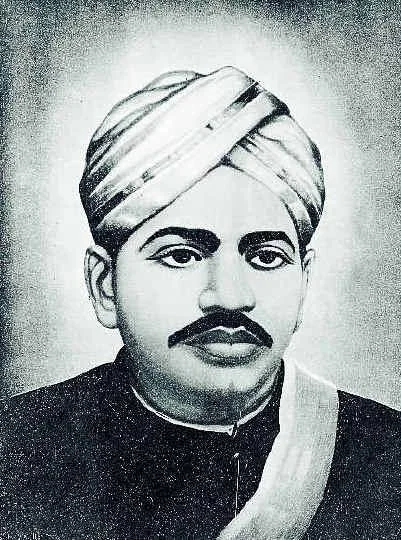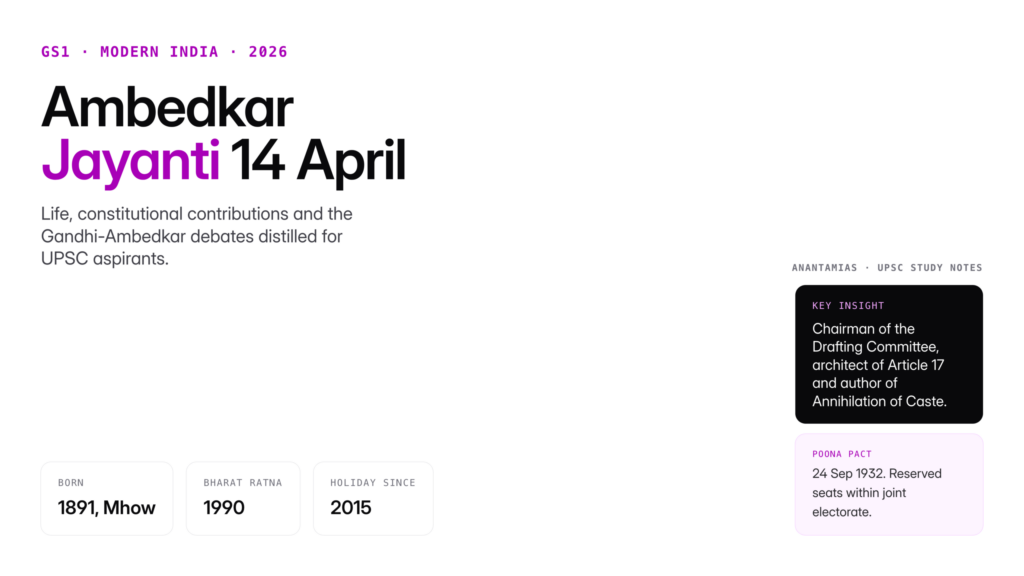
Introduction
Every 14 April, classrooms, Parliament, Chaityabhoomi in Mumbai and Deekshabhoomi in Nagpur fill with garlands, speeches and the familiar blue banners that mark Bhimrao Ambedkar Jayanti. For UPSC aspirants the day is more than a public holiday notified by the Government of India in 2015. It is a prompt to revisit the intellectual life of the man who drafted the Constitution, dismantled the moral case for untouchability and pushed India toward a republican idea of citizenship that still shapes Prelims, Mains and the interview stage.
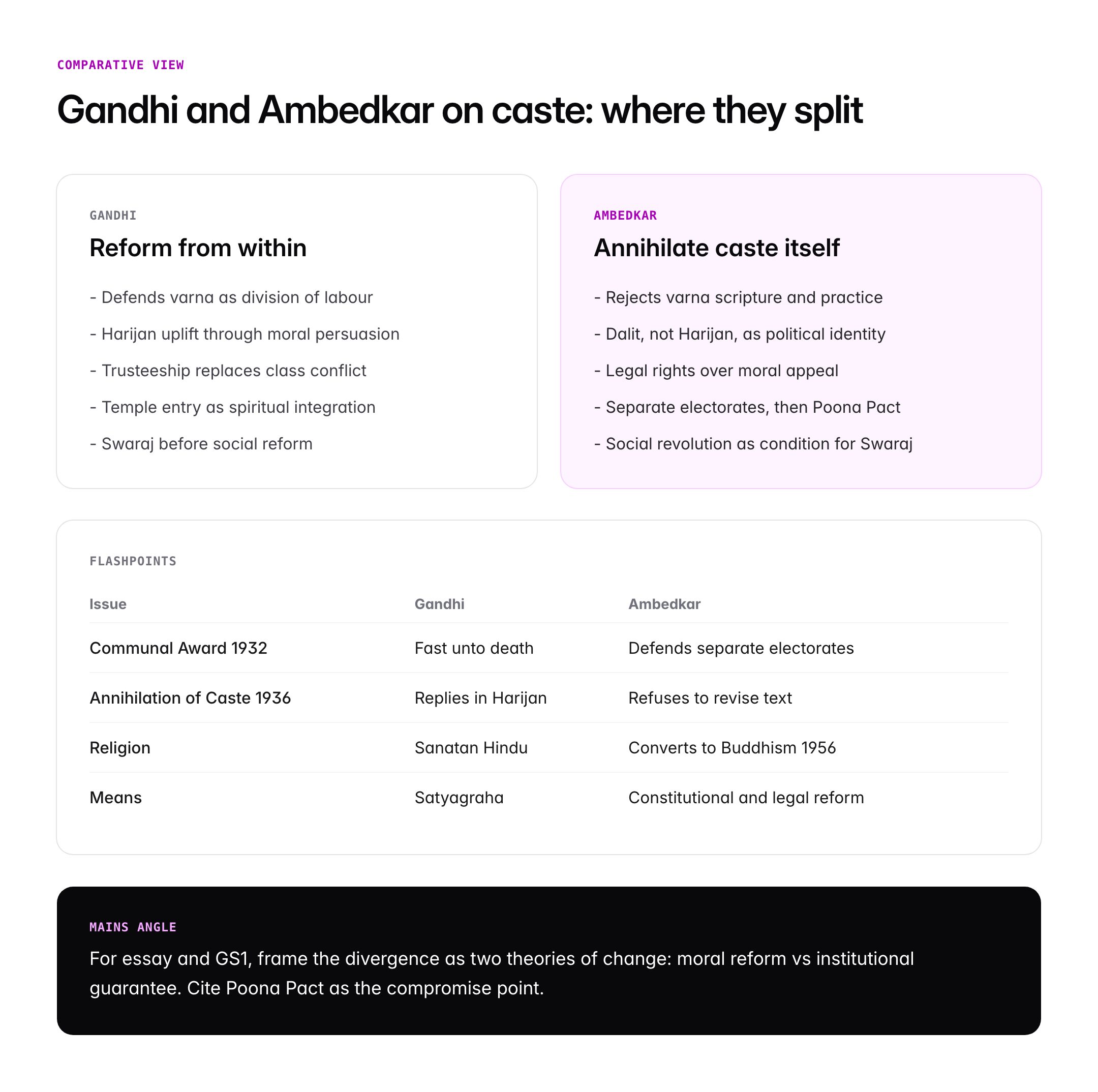
Dr Bhim Rao Ambedkar, popularly known as Babasaheb, was born in 1891 in the Mhow cantonment in the Central Provinces. His birthday, observed as Ambedkar Jayanti or Bhim Jayanti, has since 1990 been paired with the conferment of the Bharat Ratna and the notification of a national holiday. This guide walks through his biography, his battles with caste, his negotiations with Mohandas Gandhi and the constitutional design he left behind, structured the way an aspirant needs it for GS1 Modern India, GS2 Polity and Essay.
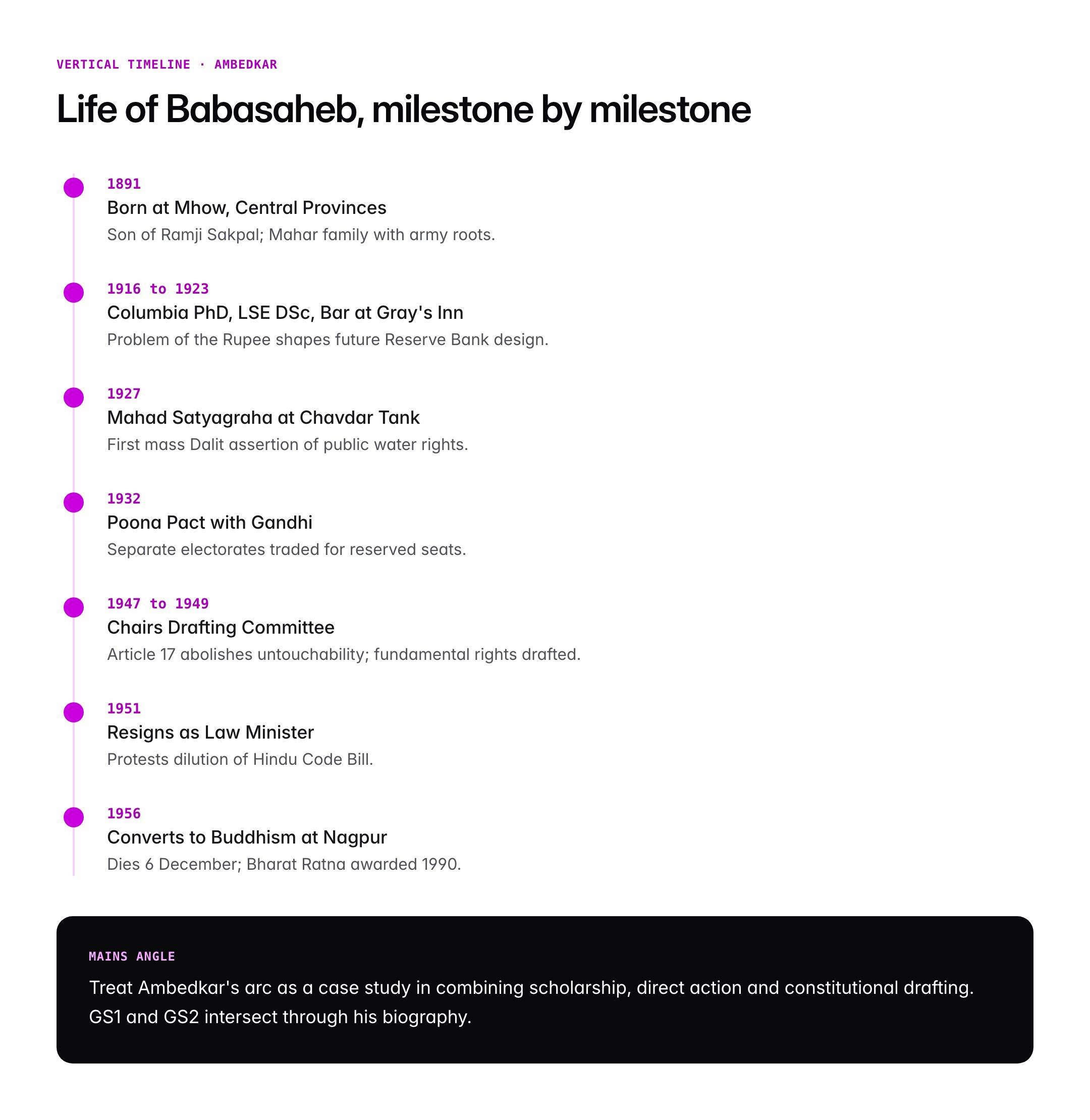
Quick Facts at a Glance
| Item | Detail |
|---|---|
| Date of birth | 14 April 1891 |
| Place of birth | Mhow, Central Provinces (Madhya Pradesh) |
| Parents | Ramji Maloji Sakpal, Bhimabai Sakpal |
| Caste | Mahar (scheduled caste) |
| Key degrees | BA Bombay, MA and PhD Columbia, DSc LSE, Bar-at-Law Gray’s Inn |
| Death | 6 December 1956, Delhi |
| Samadhi | Chaityabhoomi, Dadar, Mumbai |
| Bharat Ratna | 1990 (posthumous) |
| National holiday since | 2015 |
| Key role | Chairman, Drafting Committee of the Constitution |
| Religion at death | Navayana Buddhism (converted 14 October 1956) |
Background and Historical Context
The India into which Ambedkar was born was structured by two overlapping orders: British colonial rule and the indigenous caste hierarchy. The Mahar community to which he belonged was classified as untouchable, barred from temples, denied access to common water tanks and pushed into hereditary occupations. His family’s relative stability, earned through his father’s service in the Bombay Army, gave young Bhim access to schooling that was otherwise closed to Dalit children.
The late nineteenth century also produced the first stirrings of Dalit assertion. Jyotiba Phule‘s Satyashodhak Samaj in Maharashtra, Narayana Guru’s reform movement in Kerala and the non-Brahmin movement in Madras Presidency created an intellectual soil that Ambedkar would later till with far greater rigour. Meanwhile the Indian National Congress, founded in 1885, was debating political reforms under the moderate-extremist divide, but caste reform sat uneasily at the edge of its mainstream agenda.
Ambedkar’s formative years ran in parallel with three transformations. First, the Morley-Minto reforms of 1909 introduced separate electorates for Muslims, seeding the question of minority representation. Second, the First World War and the Montagu-Chelmsford reforms of 1919 brought dyarchy and a wider franchise. Third, Gandhi’s return from South Africa in 1915 reoriented the nationalist movement around mass mobilisation. By the time Ambedkar returned from Columbia and the London School of Economics in 1923, the political stage was set for him to argue that Swaraj without social reform would simply transfer power from white sahibs to upper-caste sahibs.
This historical setting matters because every Ambedkar position, from the Mahad Satyagraha of 1927 to the drafting of Article 17, was a response to a specific institutional arrangement. Aspirants who memorise dates without this scaffolding miss the logic of his interventions.
Key Biography and Contributions
Education and Early Career
Ambedkar was the first Dalit to enter Elphinstone College in Bombay. A scholarship from the Maharaja of Baroda, Sayajirao Gaekwad III, funded his Columbia University education, where he studied under John Dewey and completed his doctoral thesis on the evolution of provincial finance in British India. At the London School of Economics he wrote another doctoral thesis on The Problem of the Rupee, which shaped his later advocacy for a central bank and influenced the design of the Reserve Bank of India established in 1935.
Mahad Satyagraha and Temple Entry
In March 1927 Ambedkar led thousands of Dalits to drink water from the Chavdar Tank in Mahad, the first mass assertion of the right to public water. He followed it in 1930 with the Kalaram Temple entry movement in Nashik. These movements established a template of non-violent direct action distinct from Gandhian satyagraha, centred on civic rights rather than spiritual purification.
Round Table Conferences and Poona Pact
Ambedkar attended all three Round Table Conferences in London between 1930 and 1932 as the representative of the Depressed Classes. His demand for separate electorates was partially granted through the Communal Award of August 1932. Gandhi’s fast unto death in Yerawada Jail forced the Poona Pact of 25 September 1932, which replaced separate electorates with reserved seats within a joint electorate, a compromise Ambedkar accepted under duress but never forgot.
Drafting the Constitution
Elected to the Constituent Assembly from Bengal in 1946 and subsequently from Bombay, Ambedkar chaired the Drafting Committee between August 1947 and November 1949. He personally defended the provisions on fundamental rights, the abolition of untouchability under Article 17, the directive principles in Part IV and the federal balance. He resigned as Law Minister in 1951 over the dilution of the Hindu Code Bill.
Conversion to Buddhism
On 14 October 1956 at Deekshabhoomi in Nagpur, Ambedkar and roughly 365,000 followers formally embraced Buddhism, a civil rights act dressed as a religious one. His posthumous work The Buddha and His Dhamma codified Navayana Buddhism as a rationalist, egalitarian faith.
Significance for UPSC and General Knowledge
- Ambedkar is central to GS1 topics on social reform movements, modern Indian history from the late 19th century and the role of individuals in the freedom struggle.
- For GS2 he is indispensable for the making of the Constitution, fundamental rights, directive principles, reservation, Article 32 and the philosophy of constitutional morality.
- For GS3 his writings on agrarian relations, small holdings and the Problem of the Rupee feed into discussions of land reform and monetary policy history.
- For GS4 Ethics, his insistence on fraternity as a foundational value offers a rich case study alongside Gandhi and Tagore.
- The Essay paper regularly carries prompts on social justice, equality of opportunity and democracy where Ambedkar quotations are high-leverage.
- His debates with Gandhi, Savarkar and the Congress leadership illustrate how political choices are constrained by ideology, institutions and timing, which interview boards often probe.
Political Contributions and Legislative Legacy
Beyond drafting the Constitution, Ambedkar used the colonial legislative space aggressively. As a member of the Bombay Legislative Council from 1926 he introduced bills on birth control, maternity benefits and the rights of industrial labour. As Labour Member in the Viceroy’s Executive Council between 1942 and 1946 he shaped the Factories Act amendments, the Mines Maternity Benefit Act, the Industrial Disputes Act framework and the eight-hour working day. He pushed the Damodar Valley Project, the Hirakud dam and the Sone River Valley project as a commissioner for labour, which fed directly into post-independence planning.
After independence, as India’s first Law Minister, he drafted the Hindu Code Bill that sought to codify inheritance, marriage, adoption and succession for Hindus on gender-equal lines. The bill was diluted under pressure from conservatives and was passed only piecemeal between 1955 and 1956 as the Hindu Marriage Act, the Hindu Succession Act, the Hindu Minority and Guardianship Act and the Hindu Adoptions and Maintenance Act. Ambedkar’s resignation in protest signalled that constitutional text had to be matched by social legislation.
His founding of the Scheduled Castes Federation in 1942, later transformed into the Republican Party of India in 1956, seeded Dalit political mobilisation that would shape Maharashtra politics and later the Bahujan Samaj Party in Uttar Pradesh. His writings, now republished in twenty-two volumes as the Dr. Babasaheb Ambedkar Writings and Speeches by the Government of Maharashtra and the Ministry of Social Justice and Empowerment, remain a primary source base for researchers and aspirants alike.
The Ambedkar Memorial in Delhi at 26 Alipur Road, the Prerna Sthal in Nagpur and the Statue of Equality in Hyderabad unveiled in 2024 are newer additions that often feature in Prelims as potential answer options.
Comparative Perspective
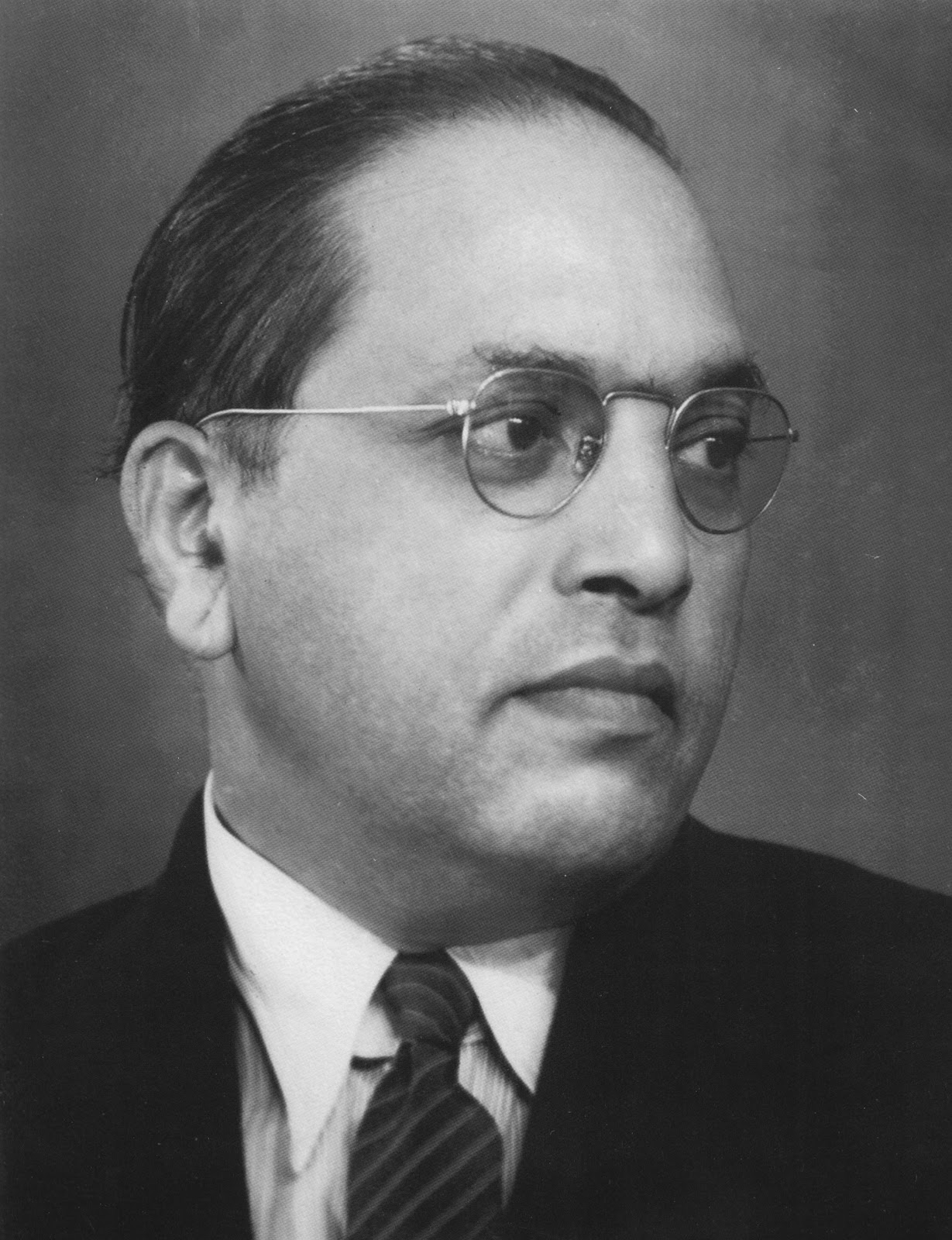
Ambedkar’s project is best understood alongside contemporaries who addressed the same caste question with different methods.
| Leader | Method | View of Caste | Political Strategy |
|---|---|---|---|
| B. R. Ambedkar | Constitutional, legal, conversion | Annihilate, not reform | Separate political voice, reservation |
| M. K. Gandhi | Moral persuasion, trusteeship | Reform through Harijan uplift | Congress-led integration |
| Jyotiba Phule | Educational, cultural critique | Brahminical patriarchy as root | Satyashodhak Samaj |
| Periyar E. V. Ramasamy | Self-respect, rationalist | Eradicate through rejection of Hinduism | Dravidian movement |
| Narayana Guru | Spiritual, universalist | Reform through new worship | One caste, one religion, one God |
The comparison matters because UPSC frequently asks candidates to distinguish between reformist and transformative traditions. Ambedkar rejected the term Harijan, preferring Dalit, which he argued carried the political memory of oppression rather than a patronising spiritual gloss. His insistence on legal guarantees over moral appeals is the line that separates his project from Gandhi’s.
Controversies and Debates
The Gandhi-Ambedkar relationship is the most examined axis. Ambedkar’s Annihilation of Caste, written in 1936 as an undelivered address to the Jat-Pat Todak Mandal, attacked the Varna system at its scriptural root. Gandhi responded in Harijan defending the four-varna order as an economic division. Ambedkar replied in What Congress and Gandhi Have Done to the Untouchables in 1945, arguing that Gandhian satyagraha could not dissolve structures it refused to name.
Critics on the left have argued that Ambedkar’s focus on constitutional remedies underplayed class. Critics on the right have accused him of fragmenting Hindu society. Contemporary scholars like Arundhati Roy, Anand Teltumbde and Christophe Jaffrelot have revisited these debates, and aspirants should be able to cite at least one position from each side without endorsing any. The 2024 Supreme Court judgment in State of Punjab v. Davinder Singh allowing sub-classification within scheduled castes reopened questions about whether Ambedkarite reservation was meant as a bloc guarantee or a differentiated one, and this is likely to recur in future mains papers.
Prelims Pointers
- Ambedkar was born on 14 April 1891 at Mhow, Madhya Pradesh.
- He was the first Indian to earn a doctorate in economics abroad.
- His MA thesis at Columbia was titled Ancient Indian Commerce.
- His DSc thesis at LSE was titled The Problem of the Rupee.
- The Mahad Satyagraha took place at Chavdar Tank on 20 March 1927.
- The Kalaram Temple entry movement was in Nashik in 1930.
- The Poona Pact was signed on 24 September 1932 between Gandhi and Ambedkar.
- He resigned as Law Minister in 1951 over the Hindu Code Bill.
- He embraced Buddhism on 14 October 1956 at Deekshabhoomi, Nagpur.
- He was awarded the Bharat Ratna posthumously in 1990.
- Ambedkar Jayanti was declared a public holiday by the Union Government in 2015.
- He founded the Scheduled Castes Federation in 1942 and the Republican Party of India in 1956.
Mains Practice Questions
Q1. “Ambedkar’s constitutionalism was an answer to the failure of social reform movements.” Examine. (15 marks)
- Outline the limits of Brahmo, Arya Samaj and Prarthana Samaj on caste.
- Show how Ambedkar moved from satyagraha to legal guarantees in Articles 14, 15, 17, 46 and 330.
- Evaluate whether constitutional text has delivered the promised social revolution.
Q2. Discuss the Poona Pact of 1932 as a turning point in Dalit political representation. (10 marks)
- Describe the Communal Award and the fast unto death.
- Contrast separate electorates with reserved seats in a joint electorate.
- Assess long-term effects on Dalit political leadership and the reservation architecture.
Conclusion
Ambedkar Jayanti is not a ceremonial date on the civil services timetable. It is a lens through which the Indian republic examines its unfinished business with caste, dignity and democratic citizenship. From Mhow to Mahad, from Columbia to the Constituent Assembly, Ambedkar built a body of thought that refused to separate political freedom from social equality.
For the UPSC aspirant the takeaway is twofold. First, mastery of his biography and legislative record supplies concrete material across GS1, GS2, GS4 and Essay. Second, his method of pairing rigorous scholarship with public action is itself a model for the kind of reasoning that civil servants must bring to the field. Celebrating Bhim Rao Ambedkar Jayanti therefore means reading him with the same seriousness he brought to reading India.
Frequently Asked Questions
What is Ambedkar Jayanti?
Ambedkar Jayanti, also known as Bhim Jayanti or Babasaheb Ambedkar Jayanti, is the annual observance on 14 April of the birth anniversary of Dr Bhim Rao Ambedkar, born in 1891 at Mhow. The Government of India notified it as a national public holiday in 2015 and it is marked by ceremonies at Parliament, Chaityabhoomi and Deekshabhoomi.
When is Ambedkar Jayanti celebrated every year?
Ambedkar Jayanti is celebrated on 14 April every year, the birth date of Dr B R Ambedkar. It is a gazetted holiday in most states and union territories, and public events include wreath laying at the Ambedkar statue in Parliament House, book fairs and lectures on constitutional values.
Why is Ambedkar Jayanti important for UPSC preparation?
For UPSC aspirants the day anchors questions on social reform in GS1, constitutional design and fundamental rights in GS2, labour legislation in GS3 and fraternity as a value in GS4. Essay prompts on equality, dignity and democracy also draw heavily on Ambedkar’s speeches and writings.
How is Ambedkar related to the Indian Constitution?
Ambedkar chaired the Drafting Committee of the Constituent Assembly between 1947 and 1949. He piloted the provisions on fundamental rights, abolition of untouchability under Article 17, the directive principles and the federal structure, earning him the description Chief Architect of the Indian Constitution.
What was the Poona Pact between Gandhi and Ambedkar?
The Poona Pact was signed on 24 September 1932 after Gandhi’s fast unto death against the Communal Award that had granted separate electorates to the Depressed Classes. The pact replaced separate electorates with reserved seats within a joint electorate, expanding Dalit legislative seats from 71 to 148.
How did Ambedkar and Gandhi differ on caste?
Gandhi sought to reform caste through moral persuasion and the idea of Harijan uplift while retaining the four-varna framework as a division of labour. Ambedkar argued in Annihilation of Caste that the Varna system was scripturally and socially indefensible and could only be ended through legal guarantees and, ultimately, religious conversion.
Why did Ambedkar convert to Buddhism?
Ambedkar converted to Buddhism on 14 October 1956 at Deekshabhoomi, Nagpur, along with roughly 365,000 followers. He argued that Hinduism’s caste hierarchy could not be reformed and that Buddhism’s rationalist and egalitarian ethics offered a dignified spiritual home for the Dalit community.
What awards and honours has Ambedkar received?
Ambedkar was conferred the Bharat Ratna posthumously in 1990. His image appears on the Constitution’s calligraphed copy, his birthday is a national holiday since 2015, and memorials include Chaityabhoomi in Mumbai, Deekshabhoomi in Nagpur, the Ambedkar National Memorial at 26 Alipur Road in Delhi and the Statue of Equality in Hyderabad.
Tell Google you want more of this.
Add Anantam IAS as a preferred sourceOne tap, and this site shows up more often in your own Top Stories, AI Overviews and AI Mode. Remove it any time.