Smaller cohorts
Batches are capped at 50 so faculty can track how your preparation is moving, week to week, instead of treating doubt resolution like crowd control.

About Anantam IAS
Anantam IAS is a UPSC coaching institute in Old Rajinder Nagar, New Delhi, founded in 2025 by faculty who had already spent years teaching inside Delhi’s coaching system, including at Rau’s IAS. Rahul Puri is the founder faculty for PSIR and its Director. Batches are capped at 50, and the same faculty who teach you also correct your answer copies.
Anantam IAS at a glance
Who founded it, where it sits, how big the batches are and what it costs — answered plainly, before any of the argument below.
अनन्तम्
Anantam · Sanskrit
Anantam is Sanskrit for “endless” or “without limit” — from ananta, built out of the negative prefix an- and anta, meaning “end”.
The name is a statement about preparation, not about the exam. UPSC preparation that only survives one attempt has been mis-built; what an aspirant learns here is meant to keep compounding — through Prelims, through Mains, through the interview and past it. That is also the idea the teaching is organised around, in the Infinitum Framework.
From the director’s desk
For fifteen years I have mentored aspirants, ten of them at Rau’s IAS, one of Delhi’s best-known coaching institutes — and kept watching capable aspirants stall for years, not for want of effort, but because no one could tell them precisely where their marks were leaking.
In a hall of three hundred, that conversation is impossible. The timetable is the same for everyone, feedback comes back as a number, and the student is left to diagnose themselves. I came to believe the problem was structural, not personal — and that it could only be fixed by making the institute smaller on purpose.
So in 2025 we built Anantam IAS around three things we refuse to compromise: batches capped at fifty, answer copies corrected by the same faculty who teach you, and a mentor who tracks how your preparation is moving week to week. Nothing here is built to fill a hall. It is built to notice the student.
If you are preparing seriously — a first attempt, a repeat attempt, or the final mile before the interview — come and judge us by the specifics. Sit in a demo class, hand us a copy to correct, and see the difference for yourself. That is the only promise I make: specifics, not a sales pitch.
The story
Before there was Anantam IAS, there were years spent teaching in the mainstream coaching system. The teaching quality inside established institutes can be excellent. The structural problem sits elsewhere: a student can attend hundreds of hours of class and still never receive a clear diagnosis of why marks are being lost.
In batches of 200 or 300, the strategy becomes generic by design. Everyone is told to follow the same timetable, read the same books, and write more answers. But UPSC does not test a batch. It tests an individual. The gap between those two facts is where many serious aspirants get stuck for years.
Anantam IAS began in 2025 as a refusal to keep calling that gap mentorship — carrying 15 years of classroom experience into smaller cohorts, answer-copy feedback that actually teaches, and faculty who know how a student’s preparation is moving instead of meeting them only from the podium.
The students who struggled were rarely short on effort. They were short on specific feedback.Abhishek SharmaEthics & Essay faculty, Anantam IAS
Founded by ex-Rau’s IAS faculty — 15 years on the ground
Anantam IAS opened its doors in 2025. The years and the figures below belong to its founding faculty — a teaching record built across their careers in Delhi’s Civil Services ecosystem, now concentrated into batches capped at 50.
Classroom-tested teaching, faculty-led guidance, answer review and interview preparation.
Students across GS, QIP, optional subjects, the Hindi medium and Interview Guidance.
Rank holders trained through this faculty ecosystem over multiple UPSC cycles.
What changes here
Each of these is a teaching decision made on purpose — and the reason the same syllabus feels different once a student is no longer anonymous inside it.
Batches are capped at 50 so faculty can track how your preparation is moving, week to week, instead of treating doubt resolution like crowd control.
A score tells you where you stand; annotation tells you what to fix. Structure, depth, examples and presentation each get specific, copy-level correction.
Prelims, Mains, optional and revision are planned together, so the year isn’t spent switching between disconnected advice.
Free current affairs, MCQs and subject pages are part of the academic philosophy — not just a top-of-funnel gesture.
Every subject is taught by someone who has written the Mains themselves — guidance from people who’ve been through what you’re attempting.
You’re taught what to deepen, what to compress and what to skip — not handed an ever-growing reading list and left to guess.
The faculty
All 12 teachers at Anantam IAS, across General Studies and the major optionals — built from inside Delhi’s coaching ecosystem, not from outside commentary. They teach the class, correct your copies and take your call themselves.
 Director Rahul PuriFounder & Director · PSIR
  Vaibhav MishraPolity & Governance
  Gaurav TripathiGeography, Environment & DM
 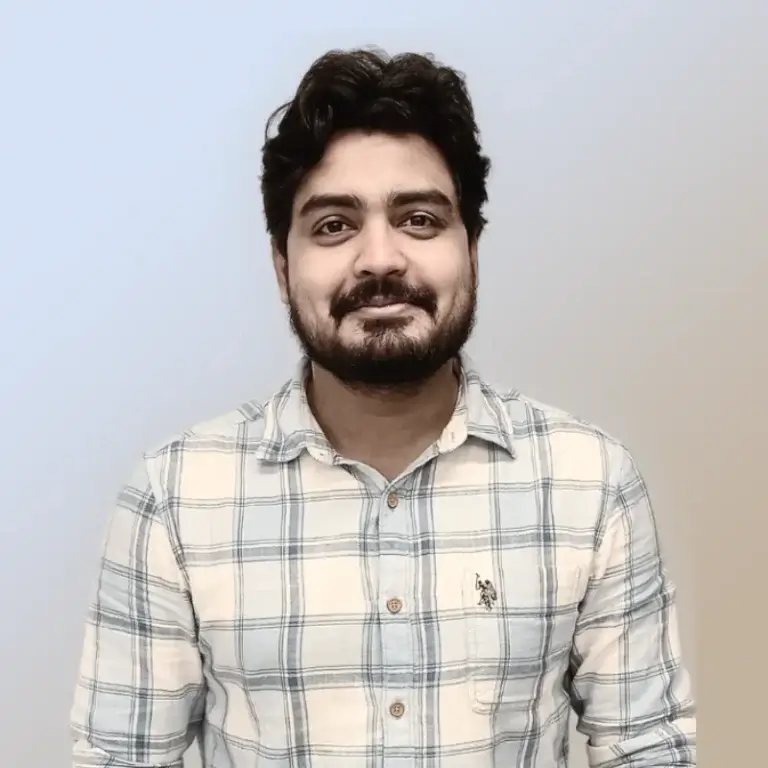 Raja KumarEconomy & Sociology
 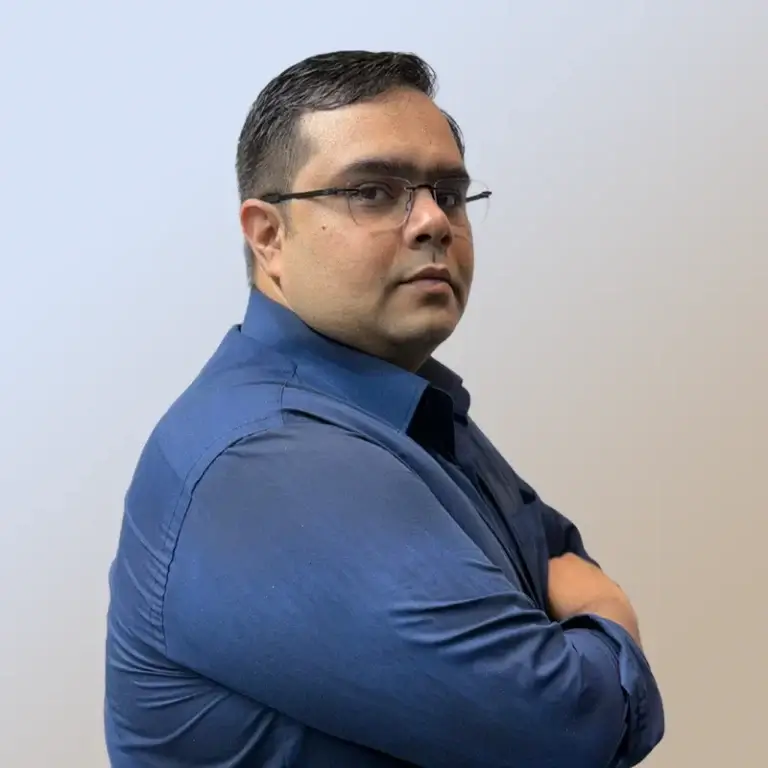 Abhishek SharmaEthics & Essay
  Kaustubh GaurhHistory, Art & Culture
  Pramod SinghEconomics
 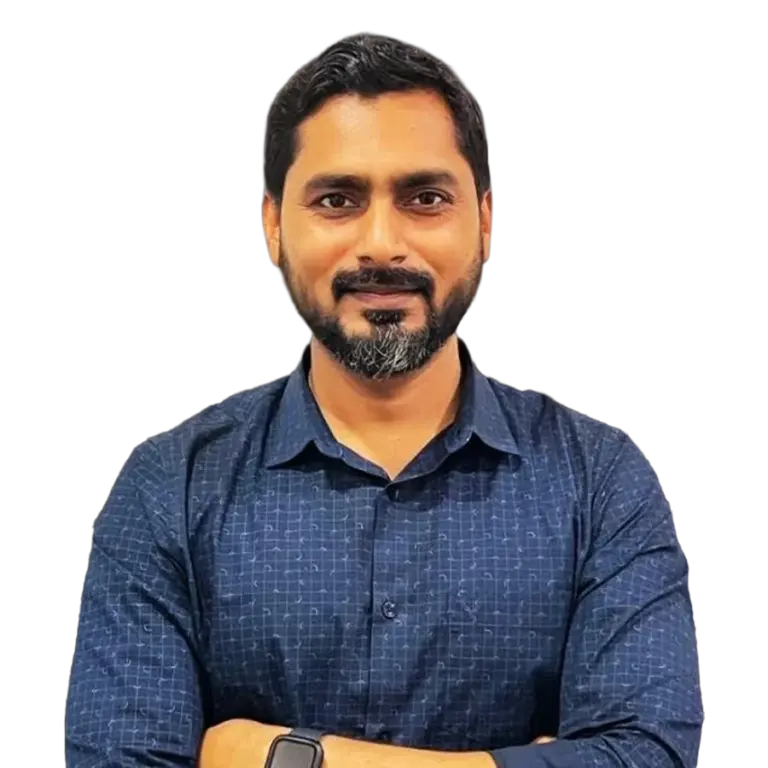 Jwala KumarScience & Technology
  Adhar SharmaAnthropology, S&T & Essay
 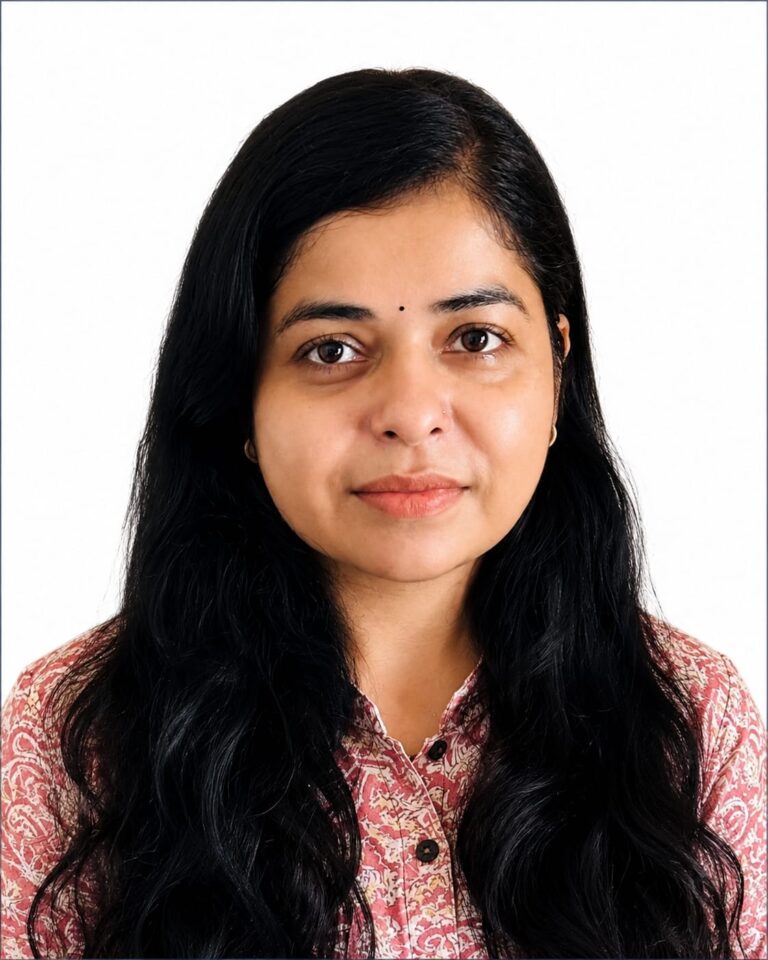 Pooja BhattScience & Technology
  RuchitHistory & Polity
 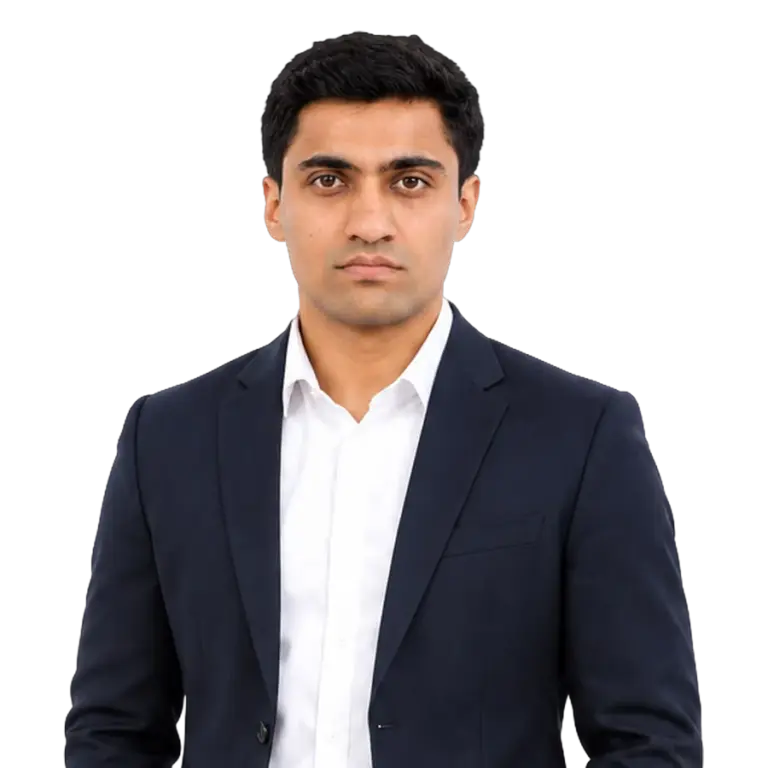 SarthakGeography & Economy
 What students say
No paid endorsements and no stock faces — every quote below is from an aspirant who sat in these classrooms, with their rank and programme printed next to their name.
“I learned a lot from Rahul Sir's and Vaibhav Sir's lectures, and those lectures helped me gain conceptual clarity.”

“The entire team helped me with every line of the syllabus by giving me gold content and answer-writing practice. I got such a fresh perspective with you guys.”
 Namrata ChoubeyUPSC CSE 2021 · AIR 73 · Hindi Medium GS Foundation · Hindi Track
 “Vaibhav Sir has been my guide and mentor throughout. He would pick calls in the night when I used to panic.”
 Shubhankar Pratyush PathakUPSC CSE 2021 · AIR 11 · First Attempt Integrated GS Foundation
 “The classes were so precise and exam-oriented that nothing else was required. Subjects like Geography, Economy and Ethics were wonderful. I was in regular touch with Gaurav Sir, who helped me a lot.”
 Pranay MittalUPSC CSE 2024 · AIR 85
 The difference
Big-batch coaching is optimised for enrolment and delivery. Mentorship-led preparation is optimised for correction, clarity and sustained improvement.
How mentorship actually works
Mentorship here is a workflow, not a word. This is the cycle every student moves through — the same one, repeated until the writing changes.
Preparation starts with a diagnosis of your current level, optional choice and the specific reasons marks are leaking — not a generic timetable.
Prelims, Mains, optional and revision are sequenced into one plan, so the year isn’t spent switching between disconnected advice.
Subject faculty teach with the exam’s demands in view — live in Old Rajinder Nagar, on broadcast-grade Zoom for outstation students, with recordings for anything missed.
The same faculty who teach also correct your answer copies — annotation on structure, depth, examples and presentation, tied to where the marks are leaking.
Test performance is read for patterns, not just scores, so your mentor sees how your writing and decisions are changing over the weeks.
A revision calendar and the Interview Guidance Program carry the same individual focus through to the personality test.
What we offer
Programme fees currently run ₹3,000 – ₹2,30,000 depending on length and depth, and the courses page carries the live price and start date for every batch. Everything in the second row below is free, with no paywall and no sign-up wall.
GS foundation and the QIP mentorship programme — built around small batches and answer-copy feedback. Live fees and batch dates.
Explore courses →Political Science & International Relations with founder faculty Rahul Puri — full Paper 1 & 2 coverage with answer writing.
Explore PSIR →Prelims and Mains test series with the same written, copy-level evaluation that drives the classroom.
See answer writing →Exam-ready pointer notes published every day, each mapped to the static syllabus for fast revision.
Read current affairs →Subject-wise compilations of the year’s current affairs — a fast way to revise a whole subject before the exam.
Get the Compass →450+ articles, practice MCQs and subject pages — open to everyone, no paywall.
Start here →Who this is for
The same mentorship model adapts to where a student actually is — and it is honestly not for everyone. If what you want is a low-cost recorded library to work through alone, a large online platform will serve you better and cost less.
Structure from day one — a sequenced plan across GS, optional and answer writing, so the first attempt isn’t lost to trial and error.
Final-mile correction. We diagnose why marks stalled last time and fix it through written feedback, not another full re-read of everything.
Dedicated optional teaching — including PSIR with founder faculty Rahul Puri — held to the same answer-copy discipline as GS.
Not sure which optional to pick? We help you choose based on your background and aptitude — then teach it end to end.
A live, broadcast-grade Zoom parallel and recordings give you the same classroom and the same mentor from anywhere in the country.
Through to the personality test? The Interview Guidance Program supports your DAF, mocks and narrative — the route many of our rankers took.
Where we are
Anantam IAS runs from 11B, Bada Bazar Road, Block B, Rajinder Nagar, New Delhi 110005 — in Old Rajinder Nagar, the heart of Delhi’s preparation hub. Live classroom batches run alongside a broadcast-grade Zoom parallel for outstation students, and class recordings mean a missed session is never a missed concept.
Questions
Anantam IAS was founded in 2025 by a group of faculty who had already spent years teaching inside Delhi's coaching ecosystem, including at Rau's IAS. Rahul Puri is the founder faculty for PSIR and the institute's Director and Mentor; Vaibhav Mishra leads Polity and Governance. The wider faculty covers General Studies and the major optional subjects.
Anantam (अनन्तम्) is Sanskrit for "endless" or "without limit" — from ananta, formed by the negative prefix an- and anta, meaning "end". The name was chosen for what preparation is meant to build: understanding that keeps compounding rather than stopping at a syllabus. The same idea runs through the Infinitum Framework the teaching is organised around.
The institute runs from 11B, Bada Bazar Road, Block B, Rajinder Nagar, New Delhi 110005 — in Old Rajinder Nagar, the heart of Delhi's UPSC preparation hub. Classroom batches run there, alongside a broadcast-grade Zoom parallel and recordings for students outside Delhi.
Big-batch coaching is optimised for enrolment and delivery; Anantam IAS is built for correction and clarity. That means batches capped at 50, written answer-copy feedback rather than just marks, one integrated preparation system across Prelims, Mains and optional, and a mentor who tracks how your preparation is moving week to week.
Batches are capped at 50 aspirants — always. There are no 500-seat livestreams. The cap is a teaching decision: it is what lets faculty track each student individually and keep answer-copy feedback specific rather than generic.
The subject faculty who teach you also correct your copies. Feedback therefore comes from someone who knows the syllabus and your individual pattern, not a separate junior evaluator — which is what lets annotation point to the exact place marks are leaking.
Programme fees currently run ₹3,000 – ₹2,30,000, depending on the programme and how long it runs — a single module sits at the lower end, the long integrated foundation programmes at the upper. The courses page carries the live price and start date for every batch, so it is always current.
Both. The institute runs from Old Rajinder Nagar, New Delhi, with live classroom batches and a broadcast-grade Zoom parallel for outstation students, plus recordings — so a missed session is never a missed concept. If you need to move between classroom and online for a course, speak to the office and they will guide you.
Yes. There is a free 45-minute demo class on Zoom with senior faculty, so you can experience the teaching and the answer-correction style before committing to a programme. Reach out on WhatsApp and the team will arrange it.
Anantam IAS offers GS foundation and mentorship programmes (QIP), the PSIR optional with founder faculty Rahul Puri, an Interview Guidance Program, and dedicated Prelims and Mains test series — all built around answer-copy feedback. Alongside these, a large free ecosystem of daily current affairs, the Current Affairs Compass, subject pages, articles and MCQs is open to everyone.
Yes. Over 450 articles, practice MCQs, daily current affairs and the subject-wise Current Affairs Compass are free to use, with no paywall. Keeping resources open is part of the academic philosophy, not a top-of-funnel gesture.
Yes. A core focus is final-mile correction — diagnosing exactly why marks are being lost and fixing it through written feedback and a mentor who knows your pattern. Mentorship spans first attempts, repeat attempts, the final mile and the interview.
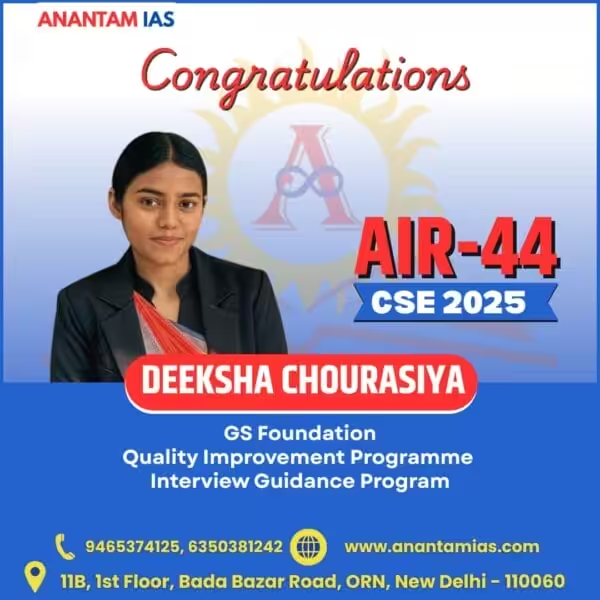
Aspirants who worked with Anantam programmes secured 9 selections under AIR 150 in CSE 2025 — AIR 28, 44, 48, 56, 73, 96, 106, 116 and 143 — across the GS Foundation, QIP, PSIR and the Interview Guidance Program. The full list of ranks and student stories is on the results page.
Talk to us
Sit in a free 45-minute demo class, hand us a copy to correct, or just tell a mentor where you are. Either way, you’ll get specifics, not a sales pitch.