UPSC CSE 2027 · Prelims · GS Paper-I
UPSC Prelims General Studies Course
The complete, concept-first run through GS Paper-I — taught by ex-Rau’s IAS faculty, drilled with ten years of PYQs, and finished on a full-length test series. Built to clear the one paper that filters everyone.
The real filter
Prelims doesn’t reward the most-read. It rewards the best-prepared.
Around ten lakh aspirants apply each year; only some thirteen-to-fourteen thousand clear Prelims. The maths is brutal, but the rules are fixed — and a fixed game can be trained for.
The syllabus, covered
Every GS area — built from the base, mapped to the exam
The full General Studies Paper-I syllabus, taught subject-by-subject. Each block links to our free study hub so you can see the depth before you enrol.
History & Indian Heritage
Ancient, medieval and modern India, the freedom struggle, and art & culture — read for the dates, movements and themes Prelims actually repeats.
Explore the hub →GS IGeography
Physical, Indian and world geography, plus mapping — paired with an atlas habit so place-in-news questions become free marks.
Explore the hub →GS IIPolity & Governance
The Constitution, institutions, rights and governance — the single highest-yield Prelims area, drilled article-by-article with PYQs.
Explore the hub →GS IIIIndian Economy
Macro concepts, banking, budget, external sector and schemes — connected to the year’s economic survey and current data.
Explore the hub →GS IIIEnvironment & Ecology
Biodiversity, climate, conventions and species-in-news — a heavily weighted Prelims block that rewards current-affairs linkage.
Explore the hub →GS IIIScience & Technology
Space, defence, biotech and IT — taught application-first, mapped to ISRO/DRDO and the science behind the headlines.
Explore the hub →GS IIndian Society
Social structure, diversity, and the social-justice themes that surface across Prelims and Mains alike.
Explore the hub →GS IIInternational Relations
India and its neighbourhood, bilateral and regional groupings, and global institutions — tracked through the year’s diplomacy.
Explore the hub →IntegratedCurrent Affairs
Daily editorially-edited current affairs mapped to the static syllabus, with monthly compilations — not a 40-page dump to mug up.
Explore the hub →Paper IICSAT Awareness
The qualifying Paper-II — comprehension, reasoning and basic numeracy. Covered in depth in our dedicated CSAT course.
Explore the hub →The Anantam method
Six things this course does differently
The difference between a clear and a near-miss is rarely more reading. It’s judgement, practice and correction — the things a small batch and the right faculty can actually deliver.
Concept-first classes
Every topic is built from NCERT to standard sources to exam depth — so you understand the idea before you memorise the fact. No rushed syllabus-completion theatre.
PYQ-led prioritisation
Ten years of papers are tagged to the syllabus to build a frequency map. You spend your hours where the exam actually spends its marks, not on low-yield trivia.
MCQ practice, baked in
Every topic closes with questions — because Prelims is a multiple-choice exam, not an essay. Practice the elimination and accuracy that separate a clear from a near-miss.
Current affairs, integrated
Daily current affairs are woven into the static syllabus, not run as a parallel race. Editorially edited, mapped to where they’re testable.
Full-length test series
Exam-condition mocks with negative marking and percentile feedback. The point isn’t the score — it’s the post-test analysis that fixes the same mistake before May.
1-on-1 mentorship
A senior faculty on a private call every fortnight to review progress and rebuild your plan. Batches are capped at 50 so every doubt gets answered by the person who taught it.
The plan
A 12-month run-up to Prelims, in four phases
No vague “finish the syllabus” promise — a sequenced plan that moves from understanding to practice to exam-condition rehearsal.
Foundation
Build the static core across every GS subject — NCERTs to standard books — with the first round of topic notes and class-end MCQs.
Consolidation
Second reading, subject-wise question banks, and current affairs mapped back to the static syllabus. Weak areas surface and get a plan.
Test series
Full-length Prelims mocks under exam conditions, with structured analysis. Accuracy under negative marking is trained, not hoped for.
Revision
Rapid revision, a tight current-affairs compilation, and a CSAT tune-up — walking into the hall with a calm, rehearsed plan.
What’s included
Everything you need to walk in ready
Who teaches you
Faculty who’ve sat the exam — and taught it for years
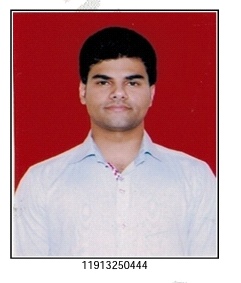
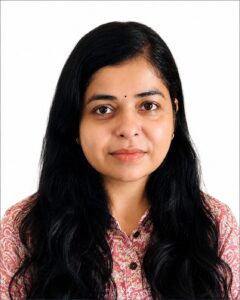
Subject veterans and former interview panellists, every one of them a long-time UPSC faculty. They know the signal from the noise because they’ve been in the room.



The proof
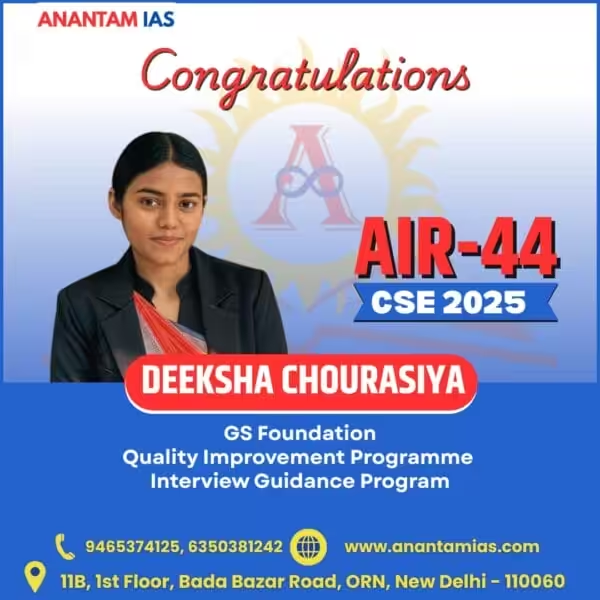
340+ ranks in the final merit list, across UPSC cycles
Rank holders trained through our faculty ecosystem. A snapshot of the CSE 2025 result — same faculty, same books, same mentors you’d work with.



 Meghna ChakravortyAIR 79 · CSE 2024 UPSC CSE 2024 · AIR 79
 “I learned a lot from Rahul Sir's and Vaibhav Sir's lectures, and those lectures helped me gain conceptual clarity.”
 Namrata ChoubeyAIR 73 · CSE 2021 UPSC CSE 2021 · AIR 73 · Hindi Medium
 “The entire team helped me with every line of the syllabus by giving me gold content and answer-writing practice. I got such a fresh perspective with you guys.”
 Shubhankar Pratyush PathakAIR 11 · CSE 2021 UPSC CSE 2021 · AIR 11 · First Attempt
 “Vaibhav Sir has been my guide and mentor throughout. He would pick calls in the night when I used to panic.”
See the depth, free
Read before you enrol — thousands of notes, already public
The same editorial standard that runs through the course is free on the site: 3,725+ study notes and 2,519+ current-affairs briefs. Start reading today.
Latest Prelims study notes
All notes →Lesser Florican (Kharmor): India’s Smallest Bustard, Status and Recovery
Indian Pangolin: Trafficking, CITES Appendix I and Schedule I Protection
Red Sand Boa: Iridium Myths, Schedule I Protection and the Illegal Trade
Slender Loris: Gray vs Red Species, Schedule I Status and Kadavur Sanctuary
Keeda Jadi (Cordyceps, Yarsagumba): Himalayan Fungus, Trade and Rules
Rukmini Devi Arundale: Kalakshetra, Bharatanatyam’s Revival and Animal Welfare
Latest Prelims current affairs
All current affairs →China to curb exports of technologies such as AI, photovoltaics
Necessary corrective – Special Summary Revision of electoral rolls
World Heritage Climate Toolkit: Protecting the Attributes That Matter
WHO–INTERPOL Agreement: Connecting Health Alerts With Criminal Investigations
Sourashtra Text-to-Speech: Turning Written Characters Into Spoken Access
Quantum Trust Systems: Securing Identity, Navigation and Time
Questions, answered
Frequently asked
Who is this Prelims GS course for?
Is the course online or offline?
Does it cover CSAT (Paper-II)?
How is current affairs handled?
Are there tests, and how many?
Do I get printed study material?
Is there one-on-one mentorship?
How do I start?
Your next step
Sit in a free demo, then decide.
A free 45-minute demo class on Zoom with a senior faculty member — experience the teaching, the batch size and the attention first-hand. No sales pitch, no pressure.