Widow Remarriage Act 1856: Vidyasagar, Dalhousie and the Battle for Hindu Widows
Widow Remarriage Act 1856 (Act XV): Vidyasagar's campaign, Dalhousie and Canning, the text of the Act, orthodox opposition, and the path to the Sarda Act of 1929. UPSC notes.
The Widow Remarriage Act 1856, formally known as Act XV of 1856 or the Hindu Widows’ Remarriage Act, was the first colonial Indian statute to legalise the remarriage of Hindu widows. The Governor-General in Council passed it on 25 July 1856 in the final months of Lord Dalhousie’s tenure and the law was given assent by his successor Lord Canning. The Act declared that no marriage contracted between Hindus shall be invalid by reason of the woman having been previously married or betrothed, and that the children of such a remarriage shall be legitimate. It also stripped the remarrying widow of any rights of inheritance to her deceased husband’s estate, which she would have retained had she remained a widow.
For UPSC General Studies I on modern Indian history and Indian society, the Widow Remarriage Act 1856 is the keystone of the early colonial law of personal status. It joins the Bengal Sati Regulation of 1829 of Lord William Bentinck and the Native Marriage Act of 1872 as the three foundational statutes that opened Hindu personal law to legislative reform. The campaign was led almost single-handedly by Ishwar Chandra Vidyasagar of the Sanskrit College at Calcutta, supported by Brahmo Samaj reformers and by Dalhousie’s law member John Peter Grant. The Act faced furious orthodox opposition led by Raja Radhakanta Deb of the Dharma Sabha, who collected over thirty thousand signatures against the bill.
This article reads the Widow Remarriage Act 1856 the way the UPSC mains examiner expects it read. It walks through the social condition of the upper-caste Hindu widow, Vidyasagar’s two pamphlets and the petition of 1855, the legislative process under Dalhousie and Canning, the text and limits of the Act, the orthodox backlash, the slow uptake in practice, and the long path from 1856 to the Hindu Code Bills of the 1950s.
Quick Facts
- Statute: Act XV of 1856, the Hindu Widows’ Remarriage Act
- Passed by the Legislative Council on 25 July 1856 and received assent on 26 July 1856
- Governor-General: Lord Dalhousie (March 1848 to February 1856); his successor Lord Canning (March 1856) gave executive backing
- Primary campaigner: Ishwar Chandra Vidyasagar, Principal of the Sanskrit College, Calcutta
- Key supporters: J P Grant, law member; Ramgopal Ghose; Dakshinaranjan Mukherjee; Brahmo Samaj
- Key opponents: Raja Radhakanta Deb of the Dharma Sabha; the Calcutta orthodox Brahmin establishment
- First remarriage under the Act: 7 December 1856, Sripaty Charan Banerji and the widow Kalimati, at Calcutta
- Estimated remarriages by 1900: about 150 in the whole of British India
- Sequel statutes: Native Marriage Act of 1872, Age of Consent Act of 1891, Sarda Act of 1929, Hindu Code Bills 1955–56
The Condition of the Upper-Caste Hindu Widow
The condition of the Hindu widow in the first half of the nineteenth century is the social fact that explains every line of the Widow Remarriage Act 1856. Among the twice-born varnas, especially the Brahmins, Kayasthas and Vaishyas of Bengal, Bihar and Orissa, the widow was subjected to ritual mortification. Her head was shaved, she wore a single white sari, slept on the floor, ate one vegetarian meal a day and observed the ekadasi fast without water. She was excluded from auspicious occasions.
The scale was severe. Child marriage was the norm; girls were typically married between five and ten and a Kulin Brahmin polygamist with multiple young wives was not unusual. The 1881 census recorded about 7.5 million Hindu widows in British India, including 78,976 under the age of nine and 207,388 between nine and fourteen. Hindu personal law under the Mitakshara and Dayabhaga schools allowed a widow only a limited estate in her deceased husband’s property. The Bengal Sati Regulation of 1829 had abolished the most extreme outlet, but the rest of the regime remained intact.
Ishwar Chandra Vidyasagar and the Reform Campaign
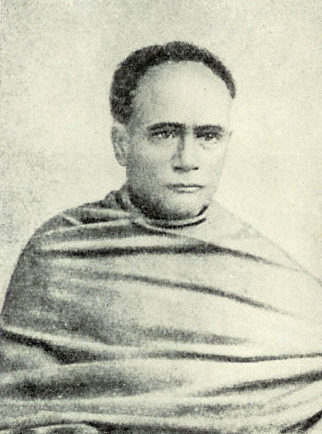
Ishwar Chandra Vidyasagar was the central figure of the 1856 reform. Born Ishwar Chandra Bandyopadhyay on 26 September 1820 at Birsingha in Midnapore district, he joined the Sanskrit College in Calcutta in 1828 and studied for twelve years. The title Vidyasagar, ocean of knowledge, was conferred in 1841. He served as principal of the Sanskrit College from January 1851 and admitted Shudra and lower-caste students against orthodox opposition. He founded girls schools and dispensaries and wrote the Bengali primer Barnaparichay.
His Widow Remarriage campaign began in 1854. He published Vidhavavivaha Chalita Howa Uchit Kina, Should the Remarriage of Hindu Widows Be Sanctioned, in January 1855. The pamphlet argued that the Parashara Samhita, treated by all schools as the smriti for the Kali age, explicitly permitted widow remarriage and that the orthodox prohibition was un-Hindu. A second pamphlet in October 1855 answered the Dharma Sabha. He collected 987 signatures on a petition and submitted it to Lord Dalhousie’s government in October 1855. The argument was deliberately framed in Hindu shastric idiom rather than from a Brahmo position, to deny orthodox opponents the charge of foreign interference.
Dalhousie, Canning and the Legislative Process
Lord Dalhousie’s law member, the Scottish jurist John Peter Grant, took up the Vidyasagar petition in November 1855. Grant drafted a bill that simply removed the legal bar on widow remarriage. It was introduced in the Legislative Council on 17 November 1855. The orthodox party responded with a counter-petition of about 36,763 signatures organised by Raja Radhakanta Deb’s Dharma Sabha. The Council referred the bill to a select committee, which reported in favour of passage. The bill was passed on 19 July 1856 and received assent on 25 July 1856. Dalhousie had left India in February 1856; Lord Canning was the Governor-General of record.
The Act consists of six operative sections. Section 1 declares that no marriage between Hindus shall be invalid by reason of previous widowhood. Section 2 strips the remarrying widow of any right in her deceased husband’s property. Section 3 transfers that inheritance to the husband’s heirs. Section 4 protects guardianship of children of the previous marriage. Section 5 places the remarriage on the same legal footing as a first marriage. Section 6 allows caste councils to impose religious discipline but denies civil consequences. The Section 2 disinheritance was a concession to the orthodox party that made remarriage less attractive to widows with inheritance to lose.
The Orthodox Opposition and Slow Uptake
The Dharma Sabha at Calcutta, founded in 1830 by Raja Radhakanta Deb to defend orthodox Hinduism, organised the opposition. It argued that the Parashara Samhita verse referred to specific circumstances rather than general remarriage, that the smritis taken as a whole prohibited widow remarriage in the Kaliyuga, that widow ascetic life was a binding sadachara, and that the colonial state had no authority to legislate on Hindu personal law. Vidyasagar answered each charge but the textual question was contested. The state ultimately legislated on the policy case rather than a definitive scriptural ruling.
The Act produced few marriages. The first remarriage took place on 7 December 1856 in Calcutta. The groom was Sripaty Charan Banerji and the bride was Kalimati, a young widow. The ceremony was performed under armed police protection. Vidyasagar continued to fund individual remarriages out of his own resources for twenty five years, spending more than eighty thousand rupees by 1881. By 1900 the total number of widow remarriages under the Act in British India was about a hundred and fifty, or three per year. The Section 2 disinheritance discouraged middle and upper class widows; caste councils continued to excommunicate; suitable grooms were scarce. The Native Marriage Act of 1872, pushed through by the Brahmo Samaj under Keshub Chandra Sen, legalised civil marriage and fixed minimum ages of 14 for girls and 18 for boys, but had effect only for those who renounced sectarian religion.
The Long Sequel: Age of Consent and Sarda Acts
The 1856 Act opened a sequence of reforms that reached into the 1950s. The Age of Consent Act of 1891, Act X of 1891, raised the minimum age of consummation from ten to twelve, following the Phulmoni case of 1890 in which an eleven year old girl bled to death after consummation. The Brahmo Samaj supported the bill; Tilak and the orthodox Hindu party opposed. The contrast with the Arya Samaj, which supported the bill on Vedic grounds, is instructive.
The Child Marriage Restraint Act of 1929, the Sarda Act, was framed by Harbilas Sarda of the Arya Samaj. It raised the minimum age of marriage to 14 for girls and 18 for boys and applied to all communities. The Hindu Code Bills of 1955 and 1956, piloted by Babasaheb Ambedkar and Jawaharlal Nehru, completed the agenda. The Hindu Marriage Act of 1955 made monogamy compulsory, allowed divorce, and removed the last legal barriers to widow remarriage. The Hindu Succession Act of 1956 gave the widow a full estate in her deceased husband’s property. The Section 2 disinheritance of the 1856 Act was thereby reversed.
Significance and Legacy for UPSC
For UPSC the Widow Remarriage Act 1856 carries four significances. It was the first colonial Indian statute to alter substantive Hindu personal law on marriage, going beyond the criminal Sati abolition of 1829 to rewrite civil status. It established a working partnership between Indian reformers and the colonial state that later produced the Native Marriage Act, the Age of Consent Act and the Sarda Act. It exposed the gap between legal and social reform: Section 1 against the lived experience of seven and a half million widows. It set the analytic template for every later debate on personal law and women’s rights, from the Shah Bano case of 1985 to the contemporary uniform civil code question. The administrative state under Lord Dalhousie made the reform feasible. The Ramakrishna Mission, the Brahmo Samaj and the Arya Samaj, each in its own idiom, extended the agenda the 1856 Act began.
Frequently Asked Questions
What is the Widow Remarriage Act 1856?
The Widow Remarriage Act 1856, formally Act XV of 1856 or the Hindu Widows’ Remarriage Act, is a colonial Indian statute passed on 25 July 1856 that legalised the remarriage of Hindu widows and the legitimacy of the children of such remarriages, while stripping the remarrying widow of any inheritance from her deceased husband.
Who was the chief campaigner for the Widow Remarriage Act 1856?
Ishwar Chandra Vidyasagar, Principal of the Sanskrit College in Calcutta, was the chief campaigner. He published two Bengali pamphlets in 1855 arguing that the Parashara Samhita and other smritis permitted widow remarriage and submitted a petition with 987 signatures to the colonial government in October 1855.
Who was the Governor-General when the Act was passed?
Lord Dalhousie’s law member J P Grant drafted the bill and the Legislative Council passed it on 19 July 1856 during Lord Dalhousie’s tenure. Dalhousie had already departed India in February 1856. His successor Lord Canning gave the executive backing under which the Act came into force on 25 July 1856.
What were the main provisions of the Act?
The Act consists of six sections. Section 1 legalised widow remarriage. Section 2 stripped the remarrying widow of her inheritance from the deceased husband. Section 3 transferred that inheritance to the husband’s heirs. Section 4 preserved guardianship of children. Section 5 placed the remarriage on the same footing as a first marriage. Section 6 allowed caste councils to impose religious discipline but denied them civil consequences.
Why did so few widows remarry under the Act?
Three factors limited uptake. The Section 2 disinheritance discouraged widows with property to lose. Caste councils continued to excommunicate remarrying widows. Suitable grooms were scarce because educated families refused to give virgin daughters to men marrying widows. By 1900 about a hundred and fifty remarriages had taken place in the whole of British India.
Who opposed the Widow Remarriage Act 1856?
The orthodox Hindu establishment led by Raja Radhakanta Deb of the Dharma Sabha at Calcutta opposed the Act. The Sabha organised a counter-petition of about 36,763 signatures and argued that the smriti tradition prohibited widow remarriage in the Kali age and that the colonial state had no authority to legislate on Hindu personal law.
How did the Widow Remarriage Act 1856 connect to later legal reforms?
The 1856 Act opened the path for the Native Marriage Act of 1872, the Age of Consent Act of 1891, the Sarda Act of 1929 and the Hindu Code Bills of 1955 and 1956. The Hindu Succession Act of 1956 reversed the Section 2 disinheritance and gave the widow a full estate in her deceased husband’s property.
How did the Widow Remarriage Act relate to the Brahmo Samaj and Arya Samaj?
The Brahmo Samaj of Raja Ram Mohan Roy and his successors campaigned for widow remarriage from the 1820s onwards and supported Vidyasagar’s petitions. The Arya Samaj of Swami Dayananda Saraswati, founded in 1875, also supported widow remarriage on Vedic grounds. Vidyasagar deliberately framed his case in orthodox smriti terms rather than from a Brahmo position to deny opponents the charge of foreign interference.