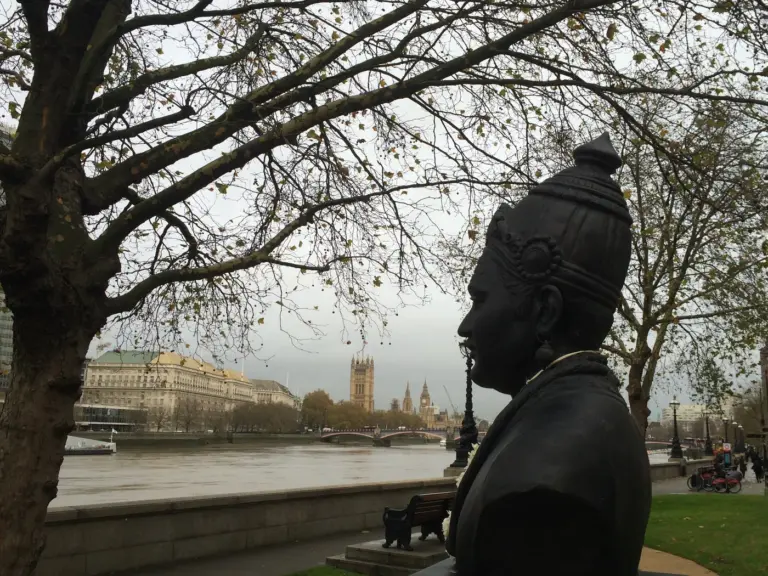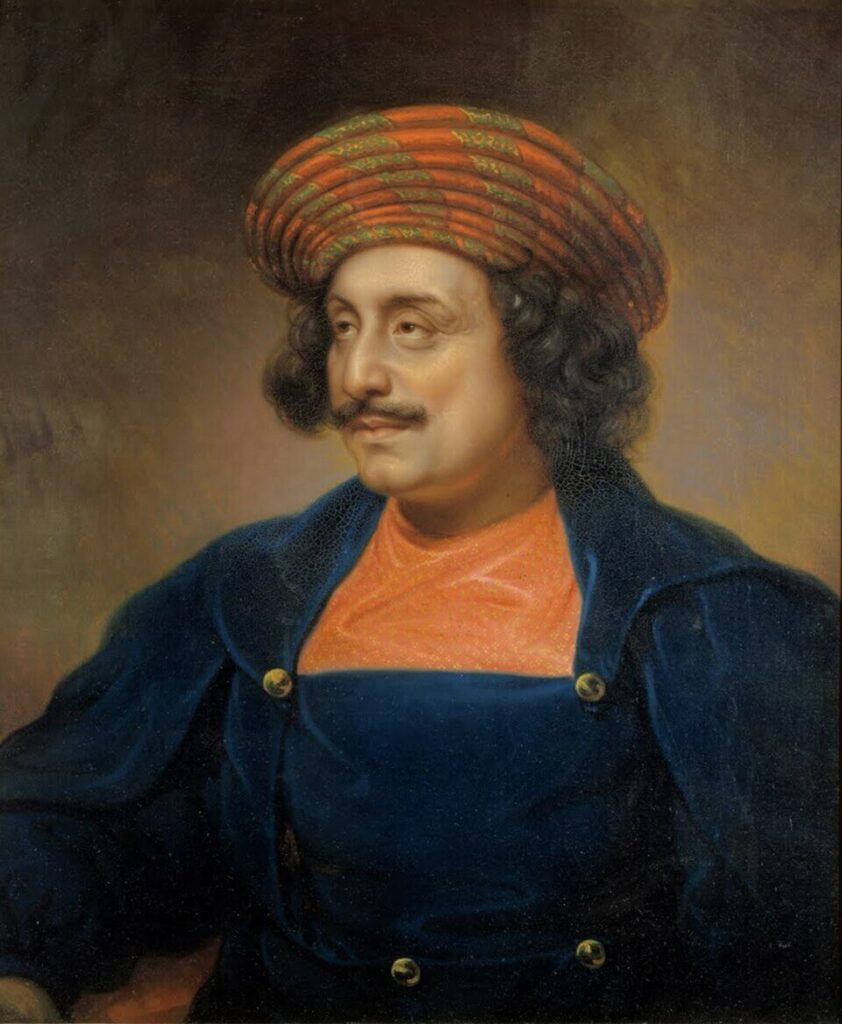
The Brahmo Samaj was the first organised socio-religious reform movement of modern India. Raja Ram Mohan Roy founded it in Calcutta on 20 August 1828 as the Brahmo Sabha, and a formal trust deed in 1830 fixed its principles: worship of one formless God, rejection of idolatry and caste, and respectful but critical engagement with all scriptures. The Brahmo Samaj never claimed mass membership, yet it set the intellectual template for almost every reform movement that followed it, from the Prarthana Samaj in Bombay to the Arya Samaj in Punjab and the Ramakrishna Mission in Bengal.
For the UPSC General Studies I paper on modern Indian history and Indian society, the Brahmo Samaj sits at the doctrinal heart of what Jawaharlal Nehru later called the Indian renaissance. Roy combined Upanishadic monotheism, Sufi and Christian unitarian ideas, and Enlightenment rationalism into a creed his Bengali contemporaries could not ignore. His campaign against Sati helped Lord William Bentinck pass Regulation XVII of 1829. His campaign for English education shaped the Macaulay minute of 1835. The Brahmo Samaj outlived him through Debendranath Tagore and Keshub Chandra Sen, fractured into the Adi and Sadharan factions, and slowly faded as Hindu revivalism and nationalism overtook liberal reform.
This article traces the Brahmo Samaj from 1828 to its three-way split in 1878, the doctrinal disputes that drove it, and why its influence on Indian liberalism still outweighs the size of any of its surviving congregations.
Quick Facts
- Founded: 20 August 1828 in Calcutta as the Brahmo Sabha
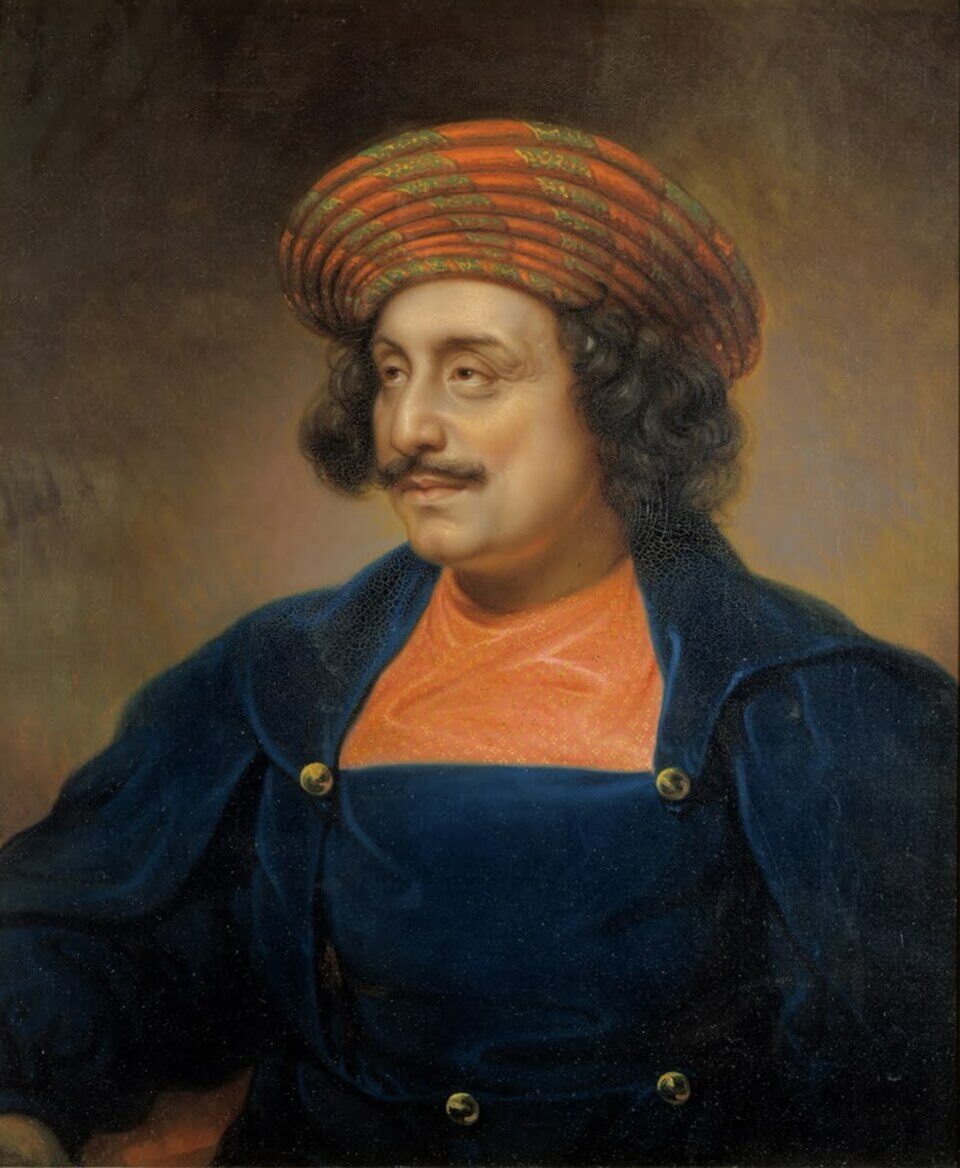
- Founder: Raja Ram Mohan Roy (1772–1833)
- Trust deed of 1830: monotheism, no idol worship, no caste discrimination, respectful study of all scriptures
- Successor leaders: Debendranath Tagore (from 1843), Keshub Chandra Sen (from 1857)
- Splits: Adi Brahmo Samaj (1866), Brahmo Samaj of India (1866 under Sen), Sadharan Brahmo Samaj (1878)
- Sati outlawed: Bengal Sati Regulation, 4 December 1829, under Governor-General Lord William Bentinck
- Native Marriage Act of 1872: first civil marriage law in India, driven by Brahmo activism
Raja Ram Mohan Roy and the Founding in 1828
Raja Ram Mohan Roy was born in 1772 in Radhanagar in Hooghly district to an orthodox Bengali Brahmin family. He learned Persian and Arabic at Patna, Sanskrit at Banaras, and English through his service with the East India Company. By the time he settled in Calcutta in 1815, he had already published the Tuhfat-ul-Muwahhidin in 1803, arguing that monotheism is the common rational core of all religions and that priestcraft and superstition are later corruptions.
Roy’s first platform was the Atmiya Sabha of 1815, followed by the Calcutta Unitarian Committee of 1823 with the missionary William Adam. The Brahmo Sabha of 1828 was the third and decisive step. It met every Saturday evening on Chitpore Road. There were no idols, no priests, only readings from the Vedas and Upanishads. The 1830 trust deed legally fixed these principles. Roy’s theology was austere and modern. He argued that the Upanishads taught a single formless Brahman, that image worship was a later distortion, and that ethical conduct mattered more than ritual purity. He translated the Kena, Isha, Katha, Mundaka and Mandukya Upanishads into Bengali and English. The Brahmo Samaj of 1828 was therefore not a rejection of Hinduism but a claim to restore its earliest rational form.
Sati Abolition and the Reform Agenda
Roy’s most consequential public campaign was against Sati, the practice in which a widow was burnt on her husband’s funeral pyre. He attended a Sati on his sister-in-law as a young man and was permanently scarred. From 1818 he published Bengali and English tracts arguing that no Hindu scripture authorised the practice and challenged orthodox pandits to public debate. Governor-General Lord William Bentinck consulted Roy before passing Regulation XVII of 4 December 1829, which made the abetment of Sati a culpable homicide. The Privy Council upheld the regulation in 1832. Roy died at Bristol on 27 September 1833 and is buried at the Arnos Vale cemetery. The Sati abolition of 1829 is the first proof that organised Indian liberalism could change colonial policy.
The Brahmo agenda did not stop at Sati. Roy and his successors campaigned for widow remarriage, against polygamy and child marriage, for women’s education and a free press. The arc of every later reform, including the Widow Remarriage Act 1856 under Ishwar Chandra Vidyasagar, the Native Marriage Act of 1872 and the Age of Consent Act of 1891, runs through the Brahmo Samaj.
Debendranath Tagore and the Brahmo Revival
Roy’s death in 1833 left the Brahmo Samaj without a leader of equivalent stature. The decisive revival came in 1843 when Debendranath Tagore, eldest son of zamindar Dwarkanath Tagore and future father of Rabindranath, joined. He had founded the Tattvabodhini Sabha in 1839 and merged it with the Brahmo Sabha, renaming it the Brahmo Samaj in the late 1840s. He introduced a covenant of seven articles, the Brahmo Anushthan, and sent four young scholars to Banaras to study the Vedas. From 1850 the Brahmo Samaj formally accepted that scripture must be judged by reason and conscience, not the other way around. Under Debendranath the movement grew steadily, opened mofussil branches, supported widow remarriage and trained a generation of younger reformers. His most famous protege was Keshub Chandra Sen, who joined in 1857.
Keshub Chandra Sen and the First Split of 1866
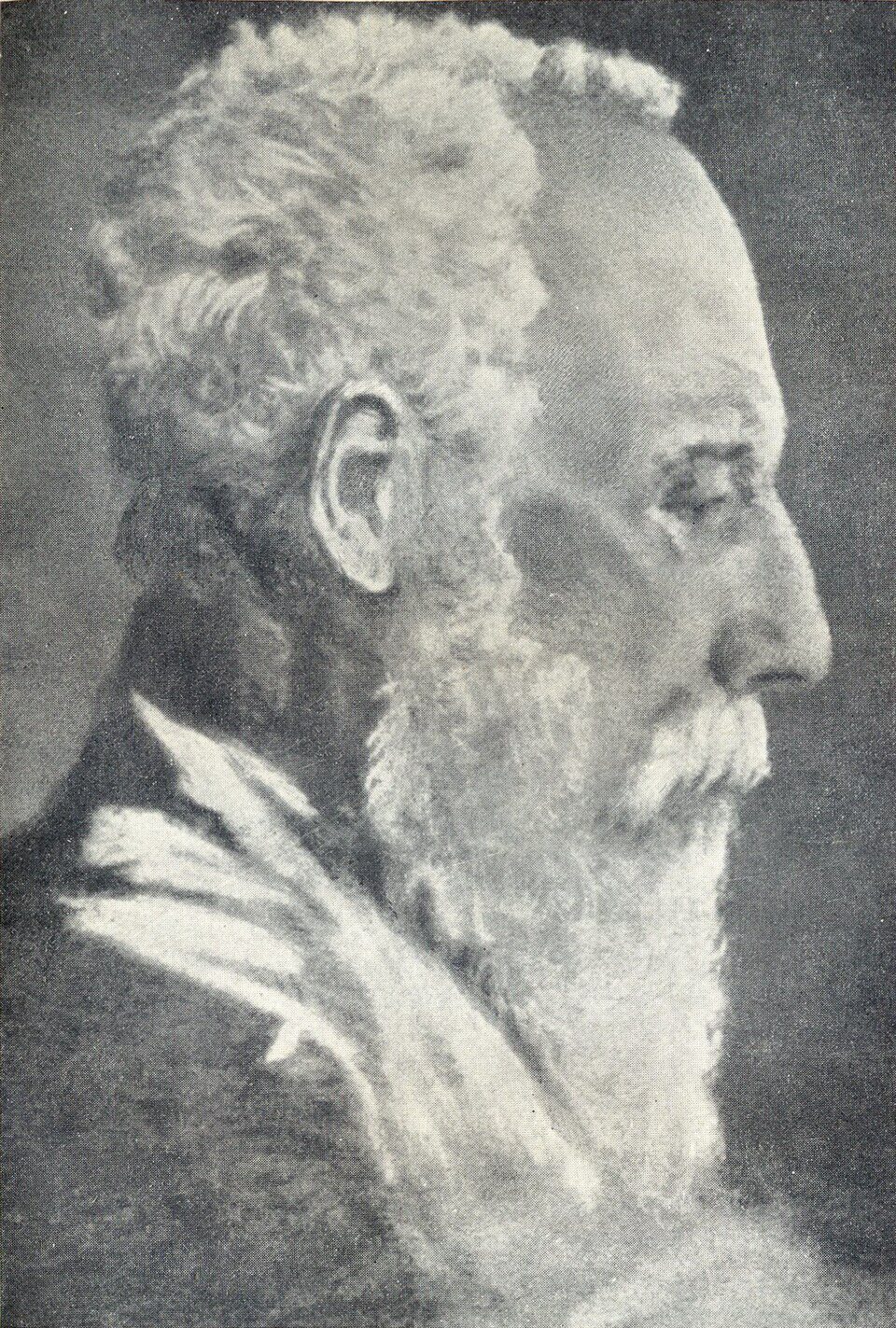
Keshub Chandra Sen pushed the Brahmo Samaj toward an activist, evangelical and cross-caste form of reform that the conservative Debendranath could not accept. Sen wanted Brahmos to abandon the sacred thread, to inter-dine across caste, to actively campaign against caste and untouchability, and to admit women to leadership. Debendranath agreed in principle on caste but resisted the open repudiation of orthodox Hindu identity.
The break came in 1866. Sen and his followers separated and called themselves the Brahmo Samaj of India. Debendranath’s group retained the original Jorasanko building and became the Adi Brahmo Samaj, the original Brahmo Samaj. Sen’s wing dropped the sacred thread, conducted inter-caste and widow remarriage ceremonies, and lobbied successfully for Act III of 1872, the Native Marriage Act, which legalised civil marriage in India for the first time and fixed minimum ages of 14 for girls and 18 for boys.
Sen toured England in 1870, met Queen Victoria, addressed Unitarian congregations, and returned with a confidence that shaded into mysticism. He proclaimed a New Dispensation in 1881 that combined Christ, Chaitanya and the Buddha in a single eclectic theology. He also married his thirteen-year-old daughter to the Maharaja of Cooch Behar in 1878, violating both the Native Marriage Act he had championed and Brahmo principles on child marriage.
The Sadharan Brahmo Samaj of 1878
The Cooch Behar marriage triggered the second split. Sivnath Sastri, Ananda Mohan Bose, Dwarakanath Ganguli and Vijay Krishna Goswami led younger Brahmos out of Sen’s Brahmo Samaj of India and founded the Sadharan Brahmo Samaj on 15 May 1878. The word Sadharan means general or universal. The new body adopted a democratic constitution with an elected committee, rejected any cult of personality, and reaffirmed the original anti-caste and anti-idolatry covenant.
By 1879 the Brahmo movement was therefore in three pieces. The Adi Brahmo Samaj under Debendranath continued as a conservative, scholarly group rooted in Bengali bhadralok families. The Brahmo Samaj of India under Sen drifted toward the New Dispensation and gradually lost members after his death in 1884. The Sadharan Brahmo Samaj became the most active reform organisation. It founded the City College in Calcutta in 1881, the Bethune College for women, the Indian Association for the Cultivation of Science, and a network of girls schools and widow remarriage homes across Bengal.
Brahmo Samaj, Age of Consent and the Arya Samaj Contrast
The Brahmo Samaj fought the bitterest legal battle of the nineteenth century over the Age of Consent Act of 1891. The Parsi reformer Behramji Malabari had circulated notes in 1884 calling for the marriageable age of girls to be raised from 10 to 12. Brahmo leaders supported him; Bal Gangadhar Tilak and the orthodox camp opposed. The Phulmoni death case of 1890 swung public opinion. Lord Lansdowne passed Act X of 1891. The contrast with the Arya Samaj of Swami Dayananda Saraswati is instructive. The Arya Samaj also opposed child marriage and caste, but grounded its arguments in Vedic authority rather than Enlightenment reason. It grew faster in Punjab and the United Provinces because it spoke an idiom of cultural pride that resonated more strongly with a colonised audience.
Influence on Indian Liberalism and Decline
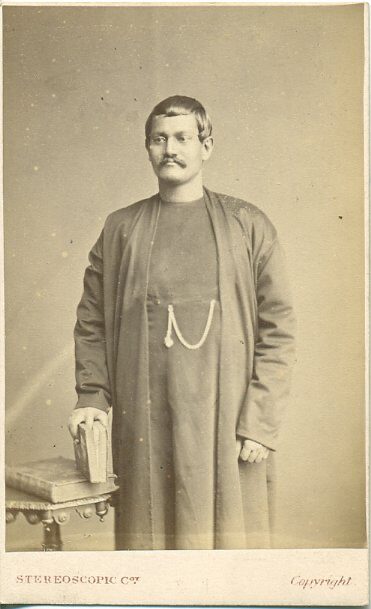
The Brahmo Samaj never had more than a few thousand active members. Its influence on Indian liberalism is vastly out of proportion to its size. The Indian National Congress drew its early leadership from Brahmo and Brahmo-adjacent families, including W C Bonnerjee, Surendranath Banerjea and Romesh Chunder Dutt. The Bengal renaissance in literature ran through the Tagore household, which was Adi Brahmo. The Brahmo critique of caste, untouchability and women’s subjugation entered Congress nationalism through Gopal Krishna Gokhale and the Servants of India Society. The Native Marriage Act of 1872 was the legal grandparent of the Hindu Code Bills of 1955 and 1956. The Samaj also gave India its first generation of female public intellectuals, including Kadambini Ganguly, the first woman to graduate from an Indian university in 1883 and one of South Asia’s earliest female physicians. Sister Nivedita corresponded across the Brahmo and Ramakrishna Mission networks.
The Brahmo Samaj declined after 1900. Hindu revivalism under Swami Vivekananda and the Arya Samaj offered a more confident cultural idiom. The Gandhian Congress absorbed most of the Brahmo reform agenda. The Sadharan Brahmo Samaj still operates from its Cornwallis Street building in Kolkata, the Adi Brahmo Samaj continues at Jorasanko, and the Bethune College, the City College and the Brahmo Girls School continue to teach. For UPSC purposes the Brahmo Samaj is best understood as the first chapter of a long argument about how India was to modernise. The legacy of Lord Dalhousie and the high colonial state on one side, and Ram Mohan Roy on the other, set the boundaries within which Indian liberalism developed.
Frequently Asked Questions
Who founded the Brahmo Samaj and in which year?
The Brahmo Samaj was founded by Raja Ram Mohan Roy as the Brahmo Sabha on 20 August 1828 in Calcutta. A formal trust deed in 1830 fixed its principles of monotheism, anti-idolatry and anti-caste, and the name Brahmo Samaj was adopted under Debendranath Tagore in the late 1840s.
What was the core doctrine of the Brahmo Samaj?
The Brahmo Samaj taught the worship of one formless God, rejected idol worship and caste discrimination, drew on the Upanishads as its primary scriptural inspiration, and insisted that reason and conscience must judge scripture rather than the other way around.
How did the Brahmo Samaj contribute to the abolition of Sati?
Raja Ram Mohan Roy ran a sustained campaign against Sati from 1818 with Bengali and English tracts, public debates and petitions to the Governor-General. His advocacy supported Lord William Bentinck in passing Regulation XVII of 4 December 1829, which criminalised the abetment of Sati. The Privy Council upheld the regulation in 1832.
What caused the first split of the Brahmo Samaj in 1866?
Keshub Chandra Sen pushed for active campaigns against caste, including inter-caste and widow remarriages, and the dropping of the sacred thread. Debendranath Tagore resisted the pace of change. Sen left in 1866 to found the Brahmo Samaj of India, while Debendranath retained the original body as the Adi Brahmo Samaj.
Why was the Sadharan Brahmo Samaj founded in 1878?
The Sadharan Brahmo Samaj was founded on 15 May 1878 by Sivnath Sastri, Ananda Mohan Bose and others after Keshub Chandra Sen married his thirteen year old daughter to the Maharaja of Cooch Behar in violation of his own reform principles and the Native Marriage Act of 1872. The new body adopted a democratic constitution.
How did the Brahmo Samaj differ from the Arya Samaj?
The Brahmo Samaj used Enlightenment reason and a comparative reading of all scriptures as its method, accepted no scripture as infallible, and worked mainly in Bengal. The Arya Samaj of Swami Dayananda Saraswati treated the Vedas as infallible, used the slogan Back to the Vedas, and grew faster in Punjab and the United Provinces. Both opposed idolatry, caste and child marriage.
What is the lasting legacy of the Brahmo Samaj?
The Brahmo Samaj produced the first generation of modern Indian liberals, supported the abolition of Sati, the legalisation of widow remarriage, civil marriage and the Age of Consent reforms, and trained early Congress leaders. Its educational institutions, including Bethune College and City College, still function. Its theological emphasis on reason over ritual remains a marker of Indian liberalism.
Is the Brahmo Samaj still active today?
Yes. The Sadharan Brahmo Samaj at 211 Bidhan Sarani in Kolkata, the Adi Brahmo Samaj at Jorasanko, and smaller congregations in Bangladesh, Assam, the United Kingdom and the United States continue weekly worship. Active membership is small, but the institutions and schools founded by the movement remain part of the public infrastructure of education in Bengal.
Tell Google you want more of this.
Add Anantam IAS as a preferred sourceOne tap, and this site shows up more often in your own Top Stories, AI Overviews and AI Mode. Remove it any time.