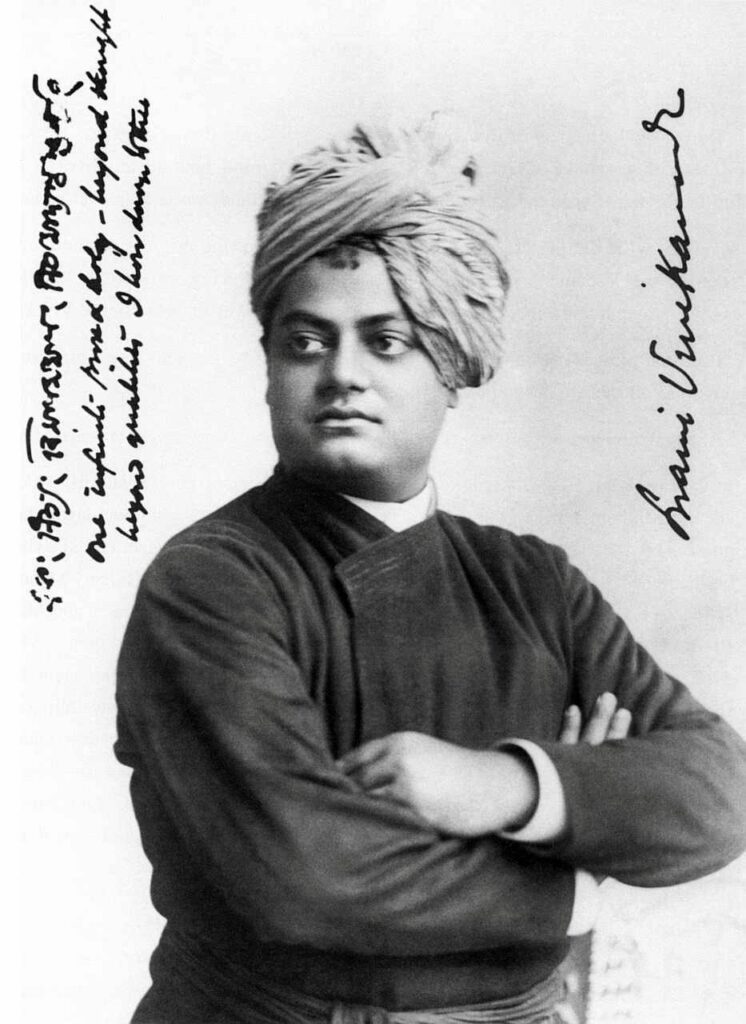
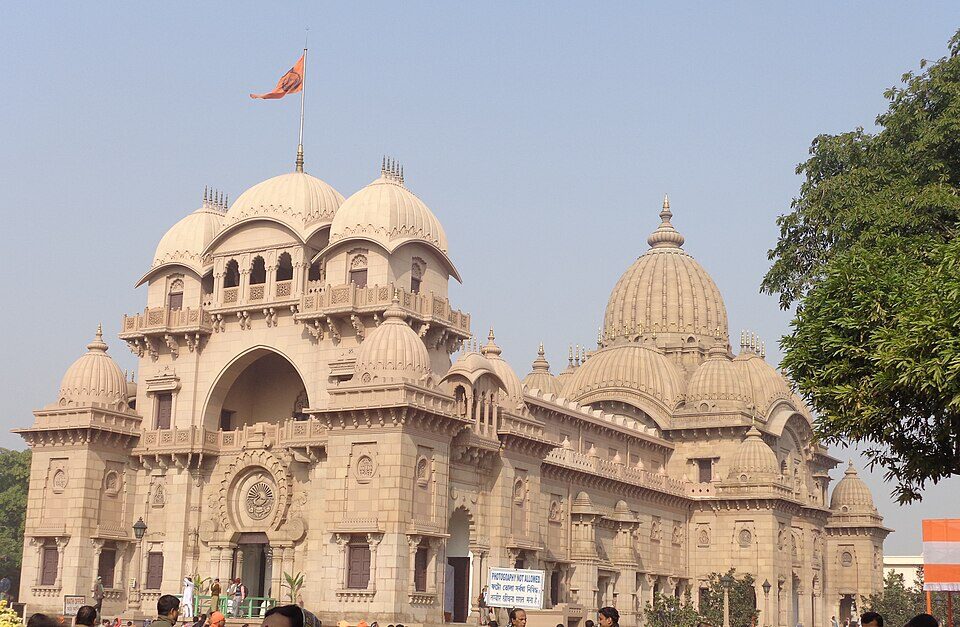
The Ramakrishna Mission is the most institutionally durable socio-religious reform organisation modern India has produced. Swami Vivekananda founded it on 1 May 1897 at the Balaram Mandir in Calcutta, six years after his teacher Sri Ramakrishna Paramahamsa’s death and four years after his celebrated address at the Parliament of the World’s Religions in Chicago. The Mission fused Sri Ramakrishna’s Vedantic spirituality with a programme of practical service in education, healthcare and disaster relief that survives intact a century and a quarter later. Belur Math on the western bank of the Hooghly is its global headquarters and the only major Hindu religious institution that has been continuously administered by a single monastic order since the nineteenth century.
For UPSC General Studies I on modern Indian history and Indian society, the Ramakrishna Mission completes the third great strand of nineteenth century reform alongside the Brahmo Samaj and the Arya Samaj. Where Raja Ram Mohan Roy worked through liberal rationalism and Swami Dayananda Saraswati through Vedic literalism, Swami Vivekananda preached a confident, inclusive Vedanta that accepted Puranic devotion and Tantric ritual as valid paths to the one Brahman. He converted that theology into a national, and then global, network of service institutions through the slogan Shiva Jnane Jiva Seva, the service of all living beings as the worship of Shiva.
This article walks through Sri Ramakrishna’s life and teaching, Vivekananda’s intellectual journey from Narendranath Datta to the Parliament of Religions, the founding and structure of the Ramakrishna Mission, the philosophy of Practical Vedanta, the institutional network today, and the legacy that places the Mission alongside the Brahmo Samaj and the Arya Samaj in any serious UPSC answer on Indian renaissance.
Quick Facts
- Founded: 1 May 1897 at the Balaram Mandir, 7 Girish Avenue, Calcutta
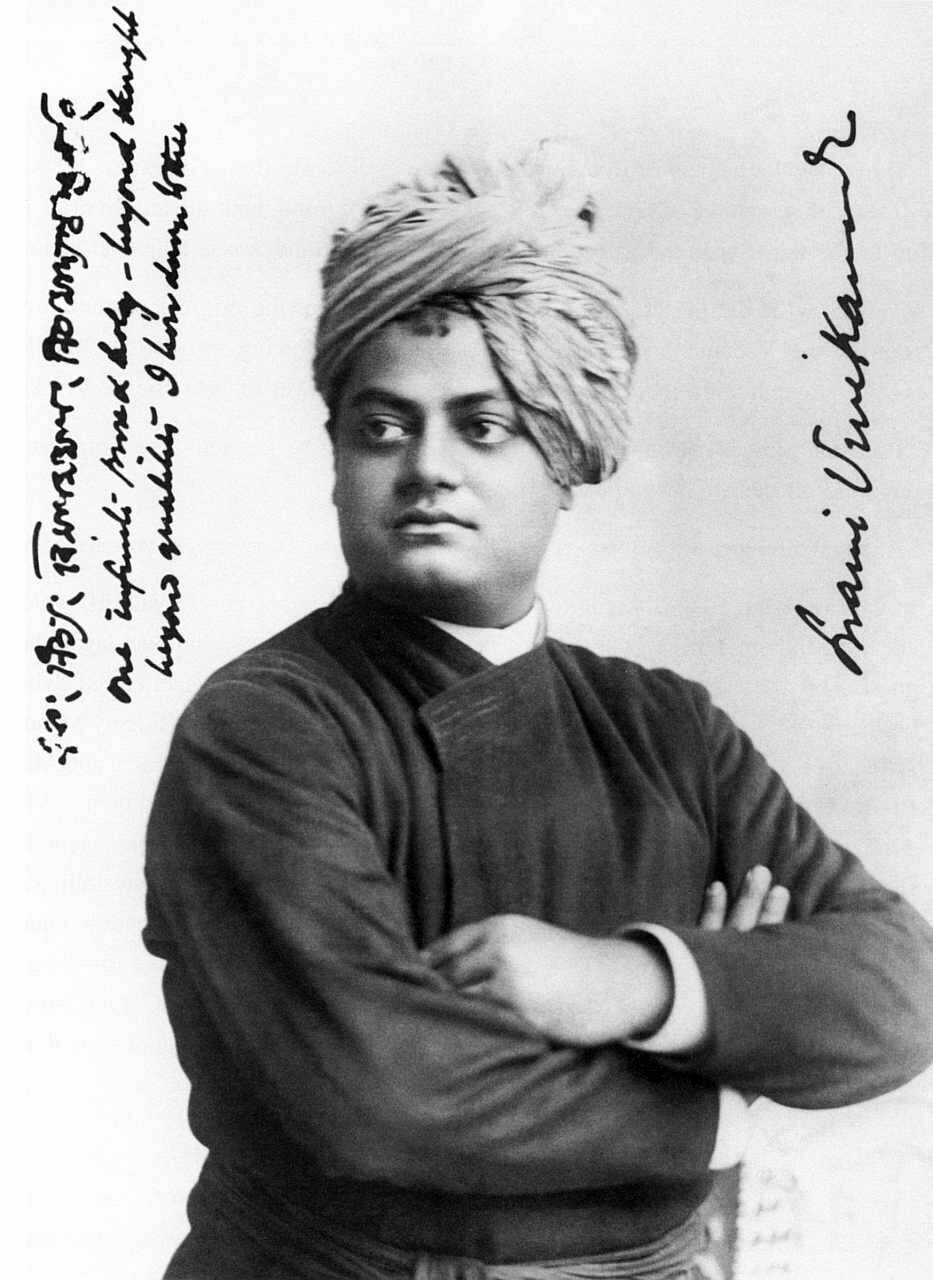
- Founder: Swami Vivekananda (Narendranath Datta, 1863–1902)
- Inspiration: Sri Ramakrishna Paramahamsa (Gadadhar Chattopadhyay, 1836–1886)
- Headquarters: Belur Math on the west bank of the Hooghly, established January 1899
- Twin body: Ramakrishna Math, the monastic order, also headquartered at Belur Math
- Core motto: Atmano Mokshartham Jagad Hitaya Cha, For one’s own liberation and for the welfare of the world
- Service philosophy: Shiva Jnane Jiva Seva, service to living beings as worship of Shiva
- Active centres: about 280 worldwide as of 2026, across India, Bangladesh, Sri Lanka, Mauritius, Fiji, the United Kingdom, the United States, Canada, Argentina, France, Germany, Russia, Japan, Singapore and South Africa
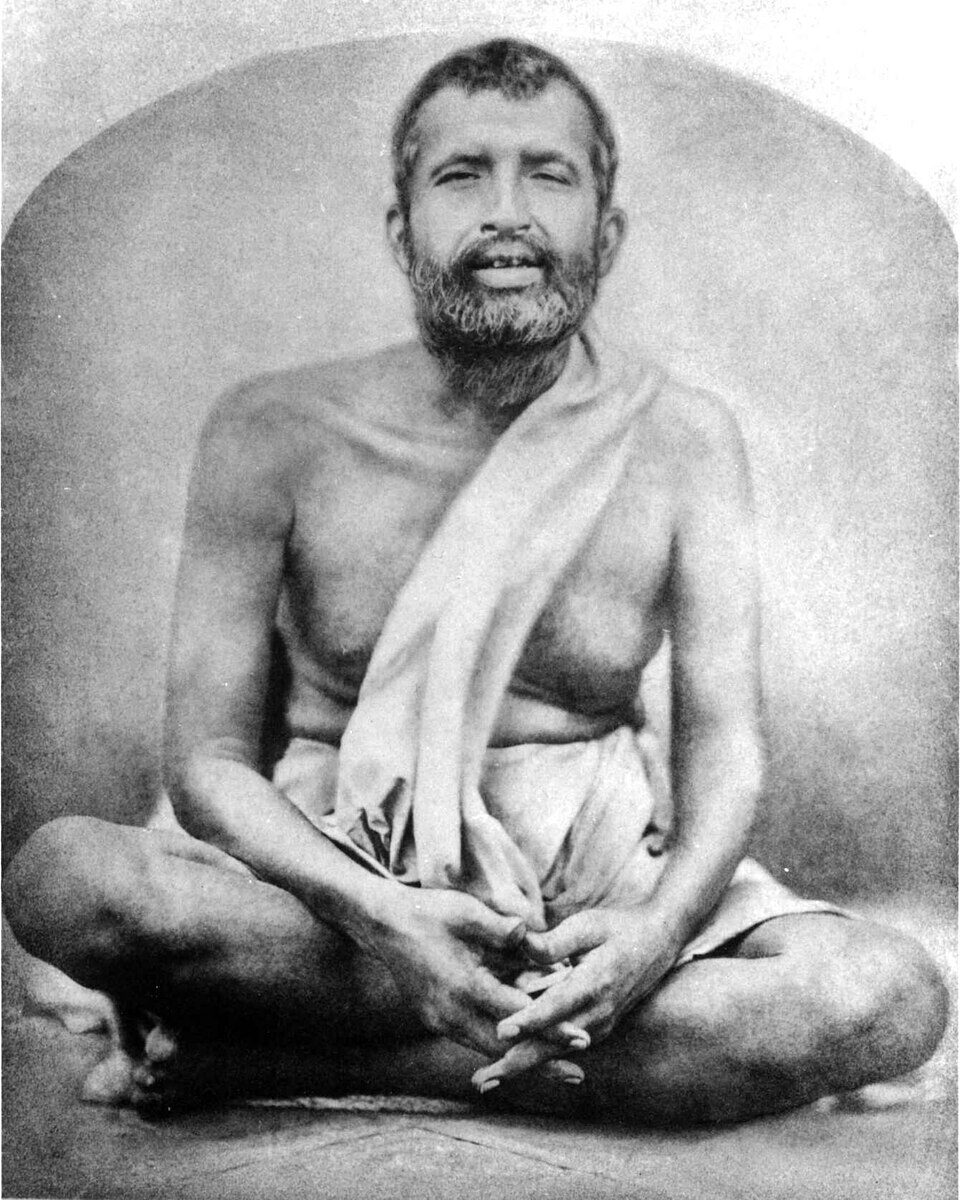
Sri Ramakrishna Paramahamsa and the Spiritual Foundation
Sri Ramakrishna was born Gadadhar Chattopadhyay on 18 February 1836 in Kamarpukur, a village in Hooghly district of Bengal. He joined the Dakshineswar Kali Temple as a junior priest in 1855 and after his elder brother Ramkumar’s death in 1856 took over as the priest of the Kali shrine, where he remained for the rest of his life.
His spiritual training fell into three phases. First, intense Tantric and Vaishnava sadhanas in the 1860s under his Bhairavi guru Yogeshwari. Second, Advaita Vedanta initiation under the wandering monk Tota Puri in 1864–66, during which he attained Nirvikalpa samadhi. Third, his Islamic sadhana of 1866 and Christian sadhana of 1873, in which he practised Sufi and Christian devotions. His conclusion is the most cited line in modern Hindu apologetics: yato mat tato path, as many faiths so many paths.
His teachings can be summarised in three points. God is one but worshipped under many names. The bondage of human life is removable through any sincere spiritual practice. Women are manifestations of the Divine Mother. He married Sarada Devi in 1859 and worshipped her in the Shodashi puja as the Divine Mother in 1872. Sarada Devi, the Holy Mother, became the spiritual mother of the Ramakrishna order after his death. Ramakrishna died of throat cancer on 16 August 1886 at the Cossipore garden house in north Calcutta. His sixteen close disciples, including Narendranath Datta, became the first monks of the new order.
Narendranath Datta and the Making of Vivekananda
Narendranath Datta was born on 12 January 1863 at Simulia in north Calcutta to an English-educated Bengali Kayastha family. He graduated with a Bachelor of Arts from the General Assembly’s Institution, later the Scottish Church College, in 1884. He was a member of the Sadharan Brahmo Samaj before he met Ramakrishna in November 1881.
Narendra entered as a rational sceptic and asked whether Ramakrishna had seen God. Ramakrishna answered yes, as I see you, and more intensely. After Ramakrishna’s death in 1886, Narendra and the inner circle took monastic vows at the Baranagar Math. Narendra received the name Swami Vivekananda. He wandered as a parivrajaka monk across India from 1888 to 1892 from Almora to Kanyakumari. At Kanyakumari on 24 December 1892 he meditated on a rock off the southern shore and concluded that India had to be revived through education and service. The Vivekananda Rock Memorial of 1970 commemorates the spot.
His address at the Parliament of the World’s Religions on 11 September 1893 began Sisters and Brothers of America and earned a two minute standing ovation. He spent the next three years lecturing across the United States and Europe, founded the Vedanta Society of New York in 1894, gave the Jnana Yoga and Raja Yoga lectures that became the principal English texts of Vedanta, and met Margaret Noble in London in 1895. Vivekananda returned to India in January 1897 to a triumphal welcome at Colombo, Madras and Calcutta.
Founding of the Ramakrishna Mission
The Ramakrishna Mission was formally constituted on 1 May 1897 at the Balaram Mandir, the house of Balaram Bose at 7 Girish Avenue in Calcutta. Vivekananda was elected general president. The Mission was registered under the Societies Registration Act of 1860 on 4 May 1909. The objects clause listed three aims: to train workers to ameliorate the condition of mankind, to promote harmony among all religions, and to care for the sick and destitute.
Vivekananda separated the monastic and service wings. The monastic order, the Ramakrishna Math, retained its identity as the lineage of Ramakrishna’s direct sannyasi disciples. The Ramakrishna Mission was a public charitable society open to monks and lay members alike. Both bodies share the same head, the President of the Order. Belur Math, on a forty acre plot on the western bank of the Hooghly opposite Dakshineswar, was acquired in March 1898 and consecrated on 9 December 1898. The main shrine, a fusion of Hindu, Buddhist, Christian and Islamic motifs, was consecrated in 1938. Vivekananda died at Belur on 4 July 1902 at the age of thirty nine.
Practical Vedanta and Shiva Jnane Jiva Seva
The intellectual core of the Ramakrishna Mission is what Vivekananda called Practical Vedanta. He argued that the Advaita Vedanta of Adi Shankaracharya was not a doctrine for forest renunciates alone but the foundation of a programme of public action. If Brahman is one and present in all beings, the service of any living being is the service of God. The slogan Shiva Jnane Jiva Seva captures the practical implication. The first Mission relief operation, after the Murshidabad famine of 1897, was the field test. Monks lived in plague-struck Calcutta neighbourhoods through 1898 with Sister Nivedita.
Vivekananda’s second contribution was his diagnosis of Indian weakness as a failure of self confidence rather than of resources. The Chicago address, the Colombo to Almora lectures of 1897, and the speeches at Madras and Lahore all return to the same theme. India had given the world its highest spiritual philosophy and could regain her place if she stopped imitating the West. Sri Aurobindo, Bal Gangadhar Tilak, Subhas Chandra Bose and Jawaharlal Nehru all acknowledged his influence.
The Service Network: Education, Healthcare and Relief
The Ramakrishna Mission today runs one of the largest non-governmental service networks in India. About two hundred and eighty branches operate worldwide. In education the Mission runs the Ramakrishna Mission Vivekananda Educational and Research Institute at Belur, granted university status in 2005, the Narendrapur residential school, the Sarada Math girls schools, and a chain of tribal residential schools delivering education to over three lakh students.
In healthcare the Mission runs the Seva Pratishthan Hospital at Calcutta, the Ramakrishna Mission Hospital at Itanagar, the Vrindavan Sevashrama and dispensaries across India, with over eighty lakh consultations a year. In relief the Mission has run continuous disaster response since the Murshidabad famine of 1897, including the Bengal famine of 1943, the Partition refugee camps, the Bangladesh refugee operations of 1971, the Gujarat earthquake of 2001, the 2004 tsunami, the Kerala floods of 2018 and the COVID-19 pandemic. Combined service expenditure runs to several hundred crore rupees a year, funded almost entirely by Indian donors.
Sister Nivedita, Sarada Devi and the Women’s Wing
Sarada Devi, the Holy Mother, was treated as the spiritual mother of the order from 1886 until her death in 1920. She gave initiation to thousands of disciples, male and female. Sister Nivedita, born Margaret Elizabeth Noble in Ulster in 1867, met Vivekananda in London in 1895 and joined him in India in January 1898. She was initiated at Belur in March 1898 and opened the first Ramakrishna girls school at Bagbazar in November 1898. She wrote The Master As I Saw Him in 1910, the definitive personal record of Vivekananda’s last years. Her work prepared the ground for the Sri Sarada Math, the independent women’s monastic order founded in 1954 at Dakshineswar.
Comparison with the Brahmo and Arya Samaj
The contrast with the Brahmo Samaj is between Enlightenment liberalism and Vedantic universalism. Both rejected caste and untouchability and supported widow remarriage and the Widow Remarriage Act 1856. The Brahmos demoted scripture and elevated reason. Vivekananda treated all scripture as valid expressions of the one Vedantic truth. The contrast with the Arya Samaj is between Vedic literalism and Vedantic inclusivism. The Arya Samaj rejected idolatry; Vivekananda accepted Kali worship and image worship as legitimate paths. The Arya Samaj ran the Shuddhi campaign; the Ramakrishna Mission has avoided organised reconversion. The colonial state under Lord Dalhousie created the administrative infrastructure within which all three movements operated.
The Mission in the Twenty First Century
The Mission entered the twenty first century with a stable institutional base and an unbroken monastic succession. In Bramachari Sidheswar Shai versus State of West Bengal in 1995, the Supreme Court ruled that the Mission is a part of Hinduism and not a separate religion, after the Mission had filed for minority educational status. The Mission accepted the verdict. For UPSC the Ramakrishna Mission illustrates the practical translation of Vedanta into institutional service and the durability of a monastic order with a constitutional separation between religious and charitable functions.
Frequently Asked Questions
Who founded the Ramakrishna Mission and when?
The Ramakrishna Mission was founded by Swami Vivekananda on 1 May 1897 at the Balaram Mandir, 7 Girish Avenue, Calcutta, six years after the death of his teacher Sri Ramakrishna Paramahamsa.
What is the relationship between the Ramakrishna Math and the Ramakrishna Mission?
The Ramakrishna Math is the monastic order of Sri Ramakrishna’s spiritual successors and is concerned with monastic training and ritual worship. The Ramakrishna Mission is a public charitable society registered in 1909 that runs the schools, hospitals and relief operations. Both share the same head, the President of the Order, and operate from Belur Math.
What is Shiva Jnane Jiva Seva?
Shiva Jnane Jiva Seva, attributed to Swami Vivekananda, means the service of living beings in the awareness that they are forms of Shiva. It is the Mission’s central practical principle and the foundation of its programmes in education, healthcare and disaster relief.
Where is the headquarters of the Ramakrishna Mission?
The headquarters is Belur Math, located on the western bank of the Hooghly river opposite the Dakshineswar Kali Temple. Belur Math was acquired in 1898 and consecrated as the headquarters on 9 December 1898 by Swami Vivekananda.
What was Sri Ramakrishna Paramahamsa’s main teaching?
Sri Ramakrishna taught that the same God is worshipped under many names and forms, that any sincere spiritual practice can lead to realisation, and that the bondage of human life is removable through devotion, knowledge or action. His most cited line is yato mat tato path, as many faiths so many paths.
How is the Ramakrishna Mission different from the Brahmo Samaj and the Arya Samaj?
The Brahmo Samaj treated all scripture as fallible and used reason as the test of truth. The Arya Samaj treated the Vedas as the infallible revelation and rejected Puranic Hinduism. The Ramakrishna Mission treats all scriptures and all forms of worship as valid paths to the one Brahman of Advaita Vedanta and combines this inclusivism with a large practical service programme.
What services does the Ramakrishna Mission provide today?
The Mission runs about two hundred and eighty centres worldwide, with schools and colleges for over three lakh students, hospitals with eighty lakh consultations a year, tribal and rural development programmes, and continuous disaster relief since 1897.
Why was the Ramakrishna Mission ruled to be Hindu by the Supreme Court?
In Bramachari Sidheswar Shai versus State of West Bengal in 1995, the Supreme Court held that the Mission is a religious denomination within Hinduism and not a separate religion, after the Mission had filed for minority educational status. The Mission accepted the ruling.
Tell Google you want more of this.
Add Anantam IAS as a preferred sourceOne tap, and this site shows up more often in your own Top Stories, AI Overviews and AI Mode. Remove it any time.