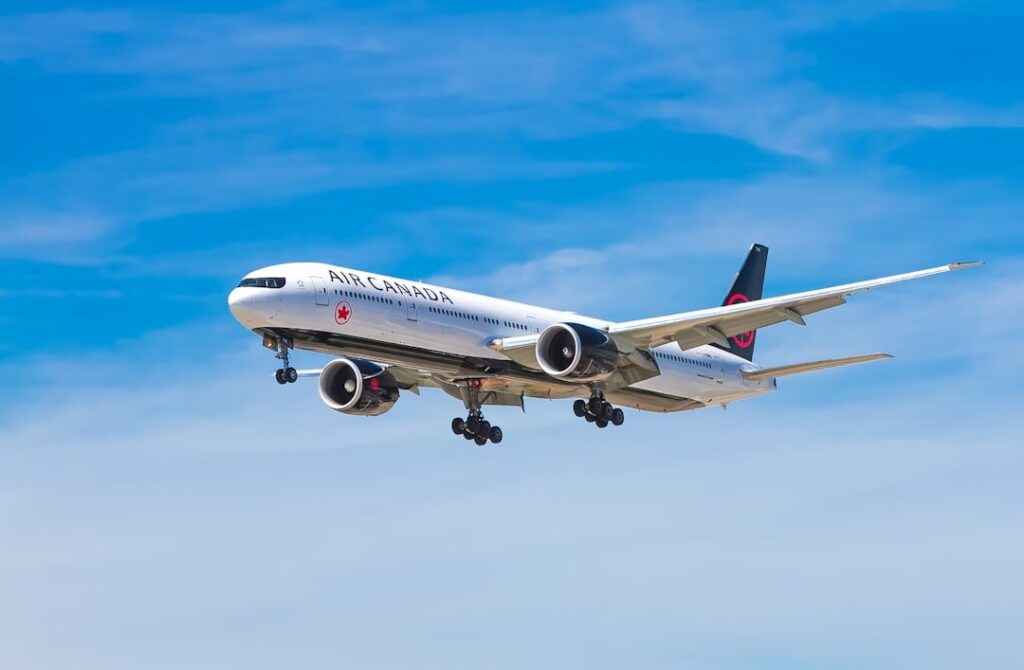
Aviation hull insurance is the cover that protects the physical aircraft itself from damage or loss, separate from the cover that protects passengers, cargo, and third parties. The aviation insurance industry distinguishes hull from liability because the risks behave differently and the policy structures are negotiated separately. Aviation hull insurance is paired with the Montreal Convention 1999 framework, which governs an airline’s liability to passengers and shippers in international travel. Together these two pieces form the financial backbone that allows commercial aviation to operate at scale despite the high cost of a single accident.
What Hull Insurance Covers
A hull policy pays for damage to the aircraft itself. This includes physical loss from a crash, fire, collision, weather, vandalism, or sabotage. Policies usually distinguish between an in-motion hull and an on-ground hull. In-motion cover applies from the moment the aircraft begins to move under its own power for take-off until it comes to a complete stop after landing. On-ground cover applies to the parked aircraft, including damage from hangar fires, ground collisions, and natural events.
War risk is typically excluded from a standard hull policy. Airlines purchase a separate hull war and allied perils cover to fill this gap. War risk premiums spike in periods of geopolitical tension because the underwriting market is small and reactive.
The insured value of a hull is usually the agreed value at policy inception rather than the market value at the time of loss. This avoids disputes about depreciation if a write-off occurs. The deductible can be substantial, often a percentage of the agreed value, which discourages claims for minor damage.
Liability Insurance and the Montreal Convention 1999
Hull is one half of the picture. The other half is liability, which covers the airline’s exposure to passengers, cargo owners, and third parties on the ground. The legal framework governing international airline liability is the Montreal Convention 1999, formally the Convention for the Unification of Certain Rules for International Carriage by Air. It replaced the earlier Warsaw Convention regime and entered into force globally in 2003.
India ratified the Montreal Convention in 2009 and has incorporated it into domestic law through the Carriage by Air Act and subsequent amendments. The convention applies to international carriage where the place of departure and the place of destination are in different signatory states or in the same state with a stopover in another state.
Strict Liability Tier
The most important feature of the Montreal Convention is its two-tier liability structure for passenger death or bodily injury.
The first tier is strict liability up to a specified limit measured in Special Drawing Rights of the IMF. The limit is adjusted periodically. Currently it is approximately one hundred and twenty-eight thousand SDRs per passenger. Under strict liability, the airline cannot avoid this exposure by proving that it took all necessary measures. The passenger or their family does not have to prove fault.
The second tier applies for damages above the strict liability limit. The airline can avoid liability above the limit only by proving that the damage was not due to its own negligence or that it was solely due to the negligence of a third party. This shifts the burden of proof to the airline once the threshold is crossed.
Cargo and Baggage Limits
The Montreal Convention also caps liability for delayed, damaged, or lost cargo and baggage. The cargo limit is measured per kilogram and the baggage limit is per passenger. Passengers can declare a higher value at check-in by paying an additional fee, which raises the limit on a per-bag basis. These caps are also expressed in SDRs and revised periodically.
How This Translates into Insurance
Airlines purchase passenger legal liability, cargo legal liability, and third-party liability covers to match the Montreal Convention limits. Indian carriers operating internationally must hold liability insurance at levels prescribed by the Directorate General of Civil Aviation. Domestic flights within India are not covered by the Montreal Convention itself but are governed by similar domestic carriage rules that mirror much of the convention structure.
Premiums for both hull and liability are paid annually with adjustments for changes in fleet size, route structure, and claims history. The Indian aviation insurance market is intermediated by general insurance companies regulated by IRDAI, with reinsurance placed in global markets including Lloyd’s of London.
Recent Issues in Aviation Insurance
The COVID-19 pandemic, geopolitical tensions affecting overflight routes, and the rapid growth of low-cost carriers have all pressured the aviation insurance market. War risk premiums rose sharply after the conflict in Ukraine because aircraft leased to Russian carriers became inaccessible and subject to insurance disputes that ran into the billions of dollars globally.
The Indian aviation market is expanding fast, with new carriers, large aircraft orders, and ambitious international expansion plans. Insurers are adjusting to higher exposures and more complex routing.
FAQs
What is aviation hull insurance?
A cover that protects the physical aircraft itself from damage or loss, separate from passenger and third-party liability cover.
What is the difference between in-motion and on-ground hull cover?
In-motion cover applies while the aircraft is taxiing, taking off, flying, or landing. On-ground cover applies when the aircraft is stationary.
What is the Montreal Convention 1999?
An international treaty that governs airline liability for passenger death or injury, cargo loss, and baggage damage on international flights.
Does India follow the Montreal Convention?
Yes. India ratified the convention in 2009 and incorporated it into domestic law for international carriage.
What is the strict liability limit under Montreal 1999?
Approximately one hundred and twenty-eight thousand SDRs per passenger, subject to periodic adjustment by ICAO.
Why is war risk excluded from standard hull policies?
Because war risk carries low-probability but very high-severity losses that require a specialised pricing approach and separate reinsurance capacity.
Who regulates aviation insurance in India?
Insurance companies are regulated by IRDAI, while aviation safety and liability requirements are set by the Directorate General of Civil Aviation.
Can passengers buy their own insurance to top up Montreal limits?
Yes. Personal travel insurance and life insurance products can supplement the statutory minimums set under the convention.
Tell Google you want more of this.
Add Anantam IAS as a preferred sourceOne tap, and this site shows up more often in your own Top Stories, AI Overviews and AI Mode. Remove it any time.