
Subject pillar · 1964 pieces
GS II
General Studies Paper II covers the Constitution, governance, social justice and international relations. It is the paper where static theory and current affairs are hardest to separate, and where the same event can be asked as…
About this pillar
What's covered
General Studies Paper II covers the Constitution, governance, social justice and international relations. It is the paper where static theory and current affairs are hardest to separate, and where the same event can be asked as law, as policy, or as diplomacy.
The paper rewards precision about institutions. Knowing that a body exists earns little; knowing how it is appointed, what it can and cannot do, and where its powers have been contested is what carries marks. Judgments matter here more than in any other GS paper, and so does the ability to state both sides of a governance question before taking a position.
Use the Polity, Governance, Social Justice and International Relations pillars for depth within each half.
Official UPSC CSE syllabus
UPSC Syllabus for GS II
- Main Examination — General Studies Paper II (Governance, Constitution, Polity, Social Justice and International Relations)
- Indian Constitution — historical underpinnings, evolution, features, amendments, significant provisions and basic structure.
- Functions and responsibilities of the Union and the States, issues and challenges pertaining to the federal structure, devolution of powers and finances up to local levels and challenges therein.
- Separation of powers between various organs, dispute redressal mechanisms and institutions.
- Comparison of the Indian constitutional scheme with that of other countries.
- Parliament and State legislatures — structure, functioning, conduct of business, powers & privileges and issues arising out of these.
- Structure, organization and functioning of the Executive and the Judiciary; Ministries and Departments of the Government; pressure groups and formal/informal associations and their role in the Polity.
- Salient features of the Representation of People’s Act.
- Appointment to various Constitutional posts, powers, functions and responsibilities of various Constitutional Bodies.
- Statutory, regulatory and various quasi-judicial bodies.
- Government policies and interventions for development in various sectors and issues arising out of their design and implementation.
- Development processes and the development industry — the role of NGOs, SHGs, various groups and associations, donors, charities, institutional and other stakeholders.
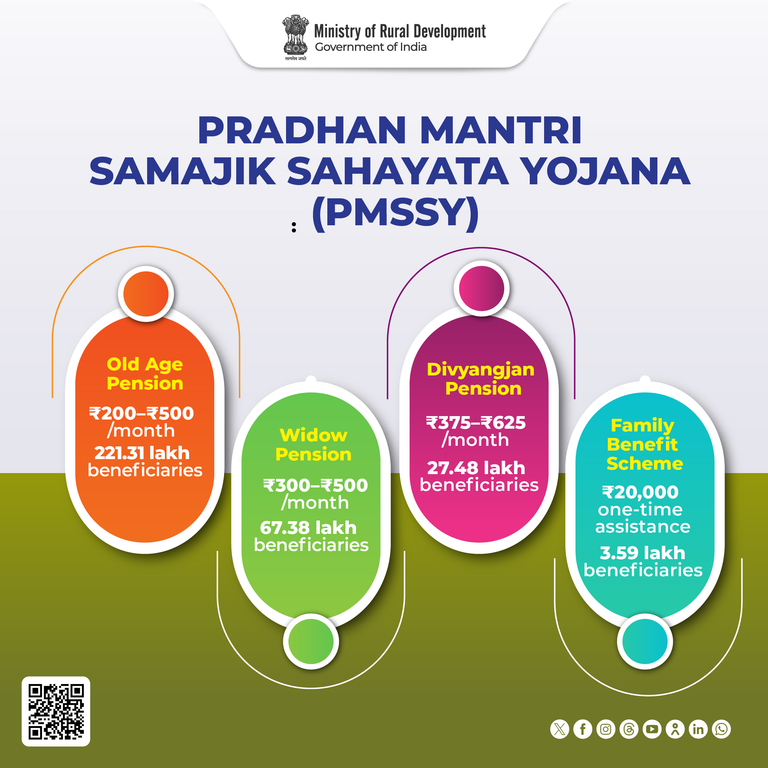
- Welfare schemes for vulnerable sections of the population by the Centre and States and the performance of these schemes; mechanisms, laws, institutions and Bodies constituted for the protection and betterment of these vulnerable sections.
- Issues relating to development and management of Social Sector / Services relating to Health, Education, Human Resources.
- Issues relating to poverty and hunger.
- Important aspects of governance, transparency and accountability, e-governance — applications, models, successes, limitations, and potential; citizens charters, transparency & accountability and institutional and other measures.
- Role of civil services in a democracy.
- India and its neighbourhood — relations.
- Bilateral, regional and global groupings and agreements involving India and/or affecting India’s interests.
- Effect of policies and politics of developed and developing countries on India’s interests, Indian diaspora.
- Important International institutions, agencies and fora — their structure, mandate.
Source: Official UPSC Civil Services Examination notification — Preliminary & Main Examination syllabus.
Editor's picks
Start with these
The newest pieces on GS II. Start here if this pillar is new to you.



Foundations · GS II
Notes & guides at a glance
Side-by-side: the most recent revision-ready Study Notes and the deeper Study Guides on GS II. Numbered so you can scan in seconds.
Study Notes
All study notes →- 01South Asian University: SAARC Agreement, the SAU Act and How It Is Run
- 02Gilgit Baltistan: India’s Legal Position, 1947 History and the CPEC Question
- 03Mission Vatsalya: Components, Funding, JJ Act Link and CARA
- 04NFHS-6: Key Findings, NFHS-5 Comparison and What Is Missing
- 05Dhar Commission: JVP Committee, Fazl Ali Report and Linguistic States
- 06ASER Report: How Pratham’s Survey Tests Learning, Findings and Criticisms
- 07Asia Power Index: Lowy Institute’s 8 Measures, Power Tiers and India’s Rank
- 08Kimberley Process: Conflict Diamonds, the KP Certificate and India’s Chairs
- 09Floor Test: Meaning, Trust Votes, the Governor’s Role and the Bommai Rule
- 10MLA Salary, MP Salary and Chief Minister Salary: State Table and Pension
News in GS II
Latest current affairs
The 10 newest Why-in-News pieces filed under GS II, each with GS mapping and a practice question.
- 01
- 02
- 03
- 04
- 05
- 06
- 07
- 08
- 09
- 10
Everything in GS II
All GS II pieces
The complete index of all 1,964 pieces filed under GS II, newest first. It includes the highlights above.








Preparing for UPSC CSE 2026? Sit in a free demo class.
No sales call. No brochure. Watch a real Monday-morning GS session taught by ex-Rau's IAS faculty.