Why in News?
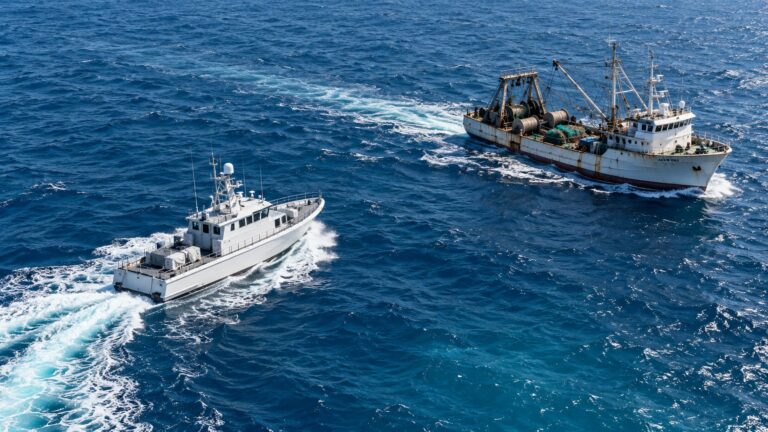
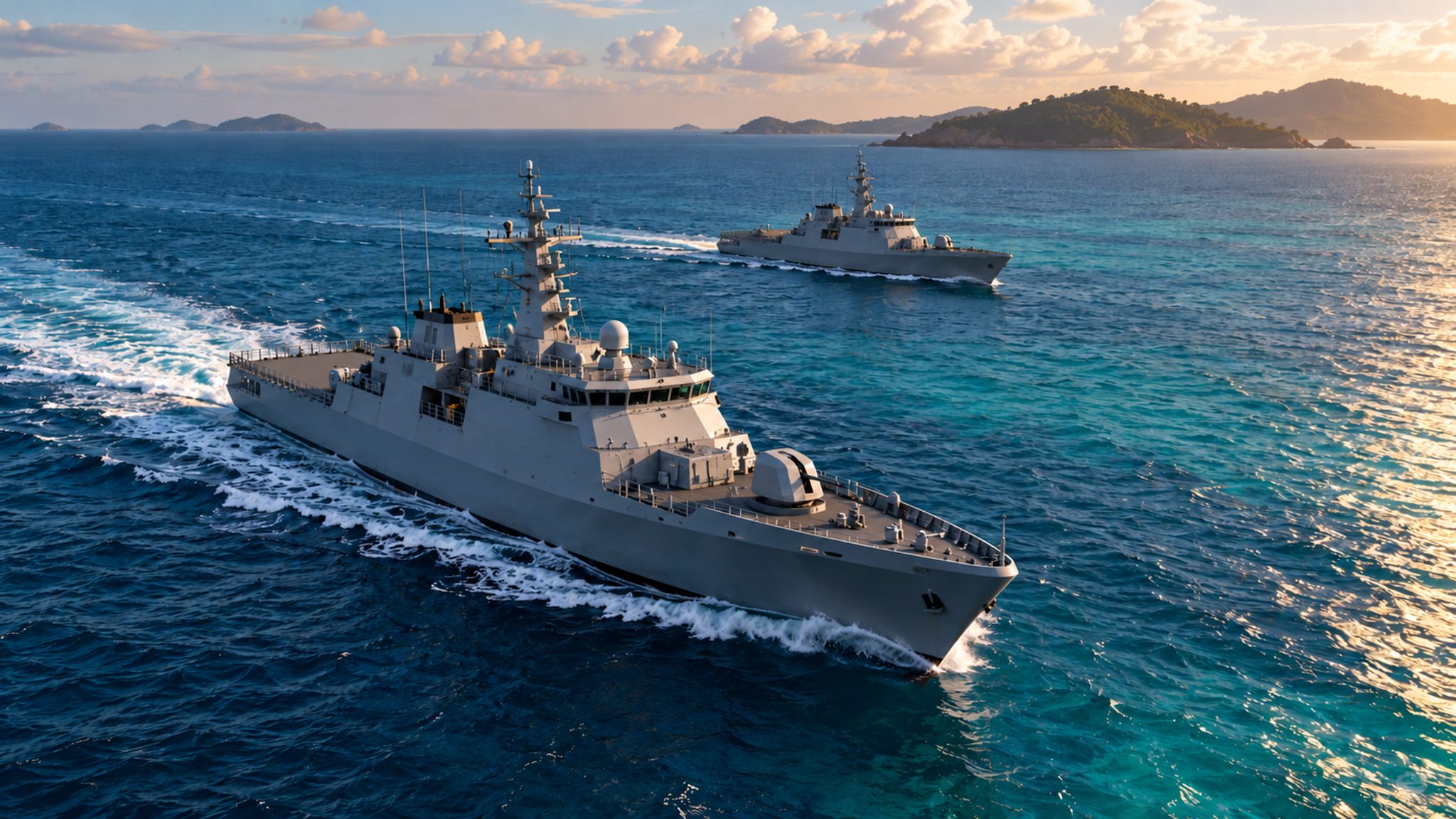
The Ministry of Defence announced on 31 October that the inaugural BIMSTEC Maritime Security Exercise, running from 30 October to 3 November 2026, aims to strengthen cooperation in the Bay of Bengal.
- The exercise brings together Bangladesh, Bhutan, India, Myanmar, Nepal, Sri Lanka and Thailand.
- Its announced objectives include interoperability, maritime domain awareness, coordination and exchanging operational practices.
- The release highlights the Andaman and Nicobar Command and its surveillance, disaster-relief and search-and-rescue capabilities.
- These are exercise objectives; the announcement does not establish completed operational improvements or identify every participating platform.
- Shared sea routes connect regional trade, energy supplies and emergency response; delays in coordination can affect several countries.
- The useful exam angle is how regional commitments become workable procedures, rather than treating an exercise as proof of a new alliance.
UPSC Relevance
Prelims Relevance
- BIMSTEC connects South Asia and Southeast Asia.
- Bhutan and Nepal are landlocked BIMSTEC members.
- Maritime domain awareness concerns understanding activities and risks in the maritime environment.
- Interoperability concerns the ability of different forces or agencies to work together.
- HADR means humanitarian assistance and disaster relief.
Mains Relevance
GS Paper 2
- Regional institutions and practical cooperation in the Bay of Bengal.
- National authority, information sharing and confidence among neighbouring states.
GS Paper 3
- Maritime security, disaster response and coordination between operational agencies.
Essay
- Regional trust becomes useful when institutions can coordinate action during a shared emergency.
Background and Context
Why Maritime Cooperation Includes Landlocked Members
The Bay of Bengal connects neighbouring economies, while BIMSTEC membership extends beyond countries with a coastline on the bay.
- BIMSTEC is a regional organisation linking Bangladesh, Bhutan, India, Myanmar, Nepal, Sri Lanka and Thailand. Membership describes a wider regional partnership; it does not mean every member possesses a coastline, navy or identical maritime responsibilities.
- Bhutan and Nepal are landlocked. Their inclusion prevents a common exam error: confusing a region organised around the Bay of Bengal with a club restricted to coastal states or countries deploying warships.
- The Bay of Bengal supports trade, connectivity and energy security, as the Defence Ministry explains. Disruption can affect connected supply chains, giving regional coordination an economic purpose alongside its maritime security role.
- The Andaman and Nicobar Command is India’s first integrated tri-service command, according to the release. Its location near important sea lanes explains its relevance here; it does not place neighbouring countries under Indian command.
- The earlier BIMSTEC security declaration concerned another cooperation problem. This development adds an operational maritime exercise; students should examine its specific objectives rather than repeat the earlier trafficking discussion.
How Awareness and Interoperability Support Coordination
Understanding a situation and responding together are connected tasks, but they require different capabilities and should be distinguished in an answer.
- Maritime domain awareness means developing an understanding of activities and risks at sea. A useful report identifies what is happening and where; awareness alone does not determine which authority should respond or deploy assets.
- Interoperability means being able to work together despite organisational or equipment differences. Its practical value lies in understanding communications and procedures; possessing capable ships separately does not automatically produce an effective combined response.
- Coordination connects information with responsibilities. For example, agencies responding to distress would need to establish contact and allocate tasks. This is an explanatory example, not a claim that this particular drill occurred during the exercise.
- Search and rescue illustrates the distinction: locating a possible emergency is only part of the task. The distress-alert response chain also requires verification and an organised response by the responsible agencies.
- HADR concerns humanitarian assistance and disaster relief. The release identifies this among the command’s capabilities. Exchanging practices can support preparedness, but the announcement does not provide evidence of a completed multinational relief operation.
What the Exercise Establishes and What Remains Unproven
The announcement establishes a new cooperation activity and its intended purposes; operational success requires evidence beyond the fact that an exercise is being held.
- The official announcement describes an inaugural exercise and its objectives. As the exercise continues into November, reporting it as already completed would confuse its scheduled period with an assessed outcome.
- Participation does not prove identical contributions. The release names the member states but does not list their ships, personnel or specific drills. An answer should avoid inventing deployments to make cooperation appear more extensive.
- Military cooperation and a mutual-defence obligation are different concepts. This exercise announcement provides no basis for claiming that members must defend one another automatically or have established a permanent combined maritime force.
- Information sharing needs agreed responsibilities to become useful. As an analytical test, ask who receives a report and who can authorise action; the release does not specify a new binding mechanism for these decisions.
- Assessment should examine whether participating agencies identify coordination gaps and improve subsequent procedures. These are criteria for judging effectiveness, not results demonstrated by the press release or guarantees that future emergencies will be handled successfully.
Way Forward
Evaluate Practical Cooperation
- Use post-exercise reviews to identify communication failures and assign responsibility for correcting them.
- Develop clear contact and escalation procedures suited to participating agencies and their lawful responsibilities.
- Report verified operational lessons separately from announced objectives so future cooperation can build on demonstrated improvements.
Conclusion
- The BIMSTEC exercise gives regional maritime cooperation a practical setting. Its value should be assessed through working coordination: whether agencies can understand shared information and carry out their respective responsibilities during a real situation.
- For an exam answer, connect awareness, interoperability and response, then state the evidence limit. Announcing a joint exercise establishes an activity and its aims; it does not by itself establish an alliance or prove operational success.
UPSC Practice Questions
Prelims MCQ 1
With reference to BIMSTEC maritime cooperation, consider the following statements:
- Bhutan and Nepal are BIMSTEC members despite being landlocked.
- Maritime domain awareness and interoperability refer to exactly the same capability.
- The exercise announcement identifies search and rescue among the Andaman and Nicobar Command’s capabilities.
How many of the above statements are correct?
(a) Only one (b) Only two (c) All three (d) None
Answer: (b) Only two
Explanation:
Statements 1 and 3 are correct. Awareness concerns understanding the maritime situation; interoperability concerns the ability of forces or agencies to work together.
Prelims MCQ 2
Which is the most accurate inference from the inaugural BIMSTEC Maritime Security Exercise announcement?
(a) Every member deployed a warship. (b) A binding mutual-defence treaty has entered into force. (c) The exercise aims to improve coordination, while achieved improvements require further evidence. (d) All participating forces are permanently placed under one national command.
Answer: (c) The exercise aims to improve coordination, while achieved improvements require further evidence.
Explanation:
The release sets out cooperation objectives. It does not establish the deployments, treaty obligation or permanent command arrangements asserted in the other options.
UPSC Mains Questions
- How can maritime exercises translate regional cooperation into effective emergency response? Discuss with reference to BIMSTEC.
- Distinguish maritime domain awareness from interoperability. Explain why both require clear coordination arrangements to support maritime security.
Sources: PIB, Ministry of Defence and Ministry of External Affairs.
Frequently Asked Questions
What is new about the BIMSTEC maritime exercise?
The Defence Ministry describes it as the inaugural BIMSTEC Maritime Security Exercise, scheduled from 30 October to 3 November 2026. Its stated aims include improving maritime awareness, interoperability and coordination.
Why are Bhutan and Nepal included?
Both are BIMSTEC members despite being landlocked. BIMSTEC is a wider regional organisation connecting South Asia and Southeast Asia, so membership is not limited to states with a coastline.
How does interoperability differ from maritime awareness?
Maritime awareness concerns understanding activities and risks at sea. Interoperability concerns the ability of different forces or agencies to work together. Better information is useful only when responsibilities and response procedures are clear.
Does the exercise create a military alliance?
The announcement does not establish a mutual-defence obligation or permanent combined force. It describes an exercise intended to strengthen cooperation; these claims should be kept separate from treaty commitments or demonstrated operational results.
Tell Google you want more of this.
Add Anantam IAS as a preferred sourceOne tap, and this site shows up more often in your own Top Stories, AI Overviews and AI Mode. Remove it any time.