Why in News?
The Cabinet Committee on Economic Affairs approved a second container terminal at Kamarajar Port on November 25, 2026, using the Design, Build, Finance, Operate and Transfer model.
- The selected concessionaire will arrange finance for the terminal and recover investment through user charges governed by the concession agreement and applicable tariff framework.
- Kamarajar Port Limited will separately bear the proposed dredging expenditure. Terminal financing and navigation-related investment have different responsible entities within the approved project.
- The approved 40-year concession includes construction. The announcement describes planned implementation through open global bidding, with environmental and other necessary clearances sought before the bid due date.
- A port expansion links private investment with public infrastructure responsibilities. The financing structure determines who must deliver each part before vessels and cargo can use the facility.
- The project serves the Chennai–Ennore industrial region and its wider hinterland. Its intended trade benefits depend on delivery, operating performance and access to shipping networks.
UPSC Relevance
Prelims Relevance
- DBFOT expands to Design, Build, Finance, Operate and Transfer.
- A concessionaire receives contractual rights and duties for a defined period.
- Dredging removes material from underwater areas to support required navigable depths.
- TEU is a standard unit for expressing container capacity.
- Kamarajar Port is on the east coast of Tamil Nadu.
Mains Relevance
GS Paper 3
- Evaluate risk allocation and public obligations in infrastructure partnerships.
- Connect port capacity, hinterland access and shipping services with export competitiveness.
Background and Context
How the Terminal Concession Works
DBFOT combines delivery and operation within a time-bound contract, with investment recovered during the operating period.
- The design and build stages require the concessionaire to translate the approved service requirements into a functioning terminal. Construction choices affect later maintenance, cargo handling and operating reliability.
- Under the finance component, the selected concessionaire arranges the terminal investment. The funding obligation makes the expected flow of future operating receipts important to the commercial assessment of the project.
- During operation, user charges provide the route for investment recovery described in the approval. Their application remains subject to the concession agreement and tariff framework, rather than an unrestricted pricing discretion.
- The transfer element concerns the eventual handback under the concession arrangement. It makes the condition of the asset near the end of the contract relevant alongside initial completion and current throughput.
- The proposed terminal is part of the wider maritime economy discussed in India’s shipbuilding plans. Terminal services connect vessels with cargo-handling facilities and the industrial hinterland.
Where Public and Private Responsibilities Meet
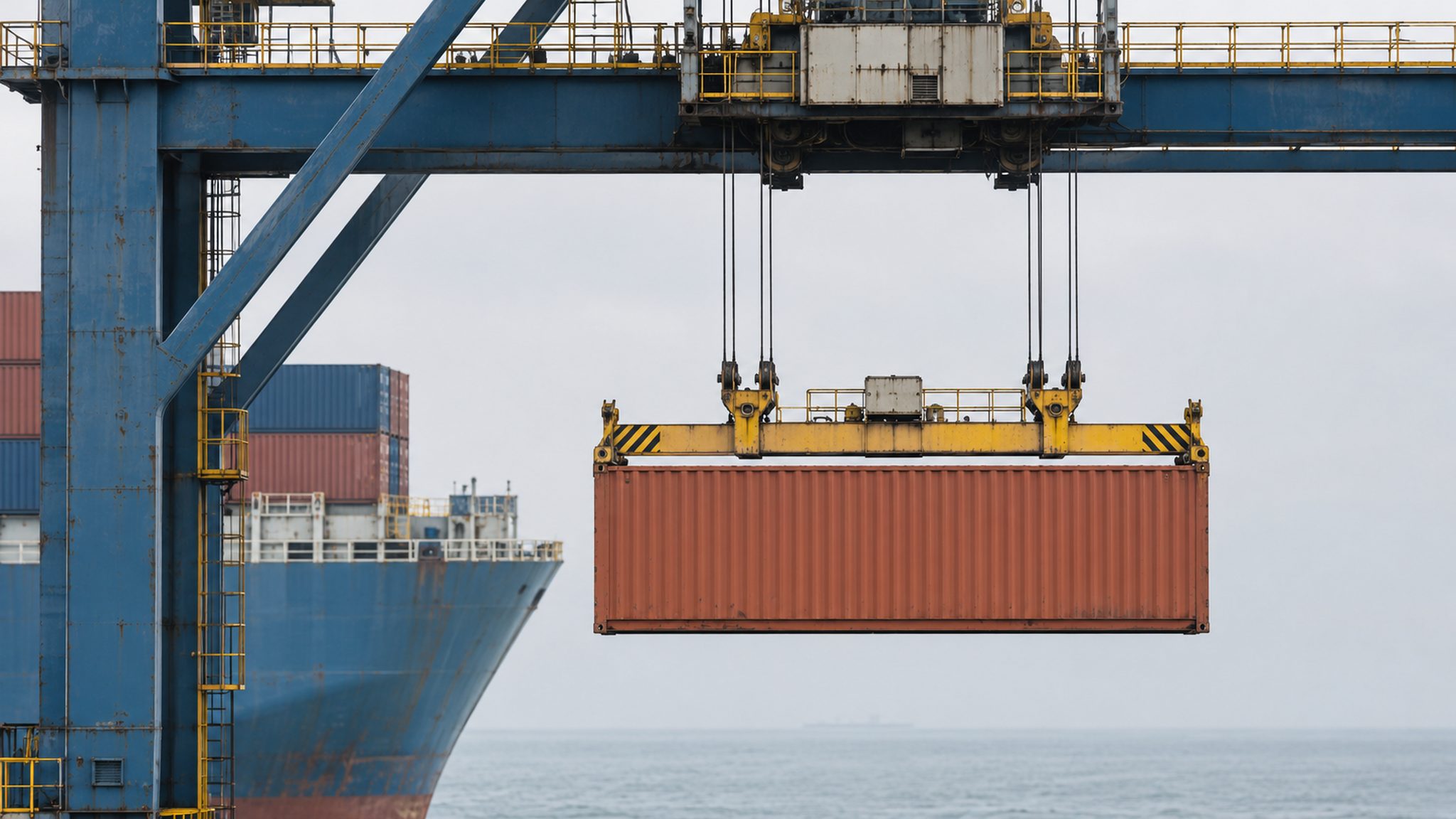
The approved arrangement assigns terminal investment to the concessionaire and separate dredging expenditure to Kamarajar Port Limited.
- The Cabinet release identifies two financing responsibilities. The concessionaire funds the PPP terminal component, while KPL bears dredging expenditure recorded separately in the proposal.
- Dredging and terminal works support connected functions. Ships need suitable navigable water as well as a usable berth and handling equipment, so completion of one component alone cannot establish readiness of the whole service.
- The release states that the PPP component has no financial implication for the Union government. That statement must be read alongside KPL’s separately identified expenditure when assessing the public side of the project.
- Environmental and other necessary clearances are to be obtained before the bid due date. This is an implementation requirement in the proposal, and the approval does not itself demonstrate that every clearance has been secured.
- Coordination risk arises where separately delivered works must become usable together. The practical question is whether financing, construction and navigation requirements can be aligned through clear responsibilities and monitored milestones.
Reading Project Benefits and Risks
The approval describes expected commercial and logistics benefits that still depend on bidding, construction and actual use.
- The planned phased construction timetable runs from the award of concession. Readers should distinguish this contractual starting point from Cabinet approval when interpreting completion targets and the beginning of commercial operations.
- Demand risk concerns whether actual cargo traffic supports the investment case. Forecast growth can inform planning, but changing trade patterns, competing gateways and shipping decisions affect the realised flow of containers.
- The proposal expects larger mainline vessel calls to improve connectivity and reduce reliance on foreign transshipment hubs. These are intended outcomes whose achievement depends on shipping services using the completed facility.
- For exporters, port performance interacts with freight and market-access support. Logistics competitiveness requires reliable movement across the chain, including the connection between factories, inland transport and the terminal.
- The concession agreement is central to evaluating detailed obligations and remedies. The approval establishes the proposed model, while precise allocation of individual commercial risks requires reading the eventual contractual provisions.
Way Forward
Make Delivery Responsibilities Measurable
- Publish clear milestones linking terminal construction, dredging and required approvals, with the responsible entity identified for each task.
- Assess traffic assumptions and service needs before finalising the concession, including how changing shipping patterns could affect demand.
- Track operating performance after commissioning through cargo handling, vessel access and service reliability, alongside compliance with contractual requirements.
Conclusion
- The Kamarajar proposal illustrates how DBFOT can combine private terminal finance with continuing public infrastructure duties. Evaluating the partnership requires following both responsibilities through construction and operation.
- For infrastructure answers, connect financing, service delivery and risk allocation. Cabinet approval establishes the project framework, while bidding, clearances, contractual terms and actual use determine its eventual results.
UPSC Practice Questions
Prelims MCQ 1
With reference to the approved second container terminal at Kamarajar Port, consider the following statements:
- The selected concessionaire is to arrange finance for the terminal component.
- Kamarajar Port Limited is to bear the separately identified dredging expenditure.
- Cabinet approval establishes that all necessary environmental clearances have already been obtained.
How many of the above statements are correct?
(a) Only one (b) Only two (c) All three (d) None
Answer: (b) Only two
Explanation:
The approval assigns terminal financing to the concessionaire and separate dredging expenditure to KPL. It provides for obtaining necessary clearances before the bid due date.
Prelims MCQ 2
In the DBFOT infrastructure model, the letter T refers to which of the following?
(a) Taxation (b) Transshipment (c) Transfer (d) Tendering
Answer: (c) Transfer
Explanation:
DBFOT means Design, Build, Finance, Operate and Transfer. Transfer concerns handback under the concession arrangement.
UPSC Mains Questions
- Explain how the Kamarajar terminal proposal illustrates the division of public and private responsibilities in infrastructure partnerships.
- Discuss why a port expansion requires coordination between financial arrangements, physical access and expected cargo demand.
Source: PIB, Cabinet Committee on Economic Affairs.
Frequently Asked Questions
What is DBFOT?
DBFOT means Design, Build, Finance, Operate and Transfer. A concessionaire undertakes the assigned project functions during a defined contract period, with eventual transfer governed by the concession arrangement.
Who will finance the new Kamarajar terminal?
The selected concessionaire is to arrange investment for the PPP terminal component and recover it through user charges under the agreement and applicable tariff framework. KPL separately bears dredging expenditure.
Has the second terminal begun operating?
The November 25 announcement approves a proposed project. Bidding, construction and other implementation steps remain relevant. The planned commercial timetable is measured from the award of concession.
Why is dredging relevant to terminal development?
Dredging supports the required navigable water depth. A usable terminal also needs suitable vessel access, so dredging and terminal delivery must be coordinated even where their financing responsibilities differ.
Tell Google you want more of this.
Add Anantam IAS as a preferred sourceOne tap, and this site shows up more often in your own Top Stories, AI Overviews and AI Mode. Remove it any time.