Context:
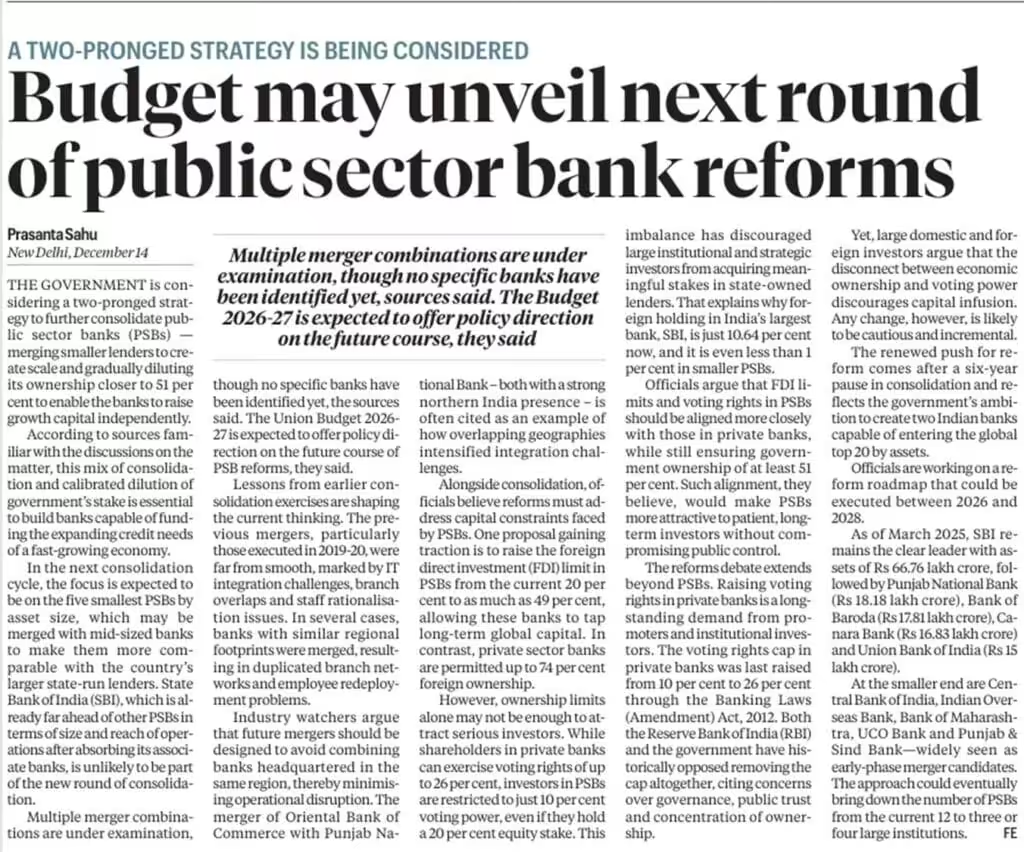
India undertook major PSB consolidation in 2019–20, reducing banks from 27 to 12. After a 6-year pause, the government is considering the next phase of reforms. The upcoming Union Budget 2026–27 is expected to provide policy direction.
UPSC Relevance:
Economy
UPSC PYQ:
Pradhan Mantri Jan-Dhan Yojana (PMJDY) is necessary for bringing unbanked to the institutional fiancé fold. Do you agree with this for financial inclusion of the poorer section of the Indian society? Give arguments to justify your opinion.
About Public Sector Bank:
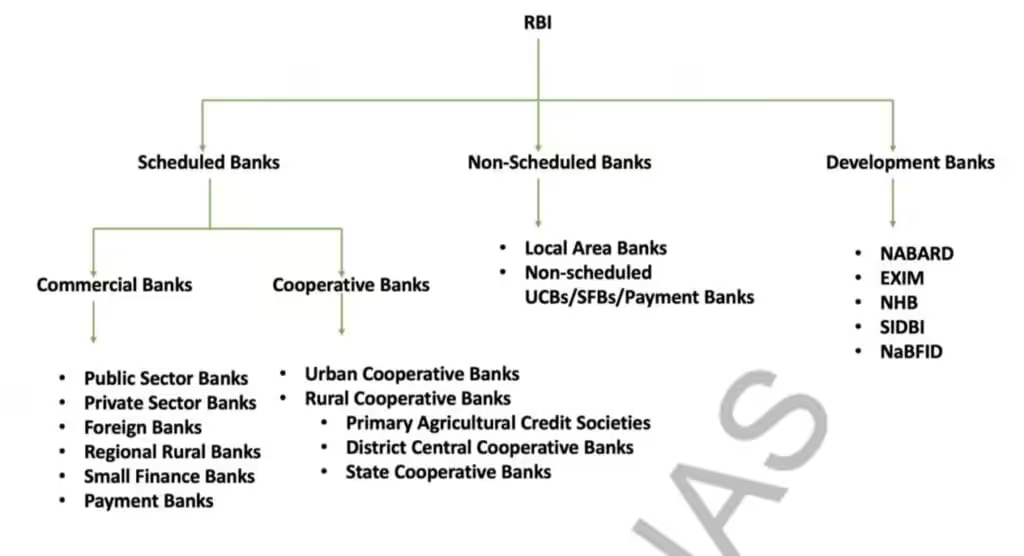
About PSB:
- Ownership:
- Majority owned by the Government of India (≥51%). No cap on government holding.
- Appointment of Top Management:
- The Appointments Committee of the Cabinet (ACC) appoints the Chairman, MD & CEO, and Executive Directors based on recommendations from Financial Services institutions Bureau (FSIB).
- Removal / Supersession of Board:
- RBI doesn’t have direct power to remove the board of a PSB. The RBI can inspect and recommend action to the government.
- Merger / Amalgamation:
- The RBI cannot force a merger. Any merger of PSBs is a policy decision taken by the Central Government (e.g., the merger of OBC and United Bank with PNB making it the second largest public sector bank in India).
- Examples:
- SBI and PNB
Issues with PSB:
- High NPA:
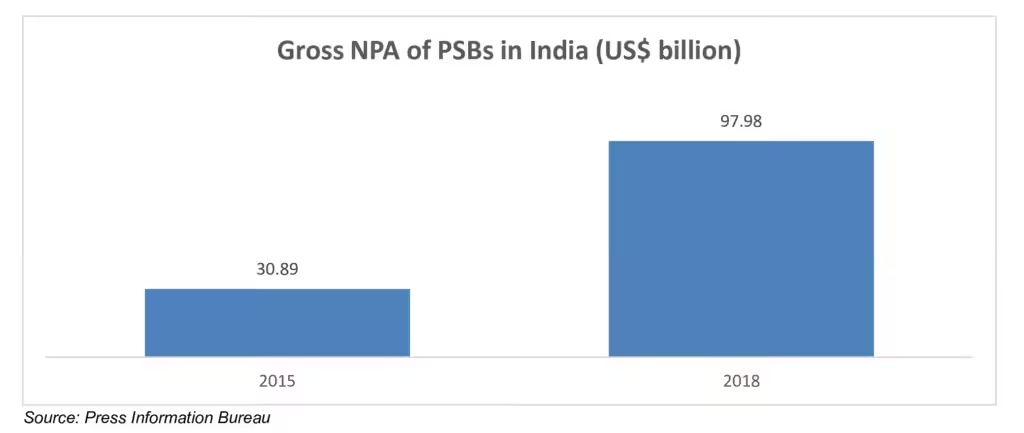
- PSBs face capital adequacy pressure
- Government recapitalisation has fiscal limits
- Government influence in: Appointment of top management
- Compared to private banks, PSBs face:
- Slower decision-making
- Higher operating costs
- Lower customer responsiveness
- Political and Policy Interference
- Loan waivers
- Directed lending to priority sectors without adequate compensation
- Dilution of commercial decision-making
- Human Resource Challenges
- Delays in recruitment
- Skill mismatch in a technology-driven banking environment
- Talent migration to private sector banks
Solution:
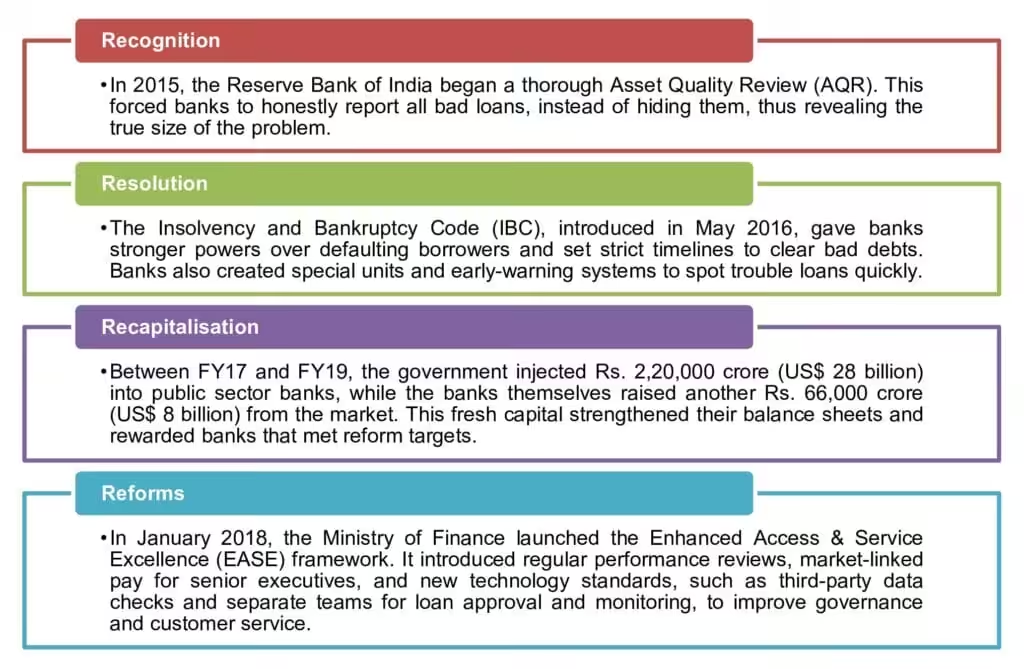
The 4Rs strategy: A comprehensive reform framework:
- The Merger of Public Sector Banks (PSBs) in India, also known as the Consolidation of Public Sector Banks in India, refers to the process of combining smaller and weaker banks with larger and stronger ones to create more robust, efficient, and competitive banking entities.
Tell Google you want more of this.
Add Anantam IAS as a preferred sourceOne tap, and this site shows up more often in your own Top Stories, AI Overviews and AI Mode. Remove it any time.