Why in News?
On November 28, the Ministry of Textiles announced the Jute Commissioner’s November 27 order imposing raw jute stock limits and rules for accounting, delivery and enforcement.
- The order uses powers under the Jute and Jute Textiles Control Order, 2016 to regulate quantities held on an entity’s own account or for third parties.
- Entities above their permitted holdings must sell and physically deliver excess stock by December 10. Fresh purchases must stop until holdings fall within the prescribed limit.
- Covered entities must update their stock declarations every fortnight. Contracted goods remain attributable to the seller until physical delivery to the buyer.
- The stated objective is improved raw jute availability and reduced speculative disruption. The announcement provides no measured evidence of subsequent price or supply effects.
- Inventory regulation needs a verifiable definition of stock held, because contractual paperwork can move faster than physical goods.
- Shared warehouses make premises-level accounting important when several businesses store the same regulated commodity.
UPSC Relevance
Prelims Relevance
- Jute Commissioner and the Ministry of Textiles.
- Stock limits expressed in physical quantity or consumption requirements.
- Physical delivery as the endpoint of seller-held stock accounting.
- Shared premises and aggregate quantities.
- Declarations and inspection as complementary compliance mechanisms.
Mains Relevance
GS Paper 3
- Assess commodity availability, inventory controls and the risk of disrupting legitimate working stocks.
- Explain how physical verification supports market regulation.
GS Paper 2
- Examine Centre-state enforcement coordination and accountable use of inspection powers.
Background and Context
Different Limits for Different Inventory Functions
The order distinguishes storage and processing roles, using eligibility conditions for traders and production-linked holdings for mills.
- Eligible balers with a press on the same premises may hold 1,000 quintals. They must be registered and submitting returns, or have applied for registration by the notification date.
- Other eligible stockists may hold 100 quintals. The same registration-and-returns condition, or an application made by the notification date, determines access to this ceiling for their raw jute holdings.
- A 5-quintal ceiling covers stockists or balers that neither registered nor applied by notification. It also covers registered stockists or balers failing to submit returns, linking permitted inventory to reporting compliance.
- Jute mills and manufacturing units may hold raw material equivalent to 90 days of consumption at their current production rate. This makes the permitted quantity responsive to actual processing requirements.
- These distinctions connect inventory ceilings to business function. A fixed quantity governs eligible trading stocks, while the mill ceiling reflects consumption, giving regulators different bases for checking excessive accumulation.
Physical Delivery and Shared-Premises Accounting
The accounting rules connect declarations to goods that can be located and inspected, including stock held for other parties.
- A sale contract leaves the raw jute counted with the seller until physical delivery occurs. Signing a contract alone cannot reduce the quantity attributed to that seller under the order.
- The December 10 deadline requires both disposal of excess holdings and delivery to the consignee. Compliance requires actual movement of the goods within the deadline, as well as completing the sale.
- Fresh purchases must stop while holdings exceed the prescribed limit. This connects the obligation to release excess inventory with a restriction on acquiring further stock during the period of excess holding.
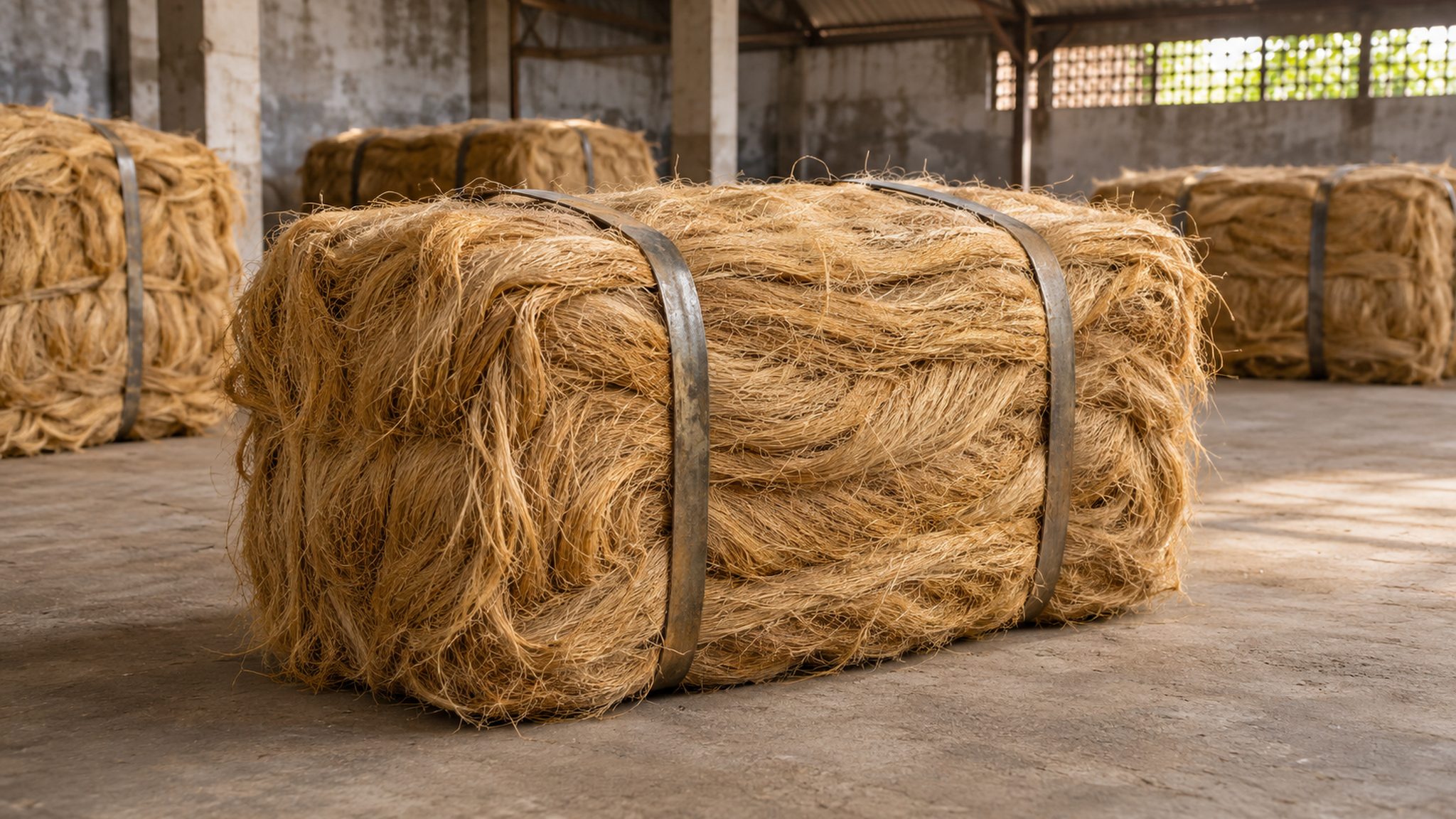
- Jute kept at one premise counts as a single stock, even when recorded under different traders’ names. Separate names do not create separate stock allowances within the same storage location.
- When entities share a godown or baling press, the total quantity must remain within the prescribed limit. This makes aggregate physical holdings relevant alongside the records maintained by each individual business.
Declarations, Inspection and Supply Outcomes
Enforcement combines regular disclosure with inspection powers, while the economic results require observation after implementation.
- Fortnightly returns create a recurring record of holdings. Inspectors can compare declarations with inventories and books, helping identify gaps between what an entity reports and the quantity actually under its control.
- Authorised representatives of the Jute Commissioner and State Police may enter and search premises and inspect records. They may seize jute reasonably believed to be stored in breach of the order.
- The ministry envisages state-government assistance for enforcement. Coordination matters because central commodity rules depend on identifying storage sites, checking local records and carrying out action across the places where stocks are held.
- The intended supply mechanism is release of excess inventory into commercial circulation. Its effectiveness depends on physical delivery and compliance, while factories still need access to legitimate raw-material stocks for ongoing production.
- The official announcement describes intended stabilisation. Evidence of effectiveness would require subsequent changes in availability, delivery and market behaviour, with attention to legitimate trade and manufacturing needs.
Way Forward
Make Stock Verification Consistent
- Enforcement agencies should reconcile declarations, physical holdings and delivery records before assessing compliance.
- Shared-premises inspections should identify the aggregate stock and the records of each entity using the location.
- Administrative reviews should track raw-material availability and compliance alongside effects on legitimate trading and mill operations.
Conclusion
- The order makes physical possession and delivery central to raw jute stock regulation. Registration, declarations and the use of shared premises determine how holdings are assessed.
- The policy’s stated purpose is more stable availability. Subsequent evidence is needed to assess whether excess stock reaches users without disrupting legitimate supply chains.
UPSC Practice Questions
Prelims MCQ 1
With reference to the November 27 raw jute stock-limit order, consider the following statements:
- Raw jute contracted for sale remains counted with the seller until physical delivery.
- Different traders sharing one godown can each claim a separate full stock limit within that godown.
- Covered entities must update stock declarations every fortnight.
How many of the above statements are correct?
(a) Only one (b) Only two (c) All three (d) None
Answer: (b) Only two
Explanation:
Statements 1 and 3 are correct. A shared premise is assessed by its aggregate stock, so separate traders’ names do not create separate full allowances there.
Prelims MCQ 2
How does the order determine the maximum raw jute holding of mills and manufacturing units?
(a) A uniform ceiling of 5 quintals (b) A ceiling based on the number of godowns (c) Ninety days of consumption at the current production rate (d) The value of contracts signed for future purchases
Answer: (c) Ninety days of consumption at the current production rate
Explanation:
The mill limit uses current consumption requirements. Trading categories use separate quantity ceilings and eligibility conditions.
UPSC Mains Questions
- Explain how physical-delivery rules and shared-premises accounting can improve the enforcement of commodity stock limits.
- Discuss the administrative challenges in using inventory controls to improve raw-material availability while supporting legitimate manufacturing requirements.
Source: PIB, Ministry of Textiles.
Frequently Asked Questions
Who issued the raw jute stock-limit order?
The Jute Commissioner under the Ministry of Textiles issued the order on November 27. The ministry announced its provisions through PIB on November 28, including stock ceilings and delivery obligations.
Does a sale contract remove jute from the seller’s counted stock?
The raw jute continues to count as held by the seller until physical delivery to the buyer. The order connects stock accounting with the movement of goods, including contracted quantities.
How are shared warehouses treated?
Raw jute held at one premise is treated as a single stock. Where businesses share a godown or baling press, their aggregate quantity must remain within the prescribed limit.
Have the measures already reduced raw jute prices?
The announcement states an intention to stabilise availability and prevent market manipulation. It provides no subsequent outcome evidence, so price effects and improvements in availability require separate assessment after implementation.
Tell Google you want more of this.
Add Anantam IAS as a preferred sourceOne tap, and this site shows up more often in your own Top Stories, AI Overviews and AI Mode. Remove it any time.