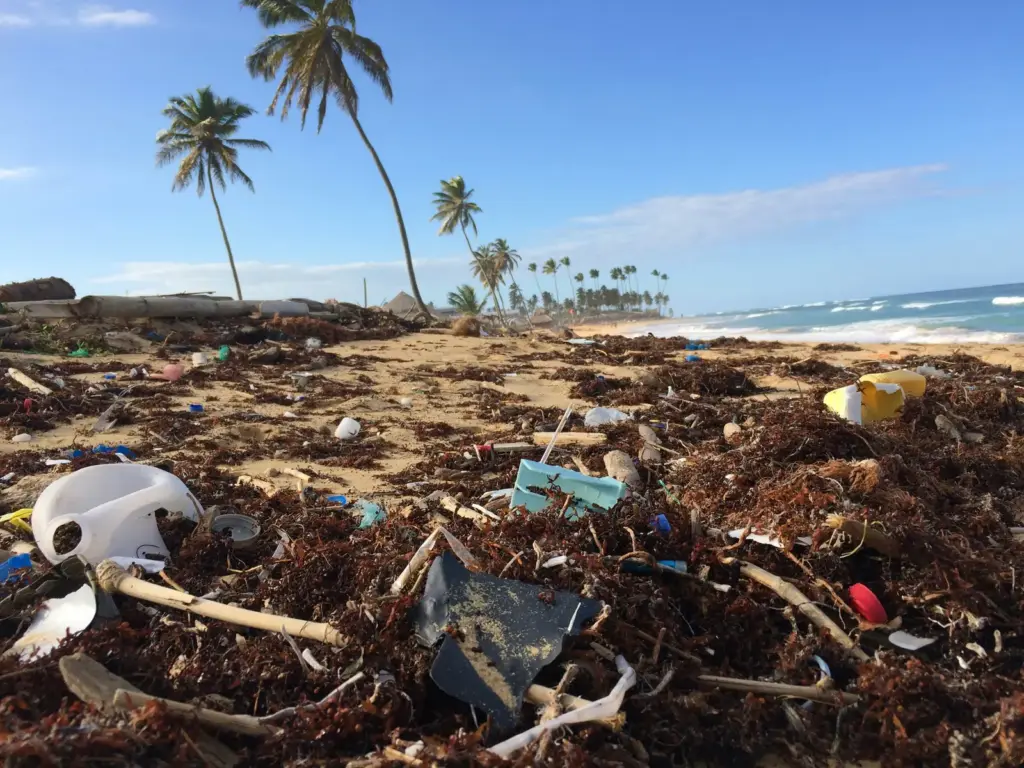
Ocean conservation coast से शुरू नहीं होती। Marine pollution का लगभग 80 percent समुद्री प्रदूषण land-based activity से आता है। इसका मतलब है कि निर्णायक interventions sewage treatment, solid waste management और farm practice में हैं, कई बार coast से सैकड़ों kilometres दूर। जो strategy shoreline से शुरू होती है, वह पहले ही देर कर चुकी होती है।
यह एक संख्या पूरे subject को नए ढंग से देखने पर मजबूर करती है। Marine pollution मुख्य रूप से maritime problem नहीं है। यह river-basin और municipal-governance की problem है, जिसका असर समुद्र में दिखाई देता है।
यह कहाँ से आता है
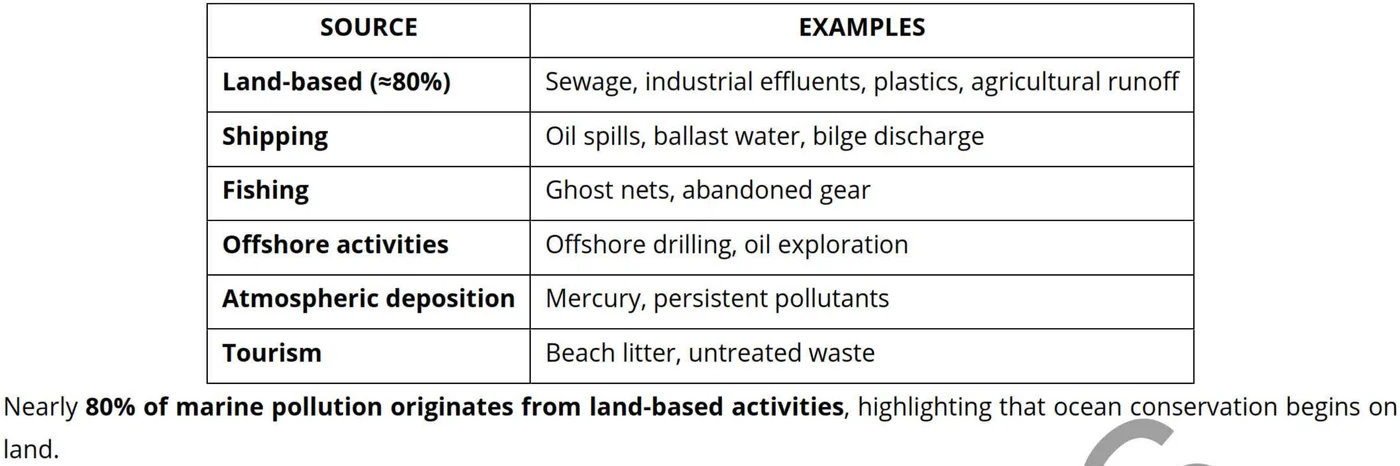
Marine pollution के land-based और ocean-based, दोनों तरह के sources हैं। लेकिन दोनों का हिस्सा बराबर नहीं है।
- Land-based, लगभग 80 percent: sewage, industrial effluent, plastics और agricultural runoff
- Shipping: oil spills, ballast water और bilge discharge
- Fishing: ghost nets और abandoned gear
- Offshore activities: drilling और oil exploration
- Atmospheric deposition: mercury और persistent pollutants
- Tourism: beach litter और untreated waste
मुख्य pollutants
हर pollutant class एक खास तरह का नुकसान करती है। Answer को precise बनाने के लिए pollutant और उसके harm की यह जोड़ी साफ़ लिखनी चाहिए।
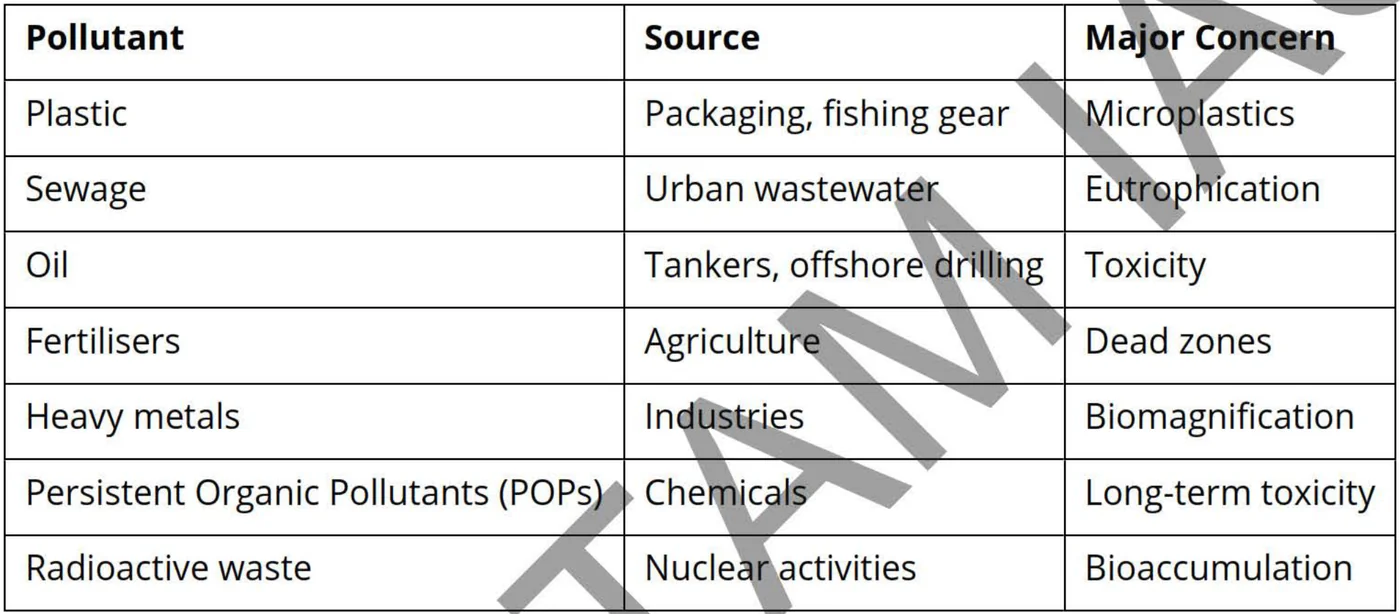
- Plastic: packaging और fishing gear से आता है और टूटकर microplastics बनता है
- Sewage: pathogen load और nutrient enrichment
- Oil: तेज़ toxicity और habitat पर परत जम जाना
- Fertilisers: nutrient loading, जिससे dead zones बनते हैं
- Heavy metals: food chain में ऊपर जाते हुए biomagnification
- Persistent organic pollutants: लंबे समय तक रहने वाली toxicity, जो आसानी से break down नहीं होती
- Radioactive waste: tissue में bioaccumulation
Dead zones: जब fertiliser घुटन बन जाता है
Dead zone वह area है जहाँ dissolved oxygen लगभग 2 mg per litre से नीचे चला जाता है। इस स्तर पर ज़्यादातर marine life survive नहीं कर पाती। Mechanism indirect है और इसे ध्यान से लिखना चाहिए: मुख्य रूप से nitrogen और phosphorus वाला nutrient runoff algal blooms को बढ़ाता है। Bloom मरता है, तो उसके decomposition में water column की oxygen खर्च होती है। Fish को fertiliser नहीं मारता। उसे उस life का decay मारता है जिसे fertiliser ने पैदा किया था।
Classic examples अपने causes से सीधे जुड़ते हैं।
- Gulf of Mexico: US Corn Belt से fertiliser runoff लेकर आती Mississippi
- Baltic Sea: agricultural runoff और limited water circulation
- Black Sea: Danube के ज़रिए पहुँचने वाला nutrient pollution
इन तीन में से दो dead zones rivers के ज़रिए बनते हैं। यानी एक बार फिर ocean, agriculture के downstream में है।
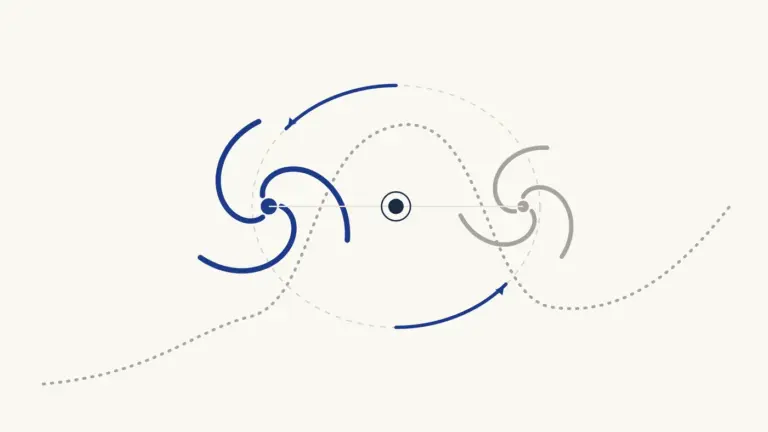
Oceanic gyres और plastic का कभी बाहर न निकलना
Gyres prevailing winds और Coriolis force से चलने वाली बड़ी circular current systems हैं। Floating plastics, abandoned fishing gear और दूसरे persistent debris इन currents के साथ subtropical gyres के शांत centres की ओर पहुँचते हैं। वहाँ वे फैलने के बजाय दशकों तक जमा होते हैं और sunlight तथा wave energy से microplastics में टूटते रहते हैं।
इसका नतीजा यह है कि gyre marine litter का long-term reservoir बन जाता है, transit route नहीं। Great Pacific Garbage Patch इसका सबसे ज़्यादा cited example है।
इसीलिए सिर्फ़ removal करना कमज़ोर strategy है। Gyre कई दशकों का जमा हुआ input एक जगह लाता है। Surface skim करने से stock पर असर पड़ता है, flow पर नहीं।
इसे रोकना इतना मुश्किल क्यों है
चार वजहें हैं, और ये एक-दूसरे का असर बढ़ाती हैं।
Food security। Marine organisms plastics और toxic chemicals निगलते हैं। ये food chain में bioaccumulate और biomagnify होकर seafood safety के लिए खतरा बनते हैं।
Economic consequences। Pollution fisheries, aquaculture, tourism और coastal livelihoods को नुकसान पहुँचाता है। इससे भारत की Blue Economy ambitions पर सीधा असर पड़ता है।
Transboundary movement। Currents pollutants को exclusive economic zones के पार ले जाती हैं। इसलिए किसी एक देश की unilateral action की reach सीमित रहती है।
Climate feedback। Blue carbon ecosystems, जैसे mangroves, salt marshes और seagrass, बहुत carbon store करते हैं। Pollution इन्हें कमज़ोर करता है और carbon sequestration की capacity घटाता है।
और इन चारों के पीछे public health है। Contaminated seafood खाने से लोग heavy metals, persistent organic pollutants और microplastics के संपर्क में आते हैं।
भारत का approach कैसा होना चाहिए
- source-to-sea approach अपनाइए। UNEP की recommendation सही frame देती है: control upstream से शुरू हो और river-basin management को coastal governance से जोड़ा जाए। दोनों को अलग systems की तरह नहीं देखना चाहिए।
- regional marine governance को मज़बूत कीजिए। Indian Ocean Rim Association और South Asian Seas Programme जैसे mechanisms में transboundary flows को वास्तव में address किया जा सकता है।
- Beaches से पहले sewage ठीक कीजिए। Untreated municipal sewage भारत के ज़्यादातर coastal stretches में controllable land-based input का सबसे बड़ा source है।
- ghost gear को target कीजिए। Abandoned fishing gear harmful marine plastic का बहुत बड़ा हिस्सा है। Gear marking और buy-back के ज़रिए इसे address किया जा सकता है।
- blue carbon की रक्षा कीजिए। Mangrove और seagrass conservation एक साथ pollution buffering, coastal protection और climate mitigation करती है।
याद रखने वाला reframing सीधा है। Marine pollution उस waste management और agricultural policy का समुद्र तक पहुँच जाने के बाद का नतीजा है, जिसे कोई देश अपने भीतर ठीक से नहीं संभाल पाया।
सामान्य प्रश्न
Marine pollution के बड़े sources कौन-से हैं?
लगभग 80 percent land-based sources से आता है, मुख्यतः sewage, industrial effluent, plastics और agricultural runoff से। बाकी shipping के oil spills, ballast water और bilge discharge; fishing के ghost nets और abandoned gear; offshore drilling और exploration; mercury तथा persistent pollutants का atmospheric deposition; और coastal tourism से आता है।
Dead zone क्या होता है?
Dead zone ocean, sea या किसी बड़ी lake का वह area है जहाँ dissolved oxygen ज़्यादातर marine life को ज़िंदा रखने लायक स्तर से नीचे चला जाता है, आम तौर पर 2 mg per litre से कम। यह प्रायः fertilisers से आने वाले nitrogen और phosphorus जैसे nutrient runoff से algal blooms बनने और उनके decomposition में oxygen खर्च होने से बनता है।
दुनिया के सबसे प्रसिद्ध dead zones कौन-से हैं?
Gulf of Mexico, जहाँ US Corn Belt का fertiliser runoff Mississippi के रास्ते पहुँचता है; Baltic Sea, जहाँ agricultural runoff और limited water circulation का असर है; और Black Sea, जहाँ Danube nutrient pollution लेकर आती है।
Oceanic gyres क्या हैं और pollution के लिए क्यों महत्वपूर्ण हैं?
Gyres prevailing winds और Coriolis force से चलने वाली बड़ी circular ocean-current systems हैं। Floating plastics और fishing gear इन currents के साथ subtropical gyres के शांत centres में जमा होते हैं, जहाँ वे फैलने के बजाय दशकों तक बने रहते हैं। Great Pacific Garbage Patch इसका सबसे प्रसिद्ध उदाहरण है।
Marine pollution को transboundary problem क्यों कहा जाता है?
Currents pollutants को exclusive economic zones के पार ले जाती हैं। इसलिए कोई देश अकेले कार्रवाई करके अपने waters को सुरक्षित नहीं कर सकता। एक state की river में पहुँचा plastic किसी दूसरे देश की fishery तक जा सकता है। इसी वजह से national regulation के साथ regional mechanisms भी ज़रूरी हैं।
Source-to-sea approach क्या है?
UNEP की recommended principle के अनुसार marine pollution control upstream से शुरू होना चाहिए। River-basin management, sewage treatment, solid waste management और agricultural practice को coastal तथा marine governance के साथ जोड़ना चाहिए, समुद्र को अलग jurisdiction की तरह नहीं देखना चाहिए।
Marine pollution climate mitigation को कैसे प्रभावित करता है?
Mangroves, salt marshes और seagrass meadows जैसे blue carbon ecosystems बहुत carbon store करते हैं। Pollution इन ecosystems को कमज़ोर करके carbon sequestration की capacity घटाता है। इसलिए marine pollution सिर्फ़ biodiversity problem नहीं, climate problem भी है।
Public health पर इसके क्या असर हैं?
Marine organisms plastics और toxic chemicals निगलते हैं, जो food chain में bioaccumulate और biomagnify होते हैं। Contaminated seafood खाने से लोग heavy metals, persistent organic pollutants और microplastics के संपर्क में आते हैं, जिनसे long-term health risks पैदा होते हैं।
अभ्यास प्रश्न
प्रीलिम्स MCQ
- Marine pollution का लगभग कितना हिस्सा land-based sources से आता है?
(a) 20 percent
(b) 40 percent
(c) 60 percent
(d) 80 percent
उत्तर: (d) Land-based sources लगभग 80 percent pollution लाते हैं। इसलिए marine pollution control upstream से शुरू होना चाहिए। - Dead zone की सामान्य परिभाषा में dissolved oxygen किस स्तर से नीचे चला जाता है?
(a) 2 mg/L
(b) 6 mg/L
(c) 10 mg/L
(d) 15 mg/L
उत्तर: (a) लगभग 2 mg per litre से नीचे ज़्यादातर marine life sustain नहीं कर पाती। - Gulf of Mexico का dead zone मुख्य रूप से किस कारण बनता है?
(a) Offshore rigs से oil spills
(b) Mississippi के ज़रिए पहुँचने वाला fertiliser runoff
(c) Ballast water discharge
(d) Deep-sea mining plumes
उत्तर: (b) US Corn Belt का nutrient runoff Mississippi के साथ नीचे आता है और seasonal hypoxic zone बनाता है। - Oceanic gyres में plastic debris मुख्य रूप से क्यों जमा होता है?
(a) Plastics seawater से ज़्यादा dense होते हैं और वहीं डूब जाते हैं
(b) Converging currents debris को gyre के शांत centres तक ले जाती हैं
(c) Marine organisms plastics जमा करते हैं
(d) Gyres major ports के पास स्थित होते हैं
उत्तर: (b) Wind-driven currents और Coriolis force floating debris को subtropical gyres के relatively calm centres की ओर ले जाती हैं। - Blue carbon ecosystems में निम्नलिखित में से कौन-से शामिल हैं? 1. Mangroves 2. Salt marshes 3. Seagrass meadows
(a) केवल 1
(b) केवल 1 और 2
(c) केवल 2 और 3
(d) 1, 2 और 3
उत्तर: (d) तीनों blue carbon ecosystems हैं। Pollution से खराब होने पर तीनों की carbon sequestration capacity घटती है।
मुख्य परीक्षा प्रश्न
- Marine pollution का लगभग 80 percent land से आता है। भारत की ocean governance की institutional arrangements के लिए इस तथ्य के असर की जाँच कीजिए। (250 शब्द)
- Dead zones के बनने की प्रक्रिया पर चर्चा कीजिए और Indian coastal waters में इन्हें रोकने के लिए ज़रूरी agricultural policy reforms का मूल्यांकन कीजिए। (250 शब्द)
- Marine pollution domestic policy failures में जड़ी हुई transboundary problem है। Indian Ocean में regional cooperation mechanisms के संदर्भ में चर्चा कीजिए। (150 शब्द)
- समझाइए कि marine pollution blue carbon sequestration और भारत की Blue Economy objectives, दोनों को कैसे कमज़ोर करता है। (150 शब्द)
- भारत की rivers और coastal waters के लिए governance model के रूप में source-to-sea approach का मूल्यांकन कीजिए। (250 शब्द)