Real-world assets tokenisation is the process of representing ownership of a physical or financial asset as a digital token on a blockchain. The underlying asset can be a real estate property, a government bond, a gold bar, a private credit loan, or even a piece of fine art. Real-world assets tokenisation, often shortened to RWA, has emerged as one of the fastest growing parts of the digital asset market because it brings tangible cash flows into a programmable, blockchain-native form. India has begun engaging with RWA through SEBI consultation papers, RBI sandbox cohorts, and pilot tokenisation of government securities by select market intermediaries.
What Tokenisation Means in Practice
A token is a digital record that represents a unit of ownership or a contractual right. When an asset is tokenised, a custodian or trustee holds the underlying asset and issues tokens against it. Each token corresponds to a fractional or whole claim on the underlying. The token can then be traded, lent, used as collateral, or programmed to release dividends automatically when income arrives.
The blockchain on which tokens live can be public, private, or permissioned. For regulated assets such as government bonds, a permissioned chain operated by a regulated infrastructure provider is preferred. For tokenised commodities or stablecoins, public chains are common. The legal effect of the token, whether it grants a property right, a contractual claim, or merely an entitlement, depends on the jurisdiction and the structure used by the issuer.
Why RWA Tokenisation Matters
Three structural benefits drive adoption.
Twenty-four by seven access removes the cycle of market hours, settlement holidays, and time-zone friction. A tokenised treasury bill can in principle move at midnight on a Sunday. This is a significant change for assets like commercial paper that traditionally settle T plus one or T plus two.
Fractionalisation lowers entry barriers. A high-value asset like commercial real estate becomes accessible to retail investors who can buy a fraction worth a few thousand rupees rather than crores. This expands the investor base and brings new capital into the market.
Programmability lets coupon payments, redemption flows, and compliance checks execute automatically through smart contracts. A bond token can be coded to block trades by users from sanctioned jurisdictions, to deduct withholding tax at source, or to pay coupons every three months without manual instructions.
RWA Use Cases Emerging in India
The most active segment globally is tokenised government securities. Trading platforms registered with international regulators offer tokens backed by short-term US treasury bills, with assets under management crossing several billion dollars by 2025. In India, SEBI has been examining a framework for security token offerings that would let registered issuers tokenise debt and equity instruments under existing securities laws.
Tokenised gold and silver are already available in India through wallet apps that hold the underlying metal in vaults and issue digital units representing fractional ownership. Tokenised invoice discounting platforms are using blockchain rails to settle short-term receivables for small businesses, complementing the existing TReDS infrastructure.
Real estate tokenisation pilots have run in special economic zones such as GIFT City, where the regulatory framework permits experimentation outside the mainland securities regime. Tokenised bank deposits and tokenised commercial paper are under early discussion within the RBI regulatory sandbox.
Regulatory Frame Taking Shape
India does not yet have a unified RWA law. The applicable regulation depends on what is being tokenised.
If the underlying is a security as defined under the Securities Contracts (Regulation) Act, SEBI rules apply. If it is a banking deposit, RBI regulations apply. Tokenised gold falls under the SEBI commodity derivatives framework or under specific gold scheme rules. Crypto assets that are not pegged to a real-world asset fall under the income tax framework that taxes virtual digital assets at thirty per cent.
The GIFT City IFSCA framework, an attempt to consolidate regulation of tokenised assets in the offshore financial centre, allows for issuance of tokenised securities and tokenised funds under specific licences. The Reserve Bank’s Digital Rupee work overlaps with RWA tokenisation because the e₹-W pilot is, in effect, a tokenisation of central bank money used to settle other tokenised assets.
Risks to Watch
Custody risk remains the largest concern. If the entity holding the underlying asset fails or commits fraud, the token becomes worthless regardless of how robust the blockchain is. Smart contract bugs have caused multimillion dollar losses in DeFi protocols and the same risk applies to RWA platforms. Cross-border legal recognition of token ownership is not uniform, which complicates enforcement in case of dispute.
Liquidity is often shallower than projected. Token markets advertise twenty-four by seven trading but actual depth depends on the number of active participants, which remains limited for most tokenised assets in India.
FAQs
What is real-world asset tokenisation?
It is the process of issuing digital tokens on a blockchain that represent ownership of a physical or financial asset held by a custodian.
Why is tokenisation considered useful for finance?
It enables twenty-four by seven settlement, fractional ownership, lower transaction costs, and automated coupon or dividend flows through smart contracts.
What assets are commonly tokenised?
Government bonds, gold, real estate, private credit, invoices, fine art, and increasingly bank deposits and money market funds.
Is RWA tokenisation legal in India?
There is no blanket ban or blanket permission. Each tokenisation must comply with the regulator governing the underlying asset. Securities require SEBI compliance, gold falls under commodity rules, and so on.
How is RWA different from cryptocurrency?
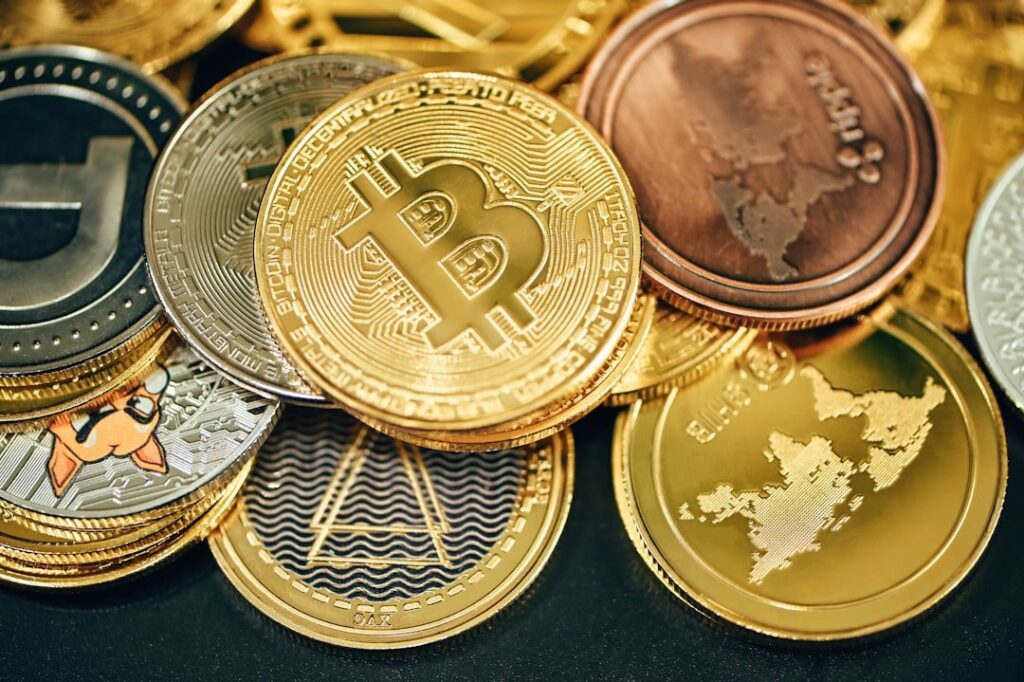
A cryptocurrency like Bitcoin has no underlying asset. An RWA token is backed by something tangible or contractual held by a custodian.
What role does GIFT City play in RWA?
The IFSCA in GIFT City has created a regulatory framework for tokenised securities and funds, allowing pilots that would not yet be permitted onshore.
Can tokens be used as collateral?
Yes, increasingly. Lending protocols accept RWA tokens as collateral, particularly those backed by short-term government securities.
What is the biggest risk in RWA?
Custody and legal enforceability of the link between the token and the underlying asset. If the custodian fails, the token cannot be redeemed.
Tell Google you want more of this.
Add Anantam IAS as a preferred sourceOne tap, and this site shows up more often in your own Top Stories, AI Overviews and AI Mode. Remove it any time.