A genuinely short syllabus
Ten units in Paper I and three sections in Paper II. It is one of the few optionals a working aspirant can complete properly in four months and then revise three times before Mains.

UPSC Mains Optional · Offline + Online
Sociology is the most-taken optional in the exam for a reason: the syllabus is short enough to complete in four months, the material is available in English everywhere, and almost every topic connects to something you are already reading for GS. What separates a 260 from a 320 is not more content — it is whether you can put a thinker behind an argument instead of describing a phenomenon.
Why Sociology
Popularity is not a recommendation on its own — it also means more competition. These are the reasons that actually hold up.
Ten units in Paper I and three sections in Paper II. It is one of the few optionals a working aspirant can complete properly in four months and then revise three times before Mains.
Nothing in the syllabus assumes a Sociology degree. The concepts are taught from first principles, and a physics graduate is not at a disadvantage after the first month.
Indian society, social justice, women, tribals, urbanisation, secularism and social movements are GS I and GS II topics wholesale. Paper II is largely GS you were going to study anyway.
Sociological framing — structure, agency, stratification, change — is the fastest way to lift a good essay into a distinctive one. Most candidates write essays with no analytical vocabulary at all.
The syllabus rewards linking theory to what is happening now. Your daily newspaper reading feeds directly into Paper II examples, so the dynamic portion is nearly free.
Because it is objective enough to mark consistently but open enough to reward good argument, well-written Sociology answers score. The upper band is real, not theoretical.
Syllabus
Paper I is the theory — the discipline, its methods, its thinkers and its core concepts. Paper II applies all of it to India. Reproduced here in full, because the sequence you study it in matters as much as the content.
Ten units. Thinkers (unit 4) is the spine — every other unit is stronger once Marx, Durkheim and Weber are secure.
Three sections. Most of section C is GS I and GS II material, which is why Paper II feels lighter than it looks.
This is the UPSC syllabus as notified. What it does not tell you is weightage — which units are asked nearly every year, and which have appeared twice in a decade. Mapping that against the 2013-onward question papers is the first week of the course.
Booklist
Sociology’s failure mode is collecting sources. Two good books per paper, read three times, beat nine books read once — and this list is deliberately short.
A word on notes: the most common mistake is buying a set of coaching notes and never building your own thinker register. The register is where the marks are, because it is the only thing that makes you fluent enough to deploy a theorist under time.
How the course runs
Studying Paper II before the thinkers is the commonest sequencing error in Sociology — you end up describing Indian society without any analytical apparatus to explain it.
Marx, Durkheim, Weber, Parsons, Merton and Mead, taught properly. Everything downstream — stratification, religion, change — becomes an application of these rather than a fresh subject.
The remaining units built on the thinker base, with the debate in each unit made explicit so you can take a position rather than list views.
Indian society read through Ghurye, Srinivas, Dumont, Beteille and Desai — theory applied, not a second syllabus memorised.
Weekly answers marked by faculty against the structure examiners reward, with the specific failure named. Sociology answers lose most marks to description without a framework.
Who it’s for
It is the most-chosen optional, which also means the most competition. Tell us your situation in the enquiry and we will give you a straight answer rather than a sales one.
The clearest case. Short syllabus, no prerequisites, English material everywhere, and heavy GS overlap — this is why it is the default recommendation for a working professional.
If you are losing a cycle to an optional you cannot finish, Sociology is the most reliable place to switch to. Four focused months genuinely covers it.
Your answers read well and score in the 250s. That is almost always missing theory, not missing content — and it is the fastest fixable gap in this optional.
Who teaches it
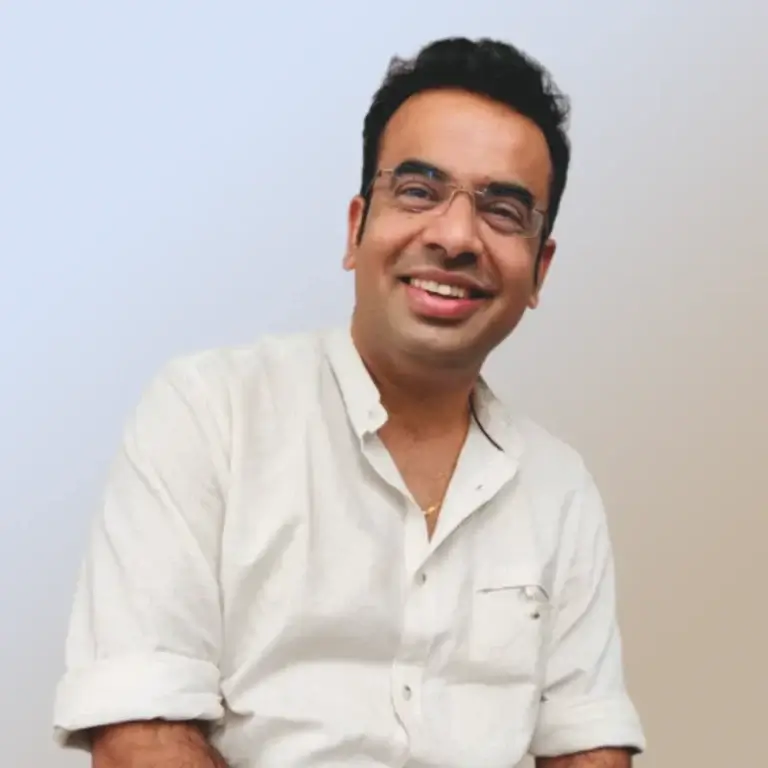
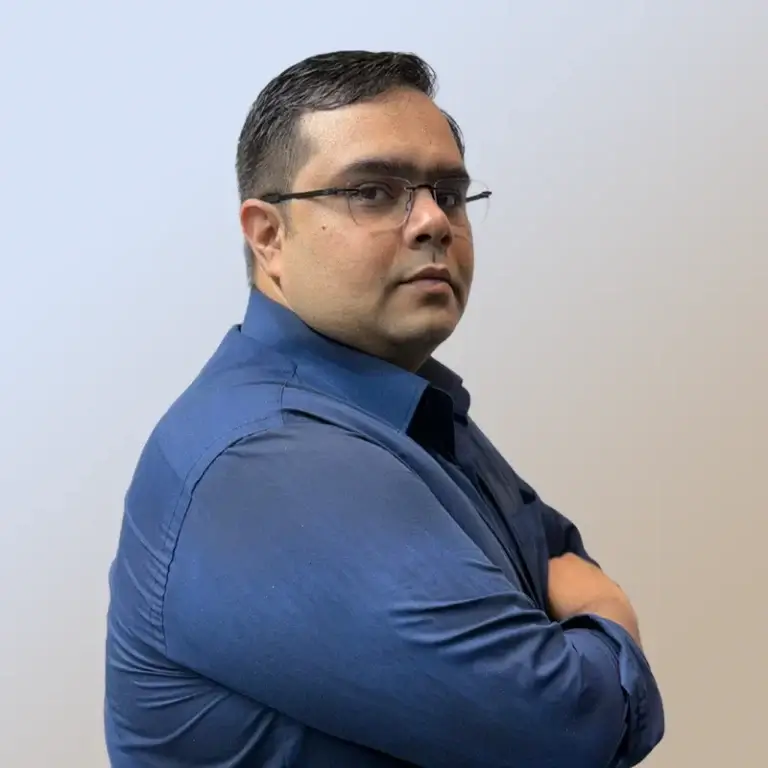
Retired bureaucrats, former interview panellists and subject veterans — ex-Rau’s IAS faculty who teach the classroom batches themselves.
Enquire
Offline at Old Rajinder Nagar is ₹55,000 and online is ₹45,000, both inclusive of taxes and both the same programme. What we cannot judge from a web page is whether Sociology suits you better than the optional you are currently weighing it against — so tell us both.
Sociology Optional
A senior faculty member reads these — not a call centre.
We never share your number. You’ll get a reply with details and fees, not a sales sequence.
Prefer to talk? Message us on WhatsApp
FAQ
No. Nothing in the syllabus assumes a degree in the subject, and most successful Sociology candidates come from engineering, commerce and the sciences. The concepts are taught from first principles.
₹55,000 inclusive of taxes for the offline batch at Old Rajinder Nagar, and ₹45,000 inclusive of taxes for the live online batch. Same faculty, same material, same evaluated answers.
Four months of focused work for a first pass, and the syllabus is short enough that two full revisions before Mains are realistic. That completability is the single strongest argument for the subject.
More candidates means more competition, but it also means more past papers, more material and a better-understood marking pattern. Popularity hurts you only if you write the same generic answers everyone else writes — which is a preparation problem, not a subject problem.
Substantially. Indian society, social justice, women, tribals, urbanisation, secularism and social movements are GS I and GS II topics outright, and sociological framing measurably improves the Essay paper.
You need fluency with about a dozen thinkers — enough to deploy one correctly under time. You do not need quotation-level recall. Building a one-page-per-thinker register yourself is worth more than any purchased notes set.
Yes — live on Zoom with recordings, at ₹45,000. The offline batch runs at Old Rajinder Nagar, New Delhi at ₹55,000. Answer evaluation and faculty access are identical in both.
Yes — our topic-wise Sociology optional notes are free to download and cover both papers. Start there, and if the subject suits you, the course adds the thinker depth and the evaluated answer writing.
Free to read first
You don’t have to pay us to prepare well. These guides are open to everyone.
Sociology Optional
Offline ₹55,000, online ₹45,000, both inclusive. Send an enquiry with your background and target attempt.