5 current affairs published on Friday, 8 August 2025
8 August 2025 Current Affairs for UPSC — every
Why-in-News article AnantamIAS published on Friday, 8 August 2025, broken down with
Why in News?, the exact GS paper it feeds, sub-topic mapping, MCQ-ready facts and a
UPSC-style practice question. 5 articles in total, covering Polity, Economy, Environment, S&T, IR, Geography, History, Society and Internal
Security — the same Why-in-News + GS-paper-mapping + practice-question format the Compass uses across
every daily digest on the site.
Daily current affairs for UPSC is where new material enters your prep stream. Read this
8 August 2025 digest end-to-end in 25–35 minutes, attempt the practice question
at the foot of each article (it's MCQ for some, 10/15-marker for others), then bookmark the entries
that fall inside your active revision window. Everything stays cross-linked: tap any subject pill to jump
to that subject's hub, or use the table of contents above to skip straight to a specific story.
Use this page three ways. Read sequentially for a one-sitting scan of everything that
mattered on 8 August 2025. Download the
8 August 2025 PDF below for offline study or print revision. Or use
the August 2025 Current Affairs compilation
to see this day in the month's full context. For the previous day's reading, see
7 August 2025 Current Affairs;
the next day's is 9 August 2025 Current Affairs.
Why we publish daily current affairs separately from the monthly compilation: daily is learning,
monthly is revision. Use the daily page to add fresh material to your notes the day it breaks;
come back to the August 2025 compilation 60 days before Prelims when the
noise has settled and only the lasting takeaway is worth re-reading.
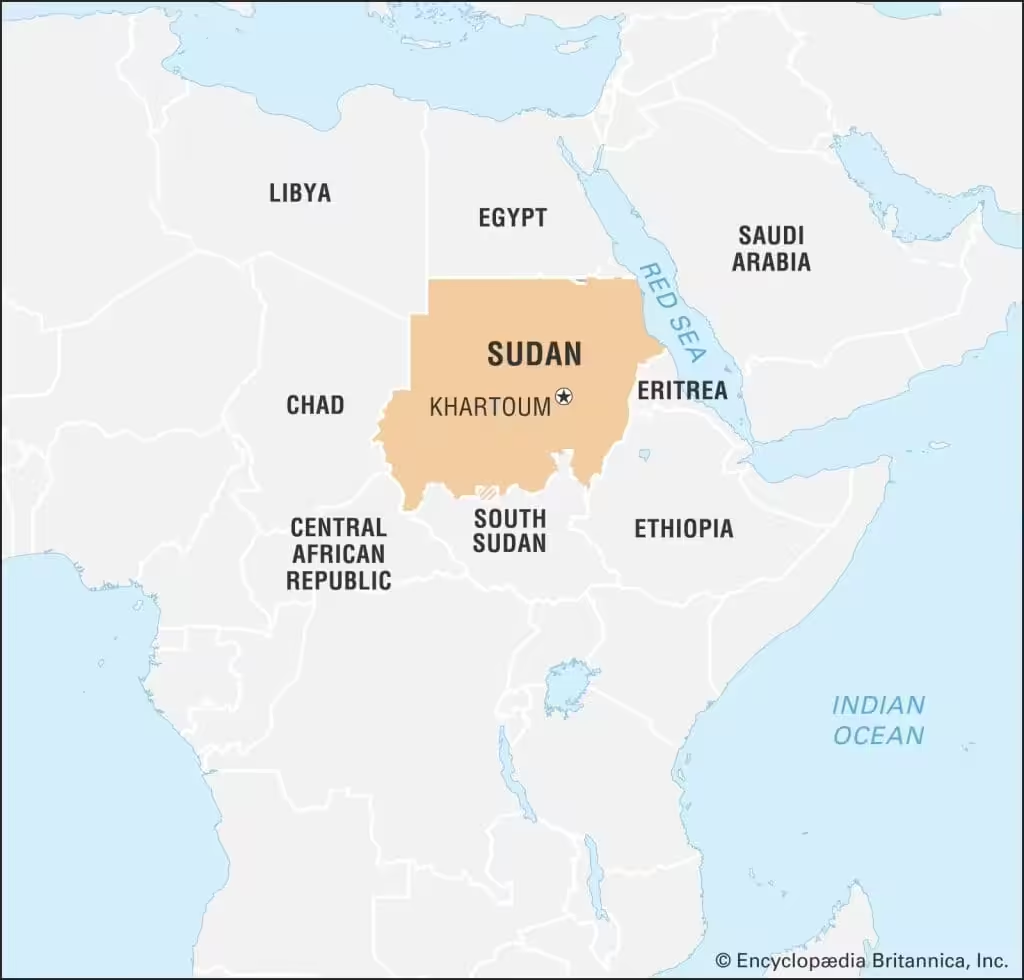
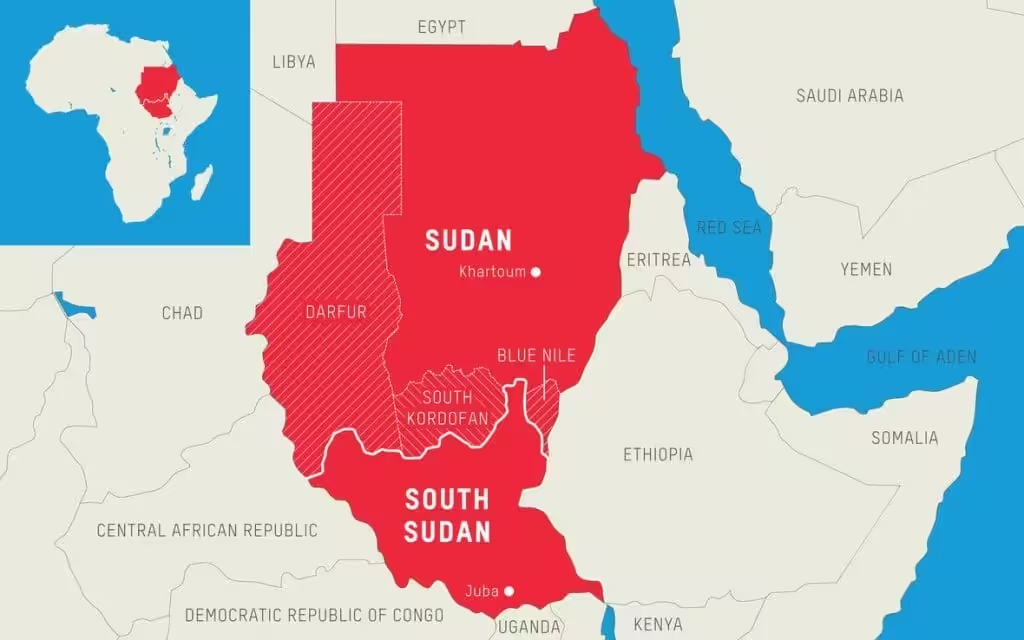
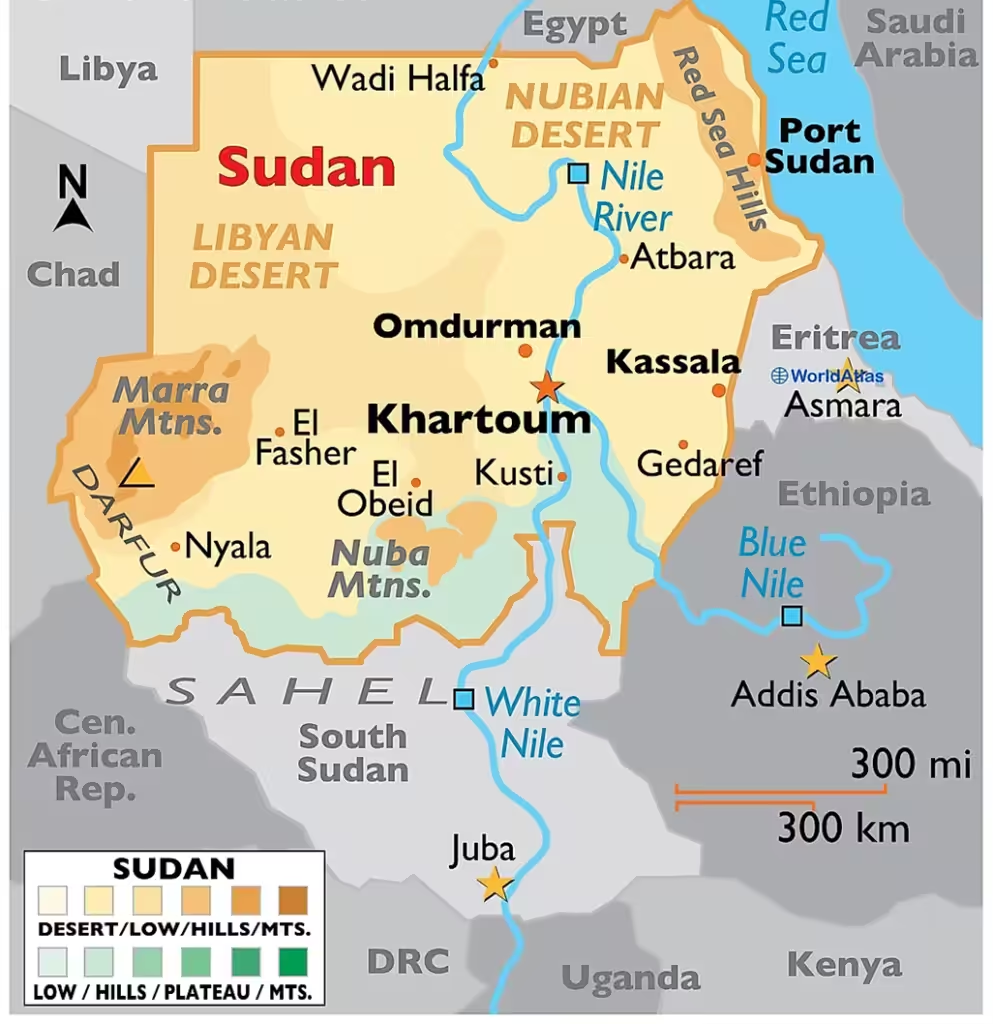
Sudan conducted an air strike on Nyala airport in Darfur, targeting a suspected Emirati military aircraft and killing 40 alleged foreign mercenaries, mostly from Colombia. The strike is being interpreted as a “blatant message” and a “new equation of deterrence” aimed at warning against foreign interference in Sudan’s internal conflict.
UPSC CSE Relevance:
UPSC has asked questions on world location which are in news every year.
UPSC PYQ:
Consider the following pairs:
Towns sometimes mentioned in news
Country
1.
Aleppo
Syria
2.
Kirkuk
Yemen
3.
Mosul
Palestine
4.
Mazar-i-sharif
Afghanistan
Which of the pairs given above are correctly matched?
A 1 and 2 only
B 1 and 4 only
C 2 and 3 only
D 3 and 4 only
Sudan Location:
Darfur:
Nyala:
Major cities of Sudan:
Al-Khartum (Khartoum)
Nyala
Al Obeid (Al Ubayyid)
Port Sudan (Bur Sudan)
Wad Medani
Kassala
Al Gadarif
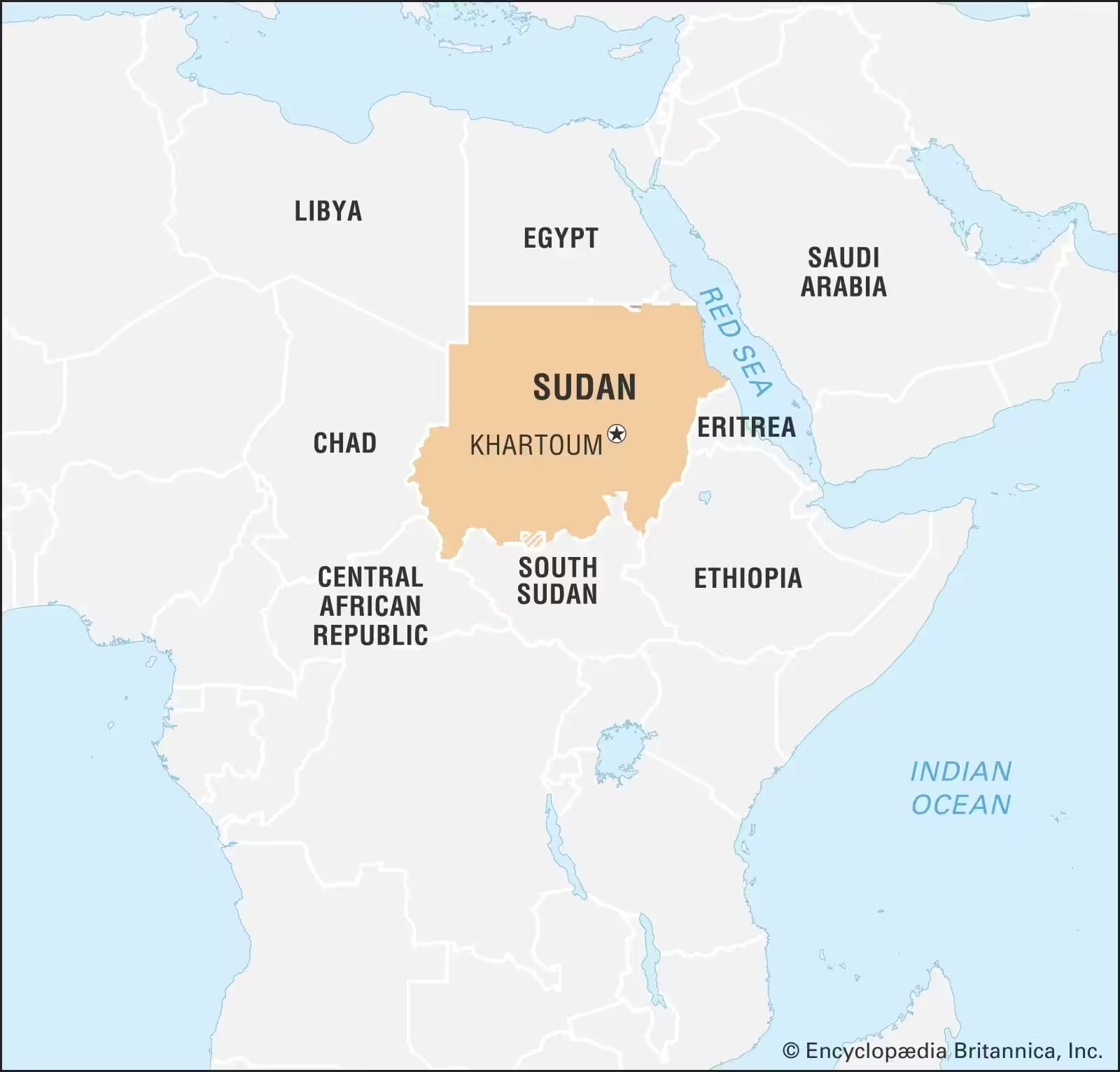
Physical Map Sudan:
Practice Question:
Which of the following countries share a land border with Sudan?
Libya
Ethiopia
Chad
South Sudan
Central African Republic
Options:
A. 1, 2 and 3 B. 2, 3 and 4 C. 1, 4 and 5 D. 1, 2, 3, 4 and 5
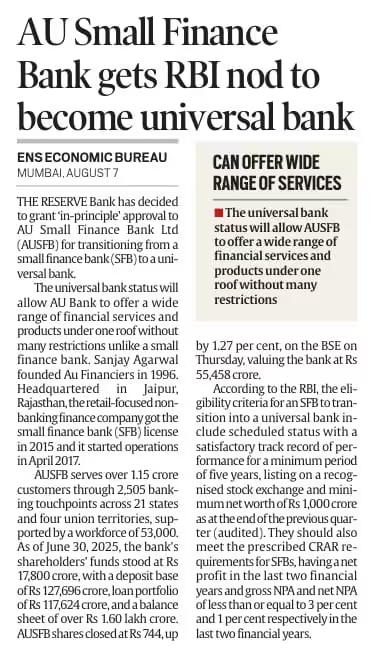
The Reserve Bank of India (RBI) has granted in-principle approval to AU Small Finance Bank (AU SFB) to transition into a Universal Bank. This is a significant upgrade, allowing AU SFB to offer a wider range of financial products and services without the regulatory limitations that apply to Small Finance Banks (SFBs).
UPSC CSE Relevance:
UPSC has asked questions on banking sector every year.
UPSC PYQ 2021:
With reference to “Urban Cooperative Banks’ in India, consider the following statements:
They are supervised and regulated by local boards set up by the State Governments.
They can issue equity shares and preference shares.
They were brought under the purview of the Banking Regulation Act, 1949 through an Amendment in 1966.
Which of the statements given above is/are correct?
A 1 only
B 2 and 3 only
C 1 and 3 only
D 1, 2 and 3
Differentiated Banks:
A differentiated license will allow a bank to offer products only in select areas. Main aim is to promote financial inclusion and payments. Differentiated banks licensing was launched in 2015. The differentiated banks are of two types namely payment banks and small finance banks.
About Small Finance Bank:
Aim: Small Finance Banks (SFBs) are specialised financial institutions established with the primary goal of fostering financial inclusion by offering basic banking services to underserved and unbanked segments of society.
Set up based upon recommendations of Nachiket Mor Committee.
Register under: Registered under Companies Act, 2013
Licensed under: Banking Regulation Act, 1949
Who is eligible: Resident Indians, Private Companies, Societies, NBFCs, MFIs, Local Area Banks
Small Finance Banks must be listed as scheduled banks and must demonstrate a consistent and satisfactory performance record for at least five years.
Capital Requirement: 200 crore (except for some SFBs)
Deposit Insurance: Yes it is available
Loan: At least 50 per cent of its loan portfolio must consist of loans and advances of up to ₹25 lakh.
CRR and SLR Applicable
Requirement: They must allocate at least 75% of their Adjusted Net Bank Credit (ANBC) towards priority sector lending.
Regulated by RBI.
Universal Bank:
Universal Banks are financial institutions that offer a comprehensive range of financial services, extending beyond traditional commercial and investment banking. These may include insurance, wealth management, and other allied services—all under one roof.
Eligibility:
Net Worth: The Small Finance Bank must have a minimum net worth of ₹1,000 crore.
Regulatory Status:
The SFB must be a scheduled commercial bank.
It must demonstrate a satisfactory performance record over a minimum of five years.
Financial Health:
Profitability: The bank should have recorded net profits in each of the last two financial years.
Asset Quality:
Gross Non-Performing Assets (GNPA): ≤ 3%
Net Non-Performing Assets (NNPA): ≤ 1%
Both figures are evaluated over the past two financial years.
Stock Listing:
The bank’s shares must be listed on a recognized stock exchange in India.
Promoter Restrictions:
No new promoters can be added during the transition process.
No changes are allowed to the existing promoter structure.
The promoter shareholding dilution plan approved by RBI must remain unchanged.
Loan Book Diversification:
Preference will be given to SFBs that have a well-diversified loan portfolio, ensuring reduced concentration risk.
Practice Question (UPSC PYQ):
Q: What is the purpose of setting up of Small Finance Banks (SFBs) in India?
To supply credit to small business units
To supply credit to small and marginal farmers
To encourage young entrepreneurs to set up business particularly in rural areas.
Select the correct answer using the code given below:
(a) 1 and 2 only (b) 2 and 3 only (c) 1 and 3 only (d) 1, 2 and 3
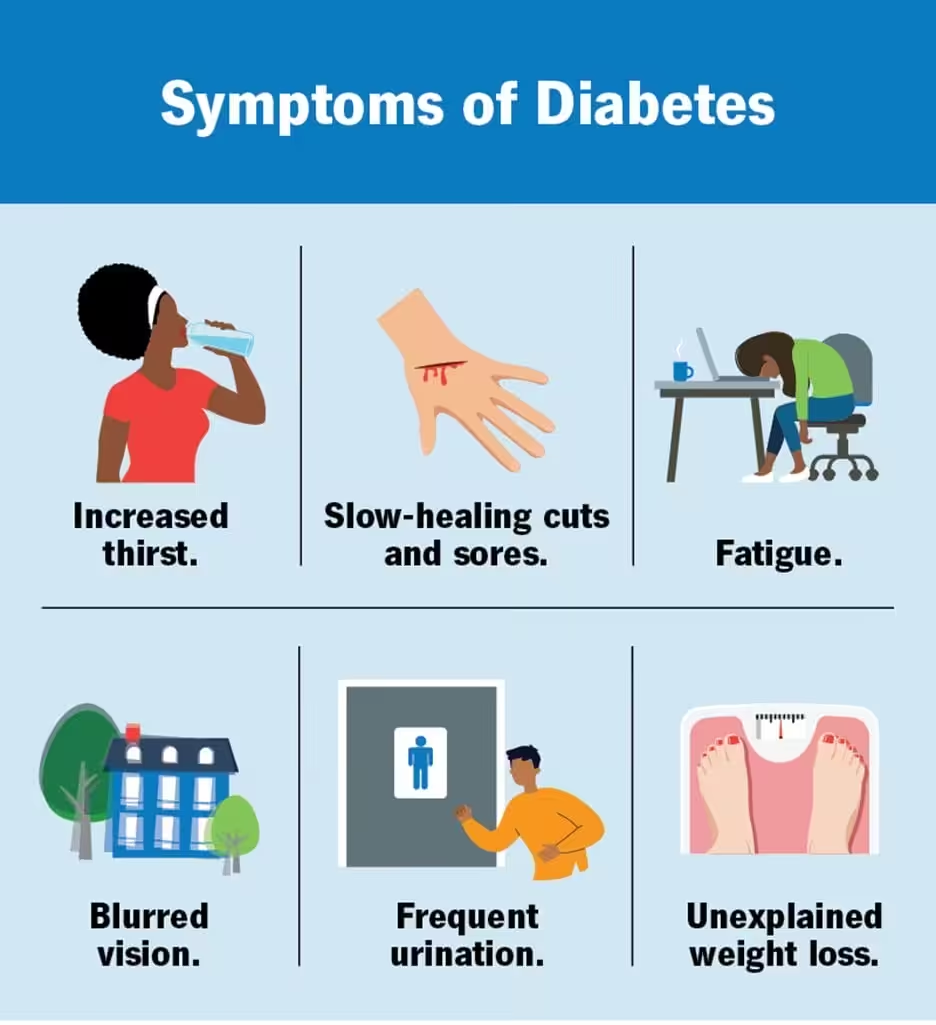
A new study published in the Lancet Global Health Journal reveals that 1 in 5 Indian adults aged 45 and above had diabetes in 2019. Alarmingly, 40% of those with diabetes were unaware of their condition. This raises concerns about undiagnosed and untreated diabetes among India’s ageing population and calls for urgent public health intervention.
UPSC CSE Relevance:
UPSC has focused on different disease under science and tech. which in news and asked question in prelims.
UPSC PYQ 2017:
Consider the following statements:
In tropical regions, Zika virus disease is transmitted by the same mosquito that transmits dengue.
Sexual transmission of Zika virus disease is possible.
Which of the statements given above is/are correct?
A 1 only
B 2 only
C Both 1 and 2
D Neither 1 nor 2
Key Findings from the Study:
Diabetes Statistics:
Among those treated, only 36% achieved adequate control.
20 million older adults in India were living with diabetes in 2019.
Prevalence rate among older adults (45+): ~20%
Undiagnosed diabetes among elderly (60+): ~8%
Untreated diabetes among 45+ adults: 5%
Gender and Urban-Rural Divide:
40% of diagnosed individuals were unaware of their condition, showing a gap in testing and diagnosis.
Diabetes rates were similar among men (19.6%) and women (20.1%).
Urban prevalence (30%) was double that of rural (15%).
State-wise Patterns:
Highest age-adjusted diabetes rates (45+ age group):
Chandigarh (36.9%)
Puducherry (36%)
Kerala (36%)
Highest number of diabetic individuals:
Tamil Nadu – 6.1 million
Maharashtra – 5.8 million
Uttar Pradesh – 4.7 million
About Diabetes:
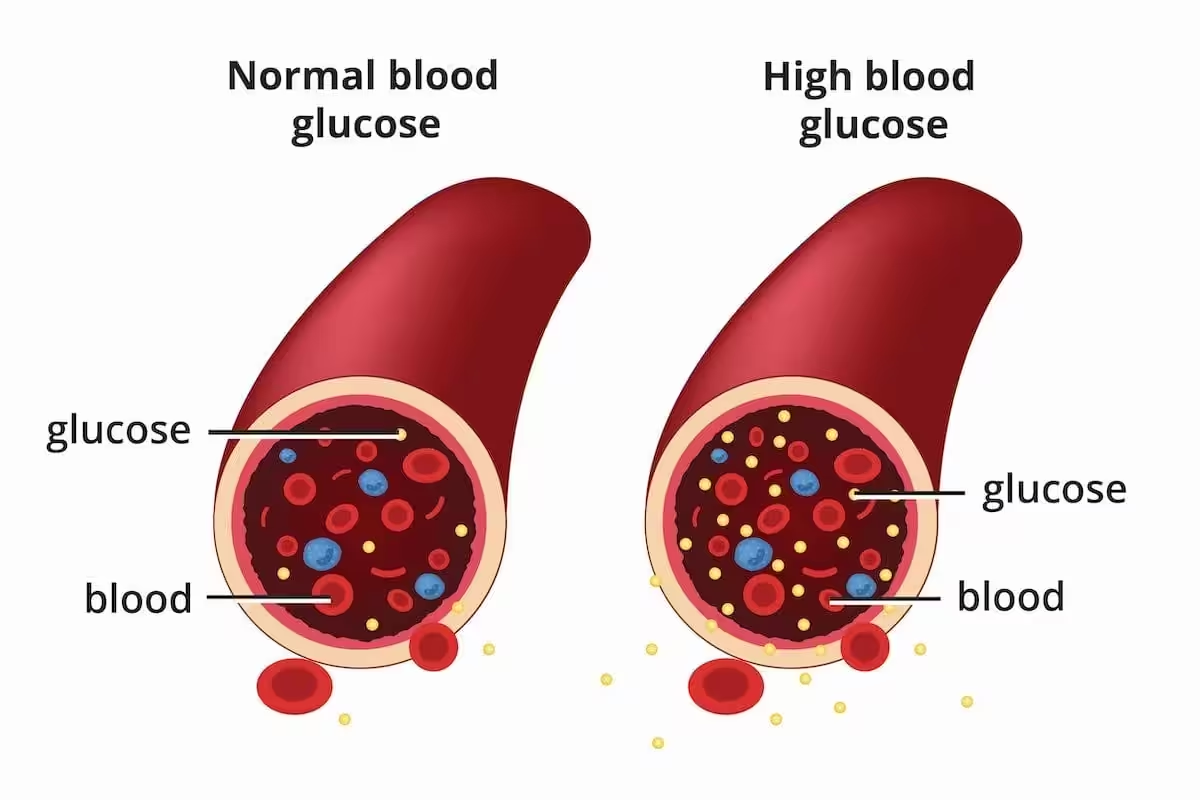
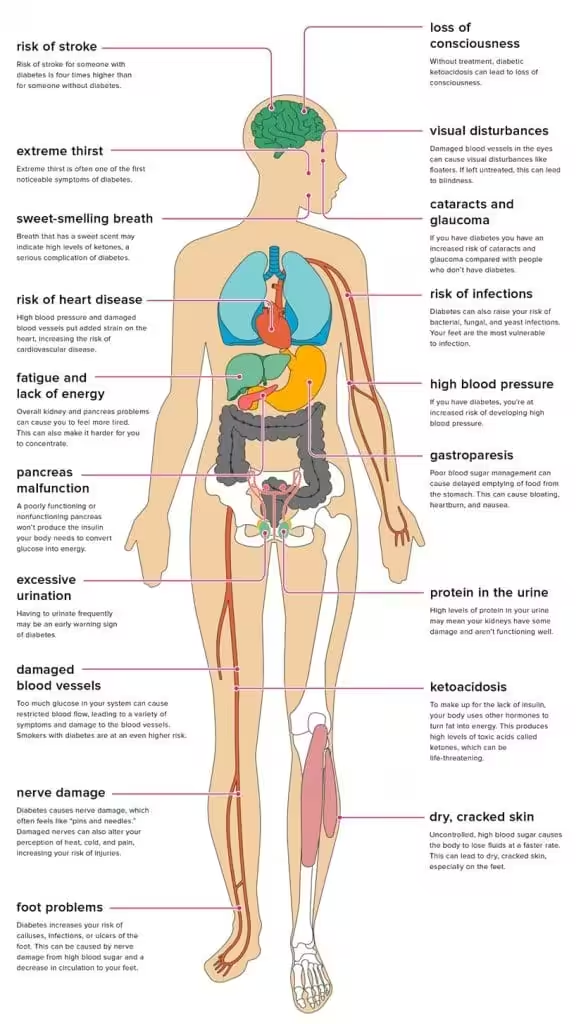
Diabetes is a disease that occurs when your blood glucose, also called blood sugar, is too high. Glucose is your body’s main source of energy. Your body can make glucose, but glucose also comes from the food you eat.
Insulin is a hormone made by the pancreas that helps glucose get into your cells to be used for energy. If you have diabetes, your body doesn’t make enough—or any—insulin, or doesn’t use insulin properly. Glucose then stays in your blood and doesn’t reach your cells.
Impact: Diabetes raises the risk for damage to the eyes, kidneys, nerves, and heart. Diabetes is also linked to some types of cancer. Taking steps to prevent or manage diabetes may lower your risk of developing diabetes health problems.
Types of Diabetes:
Type 1 diabetes:
If you have type 1 diabetes, your body makes little or no insulin. Your immune system attacks and destroys the cells in your pancreas that make insulin. Type 1 diabetes is usually diagnosed in children and young adults, although it can appear at any age. People with type 1 diabetes need to take insulin every day to stay alive.
Type 2 diabetes:
If you have type 2 diabetes, the cells in your body don’t use insulin properly. The pancreas may be making insulin but is not making enough insulin to keep your blood glucose level in the normal range. Type 2 diabetes is the most common type of diabetes. You are more likely to develop type 2 diabetes if you have risk factors, such as overweight or obesity, and a family history of the disease. You can develop type 2 diabetes at any age, even during childhood.
Gestational diabetes:
Gestational diabetes is hyperglycaemia with blood glucose values above normal but below those diagnostic of diabetes. Gestational diabetes occurs during pregnancy.
Women with gestational diabetes are at an increased risk of complications during pregnancy and at delivery. These women and possibly their children are also at increased risk of type 2 diabetes in the future.
Gestational diabetes is diagnosed through prenatal screening, rather than through reported symptoms.
Type 5 Diabletes:
Type 5 diabetes, which affects lean and undernourished young adults in low- and middle-income countries, has been officially recognised as a distinct form of the disease by the International Diabetes Federation (IDF).
Issues:
GOI Steps:
National Programme for Prevention and Control of Cancer, Diabetes, Cardiovascular Diseases and Stroke (NPCDCS):
Launched in 2010, this Government of India initiative aims to prevent and control major non-communicable diseases (NCDs) such as cancer, diabetes, cardiovascular diseases, and stroke.
The programme focuses on:
Strengthening healthcare infrastructure
Capacity building of human resources
Health promotion and awareness
Early diagnosis, treatment, and referral services
World Diabetes Day:
Observed annually on 14th November, World Diabetes Day raises awareness about diabetes. The theme for 2022 focused on “Access to Diabetes Education”, highlighting the need for knowledge and support to manage the disease effectively.
Global Diabetes Compact (by WHO):
The World Health Organization (WHO) launched the Global Diabetes Compact to intensify global efforts to tackle diabetes.
This initiative was announced to commemorate the 100th anniversary of the discovery of insulin, aiming to:
Enhance global collaboration
Ensure affordable access to treatment and care
Promote the integration of diabetes management into primary health systems
Context: India’s Finance Ministry declared the Indian economy to be in a “Goldilocks situation”, a rare alignment of moderate growth, subdued inflation and supportive monetary conditions.
UPSC Relevance:
GS 3 – Indian Economy and issues relating to Planning, Mobilization of Resources, Growth, Development and Employment.
UPSC has shown interest In Macroeconomic trends of Indian economy, growth patterns, fiscal policy as Visible in following previous year questions.
PYQ:
Mains 2021: Do you agree that the Indian economy has recently experienced V- shaped recovery? Give reasons in support of your answer.
Mains 2024: Examine the (pattern) and trend of public expenditure on social services in the post-reforms period in India. To what extent this has been in consonance with achieving the objective of inclusive growth?
What is the ‘Goldilocks Situation’ in economics?
The Goldilocks situation in economics refers to an ideal state of the economy where conditions are “just right”, neither too hot nor too cold, like the story of Goldilocks and the Three Bears, where Goldilocks finds the porridge at the perfect temperature.
In economic terms, this means achieving a balance with moderate economic growth, low unemployment, and stable, low inflation.
Moderate Economic Growth: Growth is strong enough to avoid recession but not so rapid as to cause inflationary pressures.
Low Inflation: Inflation is not so high as to erode purchasing power nor so low as to indicate weak demand or deflation.
Low Unemployment: The job market is healthy, with most people who want jobs able to find them. This boosts consumer spending and confidence.
Stable Financial Markets: Because of the balanced conditions, investor confidence remains high, and markets perform well without excessive volatility.
It is through a blend of fiscal and monetary policy that the government as well as the central bank aims to create such conducive conditions for economic growth.
Few examples of Goldilocks Economy
U.S. Economy in the 1990s: This is often cited as a classic example of a Goldilocks economy, characterized by technological innovations (like the internet), effective monetary policy, fiscal discipline, steady GDP growth, low inflation, and low unemployment.
Australia in the Early 2000s: Experienced stable growth and low inflation, which matches the characteristics of a Goldilocks economy.
Is India having a Goldilocks Moment ?
Arguments in Favor (The “Mini-Goldilocks Moment”)
Arguments Against (A More Complex Reality)
Robust GDP Growth: India exiting FY2024 as a $3.6 trillion economy with an underlying growth of over 7.6% projects a buoyant macroeconomic outlook for 2025.
Stagnant Real Wage Growth: Despite respectable nominal salary hikes (e.g., 9.2% in 2023), real wage growth was minimal (2.5%), meaning inflation eroded most of the gains. The International Labour Organization (ILO) and various labour economists have consistently pointed out challenges vis-à-vis job quality and stagnant real wages in many emerging economies, including India.
Peak Interest Rates: Interest rates have peaked, suggesting potential for future rate cuts and economic stimulus as visible in the recent neutral stance of the Monetary Policy Committee.
Income Inequality: While the Gini coefficient on taxable income shows some improvement, it ignores the large informal sector in India.The rise in billionaires alongside stagnant real wages for the poor suggests a K-shaped recovery, specifically post pandemic, where gains are unevenly distributed stifling long term inclusive growth.
Declining Inflation: The Consumer Price Index (CPI) fell from 4.8% in May 2024 to 2.82% by May 2025, falling within the Reserve Bank of India’s comfort zone.
High and Volatile Food Inflation: The Consumer Food Price Index (CFPI) consistently ran higher than general inflation, severely eroding the purchasing power of lower-income households.
Fiscal Consolidation: The government is committed to reducing the fiscal deficit from 6.4% in 2022-23 to 4.4% in 2025-26, which indicates responsible fiscal management.
High Public Debt: A high public debt-to-GDP ratio (around 81% – more than the FRBM Act 2003 target of 60%) means a large portion of future revenue will be used to service debt, potentially leading to higher taxes or reduced public spending on the social sector.
Stable Corporate Earnings: Corporate earnings are stable, indicating a healthy and confident business environment.
Crowding out of private investment: Sustained high deficits necessitate significant government borrowing, which can potentially crowd out private investment by increasing demand for funds and putting upward pressure on interest rates. This could deter private businesses from investing and expanding, thus limiting job creation and overall economic growth
Amidst current geopolitical upheaval and trade uncertainties created by the present regime in the USA, India has been able to hold its ground in economic growth showing the resilience of the Indian Economy. However, it is important to realise the fragility of the claim of Goldilocks Moment of Indian Economy as much needs to be done to realise the ambitious goals of having a developed economy or Viksit Bharat by 2047. Hence, India’s true economic strength will not be defined by fleeting perceptions of balance, but by its capacity to foster genuinely inclusive growth, bolster real incomes, and build robust fiscal resilience for all its citizens.
Context: Poor diagnosis of haemophilia and lack of accessible prophylaxis treatment in India, despite the high global burden of disease, remains a cause of concern for experts.
UPSC Relevance:
Prelims , UPSC has been asking common disease and treatment therapies in Prelims.
PYQ:
Prelims 2021
In the context of hereditary diseases, consider the following statements:
1. Passing on mitochondrial diseases from parent to child can be prevented by mitochondrial replacement therapy either before or after in vitro fertilization of the egg.
2. A child inherits mitochondrial diseases entirely from mother and not from father.
Which of the statements given above is/are correct?
a) 1 only
b) 2 only
c) Both 1 and 2
d) Neither 1 nor 2
Prelims 2014
Consider the following diseases:
1. Diphtheria
2. Chickenpox
3. Smallpox
Which of the above diseases has/have been eradicated in India?
a) 1 and 2 only
b) 3 only
c) 1, 2 and 3
d) None
What Is Haemophilia?
It is an inherited, rare bleeding disorder where blood doesn’t clot properly.
Cause: A lack or deficiency of clotting factors, which are proteins essential for blood to clot, most often Factor VIII.
Haemophilia is more common in males because it is an X-linked recessive disorder. Males have one X chromosome and one Y chromosome, so if their single X chromosome carries the gene for haemophilia, they will develop the disorder. Females are typically only carriers because they can have one normal X chromosome to compensate for the affected X chromosome.
Types of Haemophilia
Haemophilia A: This is the most common type, also known as classic Haemophilia. It results from a deficiency of clotting Factor VIII in the blood.
Haemophilia B: Also called Christmas Disease (named after the first patient diagnosed with it, Stephen Christmas), this type is caused by a lack of clotting Factor IX.
Haemophilia C: This very rare form of Haemophilia is due to a deficiency in clotting Factor XI.
Symptoms: Excessive bleeding from small injuries and, more seriously, spontaneous internal bleeding in joints, muscles, or even the brain.
Complications: Can cause chronic pain, permanent disability, and can be life-threatening.
Haemophilia gained the nickname “Royal Disease” due to its widespread appearance in the royal families of Europe during the 19th and 20th centuries.
According to a global survey conducted by the World Federation for Haemophilia, India has the second-highest load of patients with Haemophilia A in the world, and is the only developing country amongst the top five countries.
The Challenge of Diagnosis and Treatment in India
Undiagnosed Cases: Only about 29,000 of an estimated 1-1.5 lakh patients have been diagnosed in India. Almost 80% of patients remain undiagnosed in India.
Reasons for Low Diagnosis: Lack of awareness, limited diagnostic facilities, and socio-economic barriers.
Impact of Undiagnosed Cases: Puts patients at risk for bleeds, leading to disability and a reduced life expectancy.
Socio-economic Burden: Undiagnosed and untreated Haemophilia leads to school absenteeism, unemployment, and loss of productivity.
Prophylaxis: The Gold Standard of Care
It is a regular replacement therapy of the deficient clotting factors to prevent bleeds before they occur.The ultimate goal is to achieve “zero bleeds,” allowing patients to live a more active and independent life.
Methods: Frequent intravenous injections of clotting factors or newer non-factor products via subcutaneous injections.
Benefits Over On-Demand Therapy:
Prevents Joint Damage: Maintains clotting factor levels to reduce or eliminate joint bleeds, preserving mobility and limiting disability.
Enhances Quality of Life: Patients have fewer bleeds and less pain, enabling them to attend school and work more consistently.
Reduces Healthcare Burden: Decreases the need for urgent care and hospitalization, reducing long-term healthcare costs.
Global vs. Indian Context:
India: On-demand therapy is still the primary treatment, though some states have begun to offer regular replacement for children.
Developed Nations: Approximately 90% of Haemophilia patients are on prophylaxis, leading to a near-normal life expectancy.