Why in News?
On 26 October 2026, MoSPI proposed changes to the Annual Survey of Unincorporated Sector Enterprises, including financial-year alignment and new questions on enterprise constraints.
- The proposed ASUSE 2027–28 cycle runs from April 2027 to March 2028, replacing the calendar-year survey cycle.
- A January–March 2027 bridge quarter will use the existing ASUSE 2026 questionnaire to preserve continuity in quarterly estimates.
- New questions cover women entrepreneurs’ constraints, electricity sources, longer-period fixed-asset investment and identification of handloom, powerloom and handicraft establishments.
- The questionnaire remains a proposal open to feedback; these announcements are not findings about changes in enterprise performance.
- Unincorporated enterprises contribute to employment and economic output, but their diverse operating conditions require more than a headline count.
- Comparable statistics depend on consistent definitions, timing and coverage, even when a redesigned questionnaire asks more useful questions.
UPSC Relevance
Prelims Relevance
- ASUSE: an establishment survey of the unincorporated non-agricultural sector.
- National Statistics Office: conducts ASUSE under MoSPI.
- Survey period: the calendar over which the survey is conducted.
- Reference period: the period to which a particular reported activity or value relates.
- CAPI: Computer-Assisted Personal Interviewing for data collection.
Mains Relevance
GS Paper 3
- Economic measurement: maintaining comparability while improving enterprise statistics.
- Inclusive growth: identifying constraints on women-led enterprises and investment.
GS Paper 2
- Evidence-based administration: matching survey questions to the information needs of ministries and States.
Background and Context
What the Enterprise Survey Measures
ASUSE examines establishments and their economic operations, giving policymakers a different unit of analysis from household employment surveys.
- Unincorporated non-agricultural establishments are the survey’s focus. Its results should not be treated as a complete count of every informal worker or farm, because enterprise activity and individual employment are different statistical units.
- The proposed gender-specific questions ask about constraints faced by female entrepreneurs in operating and managing establishments. They can reveal reported obstacles, but a questionnaire announcement does not establish their prevalence or prove their causes.
- Questions on electricity sources seek a clearer picture of enterprises’ energy arrangements. Knowing how establishments obtain power can improve analysis of operating conditions, although the source category alone cannot establish reliability or production losses.
- A longer fixed-asset investment reference period is intended to show investment beyond the existing question’s window. The announcement does not specify its duration, so readers should not assume an invented multi-year measurement period.
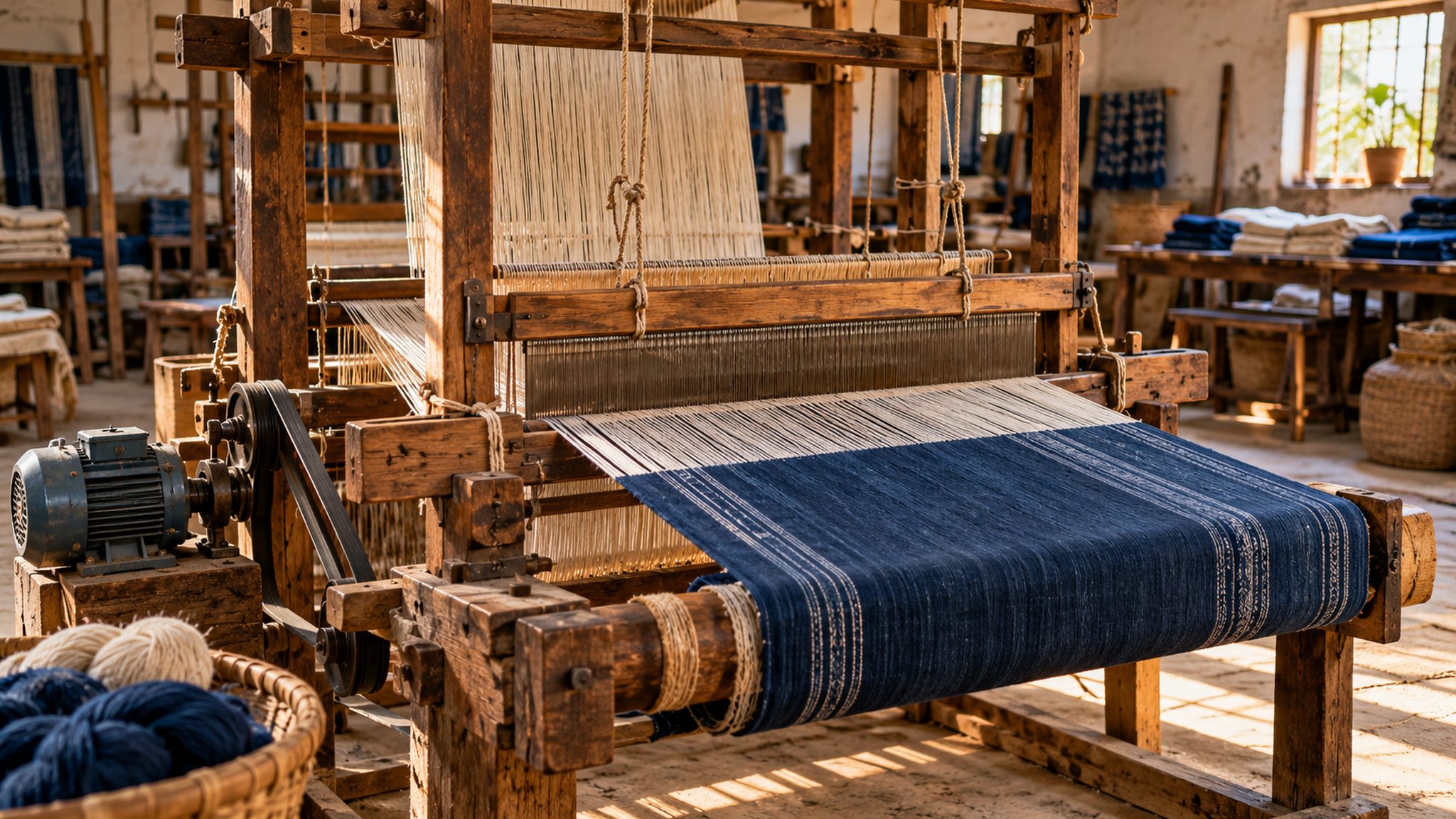
- Identification of handloom, powerloom and handicraft establishments responds to sector-specific information needs. Recognising these activities within the survey can support closer analysis without turning ASUSE into an exhaustive census of every artisan or producer.
How the Calendar Transition Preserves Continuity
The proposed transition joins an existing questionnaire quarter to a new financial-year cycle, rather than leaving an unmeasured interval.
- The April–March cycle is intended to align ASUSE with financial-year economic statistics and other enterprise surveys. This can make combined analysis more useful, but shared dates alone do not make different surveys directly interchangeable.
- For January–March 2027, survey collection will continue using the existing ASUSE 2026 schedule. This bridge preserves quarterly estimates before the proposed new cycle begins, avoiding a deliberate gap during the calendar change.
- The survey period and a question’s reference period are related but distinct. An interview conducted during a particular quarter may ask about activity over another interval, depending on the variable and questionnaire instructions.
- The proposed longer investment window illustrates this distinction: changing when fieldwork occurs does not automatically define how far back every question looks. The final questionnaire and metadata must clarify the period for each measure.
- A continuous quarterly series still requires comparability checks when questions change. Analysts should examine definitions, reference windows and coverage before attributing a movement entirely to actual economic expansion or deterioration in business conditions.
What Better Questions Can and Cannot Establish
The redesign can improve diagnosis when users distinguish new information from conclusions that the data cannot independently support.
- District-level estimation by participating States is an existing sampling-design provision that will continue. It should not be presented as a newly guaranteed estimate for every district, regardless of State participation or statistical requirements.
- CAPI collection, internationally accepted classifications and questions on e-commerce and digital payments also continue. Their retention supports a consistent statistical framework, while the proposed additions address information gaps identified through consultations with data users.
- An enterprise reporting a constraint supplies descriptive evidence, not a causal experiment. Policy design should investigate how that obstacle operates before assuming that one intervention will produce the same business response across different establishments.
- ASUSE’s establishment perspective complements the PLFS household perspective. One examines enterprise operations; the other studies people’s labour-market circumstances, so their employment-related figures need careful interpretation rather than automatic substitution.
- The announced changes remain proposed survey improvements. They do not show that women’s business constraints have fallen, investment has risen or electricity supply has improved; such conclusions require collected evidence and appropriately qualified analysis.
Way Forward
Publish a Clear Comparability Guide
- Provide variable-level metadata identifying changed questions, reference periods and coverage so users can distinguish measurement changes from economic developments.
- Explain how the bridge quarter connects to subsequent releases, including any limits on comparisons across the questionnaire transition.
- Combine questionnaire guidance with statistical staff capability so definitions are applied consistently and users can interpret the results accurately.
Conclusion
- ASUSE’s proposed redesign joins a more useful enterprise questionnaire with a planned calendar transition. Its value will depend on whether new information improves diagnosis while the statistical series remains interpretable across changing survey arrangements.
- Financial-year alignment can strengthen the use of enterprise data in economic analysis. It should be assessed alongside consistent concepts, transparent reference periods and careful interpretation, rather than treated as evidence that the underlying economy has changed.
UPSC Practice Questions
Prelims MCQ 1
With reference to the proposed ASUSE 2027–28 redesign, consider the following statements:
- The proposed survey cycle runs from April 2027 to March 2028.
- January–March 2027 is planned as a bridge quarter using the existing ASUSE 2026 schedule.
- District-level estimation by participating States is being introduced for the first time.
How many of the above statements are correct?
(a) Only one (b) Only two (c) All three (d) None
Answer: (b) Only two
Explanation:
Statements 1 and 2 are correct. District-level estimation by participating States is an existing sampling-design provision that will continue, making statement 3 incorrect.
Prelims MCQ 2
Which interpretation best distinguishes a survey period from a reference period?
(a) A survey period concerns conduct of the survey, while a reference period concerns the activity or value being reported. (b) Both necessarily cover the same dates for every variable. (c) A reference period is always the financial year. (d) Changing the survey period proves that economic activity has increased.
Answer: (a) A survey period concerns conduct of the survey, while a reference period concerns the activity or value being reported.
Explanation:
The timing of survey collection does not automatically determine the reporting window of every question. The proposed longer fixed-asset investment reference period illustrates why variable-specific instructions matter.
UPSC Mains Questions
- Explain how a change in the survey calendar can improve the policy usefulness of enterprise statistics while creating challenges for comparability.
- How can questions on women entrepreneurs’ constraints and enterprise investment improve economic policymaking? Discuss the limits of descriptive survey evidence.
Source: PIB, Ministry of Statistics and Programme Implementation.
Frequently Asked Questions
What is ASUSE?
ASUSE is the Annual Survey of Unincorporated Sector Enterprises, conducted by the National Statistics Office under MoSPI. It collects information about the characteristics and economic operations of unincorporated non-agricultural establishments.
Why is ASUSE moving to an April–March cycle?
The proposed alignment is intended to improve the use of ASUSE alongside financial-year economic statistics, other enterprise surveys and National Accounts. Consistent dates help analysis but do not remove differences in coverage or definitions.
What happens during January–March 2027?
The survey is planned to continue during this bridge quarter using the existing ASUSE 2026 schedule. The arrangement is intended to preserve quarterly estimates before the proposed April 2027 start of the new cycle.
Does the redesign prove that enterprise conditions have improved?
No. The announcement concerns proposed measurement changes, including new questions and timing. Conclusions about investment, energy arrangements or women’s business constraints require collected data, suitable comparisons and careful interpretation.
Are district-level estimates a new feature?
No. The sample-design provision for district-level estimates by participating States already exists and will continue. It should not be described as a newly guaranteed estimate for every district without regard to participation or statistical requirements.
Tell Google you want more of this.
Add Anantam IAS as a preferred sourceOne tap, and this site shows up more often in your own Top Stories, AI Overviews and AI Mode. Remove it any time.