Why in News?
On 31 October 2026, Indian Express reported that the Indian Patent Office rejected TB Alliance’s patent application covering the BPaL tuberculosis medicine combination, opening a possible route to wider supplier competition.
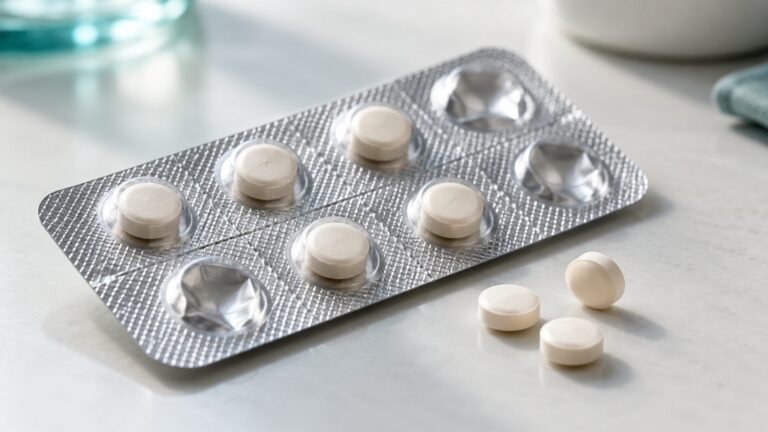
- BPaL combines bedaquiline, pretomanid and linezolid; the related BPaLM regimen also includes moxifloxacin.
- The report links the decision to pre-grant oppositions filed by patient advocates and civil society groups.
- The rejection concerns this particular application; it does not establish that every potentially relevant patent right has disappeared.
- Any additional price reduction attributable to this decision remains a potential outcome, dependent on actual suppliers and purchasing arrangements.
- Patent examination can affect market entry, while public health institutions determine whether competition translates into dependable treatment access.
- Medicine affordability also depends on diagnosis, delivery and patient support, including costs incurred outside the medicine supply itself.
UPSC Relevance
Prelims Relevance
- BPaL and BPaLM medicine combinations
- Pre-grant patent opposition under Section 25(1)
- Patent exclusivity versus drug marketing permission
- WHO recommendations and clinical eligibility
- Public procurement and quality-assured generic supply
Mains Relevance
GS Paper 2
- Public health access beyond medicine prices
- Patient participation in institutions affecting access
GS Paper 3
- Intellectual property, competition and pharmaceutical innovation
Essay
- The public value of innovation depends on access to its benefits.
Background and Context
What the Patent Decision Changes
The reported decision concerns a legal claim over a medicine combination; its public health effect depends on what happens after that claim is rejected.
- Patent rights give their holder legally defined exclusivity over an invention. Rejecting the reported combination application prevents exclusivity arising from that application, potentially reducing a barrier faced by other manufacturers seeking to supply it.
- Pre-grant opposition permits challenges before a patent is granted. Under Section 25(1) of the Patents Act, any person may submit a written opposition after publication, on the grounds specified in the law.
- Patient participation matters because patent examination can affect access beyond the applicant and competitors. The reported oppositions illustrate how people affected by a disease can bring evidence into a formal legal decision process.
- Scope matters: the news report concerns a particular combination application. It does not justify assuming that all manufacturing methods, formulations or other potentially relevant rights have been cleared for every prospective supplier.
- Competition is conditional: a rejected application may improve the opportunity for entry, but manufacturers still need viable production and supply arrangements. A legal opening alone does not demonstrate that new products have reached patients.
BPaL and the Clinical Eligibility Boundary
Understanding the medicine names helps explain the news, but selecting a regimen remains a clinical decision governed by evidence and treatment standards.
- BPaL contains bedaquiline, pretomanid and linezolid. BPaLM adds moxifloxacin. These names identify different combinations used in drug-resistant TB care; they do not describe interchangeable options that patients can select independently.
- WHO guidance discusses six-month regimens for eligible drug-resistant TB patients. The relevant treatment recommendation has clinical conditions and exclusions, so a general access argument cannot establish suitability for every person with TB.
- Drug susceptibility helps guide regimen selection. WHO explains that fluoroquinolone resistance affects whether moxifloxacin is retained, showing why reliable diagnosis remains important even when the medicines themselves become easier to obtain.
- Shorter oral treatment can reduce the burden associated with prolonged courses and injections. That potential advantage still depends on appropriate selection, monitoring and support throughout treatment, rather than availability of tablets alone.
- Patent examination does not assess a particular patient’s treatment needs. The reported rejection changes neither clinical eligibility nor the need for professional supervision; no dosing or self-treatment conclusion follows from it.
How Competition Can Become Better Access
A useful policy comparison separates permission to compete from the institutions needed to deliver safe medicines consistently to eligible patients.
- Marketing permission is distinct from patent status. Suppliers must meet applicable regulatory requirements before medicines can be marketed and used; rejection of a patent application does not itself authorise unrestricted commercial sale.
- Quality assurance remains necessary as suppliers enter. As the primaquine prequalification note explains, international quality assessment and national regulatory permission perform different functions, and neither should be inferred from a patent outcome.
- Public procurement can turn supplier competition into savings through actual purchasing terms. Lower prices could let a fixed medicine budget serve more eligible patients, but that benefit must be demonstrated through procurement results.
- Reliable supply requires production capacity, predictable orders and delivery systems. The wider generic medicine access debate also shows why legal arguments should be connected to the practical ability to obtain treatment.
- Patient costs extend beyond medicines supplied through public services. Travel, nutrition needs and income lost during illness can remain substantial burdens; procurement savings should accompany measures that make diagnosis and continued care accessible.
Way Forward
Measure Access After the Decision
- Track quality-assured suppliers, purchasing prices and supply interruptions to establish whether the legal opening produces practical benefits.
- Strengthen drug susceptibility testing and clinical monitoring so expanded availability reaches eligible patients safely.
- Connect procurement with patient support, including accessible follow-up and attention to non-medicine costs.
Conclusion
- The reported BPaL patent rejection creates an opportunity for competition. Its significance should be assessed through lawful market entry, quality-assured procurement and dependable access, rather than an assumed immediate fall in treatment costs.
- For an answer on innovation and public health, separate patent rights, regulatory permission and delivery capacity. The policy task is to connect these institutions so eligible patients can start and complete appropriate care.
UPSC Practice Questions
Prelims MCQ 1
With reference to BPaL and BPaLM, consider the following statements:
- BPaL contains bedaquiline, pretomanid and linezolid.
- BPaLM includes moxifloxacin in addition to the BPaL medicines.
- Rejection of a patent application makes the regimen clinically suitable for every TB patient.
How many of the above statements are correct?
(a) Only one (b) Only two (c) All three (d) None
Answer: (b) Only two
Explanation:
The first two statements correctly identify the combinations. Clinical suitability depends on treatment guidance and patient circumstances, independently of patent examination.
Prelims MCQ 2
Under Section 25(1) of the Patents Act, who may submit a pre-grant opposition after publication of a patent application?
(a) Only an existing pharmaceutical manufacturer (b) Only the Union government (c) Any person, on grounds specified in the Act (d) Only a person holding a competing patent
Answer: (c) Any person, on grounds specified in the Act
Explanation:
Section 25(1) permits any person to represent in writing by way of opposition before grant, on the statutory grounds.
UPSC Mains Questions
- Explain how pre-grant patent opposition can influence medicine access. Why does removal of a patent barrier not guarantee affordable treatment? (150 words)
- Discuss the institutional steps needed to translate pharmaceutical competition into reliable care for drug-resistant tuberculosis. (250 words)
Sources: Indian Express and WHO TB Knowledge Sharing.
Frequently Asked Questions
What does BPaL stand for?
BPaL combines bedaquiline, pretomanid and linezolid. It is used in eligible drug-resistant TB treatment settings. The related BPaLM regimen includes moxifloxacin, with selection governed by clinical guidance and patient circumstances.
Does the reported rejection guarantee cheaper treatment?
No. It may improve opportunities for competition, but prices depend on actual suppliers and procurement. Quality checks, regulatory permissions and reliable delivery remain necessary before a legal opening becomes better access.
What is a pre-grant opposition?
It is a formal challenge made after publication of a patent application but before grant. Section 25(1) permits any person to submit it in writing on grounds specified in the Patents Act.
Does patent rejection amount to drug approval?
No. Patent examination concerns exclusive rights over an invention. Drug regulation concerns applicable marketing and use permissions. Clinical eligibility is another distinct question, determined by treatment guidance and individual patient assessment.
Tell Google you want more of this.
Add Anantam IAS as a preferred sourceOne tap, and this site shows up more often in your own Top Stories, AI Overviews and AI Mode. Remove it any time.