Why in News?
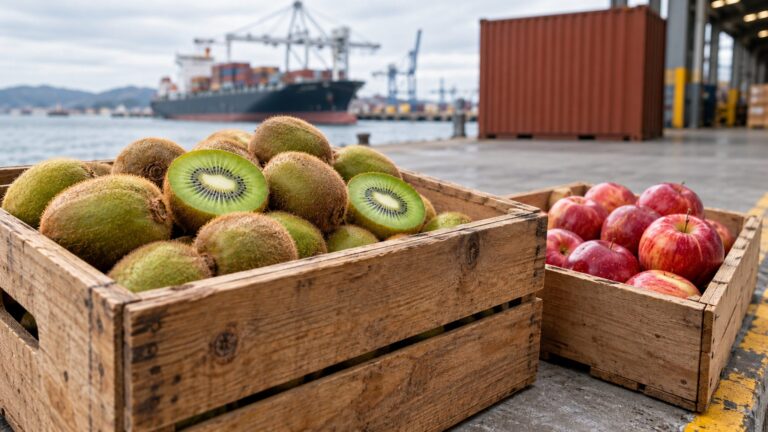
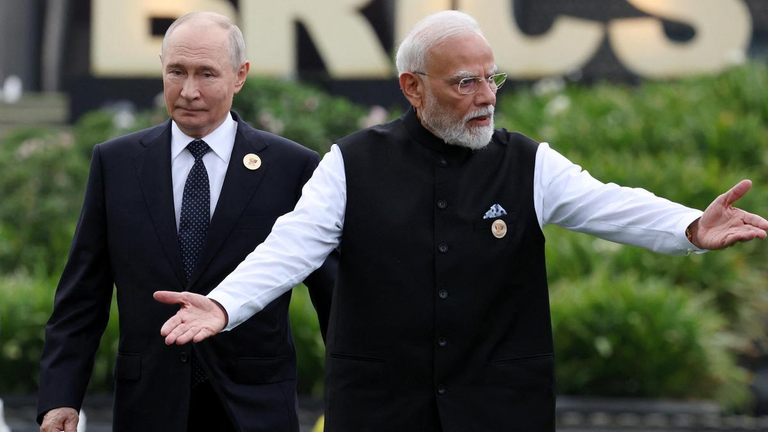
On 28 October 2026, India and Mexico announced signed Terms of Reference formally launching negotiations for a Preferential Trade Agreement, with goods access, origin rules and regulatory cooperation among the negotiating areas.
- The Terms of Reference establish the framework, scope, modalities and roadmap for talks; they do not announce a concluded agreement or implemented tariff concessions.
- The agenda includes customs procedures, trade facilitation, dispute settlement, sanitary and phytosanitary measures, technical barriers to trade and trade remedies.
- The announcement identifies cooperation potential in automotive, chemicals, electronics, pharmaceuticals and agri-food, alongside other sectors; these are opportunities, not promised export outcomes.
- A negotiated tariff preference can matter only if a product meets the applicable origin and regulatory requirements and the exporter can demonstrate compliance.
- The current development concerns negotiating architecture: which issues the two governments will discuss before businesses can assess any eventual preferential access.
UPSC Relevance
Prelims Relevance
- PTA: a preferential trade arrangement whose actual product coverage and concessions depend on the agreed terms.
- Terms of Reference: the framework and scope for negotiations.
- Rules of origin: criteria determining whether goods qualify for preferential treatment.
- SPS measures: measures addressing specified food-safety and animal or plant-health risks.
- TBT: technical regulations, standards and conformity-assessment procedures.
Mains Relevance
GS Paper 3
- Trade-policy design: connecting tariff concessions with origin verification and regulatory compliance.
- Manufacturing integration: making preferential access usable for smaller exporters.
GS Paper 2
- Bilateral negotiation mandates and institutions for implementing economic agreements.
Essay
- The distance between a diplomatic commitment and a usable economic opportunity.
Background and Context
What a Negotiating Mandate Establishes
A trade negotiation begins by defining the questions to be settled, the coverage of discussions and the route towards an agreement.
- The India–Mexico Terms of Reference provide an agreed negotiating framework. Their signature gives talks an organised starting point, but does not itself disclose the eventual tariff schedule or final obligations for traders.
- The official release lists market access for goods among the negotiating areas. The products covered, concessions offered and conditions attached must be established through negotiations rather than assumed from the agreement’s proposed name.
- The stated agenda combines border duties with procedures and regulatory issues. This matters because an exporter may face difficulties proving eligibility or meeting requirements even where a tariff concession is potentially attractive.
- A negotiating announcement differs from an agreement that has entered into force. The earlier India–New Zealand market-access note illustrates why implementation status must be identified before describing benefits available to firms.
- The release describes stronger trade and investment flows as possible gains. Treat these as objectives to evaluate against later outcomes, rather than evidence that the talks have already increased production, investment or employment.

Why Origin and Customs Rules Matter
Goods assembled through several economies need a clear eligibility test before they can receive an agreement’s preferential treatment.
- Preferential rules of origin determine whether a product qualifies for tariff preferences under the relevant arrangement. They are distinct from the route a shipment follows or the country from which it was dispatched.
- For products using imported components, an origin test can examine production or processing under the applicable product rule. The India–Mexico announcement does not publish such rules, so no required local-content threshold can be inferred.
- A firm must be able to connect its claim of origin with acceptable evidence. Simple, clear procedures can reduce uncertainty; weak verification can allow goods that fail the agreed conditions to receive unintended preferences.
- Customs cooperation and trade facilitation address how goods move through border procedures. Their inclusion in the agenda signals work on administration as well as negotiated market access; it does not mean new procedures already apply.
- The practical question is whether eligible firms can use the preference. The India–UK preference-utilisation discussion offers a useful implementation lens, without supplying or predicting the terms of the proposed Mexico agreement.
Regulatory Access and the Limits of the Announcement
Lower border duties are only one part of access; product requirements and procedures also shape whether a shipment can enter its destination market.
- Sanitary and phytosanitary measures address specified food-safety and animal or plant-health risks. Their presence on the agenda is relevant to agri-food trade, but does not establish a newly approved product or completed inspection arrangement.
- Technical barriers to trade concern technical regulations, standards and conformity assessment. Negotiators can discuss these issues, but the launch announcement does not establish mutual recognition of tests or remove existing product-compliance obligations.
- Trade remedies and dispute settlement are also included in the announced scope. Their final design remains to be negotiated; do not turn their inclusion into a claim that either government has surrendered a specific policy instrument.
- The release presents Mexico’s links with global value chains as commercially relevant. Such links do not automatically give an Indian product preferential access to a third country; eligibility depends on the applicable arrangement’s own rules.
- For an exam answer, distinguish potential complementarities from binding commitments. Sector names indicate areas of interest, while a usable assessment needs the final coverage, origin conditions, regulatory provisions and implementation arrangements when these become available.
Way Forward
Make the Eventual Terms Usable
- Consult producers and smaller exporters on product coverage, realistic compliance costs and the documentation needed to prove origin.
- Publish clear explanatory material when negotiated provisions become available, distinguishing proposals, agreed commitments and rules actually in force.
- Evaluate eventual outcomes through preference use, border predictability and market participation, rather than treating the launch of talks as commercial delivery.
Conclusion
- The India–Mexico development establishes a negotiating framework. Its significance lies in connecting goods access with origin, customs and regulatory questions that will shape any eventual agreement.
- Assess future progress through agreed terms and implementation. A negotiating mandate can organise cooperation, while practical benefits depend on the final rules and firms’ ability to meet them.
UPSC Practice Questions
Prelims MCQ 1
With reference to the announced India–Mexico PTA negotiations, consider the following statements:
- The signed Terms of Reference formally launch negotiations.
- The announcement publishes a final preferential tariff schedule.
- Rules of origin and customs procedures are included in the negotiating scope.
How many of the above statements are correct?
(a) Only one (b) Only two (c) All three (d) None
Answer: (b) Only two
Explanation:
Statements 1 and 3 are correct. The release announces a negotiating framework, not a concluded agreement or final tariff schedule.
Prelims MCQ 2
What is the principal role of preferential rules of origin?
(a) To identify whether goods qualify for preferential treatment under an arrangement (b) To guarantee preferential access whenever goods pass through a partner country (c) To replace every product-safety requirement with a shipping document (d) To grant automatic access to all third-country trade agreements
Answer: (a) To identify whether goods qualify for preferential treatment under an arrangement
Explanation:
Preferential origin rules determine eligibility under the relevant agreement. Dispatch from a partner is not by itself sufficient, and origin status does not remove separate regulatory requirements.
UPSC Mains Questions
- Explain why rules of origin and customs procedures matter alongside tariff concessions in a preferential trade agreement.
- Discuss how the distinction between launching negotiations and implementing an agreement should guide assessment of India’s trade partnerships.
Source: PIB, Ministry of Commerce and Industry.
Frequently Asked Questions
Has the India–Mexico PTA entered into force?
The announcement reports the signing of Terms of Reference and launch of negotiations. It does not report a concluded PTA, final tariff schedule or implemented preferential access for traders.
What do the Terms of Reference cover?
They establish the framework, scope, modalities and roadmap for talks. Listed areas include goods access, origin rules, customs, trade facilitation, dispute settlement, SPS measures, technical barriers and trade remedies.
Why are rules of origin necessary?
They determine whether goods qualify for a trade arrangement’s preferential treatment. This is especially relevant when production uses inputs from several countries; the place of dispatch alone does not establish preferential eligibility.
Do the talks guarantee access to Mexico’s other trade partners?
No automatic third-country access follows from the launch of bilateral talks. A product’s treatment in another market depends on the relevant arrangement’s coverage, origin conditions and other applicable requirements.
Tell Google you want more of this.
Add Anantam IAS as a preferred sourceOne tap, and this site shows up more often in your own Top Stories, AI Overviews and AI Mode. Remove it any time.