Why in News?
A proposal to rename Bhopal’s Barkatullah University as Vagdevi Bhojpal University has set off a controversy, with critics accusing it of erasing the legacy of freedom fighter Maulana Barkatullah Bhopali.
Maulana Barkatullah Bhopali was a revolutionary freedom fighter from Bhopal who served as the Prime Minister of the Provisional Government of India established in Kabul in 1915.
| UPSC Relevance: GS-1 Modern Indian History; Freedom Struggle; Contributions of different personalities. Prelims: Maulana Barkatullah Bhopali |
Background:
- Barkatullah University was established in 1970 as Bhopal University. In 1988, it was renamed Barkatullah Vishwavidyalaya in memory of Prof. Barkatullah, a freedom fighter who belonged to Bhopal.
- The recent proposal argues that the new name, Vagdevi Bhojpal University, would better reflect Bhopal’s cultural and historical heritage. Vagdevi refers to Goddess Saraswati, while Bhojpal is associated with Raja Bhoj, the 11th-century ruler traditionally linked with the founding of Bhopal.
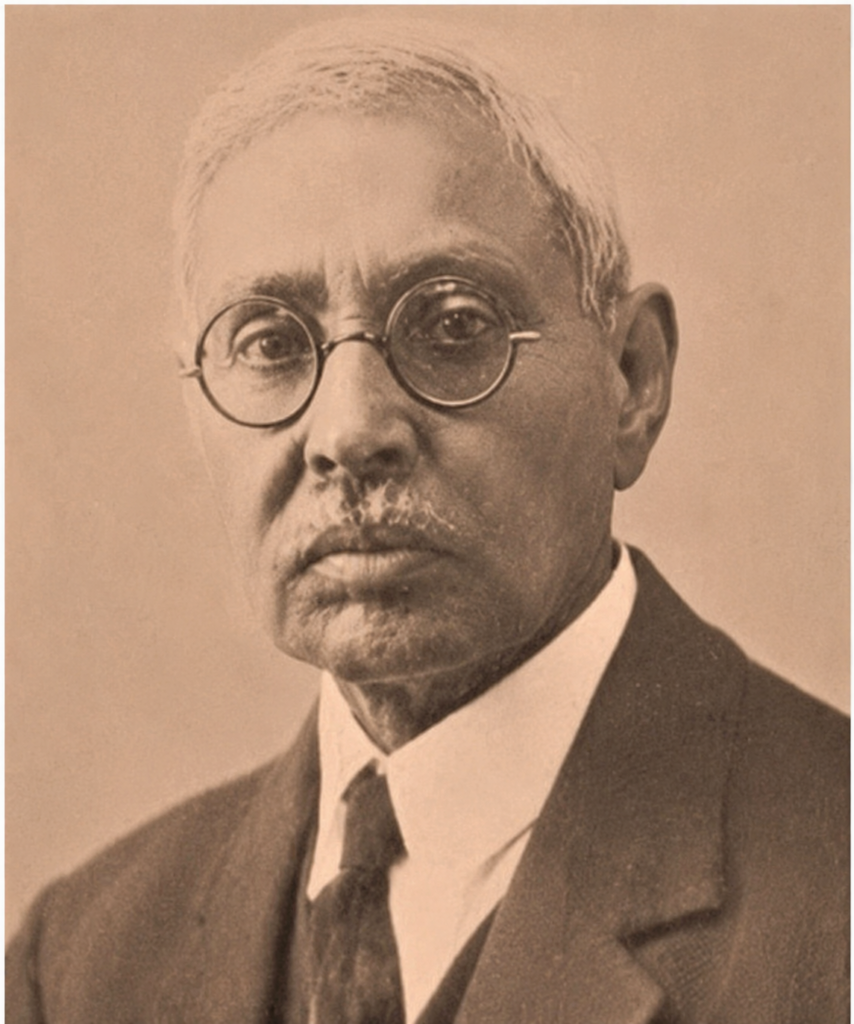
Who was Maulana Barkatullah Bhopali?
- Maulana Barkatullah, also known as Abdul Hafiz Mohammad Barkatullah, was born in Bhopal in the 19th century, commonly cited as 1854.
- He was a scholar, teacher, journalist, revolutionary and internationalist who spent much of his life outside India mobilising support for India’s independence. He travelled and worked in England, Japan, the United States, Germany, Afghanistan and Russia.
- His political activity was shaped by anti-colonialism, international diplomacy, revolutionary nationalism and a strong belief in Hindu-Muslim unity.
- He died in 1927 in the United States, far away from India. This partly explains why his contribution did not receive the same popular recognition as that of many other freedom fighters.
Role in the Freedom Struggle:
Internationalisation of India’s Freedom Struggle:
He was among the early Indian revolutionaries who understood that India’s freedom movement had to be internationalised. He sought support from global anti-imperial forces and tried to build alliances against British rule.
- In England, he came into contact with Indian revolutionaries and used speeches and writings to criticise British colonialism.
- In Japan, he worked as a professor and wrote anti-British material in Urdu and English.
- In the United States, he became associated with revolutionary networks of the Indian diaspora.
Association with the Ghadar Movement:
- Barkatullah was one of the founding members of the Ghadar Party in 1913 in San Francisco. The Ghadar movement aimed to overthrow British rule through armed struggle and mass mobilisation of Indian expatriates, especially in North America. Barkatullah’s involvement reflected the transnational character of revolutionary nationalism.
Prime Minister of the Provisional Government of India in Kabul:
- Maulana Barkatullah’s most significant contribution came during the First World War. On 1 December 1915, the Provisional Government of India was established in Kabul, Afghanistan. Raja Mahendra Pratap became its President, while Maulana Barkatullah became its Prime Minister.
- This government-in-exile attempted to mobilise support from Afghanistan, Germany, Turkey, Russia, China and Japan against British rule in India. Although it did not succeed militarily, it represented one of the earliest attempts to create an alternative sovereign Indian authority outside British control.
Advocacy of Hindu-Muslim Unity:
- Barkatullah strongly believed that India could not become free unless Hindus and Muslims fought together against colonial rule. He criticised British divide-and-rule policies and emphasised unity among Indian communities.
Tell Google you want more of this.
Add Anantam IAS as a preferred sourceOne tap, and this site shows up more often in your own Top Stories, AI Overviews and AI Mode. Remove it any time.