Why in News?
On November 19, 2026, the Health Ministry announced a proposal to incorporate Good Storage and Distribution Practices for pharmaceutical products into the Drugs Rules, 1945.
- The proposed GSDP framework builds on guidance developed by the Central Drugs Standard Control Organisation.
- It covers procurement, storage, transport and records across the chain from manufacturer or importer to patient supply.
- The ministry has invited objections and suggestions. The announcement describes a proposed amendment awaiting finalisation.
- A medicine can lose quality during handling even after it leaves the manufacturing facility.
- Distribution controls help regulators identify where a failure occurred and which supplies may be affected.
UPSC Relevance
Prelims Relevance
- Good Storage and Distribution Practices
- Central Drugs Standard Control Organisation
- Drugs Rules, 1945
- Traceability and product identity
- Storage conditions and distribution records
Mains Relevance
GS Paper 2
- Regulatory capacity across a fragmented medicine supply chain
- Coordination between Central and State drug-control authorities
Background and Context
Why Quality Controls Continue After Manufacture
Quality must survive the journey through warehouses, transport vehicles and supply points.
- Manufacturing controls establish whether a product meets the relevant requirements before release. Subsequent handling adds a different set of risks, so distribution oversight extends quality assurance through the product’s movement and storage.
- Deterioration can result when a medicine experiences unsuitable environmental conditions. The ministry also identifies contamination, mix-ups, falsification, diversion and unauthorised distribution as risks that the proposed framework seeks to address.
- Product identity matters alongside physical condition. A package must remain correctly associated with its contents and records as it changes hands, allowing each operator to know what was received and supplied onward.
- Responsibility is shared across the chain. The proposal includes manufacturers, importers, wholesalers, distributors and stockists, recognising that a failure at one handover can undermine controls exercised by other participants.
- The distinction complements drug batch-release responsibility. Release decisions concern the manufacturing stage, while this proposal addresses maintaining the established quality during subsequent storage and distribution.
How Storage and Transport Safeguards Work
The required environment depends on the product and must remain suitable throughout handling.
- Specified storage conditions provide the reference for assessing handling. Products have different requirements, so a distribution system must identify the applicable conditions for each item rather than assume one common environment.
- Environmental monitoring creates evidence of conditions experienced in storage or transit. Records help responsible personnel assess departures from specified conditions and decide whether further investigation or product disposition is needed.
- Handling arrangements must account for movement between facilities as well as time inside them. Loading, temporary holding and receipt are practical points where responsibility and information can become unclear.
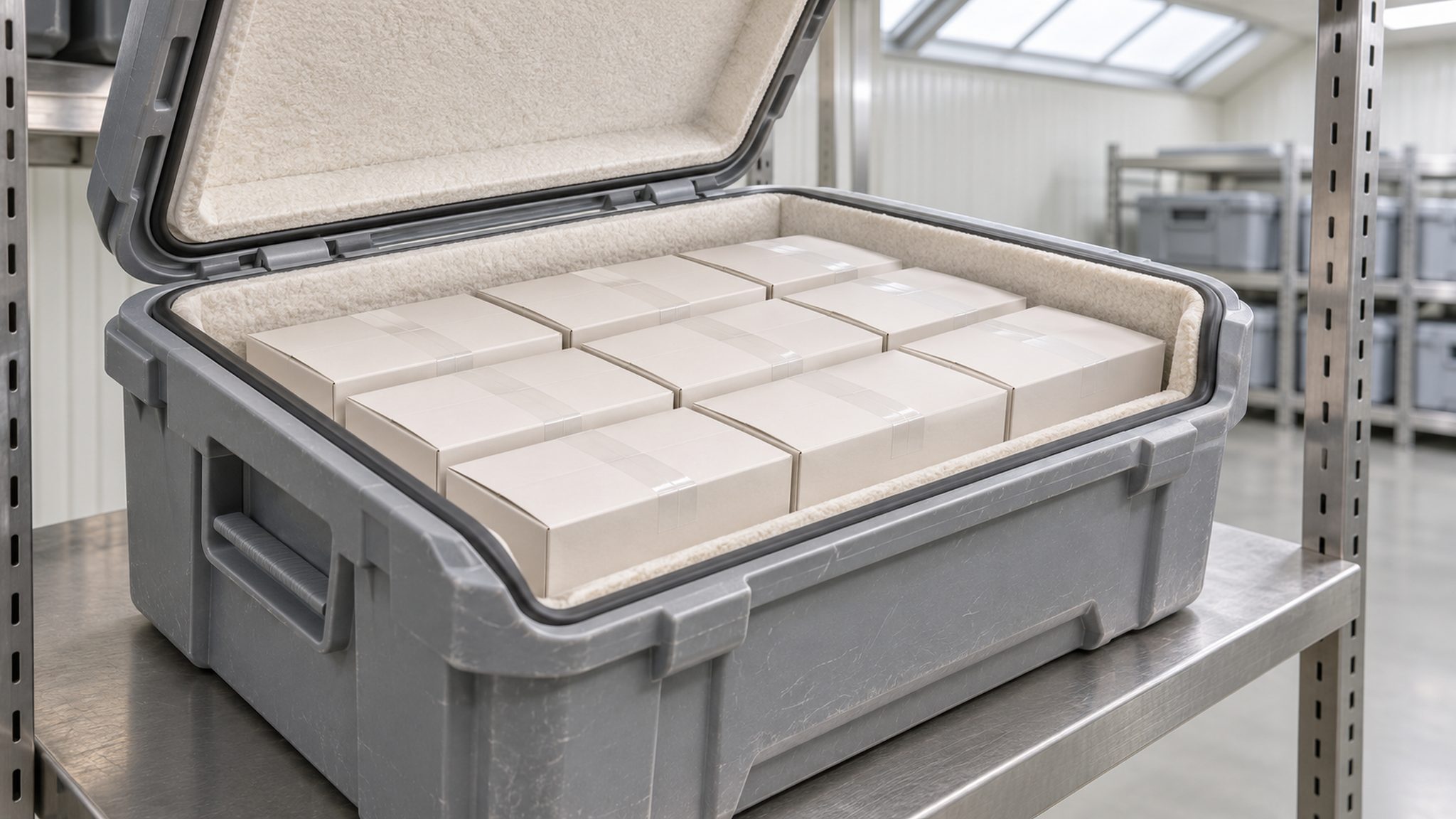
- Packaging and product separation help preserve identity and prevent mix-ups. Orderly storage and clear records make it easier to distinguish usable supplies from items whose status requires investigation or another decision.
- Suspect stock needs controlled handling so it does not accidentally return to supply. WHO guidance addresses quarantine and recalls as distribution safeguards; these principles provide context for understanding the proposed Indian framework.
What Traceability Adds to Regulatory Oversight
Records make it possible to follow a product and connect decisions across organisations.
- Traceability links receipt and dispatch records to identifiable products and batches. When a concern emerges, this trail helps determine where affected supplies came from and which recipients may need to be contacted.
- A recall depends on locating affected supplies and communicating with the relevant parties. Clear responsibilities and usable records help translate a quality concern into action across a chain involving several independent businesses.
- Documentation supports inspection by showing who handled a product and what controls were applied. Records need to correspond to actual practice, because a completed form alone cannot establish that conditions were maintained.
- Central and State authorities would oversee the proposed requirements within the regulatory framework. Coordination matters when a product crosses jurisdictions, while responsibilities for inspection and follow-up must remain clear to the regulated entities.
- Consultation and final notification determine the binding provisions and their application. This follows the distinction between draft and operative requirements also relevant to proposed allied-health registration rules.
Way Forward
Make Compliance Traceable
- Define handover responsibilities clearly so conditions and product information remain available when custody changes.
- Match inspection priorities to product risks and the weaknesses found in storage or transport systems.
- Use consultation feedback to clarify implementation requirements and support practical compliance across the distribution chain.
Conclusion
- Distribution quality assurance connects a medicine’s condition at manufacture with its condition when supplied. Environmental controls, reliable identity and traceable movement are complementary safeguards.
- The Indian measure remains a proposal. Its significance lies in extending explicit accountability across storage and transport, with final requirements dependent on the regulatory process.
UPSC Practice Questions
Prelims MCQ 1
With reference to good storage and distribution practices, consider the following statements:
- They address quality risks after manufacture.
- Traceability can help locate recipients of an affected batch.
- All pharmaceutical products necessarily require identical storage conditions.
How many of the above statements are correct?
(a) Only one (b) Only two (c) All three (d) None
Answer: (b) Only two
Explanation:
Statements 1 and 2 are correct. Storage requirements depend on the product and its specified conditions.
Prelims MCQ 2
Which record most directly supports tracing a medicine batch through distribution?
(a) A general statement about warehouse size (b) A receipt and dispatch trail identifying the batch and recipient (c) An unrelated manufacturing investment estimate (d) A list of national health priorities
Answer: (b) A receipt and dispatch trail identifying the batch and recipient
Explanation:
A batch-linked receipt and dispatch trail connects product movements and recipients, helping identify affected supplies when a quality concern arises.
UPSC Mains Questions
- Explain how storage and distribution controls complement manufacturing quality assurance for medicines.
- Discuss the institutional and practical requirements for traceability across India’s pharmaceutical distribution chain.
Sources: PIB, Ministry of Health and Family Welfare and WHO storage and distribution guidance.
Frequently Asked Questions
What has the Health Ministry proposed?
It proposes incorporating Good Storage and Distribution Practices for pharmaceutical products into the Drugs Rules, 1945. The framework seeks to maintain product quality and identity through storage, transport and other distribution activities.
Has the proposal become a final rule?
The November 19 announcement describes a proposed amendment and invites objections and suggestions. The final notification and its provisions would determine the binding requirements, scope and application.
Why does traceability matter?
Traceability connects identifiable products and batches with receipt and dispatch records. It helps locate affected supplies, identify recipients and support investigation when a quality concern requires action across multiple organisations.
Do all medicines need refrigeration?
Storage requirements vary by product. Distribution systems must follow the specified environmental conditions for the relevant medicine, supported by suitable handling and records, rather than apply one assumption to every product.
Tell Google you want more of this.
Add Anantam IAS as a preferred sourceOne tap, and this site shows up more often in your own Top Stories, AI Overviews and AI Mode. Remove it any time.