Why in News?
India is set to roll out the country’s first dengue vaccine. Qdenga (TAK-003) has recently received clearance from the Subject Expert Committee (SEC) under the Drugs Controller General of India (DCGI) for use among individuals aged 4 to 60 years.
DCGI is the final approving authority for vaccines in India. SEC approval usually precedes formal DCGI approval.

| UPSC Relevance: GS-3 Science and Technology: Biology and Biotechnology Prelims: Dengue; Dengue vaccines; Wolbachia Method; Aedes-borne Viral Diseases (Zika, Chikungunya) |
Dengue remains a significant public health challenge in tropical regions. In India alone, over one million dengue cases and at least 1,500 deaths have been recorded since 2021.
What is Dengue?
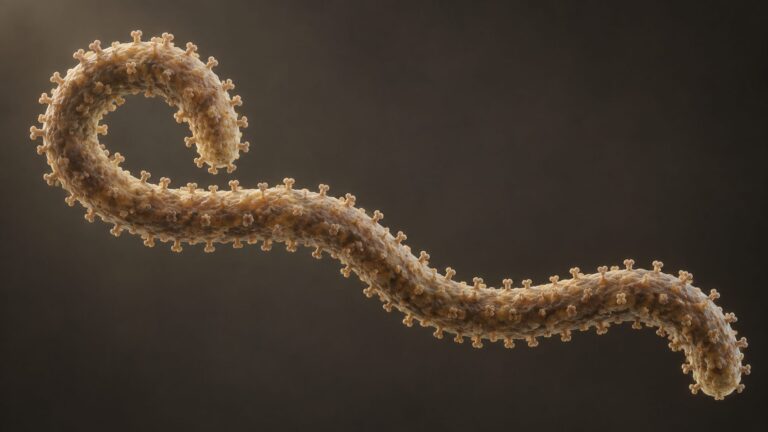
- Dengue is a mosquito-borne viral illness caused by the dengue virus, an RNA virus. It is caused by any of the four closely related but distinct viruses (DENV-1, DENV-2, DENV-3, and DENV-4).
- Transmission:
- Bites of infected Aedes aegypti mosquitoes.
- Human-to-human transmission does not occur directly. Rare cases of vertical transmission (from mother to child during pregnancy or childbirth), but it is not a common mode of spread.
- Symptoms: Flu-like symptoms (high fever, severe headache), joint, muscle pain and rashes. Severe cases lead to life-threatening dengue haemorrhagic fever.
For decades, dengue control in India relied almost entirely on vector control measures such as eliminating mosquito breeding sites, insecticide use, and public awareness campaigns. These strategies have had limited success in preventing recurring outbreaks.
What is Qdenga?
- A live-attenuated tetravalent dengue vaccine.
- Live-attenuated vaccines use a weakened form of a virus that replicates in the body, creating an often lifelong immune response.
- Tetravalent vaccine: designed to provide immunity against all four serotypes (DENV-1, DENV-2, DENV-3, and DENV-4).
- Developed by Takeda, Japan. Being made available in India through a manufacturing partnership with a Hyderabad-based pharma company. It is authorised in over 40 countries.
- Dose: TAK-003 requires 2 doses administered 3 months apart. Specifically designed to be effective even in people who have had a dengue infection previously.
- Limitations:
- Not effective against all serotypes: Performs very well against the DENV-2 serotype, and reasonably well against DENV-1. However, its effectiveness against DENV-3 and DENV-4 appears to be lower — particularly in individuals who have not previously been infected with dengue.
- Expensive: Expected price of TAK-003: ₹6,000-12,000 for the full course. May economically hurt lower-income groups.
Does India have an indigenous Dengue vaccine?
- India’s indigenous dengue vaccine candidate ‘DengiAll’ is currently undergoing large phase III clinical trials. It could be available around 2027.
- Developed by Panacea Biotec in collaboration with ICMR (Indian Council of Medical Research).
- Benefits:
- Single-dose regimen
- Provide more balanced protection across all four serotypes of the dengue virus.
The arrival of the Dengue vaccine represents a shift from a reactive to a more preventive approach. Success will depend on how well the vaccine is integrated with surveillance, vector control, and future innovations.
| Wolbachia Method for Mosquito Control: • Biological control method to reduce the mosquito population. The method does not involve genetic modification. • In this method, naturally occurring Wolbachia bacteria are introduced into the male mosquitoes. Male mosquitoes are infected with bacteria in a laboratory and then released into the wild. • Wolbachia-infected male mosquitoes mate with female mosquitoes. Through the normal reproductive process, the bacteria are passed on to their offspring. As a result, their offspring are less likely to survive or reproduce.  |
UPSC PYQ 2023
Q. ‘Wolbachia method’ is sometimes talked about with reference to which one of the following?
(a) Controlling the viral diseases spread by mosquitoes
(b) Converting crop residues into packing material
(c) Producing biodegradable plastics
(d) Producing biochar from thermo-chemical conversion of biomass
Answer: (a)
UPSC PYQ 2017
Q. Consider the following statements:
1. In tropical regions, Zika virus disease is transmitted by the same mosquito that transmits dengue.
2. Sexual transmission of Zika virus disease is possible.
Which of the statements given above is/are correct?
(a) 1 only
(b) 2 only
(c) Both 1 and 2
(d) Neither 1 nor 2
Answer: (c)
Tell Google you want more of this.
Add Anantam IAS as a preferred sourceOne tap, and this site shows up more often in your own Top Stories, AI Overviews and AI Mode. Remove it any time.