Why in News?
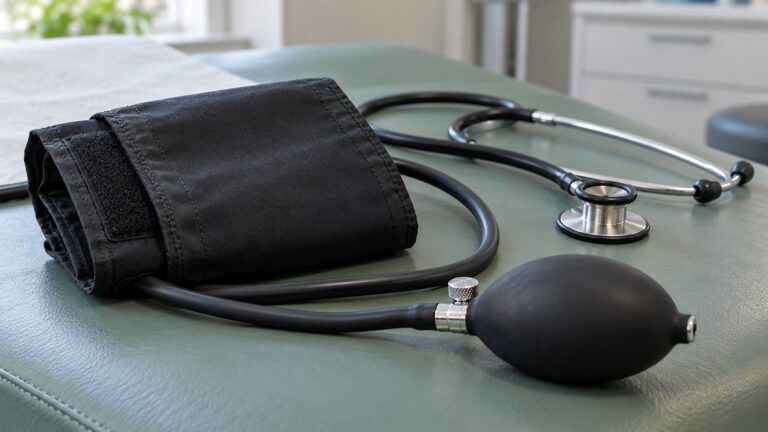
On November 23, 2026, ICMR released SAMPADA anaemia findings based on venous blood testing, drawing attention to how measurement methods and micronutrient evidence shape national estimates.
- SAMPADA 2023–25 provides nationally representative evidence across children, adolescents, adults, pregnant and lactating women, and older adults.
- The release reports anaemia prevalence of about 42% among children aged 12–59 months and 56% among women of reproductive age.
- The survey combines haemoglobin measurement with micronutrient and inflammation markers in a representative sub-sample, supporting investigation of possible causes.
- Method comparability affects whether differences between surveys can be interpreted as changes in population health.
- Cause-specific evidence helps public-health programmes address groups whose anaemia may arise through different nutritional and non-nutritional pathways.
UPSC Relevance
Prelims Relevance
- SAMPADA expands to Survey for Assessment of Markers of Population Health, Activity, Diet and Anthropometry.
- ICMR-NIN conducted the nationally representative cross-sectional survey.
- Haemoglobin measures the blood indicator used to classify anaemia.
- Serum ferritin helps assess iron status, with adjustment for inflammation.
- CRP and AGP are inflammatory biomarkers included in the survey.
Mains Relevance
GS Paper 2
- Use comparable survey methods to assess nutrition programmes.
- Connect diagnostic quality with targeted public-health services.
Essay
- The quality of measurement shapes the quality of public decisions.
Background and Context
What SAMPADA Measures
SAMPADA assesses anaemia and nutritional biomarkers across different stages of life, extending the evidence available for public-health planning.
- Anaemia classification depends on haemoglobin concentration and the applicable age, sex and physiological category. The factsheet uses WHO thresholds specific to these groups, so one universal cut-off cannot describe every participant.
- Cross-sectional evidence describes the population studied during the survey period. It provides estimates of prevalence, while a claim that a particular programme caused improvement requires a separate evaluation design and supporting evidence.
- Life-course coverage includes older adults alongside children, adolescents and women. This matters because a nutrition programme designed around pregnancy and childhood alone would leave substantial health needs in other groups unexamined.
- Sampling weights account for different chances of selection across survey stages. They help convert observations from sampled households into representative estimates, while the reported confidence intervals communicate uncertainty around those estimates.
- Severity categories show that mild anaemia forms a large share of the recorded burden. Its prevalence supports prevention and early identification, alongside appropriate attention to the smaller groups with more severe anaemia.
Why Blood Measurement Methods Matter
Venous blood testing with automated analysers changes the measurement basis on which the new prevalence estimates rest.
- Venous sampling collects blood from a vein for analysis. SAMPADA used automated analysers, while the factsheet identifies point-of-care devices as the approach used in previous national surveys, making methods central to comparison.
- Quality assurance covered collection, laboratory analysis and data management. Standard procedures, field supervision and central validation help reduce avoidable measurement errors before individual readings become national estimates used for planning health services.
- Comparability checks should examine blood collection, instruments, thresholds and population coverage before subtracting one survey estimate from another. A lower reported prevalence alone cannot establish the size of a directly comparable decline.
- Survey timing also matters. SAMPADA measurements were collected during 2023–25 and released in 2026, so the findings describe that collection period and should be distinguished from a real-time reading of current prevalence.
- Measurement validity is a recurring public-health issue. The discussion of energy measurement in a metabolic chamber illustrates why knowing what an instrument actually measures should precede interpreting its output.
What Iron and Inflammation Markers Add
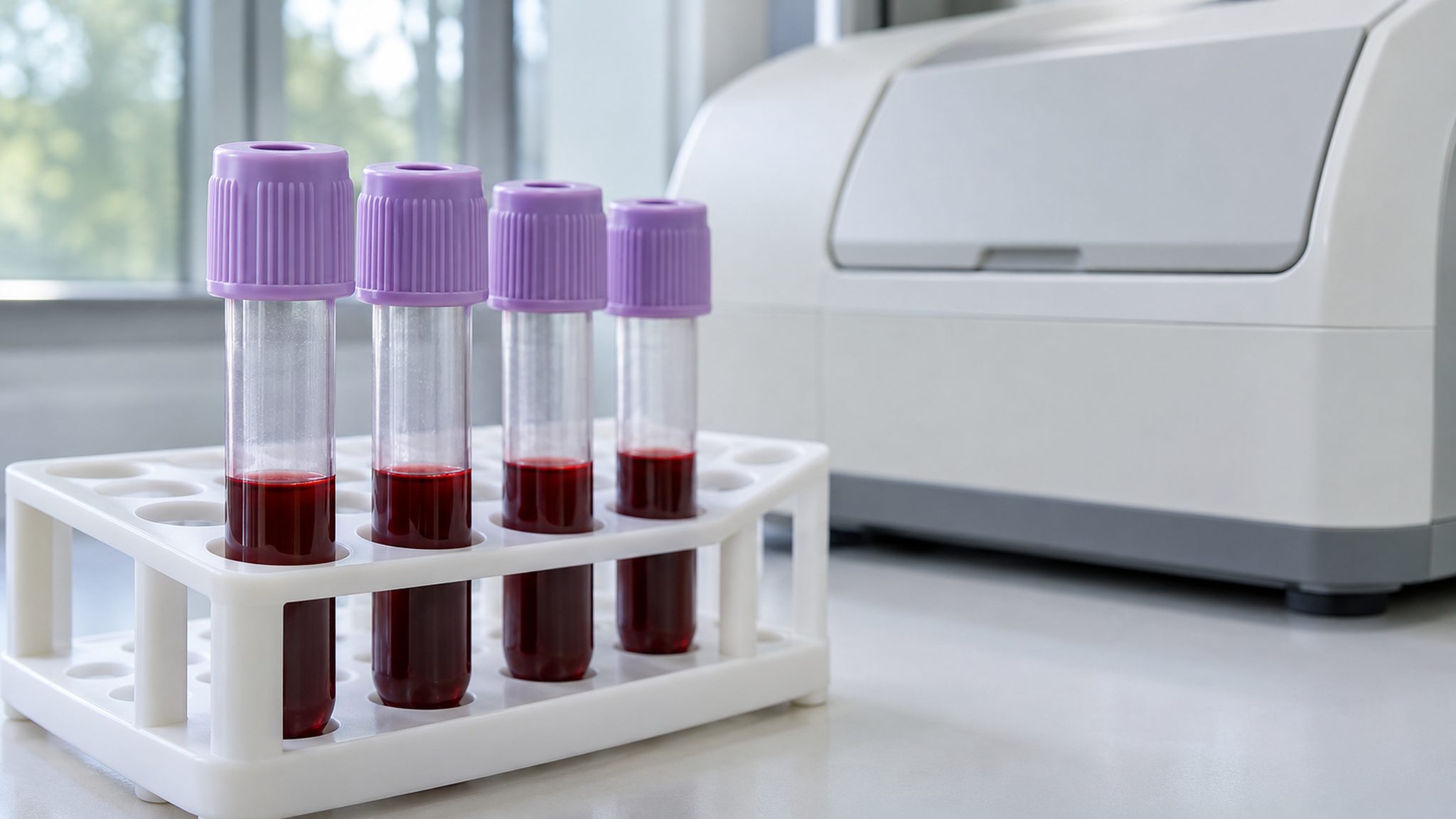
Haemoglobin identifies anaemia, while additional biomarkers help investigate the conditions accompanying it and guide further public-health research.
- Iron deficiency accounted for about half of anaemia cases among women, adolescent girls and children in the official release. This finding supports attention to both nutritional causes and other contributors across population groups.
- Ferritin interpretation must account for inflammation. SAMPADA adjusted serum ferritin using CRP and AGP measurements through the BRINDA approach, allowing the survey to estimate iron deficiency with this potential distortion addressed.
- Non-nutritional contributors identified in the release include infections, haemoglobin disorders and inflammation related to chronic disease. Their relevance explains why haemoglobin prevalence alone cannot specify the cause of every individual case of anaemia.
- Vitamin B12 and folate deficiencies appeared at similar frequencies in anaemic and non-anaemic groups. That population-level pattern should guide further investigation, without being treated as proof about the cause of an individual case.
- Diagnostic capacity determines whether more detailed evidence can support appropriate services. The WHO approach to matching tests with health-system capacity offers a related example of connecting testing quality with practical implementation.
Way Forward
Build Comparable and Actionable Evidence
- Publish methodological comparisons that explain differences in measurement, thresholds and population groups before drawing conclusions about trends.
- Use age-specific and cause-related findings to inform programme evaluation and identify where additional investigation is needed.
- Strengthen laboratory quality assurance and referral capacity so population evidence can support reliable health services.
Conclusion
- SAMPADA adds a stronger measurement basis and broader biological evidence to the national anaemia discussion. Its value lies in identifying population needs while making the limits of survey comparisons explicit.
- Public-health interpretation should connect haemoglobin, iron status and inflammation evidence with the population studied. The resulting analysis can guide targeted action without claiming that one national estimate explains every cause or proves programme impact.
UPSC Practice Questions
Prelims MCQ 1
With reference to the SAMPADA survey, consider the following statements:
- It used venous blood samples and automated analysers for haemoglobin estimation.
- Serum ferritin estimates were adjusted for inflammation.
- A lower prevalence than an earlier survey, by itself, proves the effect of a particular nutrition programme.
How many of the above statements are correct?
(a) Only one (b) Only two (c) All three (d) None
Answer: (b) Only two
Explanation:
The first two statements describe the official methodology. Programme impact requires appropriate evaluation and comparable evidence beyond a difference in reported prevalence.
Prelims MCQ 2
Which of the following best describes the role of CRP and AGP in SAMPADA?
(a) They are used as inflammatory biomarkers when interpreting iron-status evidence. (b) They replace haemoglobin in defining all anaemia cases. (c) They directly measure household food expenditure. (d) They identify the individual cause of every anaemia case.
Answer: (a) They are used as inflammatory biomarkers when interpreting iron-status evidence.
Explanation:
CRP and AGP provide inflammation information used in adjusting serum ferritin for the estimation of iron deficiency.
UPSC Mains Questions
- Explain why differences in measurement methods matter when comparing anaemia prevalence across national surveys.
- Discuss how biological markers beyond haemoglobin can improve the design of public-health responses to anaemia.
Sources: PIB, Ministry of Health and Family Welfare and ICMR-NIN SAMPADA Factsheet.
Frequently Asked Questions
What is SAMPADA?
SAMPADA is the Survey for Assessment of Markers of Population Health, Activity, Diet and Anthropometry. ICMR-NIN conducted it during 2023–25 to generate nationally representative evidence on nutrition and health across the life course.
Why does venous blood sampling matter?
SAMPADA measured haemoglobin in venous blood using automated analysers. Its factsheet identifies this approach as supporting accuracy and reproducibility, making the collection and analysis method important when comparing results with earlier surveys.
Does lower reported anaemia prove a comparable decline?
A lower estimate requires careful comparison of measurement methods, thresholds, population coverage and survey timing. The difference alone cannot establish the size of a comparable decline or attribute it to a particular programme.
Why did SAMPADA measure inflammation markers?
Inflammation can affect interpretation of ferritin, a marker used to assess iron status. SAMPADA used CRP and AGP information to adjust serum ferritin before estimating the prevalence of iron deficiency.
Tell Google you want more of this.
Add Anantam IAS as a preferred sourceOne tap, and this site shows up more often in your own Top Stories, AI Overviews and AI Mode. Remove it any time.