भारत का imported crude transport sector में बड़ी मात्रा में जलता है। यही वह sector है जहाँ emissions, air quality और current-account deficit एक ही सड़क पर मिलते हैं। भारत में green mobility इसी policy response का नाम है। इसे एक transition की तरह नहीं, बल्कि सात parallel transitions की तरह समझना ज़्यादा उपयोगी है। हर transition अलग vehicle class की अलग problem हल करती है।
इसे petrol और batteries के बीच एक race मानना सबसे आम analytical mistake है। City scooter, intercity bus और Delhi-to-Chennai truck का जवाब एक जैसा नहीं हो सकता।
Green mobility हासिल क्या करना चाहती है
छह objectives साथ-साथ चलते हैं, और ये हमेशा एक ही दिशा में नहीं जाते।
- Energy security: crude oil imports और उनके साथ आने वाले exposure को घटाना
- Climate action: भारत के nationally determined contributions और 2070 net-zero target के अनुरूप greenhouse gas emissions घटाना
- Clean air: शहरों में PM2.5, nitrogen oxides और sulphur oxides घटाना
- Farmer welfare: Biofuels के ज़रिए agricultural produce और residue की demand बनाना
- Industrial growth: batteries, electric vehicles और hydrogen में domestic industries खड़ी करना
- Circular economy: waste-to-fuel, bio-CNG और battery recycling
Tension तुरंत दिख जाती है। Ethanol farmer welfare और energy security में मदद करता है, लेकिन water security के ख़िलाफ़ जा सकता है। Batteries clean air में मदद करती हैं, लेकिन उनकी mineral supply chain imports पर निर्भर है। Policy को इन सभी छह objectives को एक साथ संभालना होगा।
सात pillars
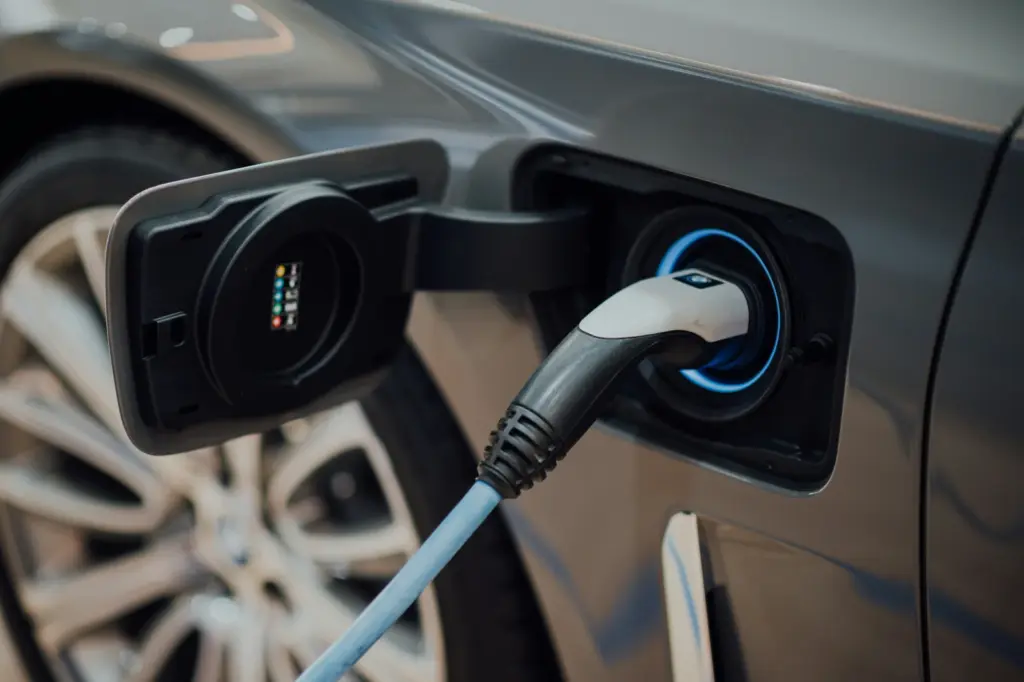
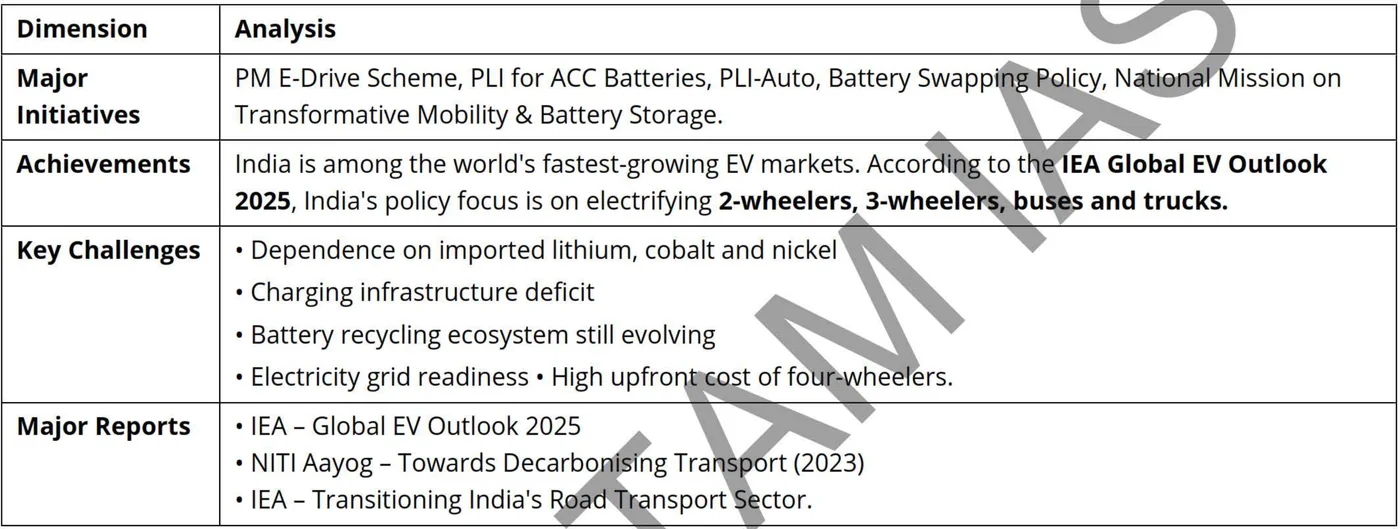
Electric mobility। यह flagship है। इसमें demand incentives के लिए PM E-DRIVE, advanced chemistry cell batteries और auto sector के लिए production-linked incentives, battery-swapping policy और National Mission on Transformative Mobility and Battery Storage शामिल हैं।
Ethanol blending। Petrol में ethanol मिलाना। यह early single-digit targets से बहुत आगे बढ़कर E20 की ओर जा रहा है।
Other biofuels। Non-edible feedstock से biodiesel और advanced fuels।
CNG और PNG। Compressed और piped natural gas, मुख्यतः urban fleets के लिए।
Bio-CNG या compressed biogas। SATAT, GOBARdhan, Waste-to-Wealth Mission और Swachh Bharat के ज़रिए इसे आगे बढ़ाया जा रहा है।
Heavy transport के लिए LNG। Long-haul trucking के लिए pragmatic bridge fuel।
Green hydrogen। National Green Hydrogen Mission, जिसका 2030 तक करीब 5 million metric tonnes सालाना production और लगभग 125 GW associated renewable capacity का target है।
Fuel को use case से मिलाइए
यह हिस्सा याद रखने लायक है, क्योंकि अच्छे answer का असली आधार यही है।
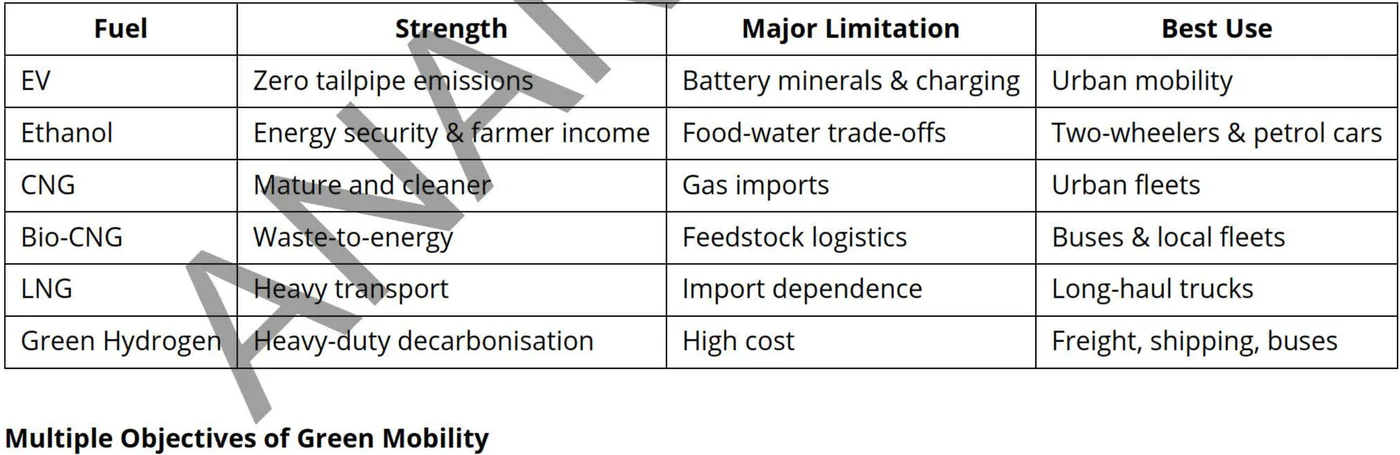
- Electric battery: Mineral supply और charging infrastructure इसकी सीमाएँ हैं। Urban mobility, ख़ासकर two और three wheelers के लिए सबसे अच्छी है।
- Ethanol: Food और water trade-offs इसकी सीमा हैं। Two wheelers और मौजूदा petrol car fleet के लिए सबसे उपयुक्त है।
- CNG: Gas imports पर निर्भरता इसकी सीमा है। Urban fleets के लिए सबसे अच्छी है।
- Bio-CNG: Feedstock logistics इसकी सीमा है। Buses और local fleets के लिए सबसे अच्छी है।
- LNG: Import dependence इसकी सीमा है। Long-haul trucks के लिए सबसे अच्छा है।
- Green hydrogen: Cost इसकी सीमा है। Freight, shipping और buses के लिए सबसे अच्छा है।
ध्यान दीजिए कि हर option के सामने import या resource constraint है। इनमें से कोई भी free transition नहीं है।
Electric mobility की वास्तविक स्थिति
भारत दुनिया के सबसे तेज़ी से बढ़ते electric vehicle markets में है। Policy focus private cars से ज़्यादा two wheelers, three wheelers, buses और trucks पर है। यह focus सही है: इन segments का utilisation सबसे ज़्यादा, payback सबसे कम और subsidy के हर रुपये पर air-quality benefit सबसे अधिक है।
Constraints लगातार एक जैसे हैं और अच्छी तरह documented हैं।
- Imported lithium, cobalt और nickel पर dependence
- Major corridors के बाहर charging infrastructure की कमी
- Battery recycling ecosystem अभी बन रहा है
- States के बीच grid readiness में बड़ा फर्क
- Equivalent petrol vehicle की तुलना में high upfront cost
Industrial policy पहले और आख़िरी constraint को address कर रही है। Adoption का फैसला दूसरा constraint करता है, और यह central government जितनी ही state तथा municipal problem भी है।
Green hydrogen: सही answer, लेकिन ज़्यादातर uses के लिए गलत timeline
Hydrogen वहाँ अपनी जगह बनाता है जहाँ batteries physically नहीं जा सकतीं: heavy trucks, buses, railways, shipping और long-distance freight। इसके फायदे वास्तविक हैं, batteries से ज़्यादा energy density और तेज़ refuelling।
Obstacles भी उतने ही वास्तविक हैं: high production cost, महँगे electrolysers, लगभग न के बराबर refuelling infrastructure, storage और transport की मुश्किल, और अभी बन रहे safety regulations। Hydrogen को car fleet का near-term substitute मानना category error है। Freight और shipping के decarbonisation route के रूप में देखना सही है।
Compressed biogas: कम आंका गया pillar
Bio-CNG को जितना ध्यान मिलता है, उससे ज़्यादा मिलना चाहिए, क्योंकि एक plant से तीन problems हल होती हैं। Feedstock agricultural residue, cattle dung, municipal solid waste, sewage sludge और food waste है। Output imported fuel की जगह लेता है, process सड़ते waste से methane emissions घटाता है और collection system farmers को उस residue का market देता है जिसे वे वरना जला देते।
इसकी समस्याएँ technical से ज़्यादा logistical हैं: feedstock को एक जगह जुटाना, collection economics, plant viability, marketing infrastructure और long-term purchase agreements की कमी।
Ethanol trade-off को ईमानदारी से समझिए
Ethanol blending सबसे advanced pillar है और सबसे ज़्यादा contested भी।
- Food versus fuel: Edible biomass से बनने वाला first-generation ethanol food security, food inflation और public distribution availability को प्रभावित कर सकता है। इसी कारण Food Corporation of India stocks के rice को fuel में divert करने पर कई बार restrictions लगाई गई हैं।
- Water: Sugarcane पर heavy dependence पहले से stressed basins में groundwater extraction और monoculture बढ़ाती है।
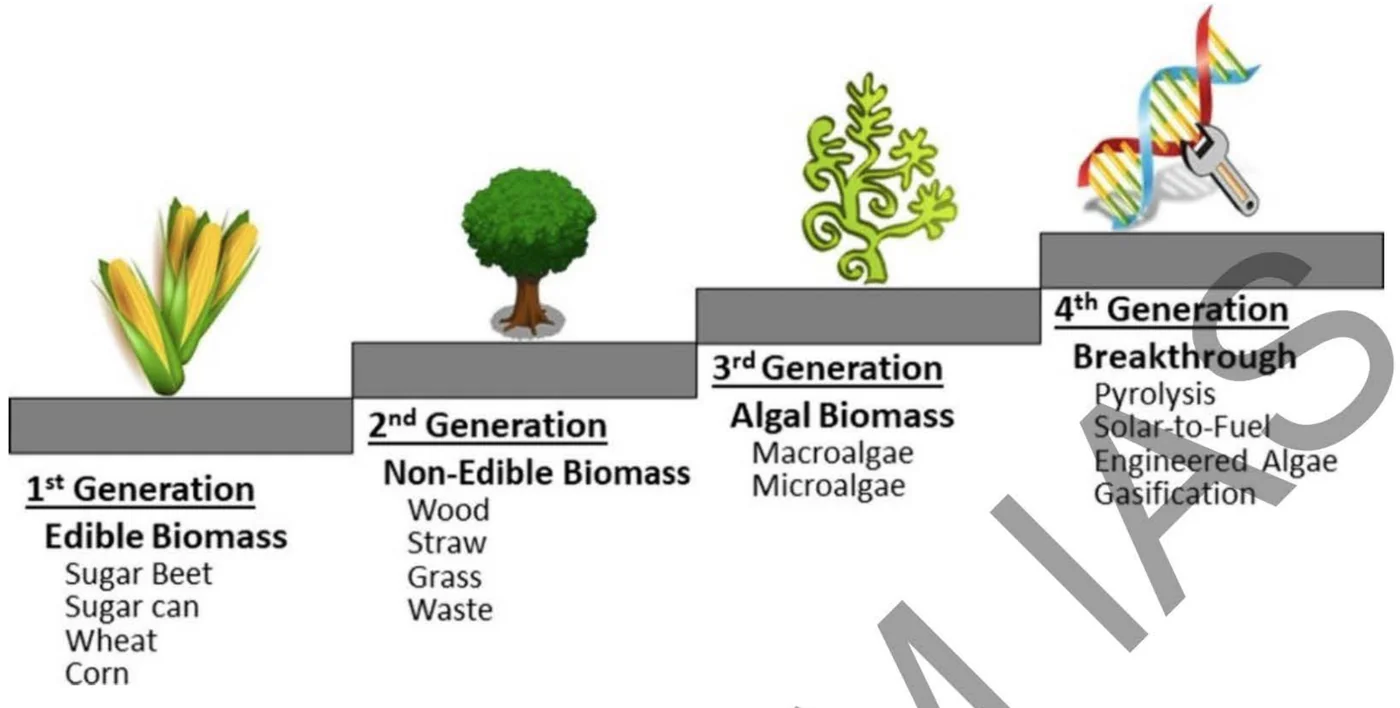
- Cost: Straw और grass से बनने वाला second-generation ethanol food trade-off से बचता है, लेकिन अभी महँगा है।
- Compatibility: पुराने vehicles E20 के लिए पूरी तरह suited नहीं हैं।
दिशा feedstock diversification की होनी चाहिए: edible biomass से agricultural residue और आगे चलकर algal biomass की ओर। अगर sugarcane पर ही टिके रहे, तो energy policy groundwater policy बन जाएगी, और यह अच्छी बात नहीं होगी।
आगे का रास्ता
- आगे की purchase subsidies देने से पहले charging density और grid readiness ठीक कीजिए।
- Ethanol feedstock को decisively second-generation residue की ओर shift कीजिए।
- Hydrogen को freight और shipping programme मानिए, car programme नहीं।
- Compressed biogas plants को long-term offtake agreements दीजिए। अभी उनके पास यही नहीं है।
- Bus fleet electrification को priority दीजिए, क्योंकि हर रुपये से यहीं सबसे ज़्यादा emissions और local pollution हटता है।
Green mobility तभी काम करती है जब हर fuel को उसकी physics और economics के हिसाब से सही जगह रखा जाए। जब एक technology से पूरी transition उठाने को कहा जाता है, तो policy fail होती है।
सामान्य प्रश्न
Green mobility क्या है?
Green mobility imported fossil fuels से transport को electricity, biofuels, gaseous fuels और hydrogen की ओर ले जाने की प्रक्रिया है। इसमें private vehicles से electrified public transport की ओर बदलाव भी शामिल है। इसके चार साथ-साथ लक्ष्य हैं: energy security, climate targets, urban air quality और farm incomes।
भारत में green mobility के मुख्य pillars कौन-से हैं?
Electric mobility, ethanol blending, other biofuels, CNG और PNG, bio-CNG या compressed biogas, heavy transport के लिए LNG, green hydrogen और public transport का electrification।
कौन-सा fuel किस segment के लिए उपयुक्त है?
Batteries urban mobility, ख़ासकर two और three wheelers के लिए suited हैं। Ethanol two wheelers और मौजूदा petrol cars के लिए, CNG urban fleets के लिए, bio-CNG buses तथा local fleets के लिए, LNG long-haul trucking के लिए और green hydrogen freight, shipping तथा buses के लिए suited है, जहाँ batteries बहुत भारी हो जाती हैं।
PM E-DRIVE scheme क्या है?
यह electric vehicles के लिए successor demand-incentive scheme है। इसका focus electric two wheelers, three wheelers, buses, trucks और charging infrastructure पर है। यह advanced chemistry cell batteries और auto sector की production-linked incentive schemes के साथ काम करती है।
National Green Hydrogen Mission का target क्या है?
2023 में launch हुई इस Mission का 2030 तक करीब 5 million metric tonnes सालाना green hydrogen production और लगभग 125 GW associated renewable capacity का target है। इससे investment और jobs बढ़ने तथा carbon dioxide emissions बचने की उम्मीद है।
SATAT क्या है?
Sustainable Alternative Towards Affordable Transportation वह scheme है जो agricultural residues, cattle dung, municipal solid waste, sewage sludge और food waste से compressed biogas को बढ़ावा देती है। एक ही plant stubble burning, waste management और fuel imports, तीनों problems को address कर सकता है।
Ethanol blending में food versus fuel debate क्या है?
First-generation ethanol sugarcane, corn और grain जैसी edible biomass से बनता है। इन्हें fuel में divert करने से food security, food inflation और public distribution availability प्रभावित हो सकती है। इसी वजह से Food Corporation of India stocks के rice को divert करने पर कभी-कभी restrictions लगती हैं। Sugarcane dependence groundwater और monoculture की चिंता भी बढ़ाती है।
भारत में EVs के लिए charging infrastructure binding constraint क्यों है?
Vehicle cost घट रही है और models बढ़ रहे हैं, लेकिन range confidence predictable charging पर निर्भर करती है। Major corridors और cities के बाहर charger density कम है, grid readiness state-to-state बदलती है और apartment parking में home charging की सुविधा कम मिलती है। यह ठीक होने तक adoption short-range urban segments में ही केंद्रित रहेगा।
अभ्यास प्रश्न
प्रीलिम्स MCQ
- भारत के green mobility framework में long-haul heavy trucking के लिए कौन-सा fuel सबसे उपयुक्त माना जाता है?
(a) Battery electric
(b) Ethanol
(c) LNG
(d) Piped natural gas
उत्तर: (c) Long-haul trucks के लिए LNG चुना गया है, क्योंकि battery weight और charging time सीमाएँ हैं। इसकी मुख्य constraint import dependence है। - National Green Hydrogen Mission के बारे में निम्नलिखित पर विचार कीजिए। 1. इसे 2023 में launch किया गया। 2. इसका 2030 तक सालाना 5 MMT green hydrogen production का target है। 3. इसका मुख्य उद्देश्य passenger cars हैं। इनमें से कौन-से statements सही हैं?
(a) केवल 1 और 2
(b) केवल 2 और 3
(c) केवल 1 और 3
(d) 1, 2 और 3
उत्तर: (a) Green hydrogen का लक्ष्य trucks, buses, rail और shipping जैसे hard-to-abate segments हैं, passenger cars नहीं। इसलिए statement 3 गलत है। - SATAT निम्नलिखित में से किससे जुड़ा है?
(a) Solar rooftop installation
(b) Compressed biogas production
(c) Electric bus procurement
(d) Ethanol import substitution
उत्तर: (b) SATAT agricultural residue, cattle dung, municipal waste और sewage sludge से compressed biogas को बढ़ावा देता है। - Second-generation ethanol, first-generation ethanol से मुख्य रूप से इसलिए अलग है क्योंकि इसमें क्या इस्तेमाल होता है?
(a) Sugarcane और corn
(b) Agricultural residue और non-edible biomass
(c) Algal biomass
(d) Imported molasses
उत्तर: (b) Second-generation ethanol straw, grass और दूसरे lignocellulosic residue से बनता है। इससे food versus fuel trade-off घटता है, लेकिन production cost ज़्यादा रहती है। - निम्नलिखित में से कौन-सी बात green mobility के stated objectives में शामिल नहीं है?
(a) Crude oil imports घटाना
(b) PM2.5 और NOx emissions घटाना
(c) Agricultural produce के लिए नए markets बनाना
(d) Per capita private car ownership बढ़ाना
उत्तर: (d) Green mobility बढ़ती private vehicle ownership के बजाय electrified public transport को प्राथमिकता देती है।
मुख्य परीक्षा प्रश्न
- Green mobility एक single technology नहीं, portfolio है। Transport segments में electricity, biofuels और hydrogen का allocation भारत को कैसे करना चाहिए? अपने allocation का कारण दीजिए। (250 शब्द)
- Ethanol blending programme food और water security की संभावित कीमत पर energy security देता है। आलोचनात्मक जाँच कीजिए। (250 शब्द)
- भारत में electric mobility की binding constraint vehicle cost नहीं, charging infrastructure है। चर्चा कीजिए। (150 शब्द)
- Compressed biogas एक साथ waste management, farm income और fuel imports की समस्या address करता है। भारत में इसकी scalability का मूल्यांकन कीजिए। (150 शब्द)
- Private electric vehicle subsidies के बजाय public transport electrification को priority देने के पक्ष का आकलन कीजिए। (250 शब्द)