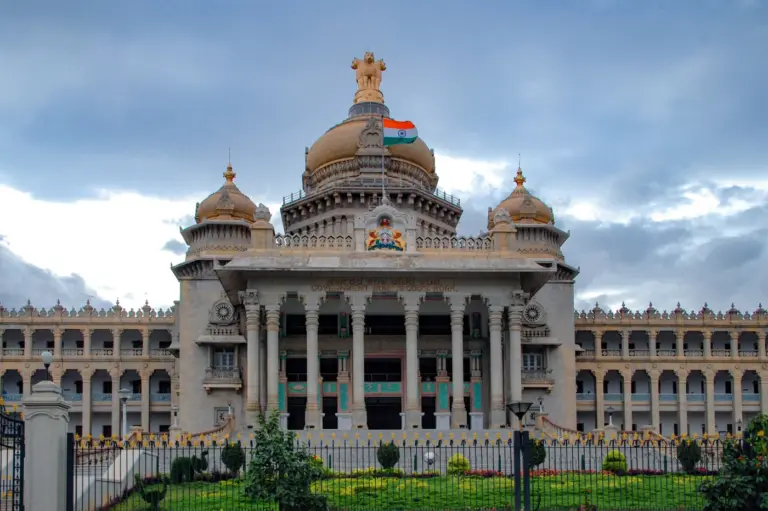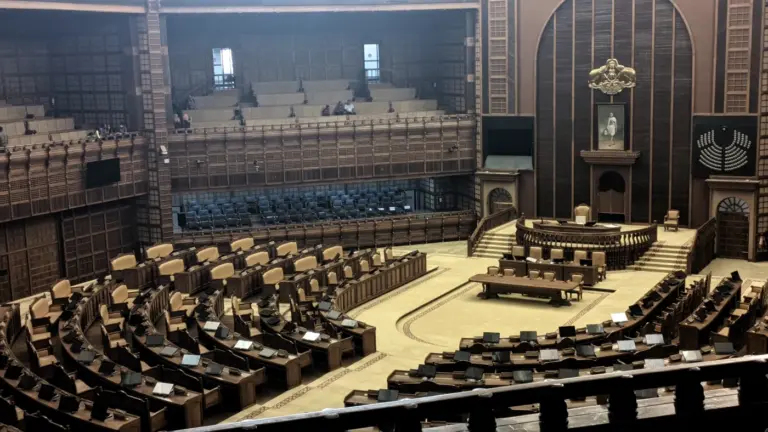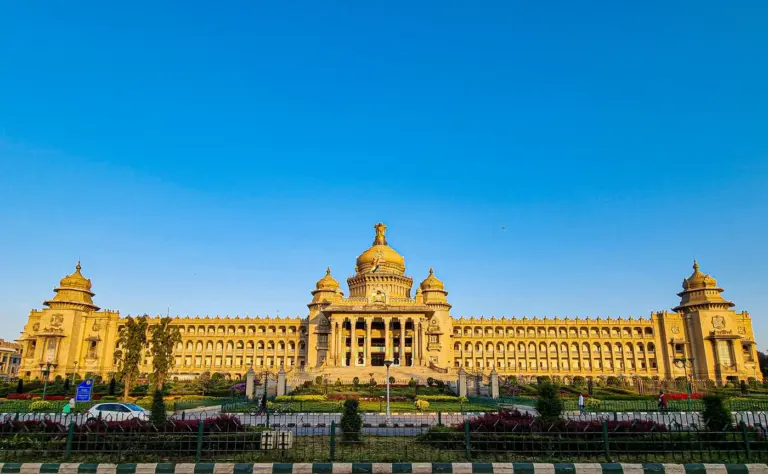
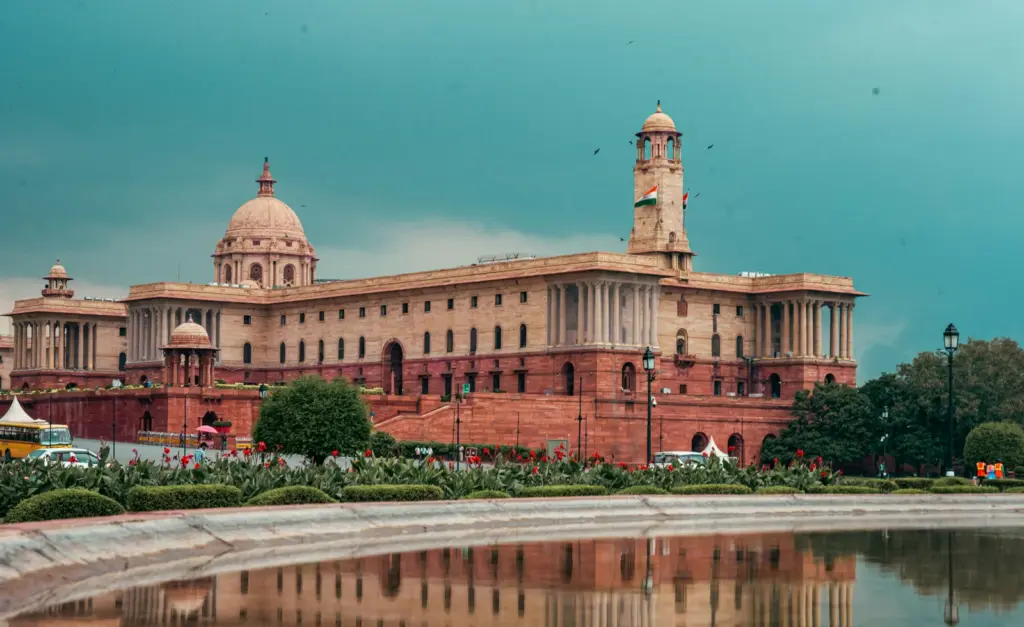
India had 14 states in 1947 and has 28 today. Each round of reorganisation, in 1956, in 2000 and in 2014, was justified by the same proposition: smaller units govern better. The large state vs small state debate turns on whether the record supports it, and the honest answer is that it supports it in some cases and refutes it in others, for reasons that are not about size at all.
| Milestone | Outcome |
|---|---|
| 1947 | 14 states at Independence |
| States Reorganisation Act 1956 | 14 states and 6 union territories, on linguistic lines |
| 2000 | Chhattisgarh, Uttarakhand and Jharkhand created |
| 2014 | Telangana created |
| Today | 28 states and 8 union territories |
The Case For Smaller States
Resolving internal colonisation. The Telangana movement documented that Andhra-dominated governments systematically diverted Krishna-Godavari irrigation water, government jobs and educational institutions away from Telangana districts. Fifty-seven years of administrative reform inside united Andhra Pradesh had not corrected it. Statehood under Article 3 did what no internal remedy had.
Security and localised administration. Chhattisgarh was created partly to enable tribal-sensitive counter-insurgency governance that could not be run from Bhopal. Bastar-specific machinery, including District Reserve Guards and forest rights implementation, would have been bureaucratically invisible inside the larger Madhya Pradesh apparatus.
Neglected geographies. Kumaon and Garhwal had distinct needs, road connectivity, horticulture, tourism and glacier-dependent water, that the plains-oriented Uttar Pradesh administration deprioritised. Uttarakhand enabled a hill-specific agenda, and rural road connectivity in hill districts improved measurably in the decade after 2000.
Democratic proximity. Smaller states shorten the distance, physical and administrative, between citizen and state. Rajasthan’s roughly 342,000 square kilometres exceeds Germany’s area, which makes the case that governing it from a single capital with limited devolution is structurally difficult.
The Case Against
Size does not produce competence. Manipur is small and faces chronic ethnic violence, institutional weakness and parallel governance by armed groups. Gujarat and Tamil Nadu are large and consistently outperform smaller states on human development and ease of doing business.
Size does not produce development. Development needs resources, planning capacity and institutional continuity. Jharkhand, created specifically to accelerate tribal development in mineral-rich territory, had eight chief ministers in its first five years. A small state with unstable politics and captured institutions performs worse than a large stable one.
Bifurcation manufactures new disputes. Every division creates fresh conflict over water, boundaries and asset sharing. Andhra Pradesh and Telangana remain unresolved on Krishna-Godavari sharing a decade on, and the ten-year shared-capital arrangement for Hyderabad produced continuous friction.
Fiscal viability. Vidarbha’s cotton-dependent, drought-prone economy lacks the revenue base to sustain an independent state, and separation would remove the cross-subsidy it currently receives from the wider Maharashtra pool.
What the Record Actually Shows
Set the successes against the failures and a pattern emerges that has nothing to do with square kilometres.
Telangana, Chhattisgarh and Uttarakhand worked where the grievance was specific and documented: diverted water, a distinct terrain, an ungovernable insurgency. Jharkhand underperformed because the new state inherited unstable politics and extractive institutions, and a smaller boundary did not change either.
So size is not the operative variable. Institutional quality and political stability are, and reorganisation only helps when the existing boundary is itself the obstacle. Where the problem is capture, corruption or instability, a new boundary relocates the problem rather than solving it.
That reframing also answers the practical question. The test for a new state should not be whether the region is distinct, since every region is. It should be whether the specific governance failure is caused by the boundary.
The Way Forward
- Apply explicit criteria under Article 3: documented governance deprivation, fiscal viability, administrative capacity and a settled plan for asset and water sharing.
- Settle river-water and asset arrangements before bifurcation, not after, since post-facto negotiation has failed consistently.
- Exhaust intra-state devolution first, including regional development boards under Article 371-type provisions, which can address neglect without redrawing maps.
- Assess fiscal viability independently, through a Finance Commission-linked evaluation rather than a political one.
- Strengthen district administration, since much of what smaller statehood promises is really a demand for closer government, and that can be delivered without a new capital.
The honest conclusion is unfashionable in both camps. Smaller states are neither a solution nor a mistake. They are a remedy for one specific defect, a boundary that itself causes the neglect, and no remedy at all for the defects that most often prompt the demand.
Frequently Asked Questions
How has the number of Indian states changed since Independence?
India had 14 states at Independence in 1947. The States Reorganisation Act 1956 created 14 states and 6 union territories on linguistic lines. Chhattisgarh, Uttarakhand and Jharkhand were carved out in 2000, and Telangana in 2014. India now has 28 states and 8 union territories.
What is the strongest argument for smaller states?
Resolution of internal colonisation. The Telangana movement documented that Andhra-dominated governments systematically diverted Krishna-Godavari irrigation water, government jobs and educational institutions away from Telangana districts. Fifty-seven years of administrative reform within united Andhra Pradesh had not corrected it; creation of a separate state under Article 3 did.
How did smaller states help with security and administration?
Chhattisgarh, created in 2000, enabled localised, tribal-sensitive counter-insurgency governance that was impractical from Bhopal, including Bastar-specific machinery such as District Reserve Guards and forest rights implementation. Uttarakhand allowed a hill-specific agenda on road connectivity, horticulture, tourism and glacier-dependent water that the plains-oriented Uttar Pradesh administration had deprioritised.
What is the counter-argument on governance?
That size does not determine governance quality. Manipur is small yet faces chronic ethnic violence, institutional weakness and parallel governance by armed groups. Gujarat and Tamil Nadu are large and consistently outperform smaller states on human development and ease of doing business. Institutional quality, not geography, drives outcomes.
What does the Jharkhand experience show?
Jharkhand was created to accelerate tribal development in mineral-rich territory, and had eight chief ministers in its first five years between 2000 and 2005. Political instability produced governance paralysis rather than efficiency, which shows that a small state with captured institutions performs worse than a large state with a functioning bureaucracy.
What new problems does bifurcation create?
Disputes over water, boundaries and asset sharing that consume political capital for decades. Andhra Pradesh and Telangana water sharing on the Krishna and Godavari remains unresolved a decade after bifurcation, and the shared-capital arrangement for Hyderabad produced continuous institutional friction.
What is the economic viability objection?
That a region may lack the fiscal base to sustain an independent state government. Vidarbha in eastern Maharashtra has long demanded separation, but its cotton-dependent, drought-prone economy would lose access to the wider Maharashtra revenue pool that currently cross-subsidises it.
What is the democratic legitimacy argument for smaller states?
That smaller states reduce the physical and administrative distance between citizen and government, strengthening accountability. Rajasthan’s area of about 342,000 square kilometres exceeds Germany’s, which illustrates the difficulty of governing such a territory from a single capital with limited devolution.
Practice Questions
Prelims MCQs
- The States Reorganisation Act 1956 reorganised states primarily on
(a) Administrative convenience
(b) Linguistic lines
(c) Economic viability
(d) Tribal identity
Answer: (b) The 1956 Act reorganised states on linguistic lines, creating 14 states and 6 union territories. - Chhattisgarh, Uttarakhand and Jharkhand were created in
(a) 1996
(b) 2000
(c) 2005
(d) 2014
Answer: (b) All three were carved out in 2000; Telangana followed in 2014. - Jharkhand had how many chief ministers in its first five years?
(a) Two
(b) Four
(c) Six
(d) Eight
Answer: (d) Eight chief ministers between 2000 and 2005, producing governance paralysis rather than efficiency. - The Telangana movement's principal grievance was
(a) Linguistic distinctiveness
(b) Documented diversion of irrigation water, jobs and institutions
(c) Religious difference
(d) Border disputes
Answer: (b) It was a governance-equity grievance rather than an ethnic or linguistic one. - The economic objection to a separate Vidarbha rests on
(a) Its linguistic similarity to Maharashtra
(b) Its cotton-dependent, drought-prone economy lacking a fiscal base
(c) Its small population
(d) Absence of a historical identity
Answer: (b) Separation would remove access to the wider Maharashtra revenue pool that currently cross-subsidises the region.
Mains Questions
- Smaller states govern better is an assertion the Indian record only partly supports. Critically examine. (250 words)
- Every bifurcation resolves one governance problem and creates several new ones. Discuss with examples. (250 words)
- Evaluate the criteria that should govern the creation of new states under Article 3. (250 words)
- Institutional quality rather than territorial size determines governance outcomes. Discuss. (150 words)
- Discuss the fiscal viability considerations in demands for new states. (150 words)
Tell Google you want more of this.
Add Anantam IAS as a preferred sourceOne tap, and this site shows up more often in your own Top Stories, AI Overviews and AI Mode. Remove it any time.