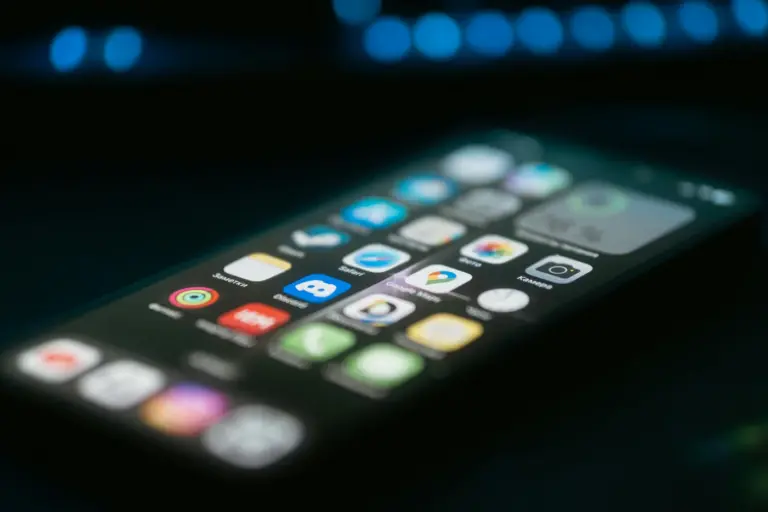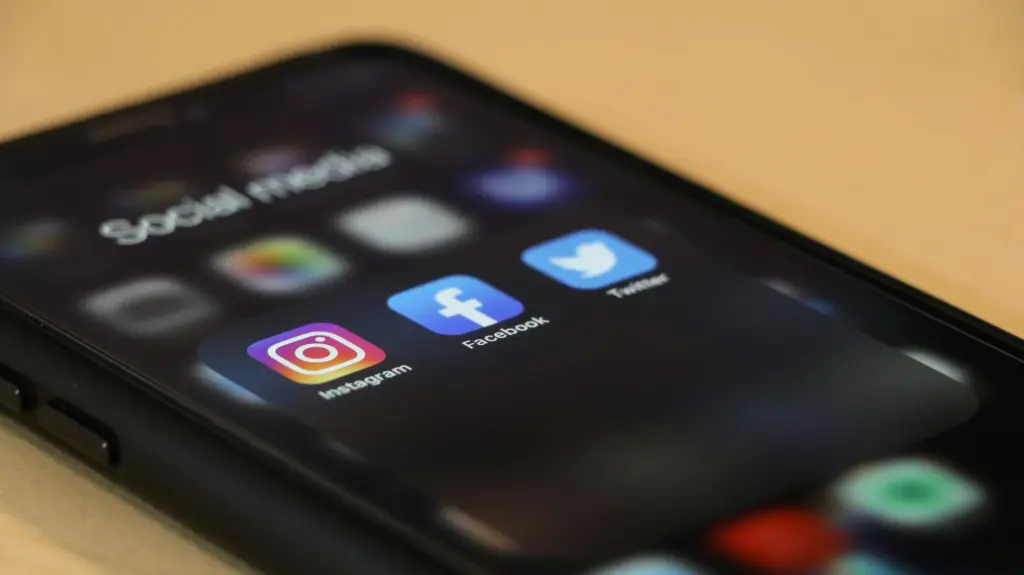
India has roughly 970 million eligible voters and about 750 million active internet users. It has more WhatsApp users, about 535 million, than most countries have people. That coincidence, the world’s largest democracy and the world’s largest social media market occupying the same territory, is what makes social media governance in India a problem without a comparable precedent anywhere.
Whatever India settles on will shape how large democracies elsewhere approach the same question, because no other country is running the experiment at this scale.
What Social Media Does For Democracy
Democratising political communication. Parties, candidates and citizens communicate directly with voters, bypassing the editors, proprietors and broadcast licences that historically controlled political information.
Amplifying marginalised voices. #MeToo India in 2018 allowed women to name harassers publicly in professions where formal complaint mechanisms had failed, producing resignations, institutional investigations, and enforcement of the POSH Act that had lain largely dormant since Vishaka in 1997. Mobile video has enabled real-time documentation of caste violence, with the Una flogging of 2016 and the Hathras case of 2020 becoming national political issues within hours of incidents that local power structures would once have buried.
Citizen journalism and accountability. Smartphone documentation of police action, demolitions and welfare failures creates evidence that official channels deny and that professional journalists under legal pressure often cannot publish. The Manipur video of May 2023 is the standard example.
Government outreach. MyGov, CoWIN and UMANG show the state using the same channels effectively. Social media campaigns reached vaccine-hesitant rural populations better than traditional government communication, which demonstrates that the platform amplifying misinformation can, with official credibility, also counter it.
A new public sphere. A digital space where private citizens reason publicly about political matters, available to anyone with a smartphone rather than to the property-owning literate men of the eighteenth-century coffee house. The anti-corruption movement of 2011 and subsequent labour mobilisations show the form in action.
What Social Media Does To Democracy
Misinformation, deepfakes and the epistemic crisis. This is the most acute threat. The 2024 general election saw an unprecedented disinformation wave: deepfake videos of senior political figures circulated widely, false videos accusing individuals of contaminating food and water triggered mob attacks, and political parties themselves used deepfakes for multilingual campaigning.
That last point deserves emphasis. When parties adopt synthetic media as a campaign tool, the distinction between disinformation and legitimate outreach stops being obvious, and the regulatory question stops being simply about bad actors.
The linguistic problem. India has 22 scheduled languages and hundreds of dialects. Platform moderation capacity is concentrated in English. Misinformation therefore spreads fastest precisely where detection is weakest, which is a structural rather than a resourcing problem.
Mob violence. WhatsApp-driven lynchings demonstrated that closed encrypted groups can produce lethal coordination that neither platforms nor police can see in advance.
Polarisation and algorithmic amplification. Engagement-optimised feeds reward conflict, because conflict holds attention. The result is not that platforms take political sides but that they systematically favour whatever is most divisive.
The Governance Dilemma
The difficulty is that every effective remedy carries a speech cost.
Strong intermediary liability makes platforms remove content quickly, and platforms facing liability over-remove rather than adjudicate. Rapid takedown powers protect against viral harm and become instruments against inconvenient speech. Traceability requirements help identify originators of dangerous content and weaken the encryption that protects journalists and dissenters.
There is no configuration of rules that maximises both safety and speech. Any honest position on social media governance is a choice about which error to prefer, and it should be argued as such rather than presented as costless.
What a Defensible Framework Looks Like
- Transparency over takedown. Mandatory disclosure of algorithmic amplification, political advertising spend and moderation outcomes gives regulators and researchers leverage without giving anyone a censorship instrument.
- Provenance standards for synthetic media. Labelling and cryptographic provenance for generated content, applied to political advertising first.
- Regional-language capacity. Moderation and fact-checking investment proportionate to actual user distribution, not to English-language convenience.
- Due process in intermediary rules. Reasoned orders, defined timelines and an appeal route, so removal is reviewable.
- Digital literacy at scale, which is slow, unglamorous and the only intervention that addresses demand rather than supply.
The Reframe
Social media did not create India’s misinformation problem, its polarisation or its mob violence. It lowered the cost of all three to near zero and raised their speed to instantaneous.
That means the useful policy target is not content. It is velocity and amplification: the mechanisms that decide what spreads, how fast, and to whom. Regulating what people say is both harder and less effective than regulating what the system chooses to promote.
Frequently Asked Questions
How large is India’s social media ecosystem?
As of 2024, about 535 million WhatsApp users, 467 million YouTube users and 362 million Instagram users, against roughly 750 million active internet users and 970 million eligible voters. India is at once the world’s largest democracy and the world’s largest social media market.
How has social media benefited Indian democracy?
It has democratised political communication by bypassing traditional gatekeepers, amplified marginalised voices, enabled citizen journalism and accountability, supported government outreach and welfare delivery, and created a digital public sphere available to anyone with a smartphone rather than to a narrow elite.
What examples show amplification of marginalised voices?
The #MeToo India movement of 2018 allowed women to name harassers publicly where formal complaint mechanisms had failed, triggering resignations, institutional investigations and enforcement of the POSH Act that had been dormant since Vishaka in 1997. Mobile video documentation of caste violence, as in the Una flogging of 2016 and the Hathras case of 2020, turned incidents that local power structures would once have suppressed into national issues within hours.
What is the biggest challenge social media poses to democracy?
Misinformation, deepfakes and the resulting epistemic crisis. The 2024 general election saw deepfake videos of political leaders circulate widely, false videos accusing individuals of contaminating food and water triggered mob attacks, and political parties themselves used deepfakes for multilingual campaigning.
Why is misinformation particularly hard to govern in India?
Because of linguistic scale. India has 22 scheduled languages and hundreds of dialects, and content moderation capacity in regional languages is far weaker than in English. Misinformation therefore spreads fastest exactly where detection is weakest.
What is the role of citizen journalism?
Citizen journalists using smartphones have documented police action, demolitions and welfare scheme failures, creating evidence that official channels deny and that professional journalists operating under legal pressure often cannot publish. The Manipur video of May 2023 is a widely cited instance.
How has government used social media positively?
Through MyGov, CoWIN and the UMANG app, and through direct communication campaigns that reached vaccine-hesitant rural populations more effectively than traditional government communication. The same platform that amplifies misinformation can, with official credibility, also counter it.
What governance approaches are available?
Intermediary liability rules with due-process safeguards, transparency obligations on algorithmic amplification and political advertising, mandatory labelling and provenance standards for synthetic media, investment in regional-language moderation and fact-checking, and digital literacy at scale. Each has costs, and blunt takedown powers create their own risk to speech.
Practice Questions
Prelims MCQs
- As of 2024, approximately how many WhatsApp users were there in India?
(a) 235 million
(b) 362 million
(c) 467 million
(d) 535 million
Answer: (d) About 535 million on WhatsApp, ahead of YouTube at about 467 million and Instagram at about 362 million. - The #MeToo India movement of 2018 is significant in constitutional terms because it
(a) Led to a new fundamental right
(b) Triggered enforcement of the POSH Act that had been dormant since Vishaka
(c) Resulted in a constitutional amendment
(d) Established the collegium system
Answer: (b) Public naming through social media produced institutional action under a law that had existed but was not being enforced. - The Vishaka guidelines of 1997 were eventually codified in
(a) The Criminal Law Amendment Act 2013
(b) The POSH Act 2013
(c) The IT Rules 2021
(d) The Bharatiya Nyaya Sanhita
Answer: (b) The Sexual Harassment of Women at Workplace Act of 2013 gave statutory form to the Vishaka guidelines. - Why does India's linguistic diversity complicate content moderation?
(a) Because regional languages are not used online
(b) Because moderation capacity in 22 scheduled languages and hundreds of dialects is far weaker than in English
(c) Because regional content is not political
(d) Because platforms are banned in some states
Answer: (b) Detection and moderation capability is concentrated in English, while misinformation spreads in regional languages. - MyGov and CoWIN are cited as examples of
(a) Misinformation platforms
(b) Government outreach and e-governance through digital channels
(c) Private social media ventures
(d) Content moderation systems
Answer: (b) Both are official digital platforms used for citizen engagement and service delivery.
Mains Questions
- India is the world's largest democracy and the world's largest social media market. Examine the implications of this coincidence for democratic governance. (250 words)
- Social media has amplified marginalised voices and simultaneously enabled mob violence. Critically examine this duality. (250 words)
- Deepfakes pose a distinct challenge to electoral integrity. Discuss the regulatory options and their trade-offs. (250 words)
- Content moderation in a multilingual democracy raises problems that English-centric approaches cannot solve. Discuss. (150 words)
- Evaluate intermediary liability as an instrument of social media governance in India. (150 words)
Tell Google you want more of this.
Add Anantam IAS as a preferred sourceOne tap, and this site shows up more often in your own Top Stories, AI Overviews and AI Mode. Remove it any time.