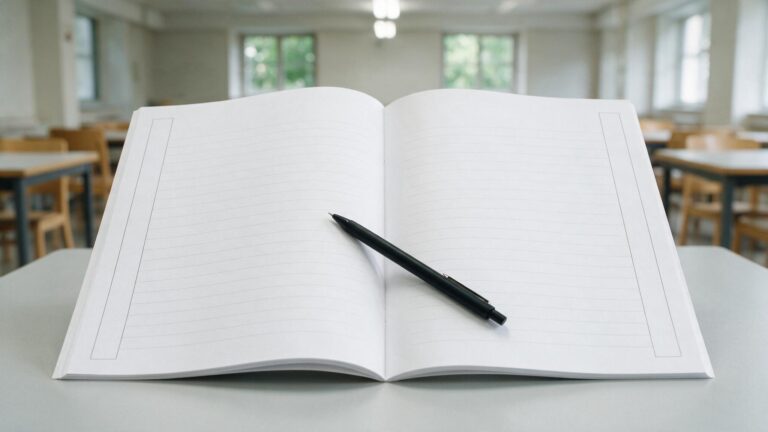
UPSC Answer Writing Copy: Sheet Layout, Margins and How Evaluators Read It
Your answer is read in about ninety seconds by someone on their fortieth copy of the day. Almost everything about layout follows from that…

Category
Everything published under Study Notes on Anantam IAS, newest first.
3454 articles
Your answer is read in about ninety seconds by someone on their fortieth copy of the day. Almost everything about layout follows from that…

A current affairs file that grows all year is a file nobody revises. The fix is a fixed number of theme entries that get…
Geography is the subject where written notes help least. The largest block of questions is locational — and you cannot answer a map question…

The compression that made a topper's notes valuable happened inside their head. What you download is the residue — and the parts they compressed…

Most aspirants spend two hours on the newspaper and produce notes they never reopen. The fix is not reading faster — it is noting…

Writing by hand genuinely aids retention. It is also the slowest way to process information, and most aspirants use it on exactly the material…
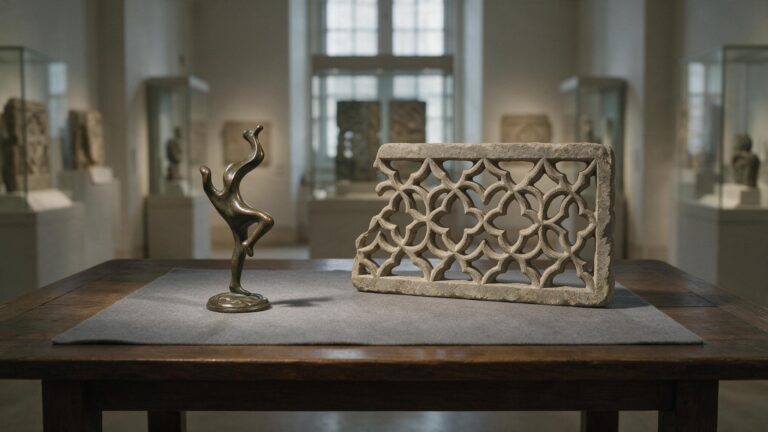
Art and culture is asked more in GS-1 than modern history is — 38 questions against 32. It is also where ancient India actually…
In GS-3, agriculture is asked more than twice as often as public finance and banking. Here is how the paper's 115 economy questions actually…
Modern history is 11.9% of GS-1 and asked as interpretation, not narrative. Here is what those 32 questions want, and how they differ from…
Governance is asked three times a year in GS-2 with unusual consistency. Here is what those 39 questions actually cover, and the frames that…
Constitution, Parliament, judiciary, bodies and the executive together make 41.5% of GS-2. Here is how those 110 questions distribute, and what they reward.
GS-1 is a geography paper that most aspirants prepare as a history paper. Geography is 31.9% of it; history in all forms is 20.4%.