3 current affairs published on Thursday, 20 November 2025
20 November 2025 Current Affairs for UPSC — every
Why-in-News article AnantamIAS published on Thursday, 20 November 2025, broken down with
Why in News?, the exact GS paper it feeds, sub-topic mapping, MCQ-ready facts and a
UPSC-style practice question. 3 articles in total, covering Polity, Economy, Environment, S&T, IR, Geography, History, Society and Internal
Security — the same Why-in-News + GS-paper-mapping + practice-question format the Compass uses across
every daily digest on the site.
Daily current affairs for UPSC is where new material enters your prep stream. Read this
20 November 2025 digest end-to-end in 25–35 minutes, attempt the practice question
at the foot of each article (it's MCQ for some, 10/15-marker for others), then bookmark the entries
that fall inside your active revision window. Everything stays cross-linked: tap any subject pill to jump
to that subject's hub, or use the table of contents above to skip straight to a specific story.
Why we publish daily current affairs separately from the monthly compilation: daily is learning,
monthly is revision. Use the daily page to add fresh material to your notes the day it breaks;
come back to the November 2025 compilation 60 days before Prelims when the
noise has settled and only the lasting takeaway is worth re-reading.
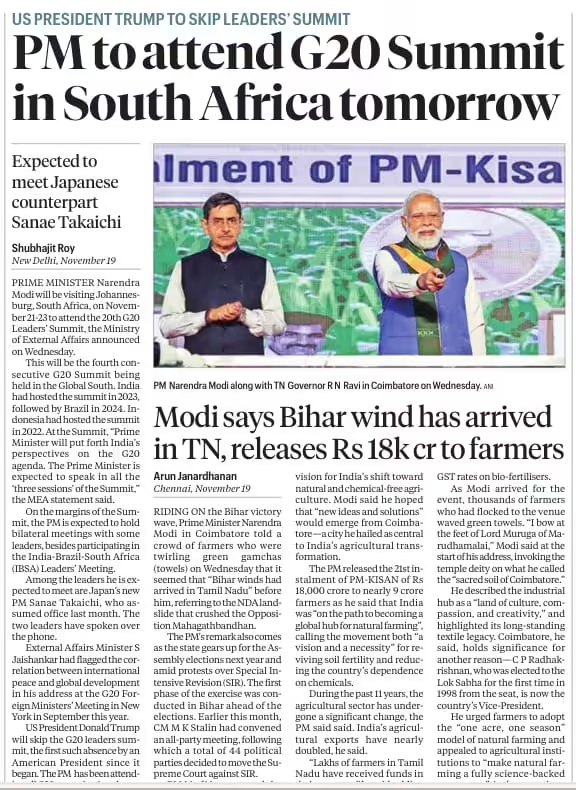
Prime Minister Narendra Modi will visit Johannesburg, South Africa on November 21–23 to attend the 20th G20 Leaders’ Summit. This marks India’s 4th consecutive participation in G20 summits hosted in the Global South. India hosted G20 in 2023, Brazil in 2024, and Indonesia in 2022.
UPSC Relevance:
International Organization
UPSC PYQ:
Q. In which one of the following groups are all the four countries members of G20? (2020)
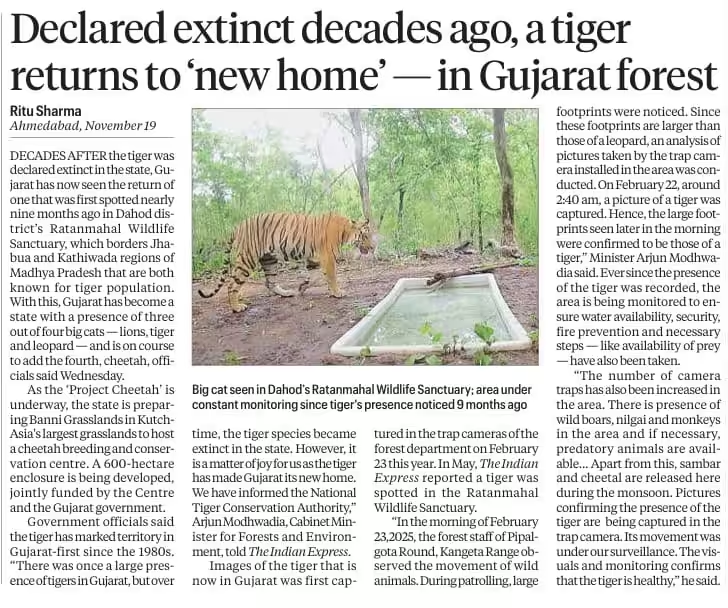
Tigers were declared extinct in Gujarat in the 1980s. For the first time in nearly four decades, a live tiger has been spotted in Gujarat’s Dahod district, in the Ratanmahal Wildlife Sanctuary.
UPSC Relevance:
Environment
UPSC PYQ:
Q. Among the following Tiger Reserves, which one has the largest area under “Critical Tiger Habitat”? (2020)
(a) Corbett
(b) Ranthambore
(c) Nagarjunasagar-Srisailam
(d) Sundarbans
About Ratanmahal WLS:
This sanctuary harbours maximum population of sloth bears in the entire state, which is the star attraction in the wilds of Ratanmahals.
This area was declared as a wildlife sanctuary in March 1982. The sanctuary falls on the border of Gujarat with Madhya Pradesh.
The forests include dry teak forests at the foothills and mixed deciduous forests with dry bamboo brakes on the periphery. There are pure patches of timru and sadad as well. The high concentration of mahuda trees provides a favourite food for sloth bears.
Ecological significance: The forests of Ratanmahals form the catchment of river Panam- a major river of Central Gujarat.
. High population of ‘Mahudo’ trees intermixed with pure patches of ‘Sadad’ and ‘Timru’ forest on plateaus of the hills, at foothills, in plains on the periphery of PA provide food to sloth bear. Tree cover is very good. There are also quite a good number of ‘Jamun’ trees, which provide food to sloth bear during monsoon.
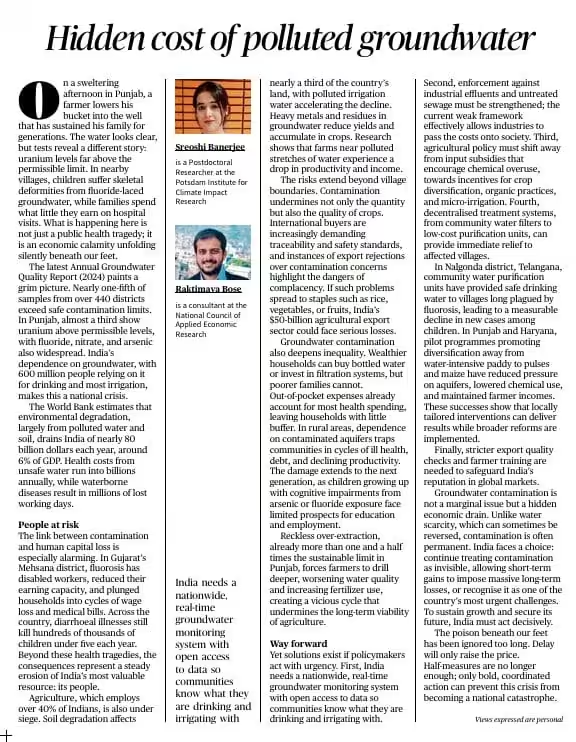
India’s Annual Groundwater Quality Report (2024) shows that 20% of samples from 440 districts exceed safe contamination limits, severely affecting drinking water, irrigation quality, health, and agricultural productivity.
UPSC Relevance:
Environment, Ground Water Conservation.
UPSC PYQ:
Q.1 What are the salient features of the Jal Shakti Abhiyan launched by the Government of India for water conservation and water security? (2020)
Q.2 Suggest measures to improve water storage and irrigation system to make its judicious use under the depleting scenario. (2020)
Key Issues Highlighted in the Article:
India is the world’s largest extractor of groundwater, accounting for 25% of global usage. Millions rely on it for irrigation and daily needs, yet unsustainable withdrawal, pollution, and climate change have led to alarming depletion rates. Regions like Punjab, Haryana, and Rajasthan face severe groundwater stress due to over-extraction for farming.
Green Revolution drastically improved food security and the more recent economic expansion between 2006 and 2016 helped lift 271 million people out of poverty. But what also dropped were the water tables. Accord- ing to the World Bank, groundwater is being abstracted much faster than it is being replenished, so that 60 per cent of India’s districts are likely to reach critical levels of groundwater depletion within two decades.
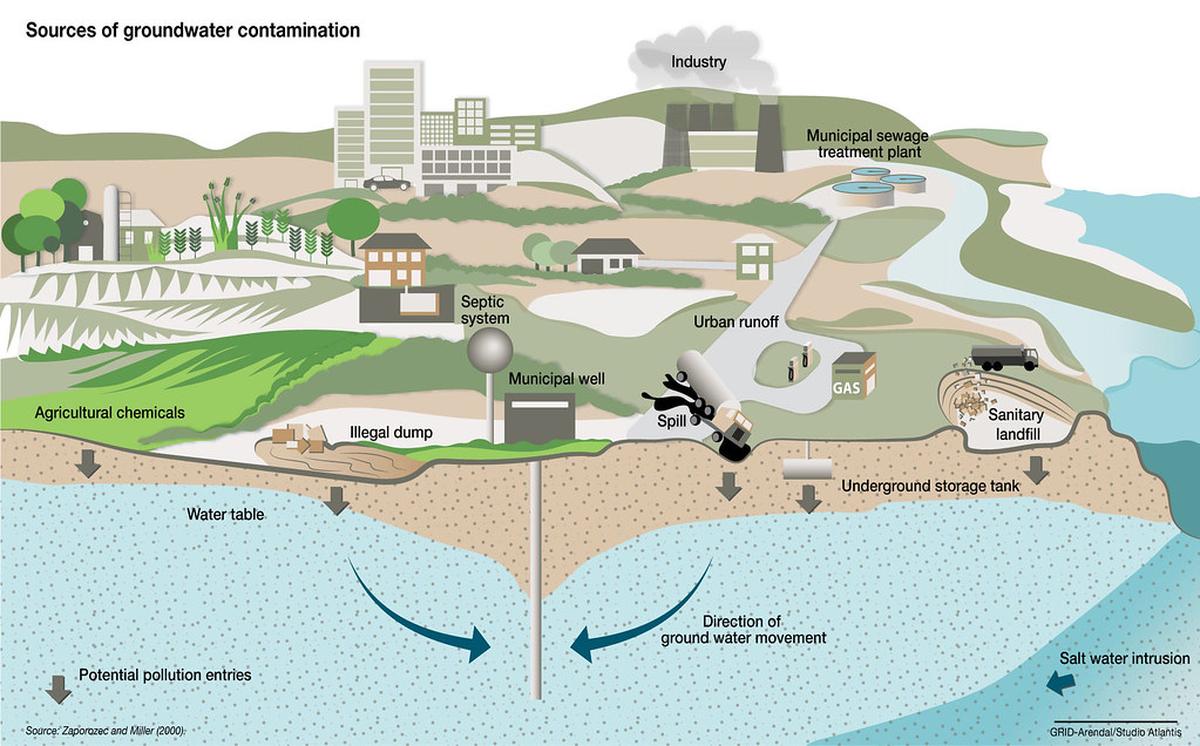
Increasing Groundwater Contamination:
Nearly one-fifth of samples show unacceptable levels of:
Uranium
Fluoride
Nitrate
Arsenic
Punjab’s case: children show skeletal deformities due to fluoride, and uranium levels exceed limits.
India’s High Dependence on Groundwater:
600 million people depend on groundwater for drinking and irrigation.
Environmental degradation costs India ₹80 billion/year (approx.)
6% of GDP is lost due to polluted water + soil degradation.
Social & Economic Inequality
Out-of-pocket health expenditure rises → malnutrition, ill health, school dropout.
Rich households can buy bottled water or install purifiers.
Poor households cannot.
Impact on Agriculture:
Polluted irrigation water:
Reduces yield
Decreases income
Accumulates heavy metals in food
Impact on Health
Waterborne diseases = millions of lost working days.
Fluorosis leads to cognitive impairment, lost productivity.
Arsenic poisoning → cancer risk.
Nitrate contamination → “blue baby syndrome”.
Causes of Groundwater Contamination:
Natural Causes:
Geological presence of:
Arsenic (Ganga-Brahmaputra plains)
Fluoride (semi-arid regions)
Uranium (granite belts)
Anthropogenic Causes:
Pesticides
Excessive fertilizer use
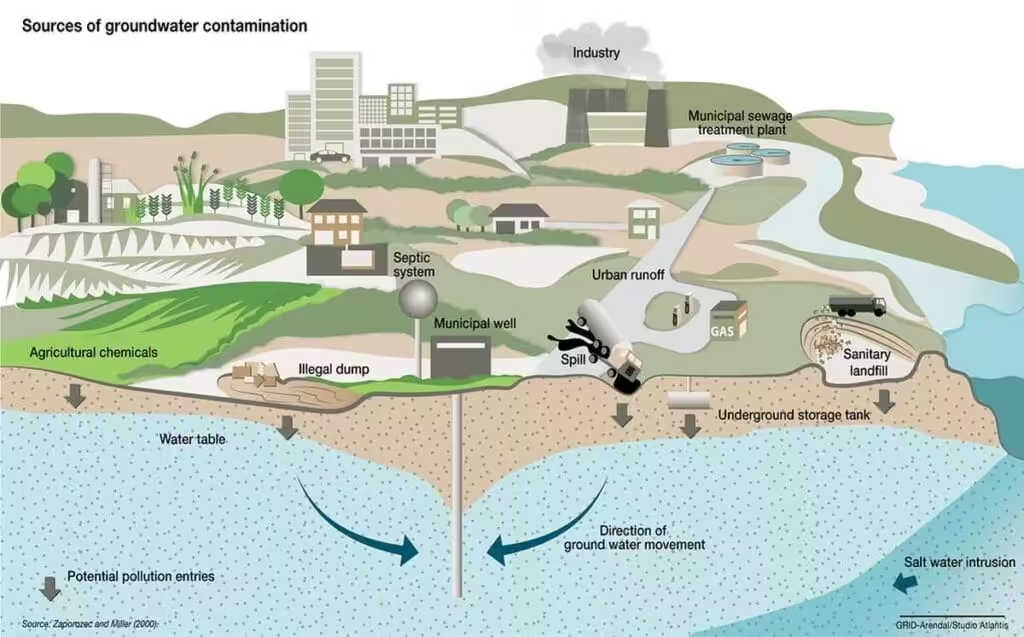
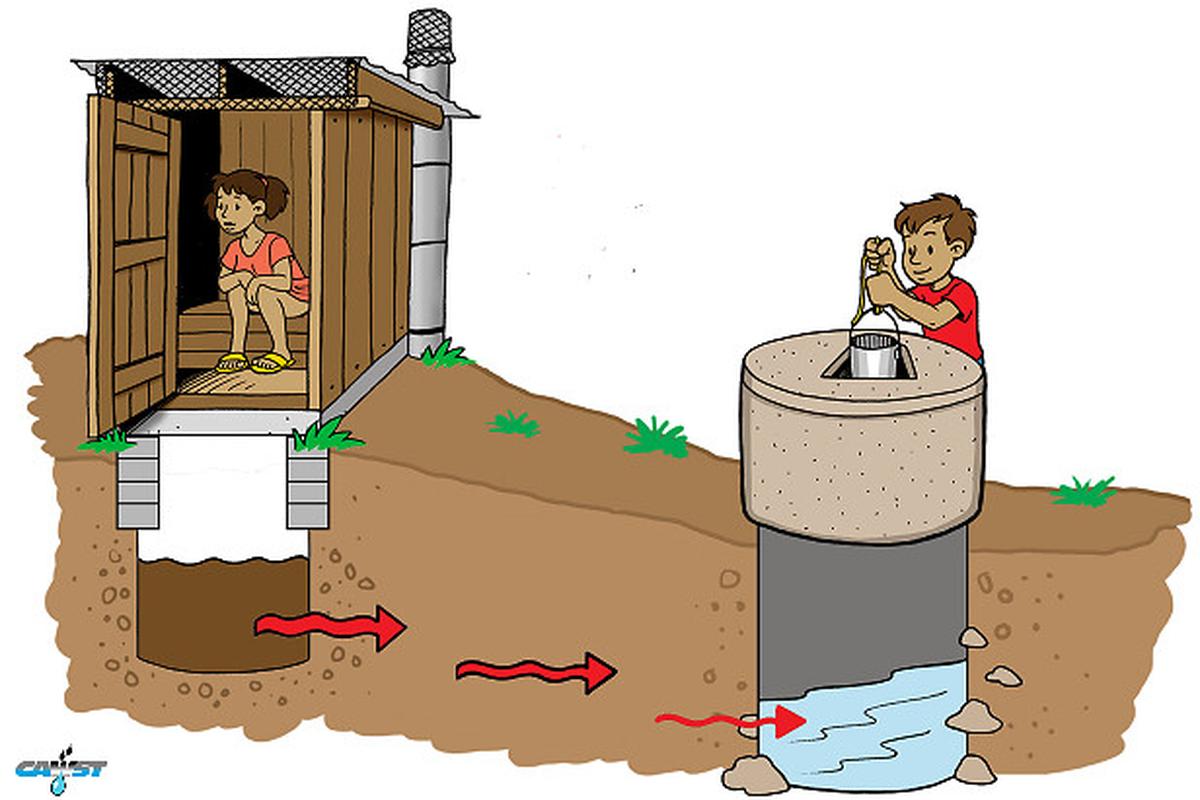
Sewage discharge into groundwater
Industrial effluents
Over-extraction causing intrusion of contaminants
Overpopulation
Urban groundwater crisis:
Cities like Delhi, Bengaluru, and Hyderabad face severe depletion due to unregulated borewell drilling and rapid urbanization.
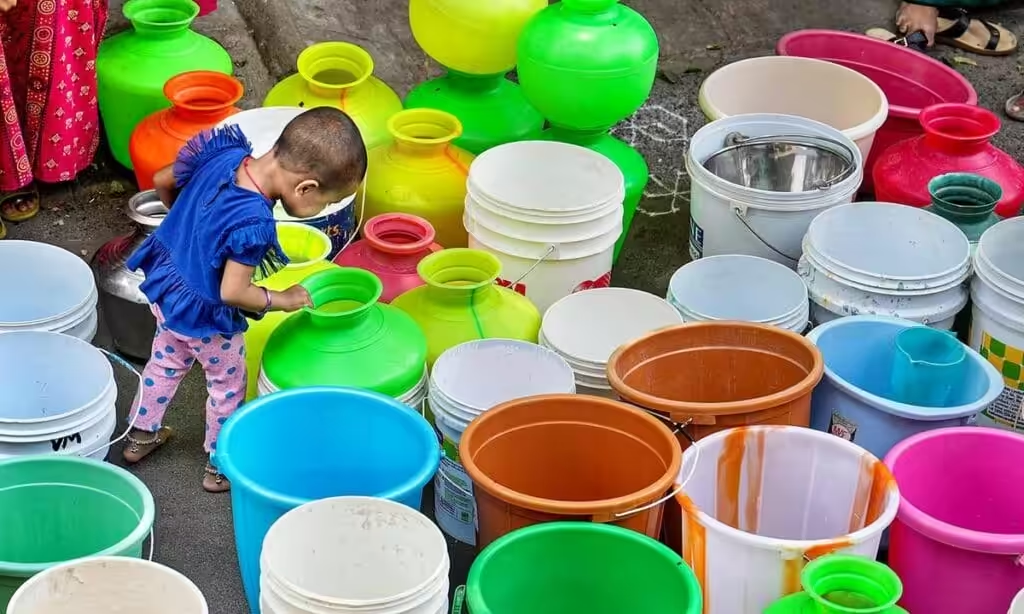
Bengaluru water crisis (2024): Bengaluru suddenly became the centre of national attention as the city’s acute water shortage made headlines. Borewells ran dry, lakes shrank due to over-extraction and erratic rainfall, and residents in many areas were left scrambling for expensive private water tankers.
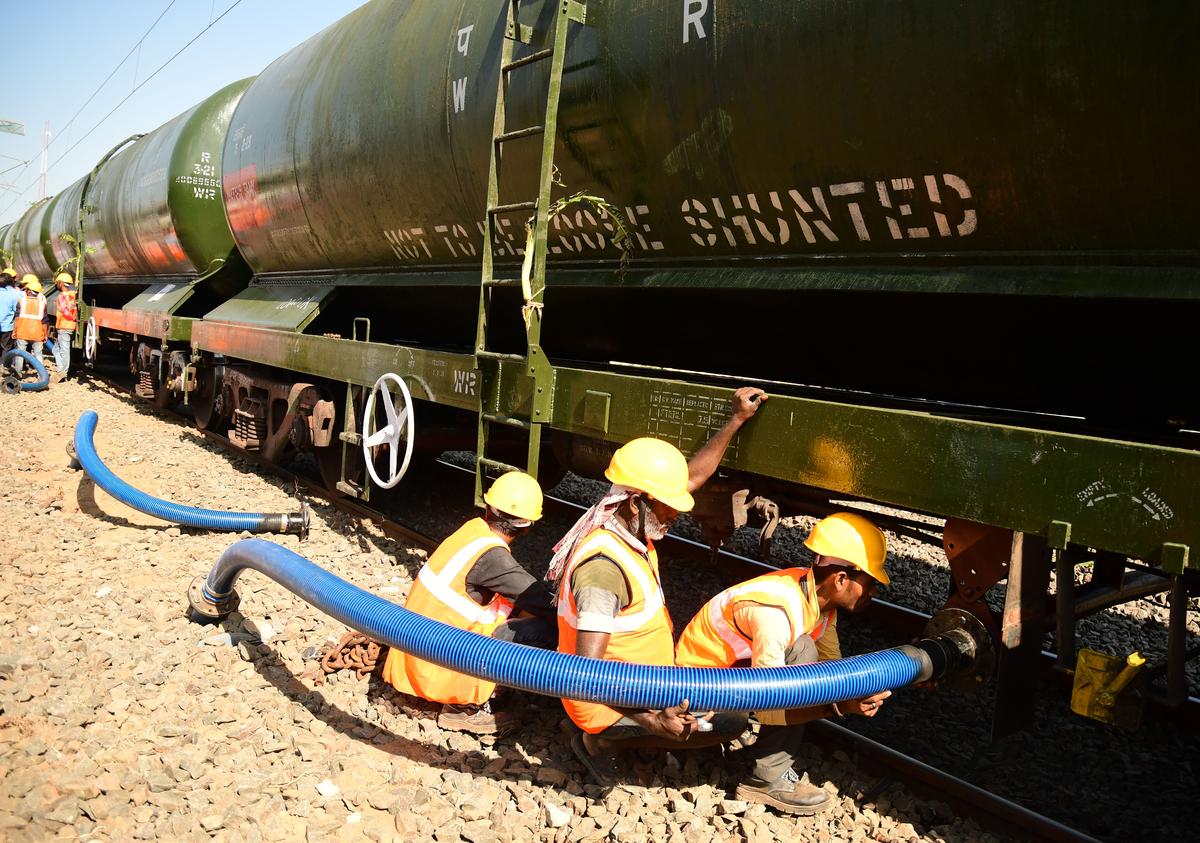
Chennai’s Water Crisis (2019): Showcased the dangers of over-extraction, prompting greater focus on rainwater harvesting and artificial recharge. The first special ‘water’ train with 2.5 million litres of water from Jolarpet to Chennai arrived at Villivakkam to help the city tide over the severe water shortage. The Tamil Nadu Government requested the Southern Railway to transport water from Jolarpettai to Villivakkam to supply 10 million litres per day of drinking water to the city.
How is groundwater recharged?
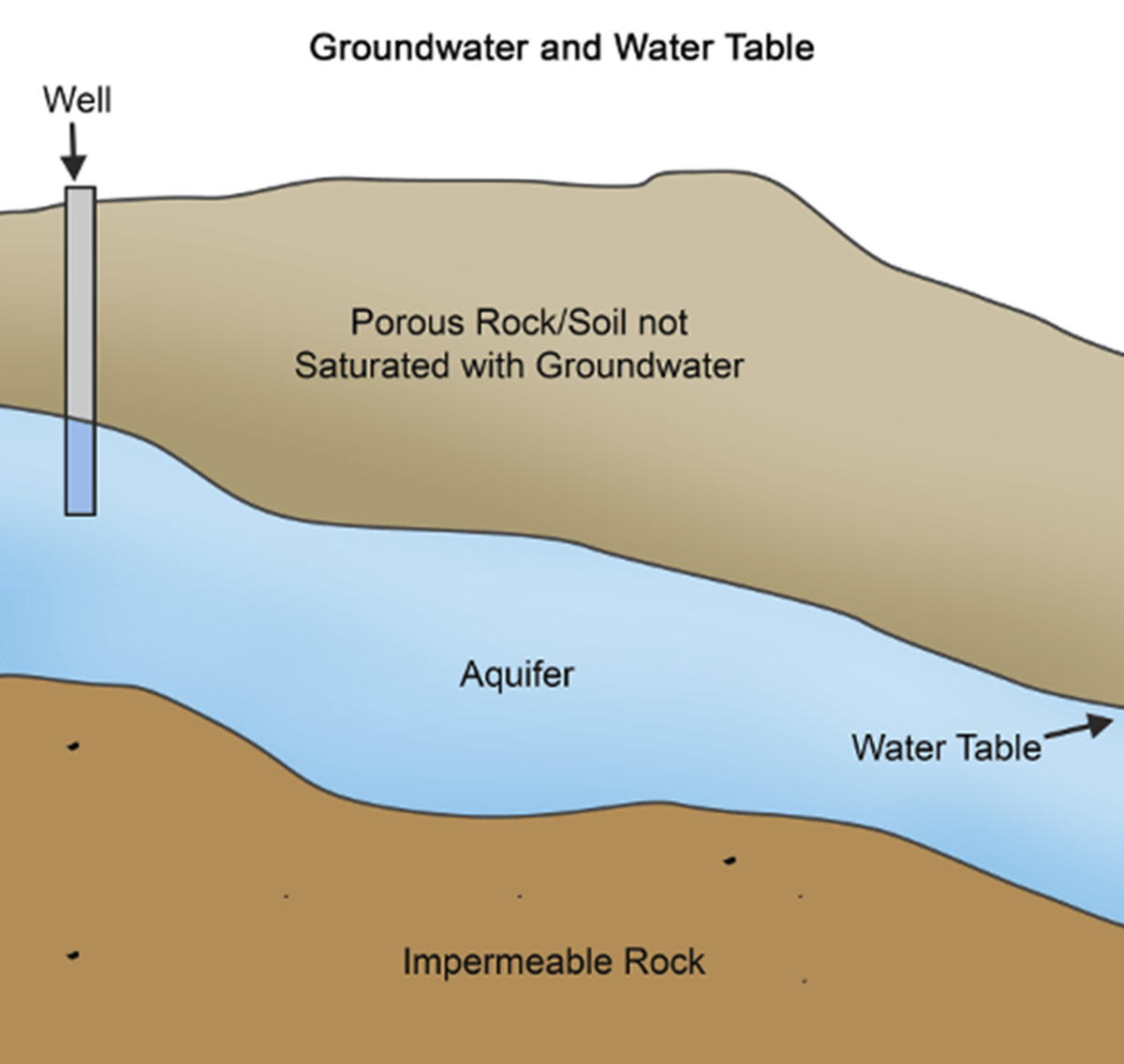
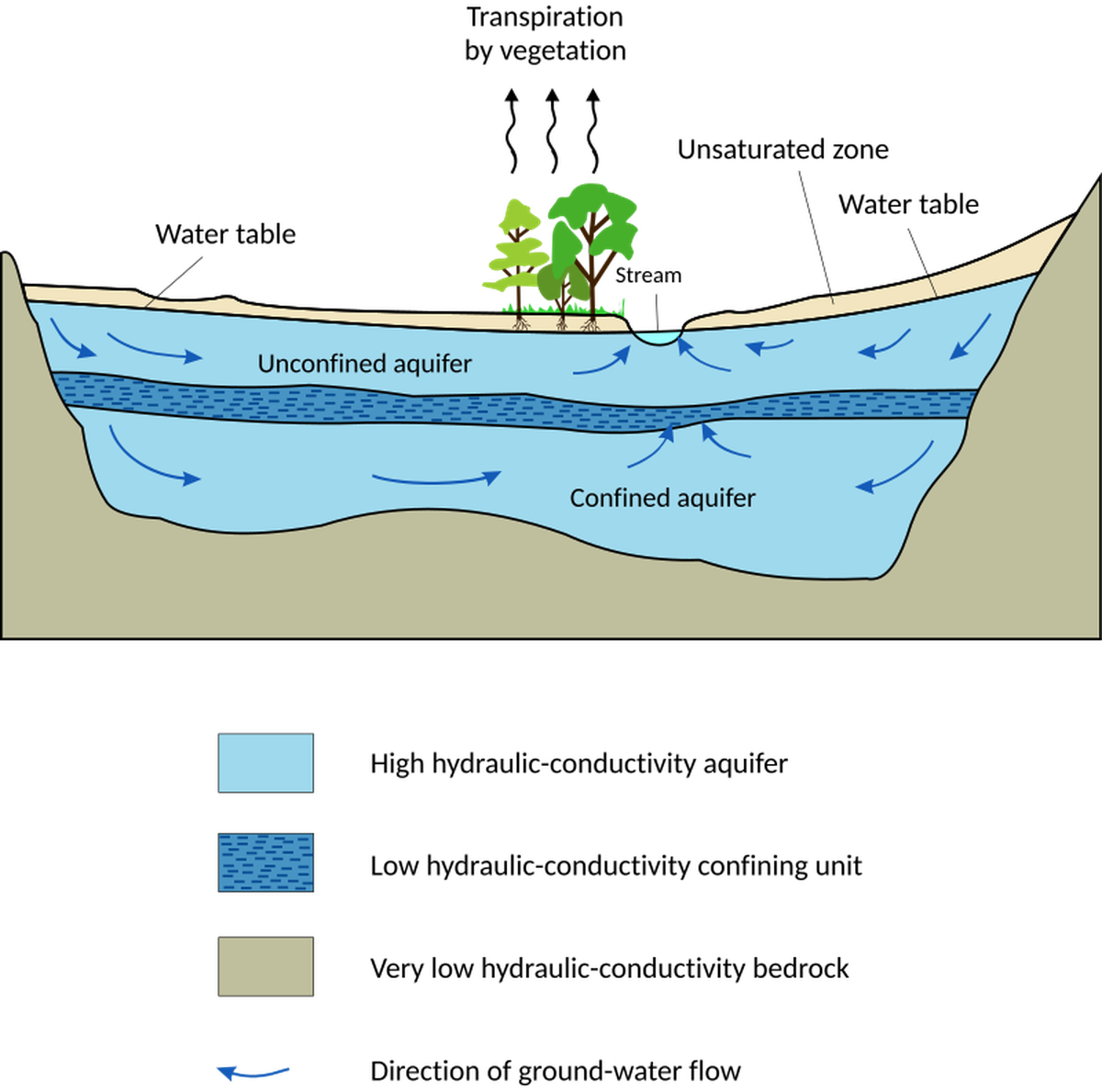
Groundwater is a crucial but often overlooked resource that sustains India’s agriculture, industries, and drinking water supply. Stored in underground aquifers—porous rock formations that hold water like a sponge—it serves as the lifeblood of the nation. The monsoon plays a key role in replenishing these aquifers, but the delicate balance between extraction and recharge is increasingly under threat.
India is the world’s largest extractor of groundwater, accounting for 25% of global usage. Millions rely on it for irrigation and daily needs, yet unsustainable withdrawal, pollution, and climate change have led to alarming depletion rates. Regions like Punjab, Haryana, and Rajasthan face severe groundwater stress due to over-extraction for farming. Managing this invisible yet vital resource is essential to ensuring long-term water security for future generations.
Status and Atlas
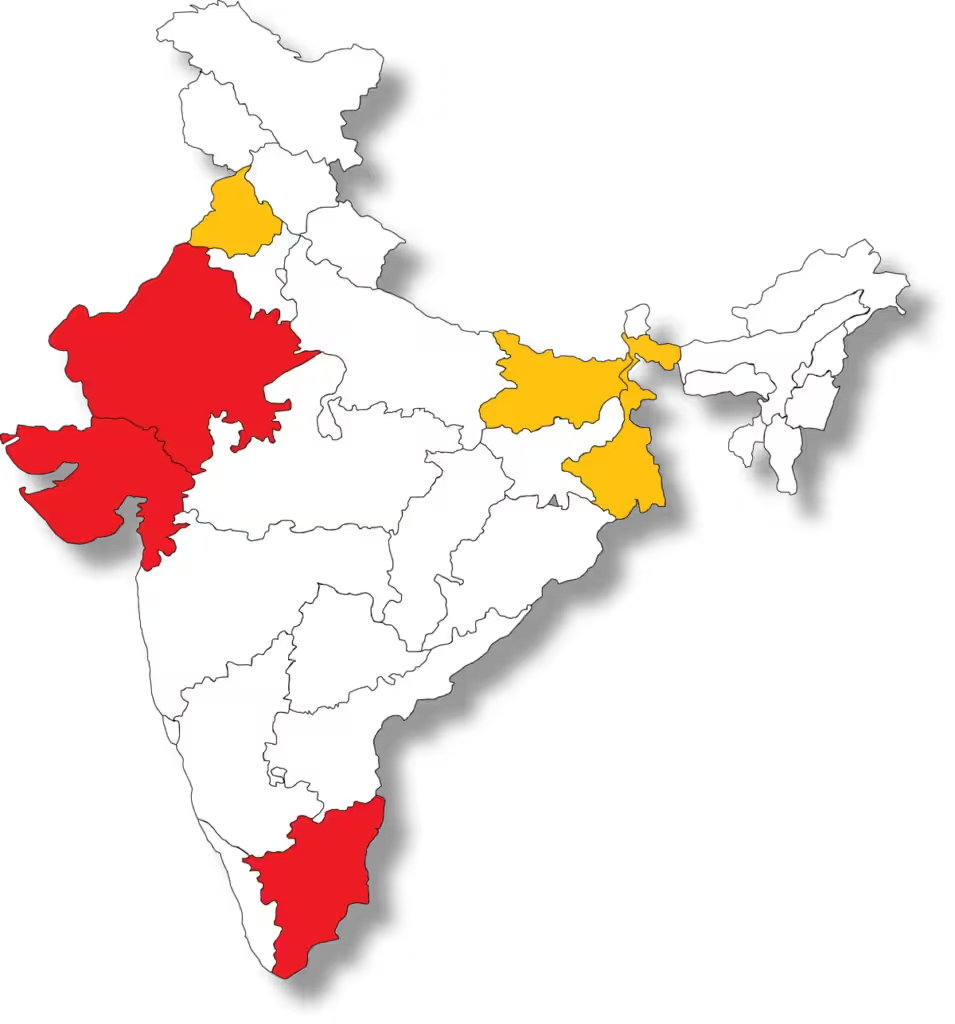
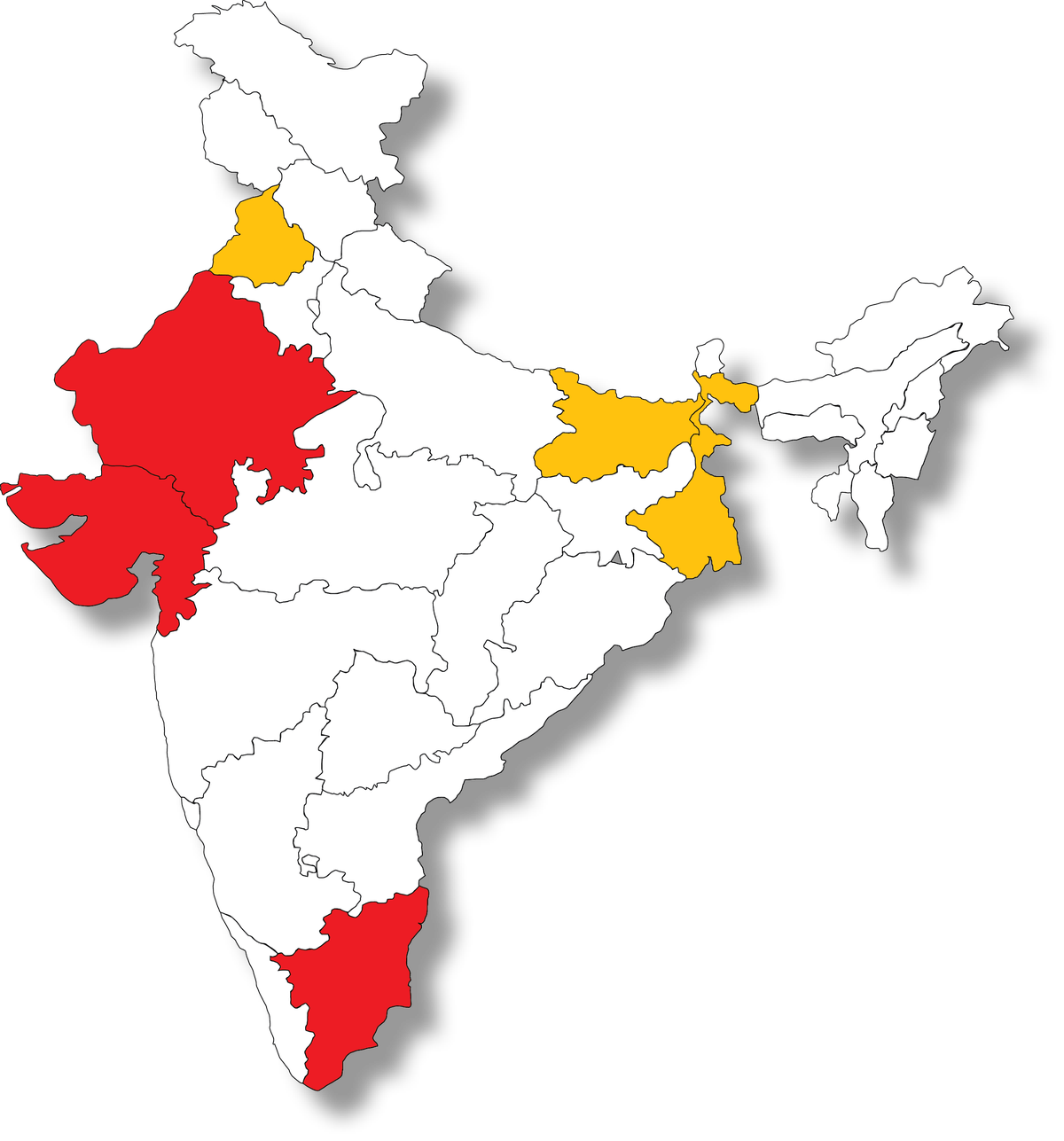
The National Groundwater Atlas provides a comprehensive assessment of groundwater availability across India, revealing stark regional disparities. While states like West Bengal and Bihar benefit from fertile alluvial aquifers and river-fed reserves, excessive withdrawal—especially in Punjab for water-intensive crops like rice—has led to significant depletion.
Groundwater availability in India: The map highlights regional disparities, with red-marked states (Rajasthan, Gujarat, and Tamil Nadu) experiencing severe water stress due to low recharge rates and over-extraction, while yellow-marked states (Punjab, Bihar, and West Bengal) have better groundwater reserves but face depletion risks due to excessive withdrawal for agriculture.
Conversely, Rajasthan and Tamil Nadu face severe water stress due to low rainfall, hard rock aquifers, and slow recharge rates. Gujarat presents a mixed picture, with some regions experiencing acute shortages while others benefit from river-fed reserves. The Atlas highlights these contrasts, offering crucial insights for policymakers to develop targeted groundwater management strategies. As over-extraction continues to outpace natural replenishment in many regions, sustainable conservation efforts are essential to ensure long-term groundwater security.
Key concepts:
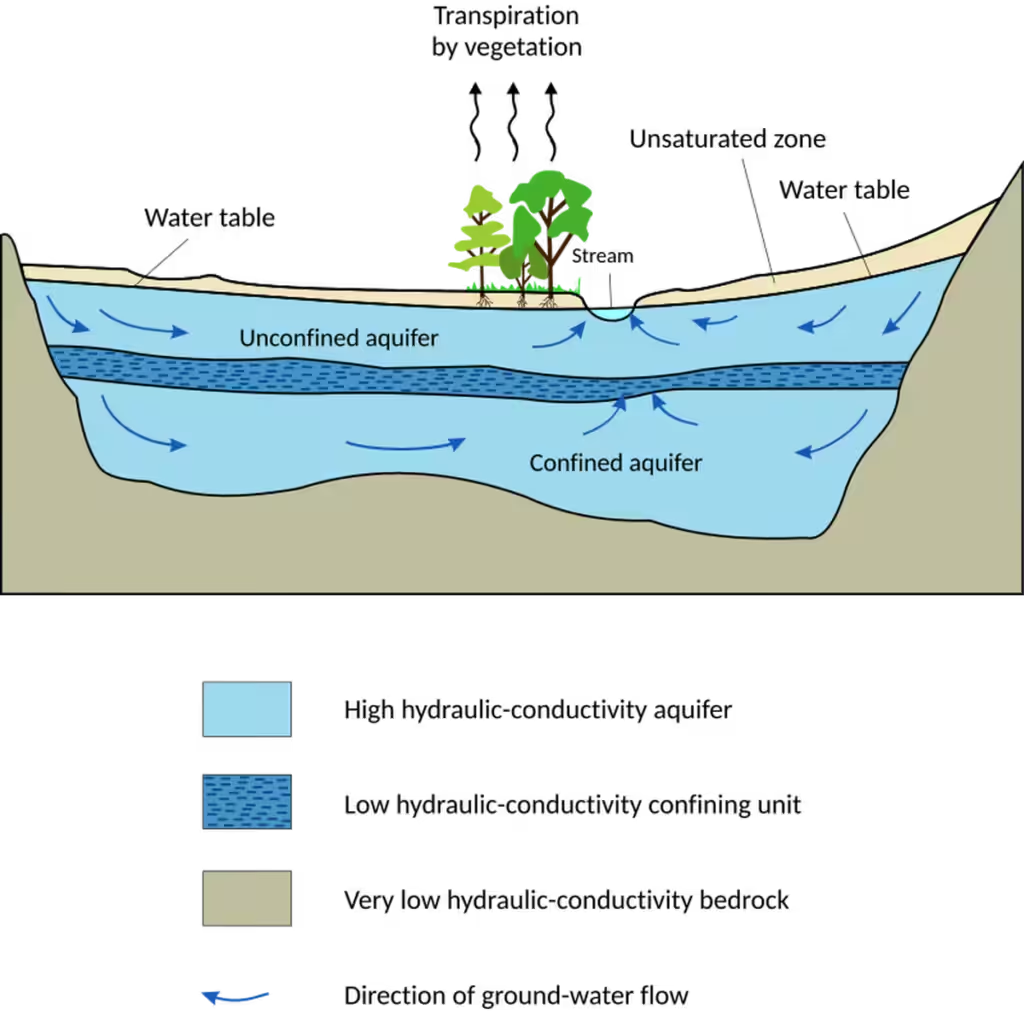
Aquifer: Underground rock/sediment layers that hold water.
Water Table: The upper level of groundwater in an aquifer.
Infiltration: Water entering the soil.
Percolation: Water moving downward through soil layers.
Treasure underneath
Groundwater is a crucial but often overlooked resource that sustains India’s agriculture, industries, and drinking water supply. Stored in underground aquifers—porous rock formations that hold water like a sponge—it serves as the lifeblood of the nation. The monsoon plays a key role in replenishing these aquifers, but the delicate balance between extraction and recharge is increasingly under threat.
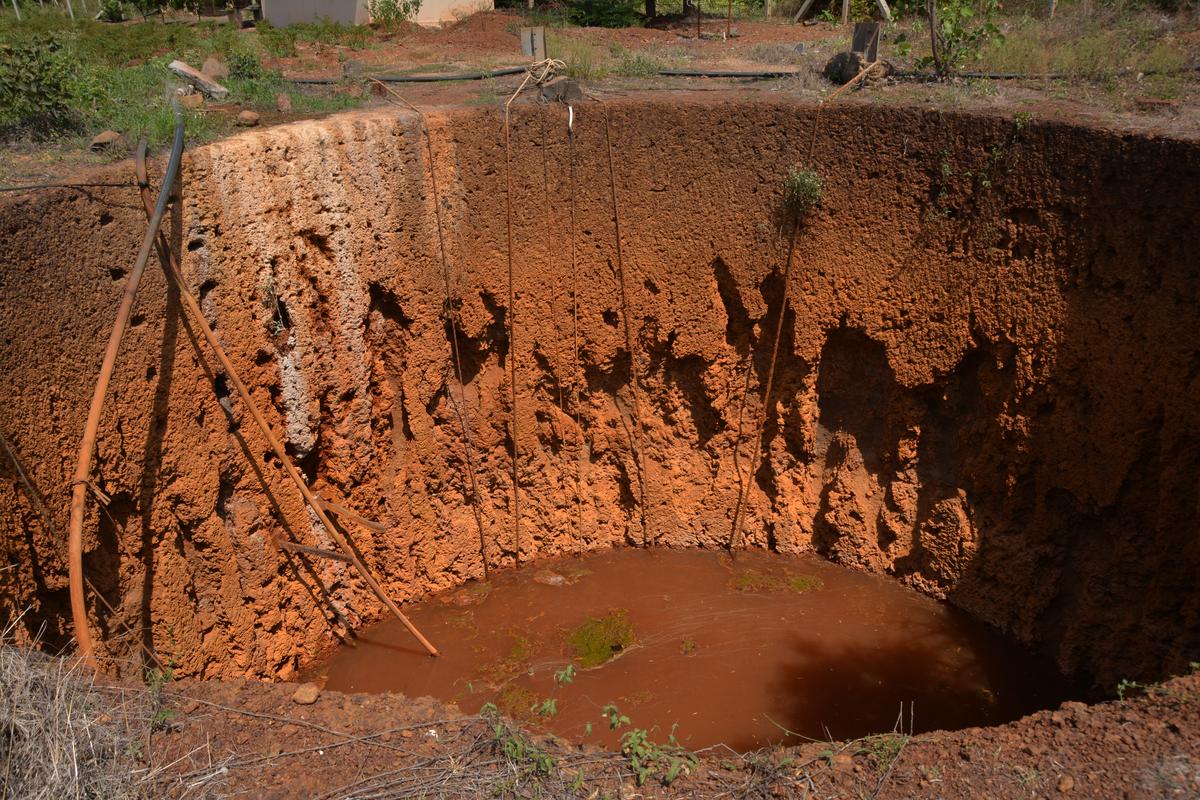
A well at a farmer’s field near Humnabad Industrial Area filled with chemically contaminated groundwater. | Photo Credit: KUMAR BURADIKATTI
Threats
India’s groundwater is under increasing pressure due to over-extraction, contamination, and climate change, making sustainable management crucial for long-term water security.
Over-extraction: Excessive groundwater withdrawal for irrigation, industries, and urban consumption is rapidly depleting aquifers, especially in Punjab, Haryana, and Tamil Nadu. The unchecked use of borewells is pushing water tables to dangerously low levels.
Salinity and contamination: Natural and human-induced pollution is rendering groundwater unsafe for drinking and agriculture. West Bengal and Bihar face high arsenic contamination, while Rajasthan struggles with fluoride contamination, posing severe health risks.
Climate change impact: Unpredictable monsoons, prolonged droughts, and rising temperatures are reducing groundwater recharge rates. Regions like Gujarat and Maharashtra are particularly vulnerable, with erratic rainfall worsening the crisis.
Groundwater contamination
Urban groundwater crisis
Cities like Delhi, Bengaluru, and Hyderabad face severe depletion due to unregulated borewell drilling and rapid urbanization.
Bengaluru water crisis (2024): Bengaluru suddenly became the centre of national attention as the city’s acute water shortage made headlines. Borewells ran dry, lakes shrank due to over-extraction and erratic rainfall, and residents in many areas were left scrambling for expensive private water tankers. The crisis sparked widespread discussions on social media and in policy circles, with experts calling for urgent action. Industries and IT hubs faced disruptions, forcing businesses to rethink their water dependency. The situation underscored the urgent need for rainwater harvesting, stricter groundwater regulations, and sustainable urban planning to prevent future crises.
Residents collect free water from a tanker amid water crisis, in Bengaluru. | Photo Credit: SHAILENDRA BHOJAK
Chennai’s Water Crisis (2019): Showcased the dangers of over-extraction, prompting greater focus on rainwater harvesting and artificial recharge.
The first special ‘water’ train with 2.5 million litres of water from Jolarpet to Chennai arrived at Villivakkam to help the city tide over the severe water shortage. The Tamil Nadu Government requested the Southern Railway to transport water from Jolarpettai to Villivakkam to supply 10 million litres per day of drinking water to the city.
How is groundwater recharged?
Groundwater recharging is a process of refilling underground water reserves (aquifers) through natural and artificial means.
Natural recharge
Precipitation: Rain and snowmelt infiltrate the soil and percolate down into aquifers.
Surface water: Rivers, lakes, and wetlands contribute to recharge as water seeps into underground layers.
Interflow & baseflow: Some water moves laterally through soil layers before reaching deeper aquifers, maintaining river flow in dry seasons.
Factors affecting recharge: Soil type (permeable vs. clayey), vegetation (roots create infiltration pathways), topography (gentle slopes retain water), and climate (rainfall patterns).
Artificial recharge
Humans actively assist groundwater recharge through methods like:
Floodwater management: In flood-prone states like Bihar, West Bengal, and Uttar Pradesh, excess river water from the Ganga and Brahmaputra is diverted into recharge structures such as artificial wetlands and retention basins.
Check dams & percolation ponds: These slow down water flow, allowing more time for seepage.
Recharge wells: Specially designed wells directly inject water into aquifers.
Rainwater harvesting: Collecting and storing rainwater in tanks or directing it into the ground through recharge pits.
Canal irrigation: Water from canals seeps underground, replenishing local water tables.
Aquifer Storage and Recovery (ASR): In cities like Chennai, Rajasthan, and Maharashtra, treated water or excess monsoon runoff is injected into aquifers for later use.
Traditional water conservation systems:
Baolis (Stepwells): Used in Rajasthan and Gujarat to collect and store rainwater.
Eri System (Tamil Nadu): Ancient tanks built for water conservation and groundwater recharge, still in use today.
Zabo System (Nagaland): Indigenous water harvesting method that integrates agriculture and livestock farming.
Revival of wells in Rajasthan: A success story
In Rajasthan’s Alwar district, the revival of traditional johads (check dams) has transformed barren lands into fertile fields. Led by community efforts, these structures helped recharge groundwater, restoring dried-up wells and ensuring water security. This success story has inspired similar conservation projects across India’s water-stressed regions.