Why in News?
- India and Azerbaijan are trying to reset strained bilateral ties after recent tensions.
- A high-level meeting took place in Baku
- Both sides agreed to start a Confidence Building Mechanism (CBM).
UPSC Relevance:
GS-II: India Azerbaijan relations, Confidence Building Measures (CBM), Energy Security, Multi-alignment diplomacy
Why were relations strained? (Cause of tension)
1. Pakistan Factor
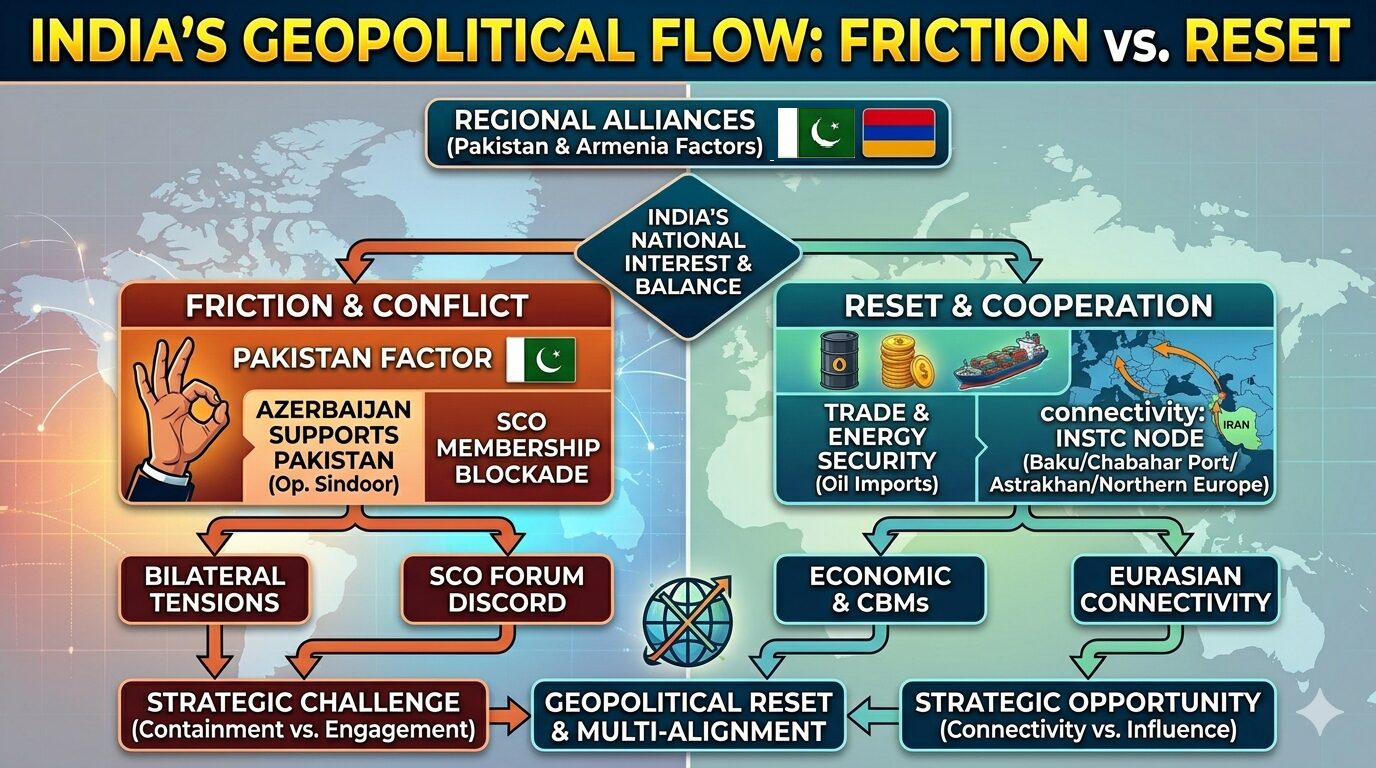
- Azerbaijan supported Pakistan during India’s Operation Sindoor (2025)
- This created diplomatic friction between India and Azerbaijan
- This shows how third-country alignments affect bilateral relations
2. Political vs Economic Gap
- Political ties were weak
- BUT economic ties (trade, investment) were still growing
3. Multilateral Fallout:
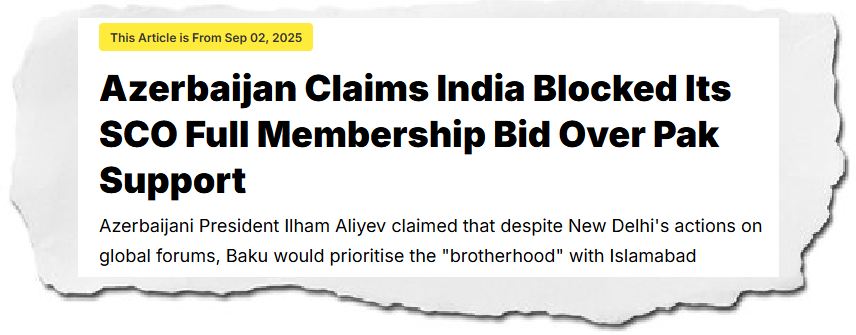
The discord spilled into international forums, most notably when India blocked Azerbaijan’s bid for full membership in the SCO in September 2025, a move Azerbaijan’s president publicly attributed to his country’s ties with Pakistan
What does “Reset of ties” mean?
Key steps taken:
- High-level diplomatic talks resumed
- Launch of Confidence Building Measures (CBMs)
- Focus on:
- Trade
- Energy cooperation
- Regional security
Aim: Move from conflict → cooperation
Areas of Cooperation
1. Energy Security
- Azerbaijan is an oil & gas rich country
- India imports crude oil from Azerbaijan (earlier disrupted, now improving)
Energy diversification is key for India
2. Trade & Investment
- India increasing investments despite political issues
3. Strategic Location
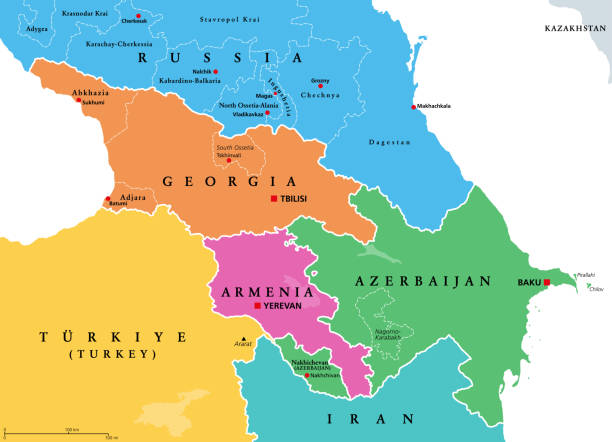
- Azerbaijan lies in:
- Caucasus region
- Between Europe & Asia
Important for Connectivity corridors and access to Central Asia
4. Crisis Cooperation
- Azerbaijan helped India evacuate citizens from Iran recently
- It shows even during tensions, functional cooperation continues
Broader Geopolitical Significance
1. India’s Balanced Diplomacy
- India is engaging even with countries that support Pakistan
- It shows Issue-based alignment, not bloc politics
2. Armenia-Azerbaijan Conflict:
India must balance its “strategic partnership” with Armenia with its “pragmatic engagement” with Azerbaijan.
3. Energy + Connectivity Strategy
- Important for International North-South Transport Corridor (INSTC) and Access to Eurasia
- Azerbaijan is a key node on the INSTC, a 7,200 km multi-modal network connecting India to Russia, Central Asia, and Europe via Iran. Stable ties with Baku are crucial for the corridor’s success
4. Cultural & Historical Links
- Ateshgah (Fire Temple): Located near Baku, this 18th-century temple features inscriptions in Sanskrit and Punjabi, proving ancient trade links with Indian merchants (Multanis and Khatris).
- Nizami Ganjavi: The 12th-century Azerbaijani poet who influenced Indian literature, including the works of Amir Khusrau
Conclusion:
The 2026 reset is a pragmatic, interest-driven move, not an end to geopolitical rivalry. Its success will depend on whether both sides can compartmentalize their differences (Pakistan-Armenia) and focus on tangible economic and connectivity benefits. This approach aligns with India’s doctrine of “strategic autonomy” and “multi-alignment”—pursuing ties with all major players based on national interest. In an era of “Multi-alignment,” India is demonstrating that it can maintain robust ties with Armenia while simultaneously resetting relations with Azerbaijan to secure its energy and connectivity interests in Eurasia.
Tell Google you want more of this.
Add Anantam IAS as a preferred sourceOne tap, and this site shows up more often in your own Top Stories, AI Overviews and AI Mode. Remove it any time.