Why in News?
WHO reported that Ethiopia launched a polio vaccination campaign on November 21, 2026, following circulating variant poliovirus cases and with a plan to reconnect missed children to routine immunization.
- The campaign aims to reach more than 11.3 million children; this is a target announced at launch.
- The first round is scheduled for November 21–24, followed by another round in December.
- WHO reported circulating variant poliovirus type 1 cases in Ethiopia during 2026, while the country remains free of wild poliovirus.
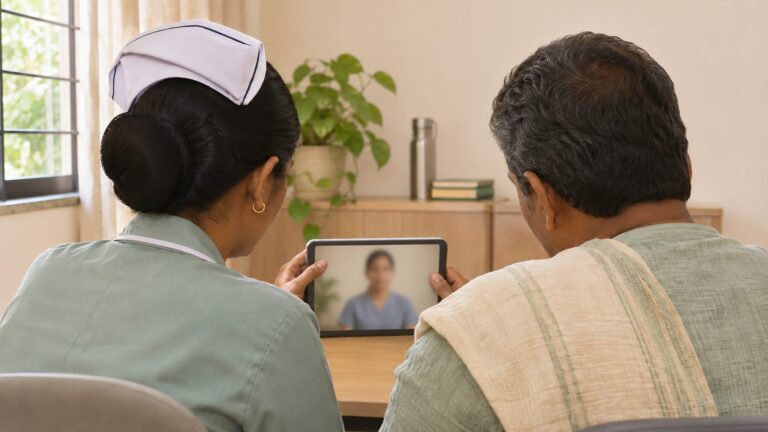
- Teams will identify children who have missed routine vaccinations and link them with regular services.
- Immunity gaps can persist within communities even when a country has made substantial progress against polio.
- Campaign monitoring and surveillance answer different questions about service reach and the continued presence of disease.
UPSC Relevance
Prelims Relevance
- Poliomyelitis is a vaccine-preventable disease that can cause paralysis.
- Wild poliovirus and circulating variant poliovirus are distinct surveillance classifications.
- Acute flaccid paralysis surveillance helps detect possible poliovirus transmission.
- Routine immunization provides continuing vaccination services between campaigns.
- Environmental surveillance complements surveillance based on illness reports.
Mains Relevance
GS Paper 2
- Health service delivery and follow-up of children missed by routine programmes.
- International cooperation in vaccination, monitoring and disease surveillance.
Background and Context
What the Polio Classifications Mean
The type of virus reported and the population’s protection are separate parts of assessing a public-health response.
- Wild-polio-free status concerns wild poliovirus. WHO’s Ethiopia report also records circulating variant cases, showing why a country can retain that specific status while still needing an outbreak response and continued surveillance.
- Circulating variant poliovirus is the classification used for the reported outbreak. WHO associates these outbreaks with gaps in community immunization, making sustained vaccination coverage central to preventing further illness and protecting children.
- Reported cases describe the evidence identified by surveillance. The campaign launch on November 21 is a new response milestone; it does not establish that the first infection or detection occurred on that date.
- Vaccination is the central prevention measure in WHO’s guidance. Public communication should explain the outbreak classification accurately and connect families with services, while avoiding claims that a campaign announcement proves transmission has ended.
- Status terminology needs its full qualifier. The distinction also matters when reading disease-elimination assessments, although the surveillance criteria and response arrangements for different diseases must be evaluated separately.
How Campaigns Connect Children to Routine Care
A focused outbreak campaign can provide an opportunity to find children whom the regular health system has missed.
- Outbreak campaigns concentrate effort within a defined period and area. Ethiopia’s announced rounds seek to close protection gaps, while the continuing routine programme remains responsible for regular vaccination services beyond those campaign dates.
- Household outreach is part of the announced delivery approach. Teams are expected to identify missed children as they visit communities, connecting campaign contact with the broader task of restoring access to routine care.
- Referral follow-up matters after identification. Recording a child as needing routine vaccines is an intermediate step; services must remain accessible so the household can complete the intended contact with the regular immunization programme.
- Community participation supports delivery through familiar health workers, volunteers and local communication. WHO’s report identifies high population movement and immunity gaps as concerns, requiring attention to groups that routine arrangements may repeatedly miss.
- Delivery support includes coordination, supervision and monitoring by national authorities and partners. The wider public-health cooperation agenda similarly depends on converting institutional commitments into services people can actually access.
What Monitoring Must Establish
A response needs evidence about whom it reached and whether transmission continues, with each result interpreted according to its purpose.
- Campaign targets define intended reach. The announced child total cannot be reported as achieved coverage; that judgment requires information collected during and after implementation, including evidence about areas or households that were missed.
- Independent monitoring can help assess delivery quality alongside programme reports. WHO described support for supervision and monitoring in Ethiopia, making verification of service reach part of the response rather than a conclusion established at launch.
- Acute flaccid paralysis surveillance looks for illness signals that require investigation. It remains relevant alongside vaccination because the public-health system needs timely evidence to recognize possible continuing transmission and organize an appropriate response.
- Environmental surveillance supplies another source of information about poliovirus circulation. WHO calls for it alongside illness surveillance, allowing the response to draw on complementary evidence instead of relying exclusively on reports of paralytic disease.
- Routine-service linkage provides a further measure of follow-through. Officials can examine whether children identified as under-vaccinated subsequently reach regular services, connecting the short campaign to protection that depends on a functioning continuing programme.
Way Forward
Close the Gaps Found During Outreach
- Track missed communities and arrange follow-up through local services.
- Report achieved reach separately from campaign targets and planned rounds.
- Maintain surveillance alongside vaccination and act on investigated findings.
- Check routine-care referrals so identification leads to completed service contact.
Conclusion
- Ethiopia’s response links focused outbreak vaccination with the continuing work of finding missed children, supporting routine services and maintaining surveillance.
- For public-health governance, judge the response through verified reach and follow-up. A launch, a target and an achieved result describe different stages of implementation.
UPSC Practice Questions
Prelims MCQ 1
Which statement best describes Ethiopia’s polio situation in the WHO announcement?
(a) The campaign had already reached its full target at launch. (b) Wild-polio-free status rules out every other poliovirus outbreak. (c) The campaign announcement established the date of the first infection. (d) A country free of wild poliovirus can still report circulating variant poliovirus.
Answer: (d) A country free of wild poliovirus can still report circulating variant poliovirus.
Explanation:
WHO described Ethiopia as free of wild poliovirus while reporting circulating variant poliovirus type 1 cases during 2026.
Prelims MCQ 2
What is the purpose of linking children identified during a polio campaign with routine immunization services?
(a) To discontinue regular services after the campaign. (b) To help children receive routine vaccinations they have missed. (c) To treat the campaign target as achieved coverage. (d) To replace disease surveillance with attendance records.
Answer: (b) To help children receive routine vaccinations they have missed.
Explanation:
The announced programme includes identifying children with missed vaccinations and connecting them with regular services. Surveillance and campaign monitoring continue to serve separate purposes.
UPSC Mains Questions
- Explain how outbreak vaccination campaigns can strengthen routine immunization services. Discuss the role of follow-up and monitoring.
- Why must public-health authorities distinguish campaign targets, achieved coverage and disease-surveillance findings when assessing an outbreak response?
Sources: WHO Regional Office for Africa and WHO poliomyelitis questions and answers.
Frequently Asked Questions
What did Ethiopia launch on November 21?
Ethiopia launched a polio vaccination campaign with support from WHO and partners. The response also plans to identify children who have missed routine vaccinations and connect them with regular services.
Does wild-polio-free status rule out variant cases?
WHO reported that Ethiopia remains free of wild poliovirus while circulating variant poliovirus cases occurred during 2026. The classification of the virus matters when interpreting the country’s status.
Was the campaign target already achieved?
The launch announcement described intended reach. Achieved coverage requires evidence from implementation and monitoring, including whether teams reached eligible children and followed up on those initially missed.
Why does surveillance continue during vaccination?
Surveillance provides evidence about possible continuing poliovirus transmission. WHO calls for acute flaccid paralysis and environmental surveillance alongside vaccination, while campaign monitoring assesses how effectively services reached children.
Tell Google you want more of this.
Add Anantam IAS as a preferred sourceOne tap, and this site shows up more often in your own Top Stories, AI Overviews and AI Mode. Remove it any time.