Why in News?
India and Denmark adopted a Joint Action Plan for 2027–31 at their November 28 Joint Commission meeting, with the next phase of cooperation covered in November 29 reporting.
- The fifth Joint Commission meeting reviewed the existing Green Strategic Partnership and adopted the plan to guide the next phase of cooperation.
- The ministers expect a formal announcement of an elevated Comprehensive Green Strategic Partnership at a later meeting between the Prime Ministers. That announcement remains prospective.
- The meeting included exchanges of renewed skill-development and cultural instruments and an agreement between the two countries’ financial-services regulators.
- A bilateral action plan creates a framework for agencies to coordinate activity across sectors and review progress.
- The case connects climate cooperation and economic diplomacy with skills, regulatory engagement and implementation capacity.
UPSC Relevance
Prelims Relevance
- India–Denmark Green Strategic Partnership
- Joint Action Plan for 2027–31
- Joint Commission and bilateral Joint Working Groups
- International Financial Services Centres Authority and Danish Financial Supervisory Authority
Mains Relevance
GS Paper 2
- Bilateral institutions that translate diplomatic priorities into cooperation
- Implementation and accountability in strategic partnerships
GS Paper 3
- Renewable energy and technology cooperation linked with skills and investment
Background and Context
How the Joint Commission Organises Cooperation
The Joint Commission provides a ministerial forum to review the relationship and give direction to work undertaken across departments.
- The 2027–31 action plan supplies a common period for organising cooperation. Agencies can use such a framework to connect their programmes, identify responsibilities and prepare progress for subsequent bilateral reviews.
- The ministers reviewed bilateral Joint Working Groups, which connect broad political priorities with sector discussions. This arrangement allows technical issues to receive sustained attention between high-level meetings involving the two governments.
- The existing Green Strategic Partnership was the basis of the review. The adopted action plan guides its next phase, while the proposed formal elevation remains a separate diplomatic step that the leaders anticipate.
- Regular high-level exchanges provide political direction, according to MEA. Their value depends on whether departments follow through on agreed tasks and whether later reviews can identify delays, disagreements and practical results.
- The official statement places the next Joint Commission meeting in Copenhagen on a mutually convenient date. That provides a future review forum while leaving the specific meeting date open.
Green Cooperation and Its Implementation Needs
Renewable energy and clean technologies remain explicit areas of cooperation, alongside the skills and institutions needed to apply them.
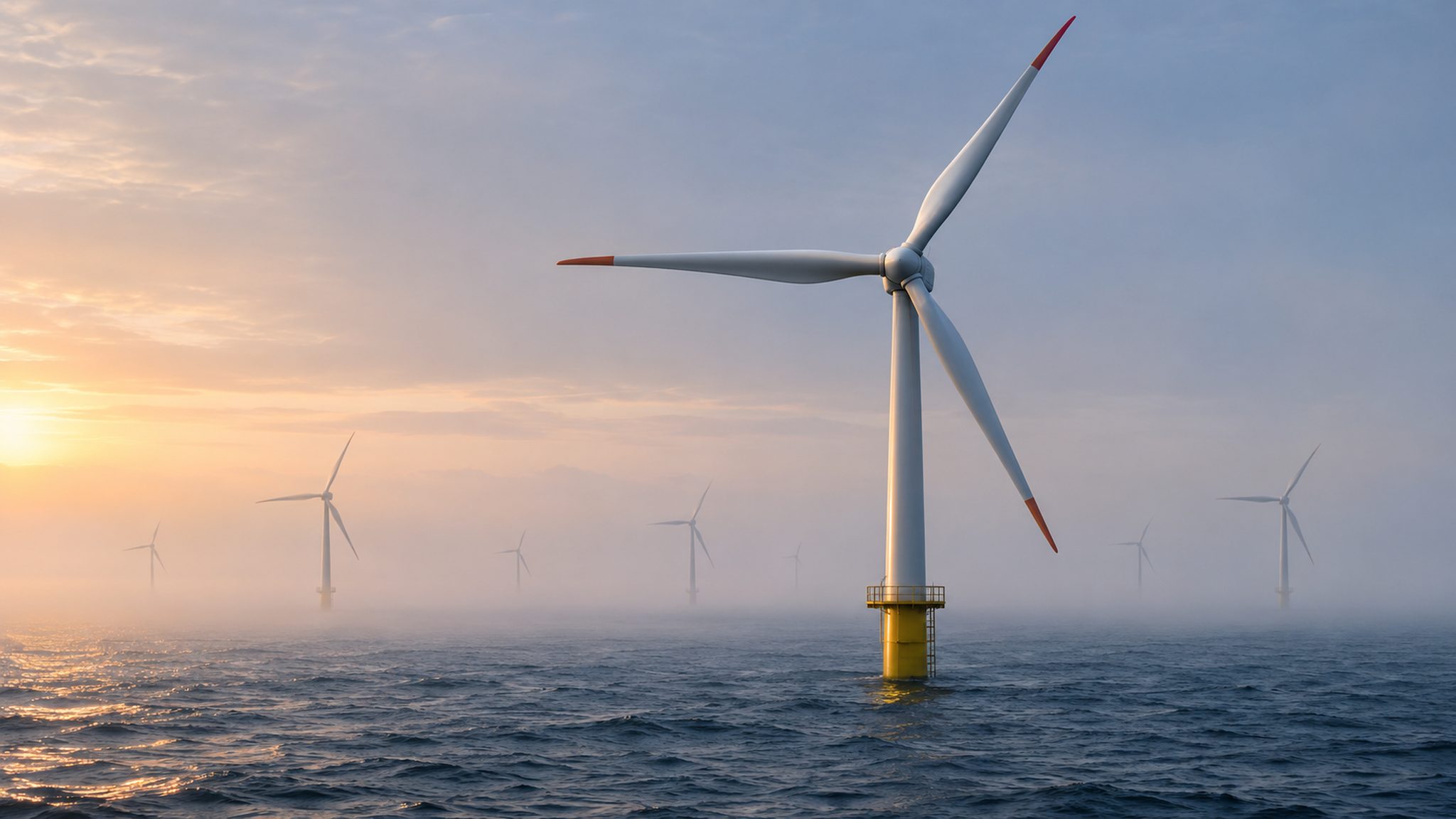
- The ministers discussed strengthening renewable-energy cooperation within a wider review of clean technologies and water management. The statement identifies these as areas for further work without announcing a completed energy project.
- Technology cooperation involves more than acquiring equipment. Its implementation can require suitable skills, operating arrangements and local infrastructure, making the relationship between technical expertise and administrative capacity important for evaluating a partnership.
- The renewed instrument on skill development and vocational education offers an institutional route for cooperation on capabilities. Its exchange establishes a mechanism; evidence of training delivered and skills applied would establish subsequent outcomes.
- The ministers agreed to initiate technology and climate dialogues. These provide subjects for continuing discussion and development of cooperation, with the content and results of that work requiring later assessment.
- Trade and investment discussions accompany the green agenda. Denmark supported early signing of the India–EU Free Trade Agreement, while the bilateral statement leaves that wider negotiating process and its eventual outcome open.
Agreements, Regulatory Cooperation and Delivery
The meeting combined instruments exchanged immediately with areas where the countries agreed to explore or deepen future cooperation.
- The agreement between IFSCA and the Danish Financial Supervisory Authority creates a regulator-to-regulator channel. Its exchange should be distinguished from any particular financial product approval or investment flow, which the statement does not establish.
- The renewed Cultural Exchange Programme adds cooperation beyond the economic agenda. It illustrates how a bilateral relationship can use different instruments for different sectors while maintaining an overall framework for political review.
- The ministers reviewed the Migration and Mobility Partnership Agreement and welcomed steps towards operationalising the healthcare recruitment partnership involving Kerala and Denmark. The language describes implementation activity without establishing completed recruitment outcomes.
- Defence and security remained an area for further exploration. The ministers also sought deeper cooperation in emerging technologies, showing a broadening agenda whose individual activities will need their own arrangements and implementation evidence.
- For assessing the partnership, separate adopted plans, exchanged instruments and intended initiatives. Each represents a different stage, and a sound evaluation asks which authority must act next and what observable result would demonstrate progress.
Way Forward
Make Progress Reviewable
- Assign responsible agencies and milestones to the action plan’s activities so later reviews can identify completed work and unresolved dependencies.
- Track practical outcomes, including skills applied and technical cooperation delivered, alongside meetings and signed instruments.
- Clarify implementation arrangements for mobility and regulatory cooperation before treating announcements as evidence of operational results.
Conclusion
- The Joint Action Plan connects political direction with sector cooperation. Its significance depends on the institutions that carry agreed priorities into continuing work and on the evidence available to assess delivery.
- The November meeting established an adopted plan and exchanged instruments, while further formal elevation remains anticipated. That sequence helps distinguish the present diplomatic outcome from the next stage of the relationship.
UPSC Practice Questions
Prelims MCQ 1
With reference to the November 28 India–Denmark Joint Commission meeting, consider the following statements:
- The ministers adopted a Joint Action Plan for 2027–31.
- They anticipated a later formal announcement of an elevated partnership at Prime Ministerial level.
- The meeting established that all proposed renewable-energy projects were already operational.
How many of the above statements are correct?
(a) Only one (b) Only two (c) All three (d) None
Answer: (b) Only two
Explanation:
The first two statements follow the MEA release. It records areas for further energy cooperation and makes no claim that all proposed projects are operational.
Prelims MCQ 2
Which pair of institutions exchanged a memorandum at the meeting?
(a) The Supreme Court of India and the European Court of Auditors (b) ISRO and the International Atomic Energy Agency (c) IFSCA and the Danish Financial Supervisory Authority (d) The Election Commission of India and the Danish Parliament
Answer: (c) IFSCA and the Danish Financial Supervisory Authority
Explanation:
The official release names IFSCA and the Danish Financial Supervisory Authority among the institutions whose memorandum was exchanged.
UPSC Mains Questions
- How can bilateral Joint Commissions improve the implementation of strategic partnerships? Discuss with reference to India–Denmark cooperation.
- Examine the role of skills and regulatory cooperation in translating a green strategic partnership into practical outcomes.
Sources: Ministry of External Affairs and The Tribune, November 29.
Frequently Asked Questions
What was adopted at the meeting?
India and Denmark adopted the Joint Action Plan for 2027–31 to guide their next phase of bilateral cooperation. The ministers also reviewed progress under the existing Green Strategic Partnership.
Was the partnership formally elevated?
The MEA statement anticipates a formal announcement of an elevated Comprehensive Green Strategic Partnership at Prime Ministerial level at a later stage. The action plan itself was adopted at the ministerial meeting.
What does the Joint Commission do?
It provides a ministerial forum for reviewing the bilateral relationship and directing cooperation. The meeting reviewed sector working groups and agreed to continue exchanges, with the next Joint Commission meeting planned in Copenhagen.
Which areas connect the partnership to green development?
The review included renewable energy, clean technologies and water management. Skills and technical dialogues can support implementation, while the results of particular activities require evidence beyond the statement of intended cooperation.
Tell Google you want more of this.
Add Anantam IAS as a preferred sourceOne tap, and this site shows up more often in your own Top Stories, AI Overviews and AI Mode. Remove it any time.