Why in News?
On November 25, 2026, the Union Cabinet approved signing an India–Singapore MoU on skills and industry development in aviation maintenance, repair and overhaul.
- The proposed MoU would support joint development of an industry-oriented Aircraft Maintenance Engineer curriculum.
- Indian institutes would receive capacity-building support, while internships and exchanges would provide exposure to Singapore’s MRO industry.
- Partnerships between industry stakeholders would support MRO facility development. The announcement reports Cabinet approval for signing; implementation outcomes remain prospective.
- Aircraft maintenance capacity depends on trained personnel, facilities and reliable processes working together.
- Bilateral skills cooperation can connect vocational education with the requirements of a specialised services industry.
UPSC Relevance
Prelims Relevance
- MRO stands for maintenance, repair and overhaul.
- AME stands for Aircraft Maintenance Engineer.
- The framework concerns India and Singapore and the aviation maintenance sector.
- Cabinet approval for signing is the procedural stage reported in this announcement.
Mains Relevance
GS Paper 2
- Bilateral cooperation linking skills, institutions and industry.
- Policy implementation through clearly defined institutional responsibilities.
GS Paper 3
- Aviation infrastructure and domestic maintenance capability.
- Employment and skill development in specialised services.
Background and Context
What Aviation MRO Covers
MRO supports the continued serviceability of aircraft and components throughout their operating lives.
- Maintenance includes inspections and scheduled servicing intended to preserve serviceability. Repair addresses identified defects, while overhaul involves more extensive work on an aircraft or component according to applicable technical requirements.
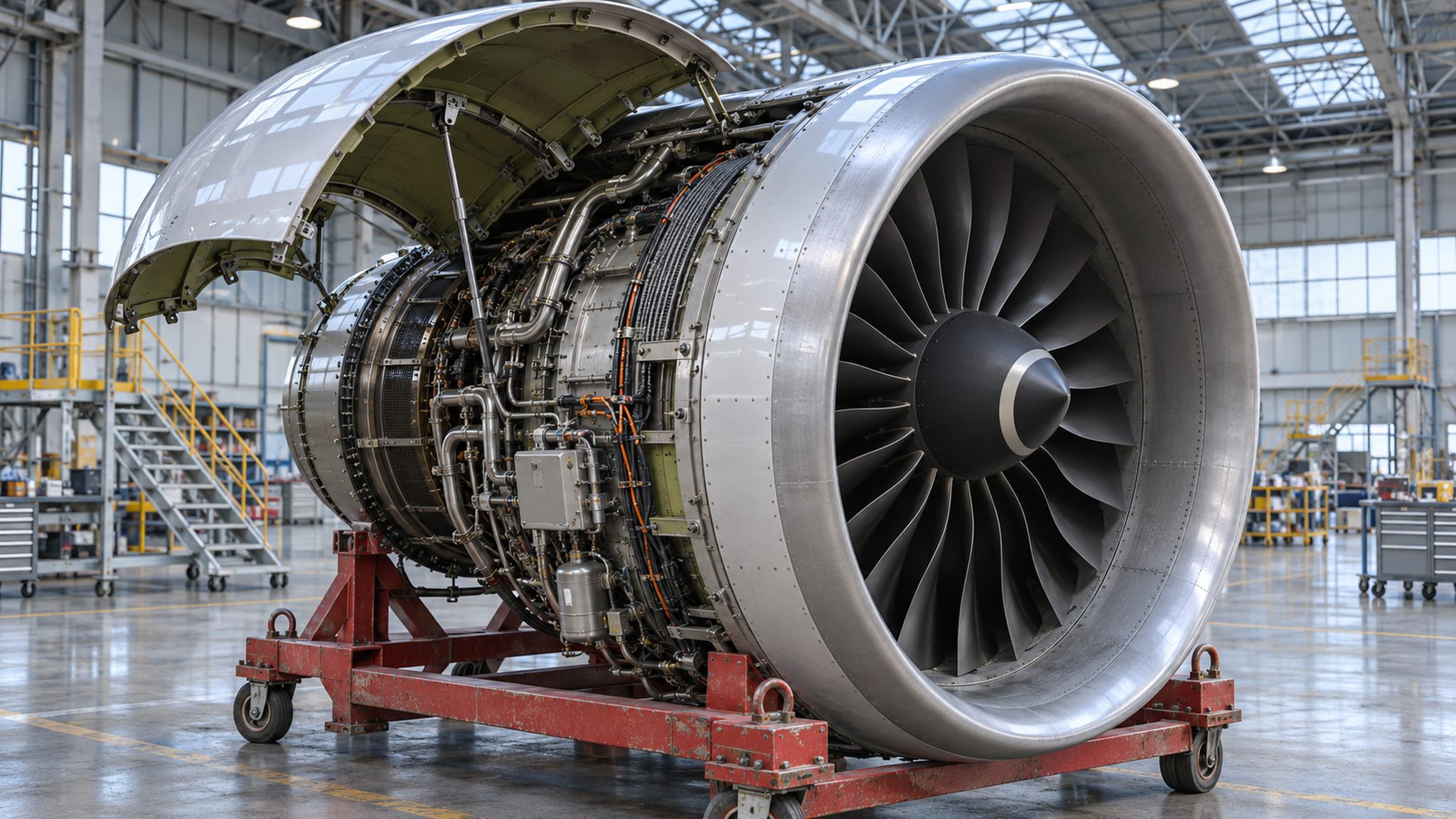
- The policy covers a broad maintenance ecosystem. The release names engines, landing gear, radomes, cockpit displays, seats and wings, illustrating why capacity must extend across several specialised types of work.
- Aircraft availability depends partly on how efficiently maintenance can be completed. The ministry identifies higher costs and longer downtime associated with overseas servicing as reasons to develop domestic capability.
- Technical skills have to match the equipment and work undertaken. Training institutions, maintenance facilities and employers must coordinate so that classroom preparation connects with the practical demands of aviation work.
- The wider life-cycle capability issue also appears in equipment obsolescence management. Maintaining an asset over time requires continuing access to expertise, components and technical support.
How the Proposed Cooperation Builds Skills
The proposed framework connects curriculum design, institutional delivery, workplace exposure and industry participation.
- Joint curriculum development would align AME training with industry requirements. The practical policy question is whether course content prepares students for the tasks and standards encountered in maintenance organisations.
- Institute capacity building would support the delivery of that curriculum. Sharing expertise can help institutions improve teaching and training capabilities, although the announcement does not establish that these improvements have already occurred.
- Internships and exchanges with Singapore MRO entities would give Indian students practical industry exposure. Their value depends on structured learning opportunities and supervision that connect workplace experience with the curriculum.
- Industry partnerships would support the expansion of maintenance facilities. This connects the education component with potential demand for trained personnel and the physical capacity needed to undertake maintenance work.
- The Civil Aviation Ministry release presents knowledge exchange as the organising mechanism. It combines institutional cooperation with opportunities for businesses to participate in building domestic capacity.
Reading the Approval and Its Limits
The announcement establishes the intended framework and its approval stage; delivery still requires subsequent action.
- Approval to sign authorises a proposed agreement to proceed. It does not establish that the MoU has been signed, that exchanges have started or that new facilities have become operational.
- Training cooperation and permission to certify maintenance are separate questions. The announcement provides no basis for claiming automatic licence recognition or unrestricted authority for graduates to approve aircraft for service.
- Domestic capability must be assessed through the work facilities can perform reliably. Counts of agreements or training places alone cannot establish the depth of practical competence or the range of maintenance services available.
- Implementation should track curriculum delivery and industry exposure alongside facility development. These measures would help establish whether cooperation is producing usable skills and maintenance capacity beyond the formal signing stage.
- As with domestic-value requirements in procurement, capability claims need evidence matched to the policy instrument. Training arrangements should be assessed through their own delivery and competence outcomes.
Way Forward
Connect Training With Actual Maintenance Work
- Define institutional responsibilities for curriculum development, faculty preparation and placement supervision once the cooperation framework proceeds.
- Assess practical competence alongside course completion and document the industry tasks covered during internships.
- Report implementation milestones separately for signing, training delivery and facility development so that progress remains traceable.
Conclusion
- MRO development links education, industrial infrastructure and the continuing needs of aircraft fleets. The proposed India–Singapore framework addresses these connections through curriculum cooperation, institutional support and workplace exposure.
- Implementation evidence will determine the framework’s value. UPSC answers should connect specialised skills with domestic service capacity while keeping approval, signing, training delivery and regulatory authorisation distinct.
UPSC Practice Questions
Prelims MCQ 1
With reference to the India–Singapore aviation MRO announcement of November 25, 2026, consider the following statements:
- The Cabinet approved signing a proposed MoU.
- The framework includes industry-oriented AME curriculum development.
- The announcement grants automatic mutual recognition of all maintenance licences.
How many of the above statements are correct?
(a) Only one (b) Only two (c) All three (d) None
Answer: (b) Only two
Explanation:
The first two statements are supported by the release. It announces no automatic mutual recognition of maintenance licences.
Prelims MCQ 2
Which activity best represents the proposed link between classroom training and industry practice?
(a) Replacing all technical assessment with attendance records (b) Giving students internships and exchanges with MRO entities (c) Treating Cabinet approval as completed practical training (d) Eliminating the need for maintenance facilities
Answer: (b) Giving students internships and exchanges with MRO entities
Explanation:
The proposed internships and exchanges provide practical industry exposure to complement institutional training.
UPSC Mains Questions
- Explain how bilateral skills cooperation can strengthen India’s aviation maintenance ecosystem.
- Discuss the implementation measures needed to turn an aviation training agreement into practical industrial capability.
Source: PIB, Ministry of Civil Aviation.
Frequently Asked Questions
What does MRO mean in aviation?
MRO means maintenance, repair and overhaul. It covers work needed to keep aircraft and components serviceable, address defects and undertake more extensive technical restoration where required.
What did the Cabinet approve?
The Cabinet approved signing a proposed India–Singapore MoU on skills and industry development in aviation MRO. The release identifies curriculum development, institute support, internships and industry partnerships as intended areas of cooperation.
Does the announcement confirm that the MoU has been signed?
The release reports approval for signing. It does not establish that signing or implementation has been completed. Training exchanges and facility development are presented as prospective outcomes.
Does the proposed MoU automatically recognise maintenance licences?
The announcement contains no automatic licence-recognition provision. Readers should keep cooperation on training and institutions separate from the regulatory permissions needed to certify maintenance or release aircraft for service.
Tell Google you want more of this.
Add Anantam IAS as a preferred sourceOne tap, and this site shows up more often in your own Top Stories, AI Overviews and AI Mode. Remove it any time.